26 DIY Home Decor Ideas for 2026
This post may contain affiliate links: full affiliate disclosure.
You look around your home and something feels off. Although the area isn’t disorganized, it doesn’t feel finished either; the space may still seem uninspired, chilly, or lifeless.
The majority of individuals get stuck here because they are unsure of what to decorate first or what truly gives a house a cohesive feel.
Purchasing random objects or replicating images from Pinterest are not the goals of home décor. It’s about understanding what components are important and how they interact.
In this article, you’ll explore 26 Diy Home Decor ideas that work in 2026.
Save this article for later! 👇👇
Contents
- 0.1 Layered Dining Glow
- 0.2 Cozy Neutral Layers
- 0.3 Backlit Shelf Styling
- 0.4 Natural Texture Mix
- 0.5 Statement Table Center
- 0.6 Slatted Wall Warmth
- 0.7 Minimal Console Styling
- 0.8 Layered Bedside Charm
- 0.9 Modular Seating Setup
- 0.10 Balanced Bed Lighting
- 0.11 Seasonal Cozy Corner
- 0.12 Artwork Anchor Wall
- 0.13 Soft Neutral Balance
- 0.14 Vertical Green Accent
- 0.15 Staircase Style Moment
- 0.16 Indoor Plant Zoning
- 0.17 Gallery Nook Dining
- 0.18 Mantel Symmetry Setup
- 0.19 Bold Pendant Focus
- 0.20 Hallway Wall Layering
- 0.21 Textured Wall Panels
- 0.22 Layered Floor Lamps
- 0.23 DIY Fabric Headboard
- 0.24 Built-In Bench Nook
- 0.25 Soft Curtain Layering
- 0.26 Open Shelf Styling
- 1 FAQs
Layered Dining Glow
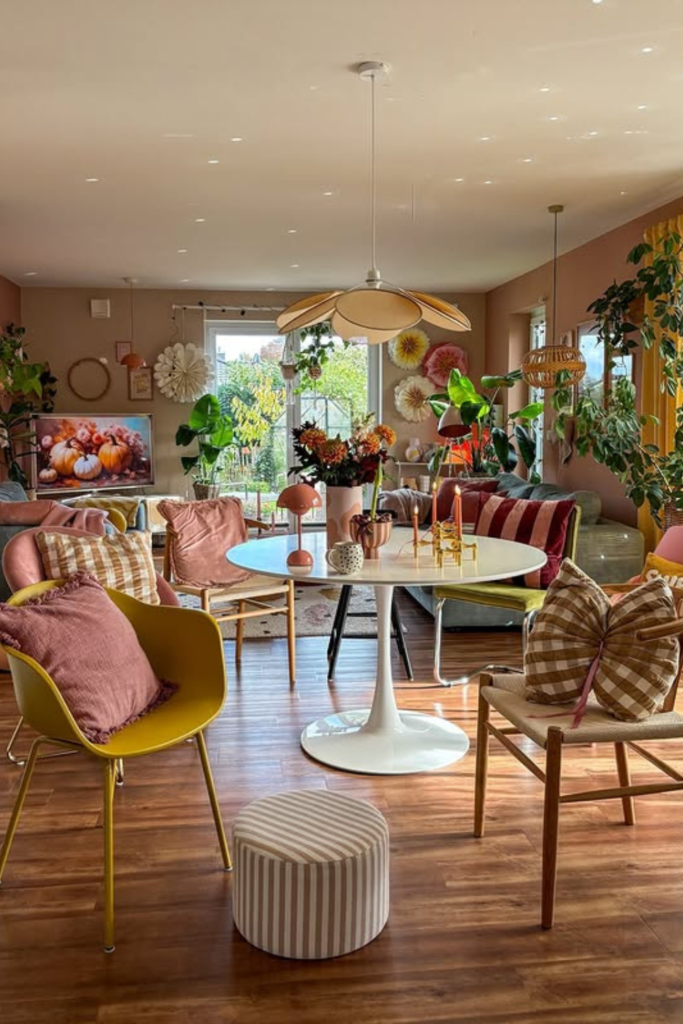
Start by stacking lights rather than depending on a single source if you want your eating area to seem cozy and social.
Open living areas or dining rooms are ideal for this arrangement. Let natural light or fairy lights handle the background.
Add table lamps for softness, and use a statement pendant as the primary light. This combination is ideal for ordinary meals.
Cozy Neutral Layers
Layering soft textures can quickly make your living area feel less flat. This is most effective in places where you sit.
Add throws, cushions, and a textured rug in complementary hues after starting with a neutral sofa, for cozy accent lighting.
Use a table lamp and a few candles, the room feels serene and lived in because of the soft layers that break up stiffness.
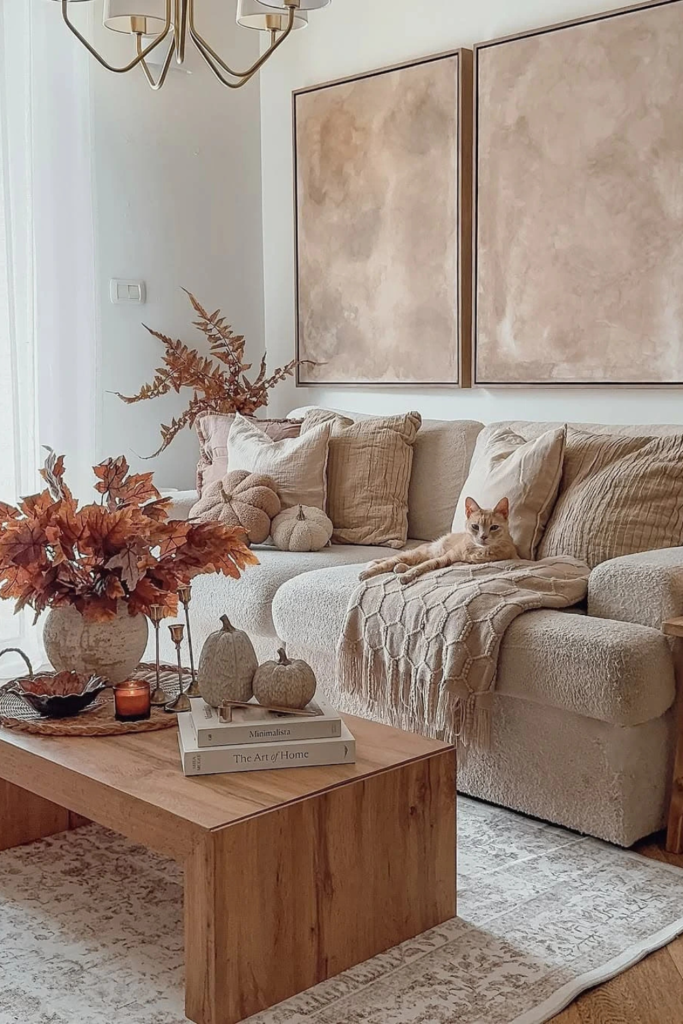
Backlit Shelf Styling
Built-in shelf lighting makes a huge difference, your living area seems empty at night, works best near display walls
Add warm LED strips behind bookcases to add depth, style them with a variety of books, plants, and little accents.
Prevent a harsh, bright environment, keep the ceiling lights low and allow the shelves serve as accent lighting.
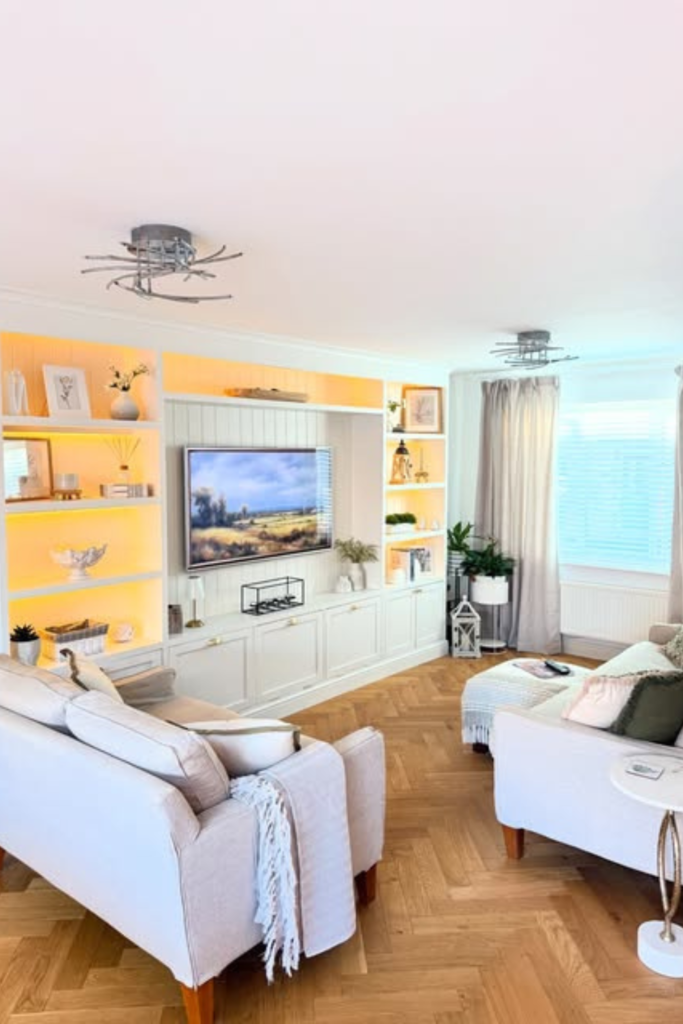
Natural Texture Mix
Your living room feels cold or too modern, natural textures warm it up instantly. Use woven rugs, baskets, wooden furniture, indoor plants.
Keep lighting soft with a woven pendant or floor lamp so the textures stand out without overpowering the room.
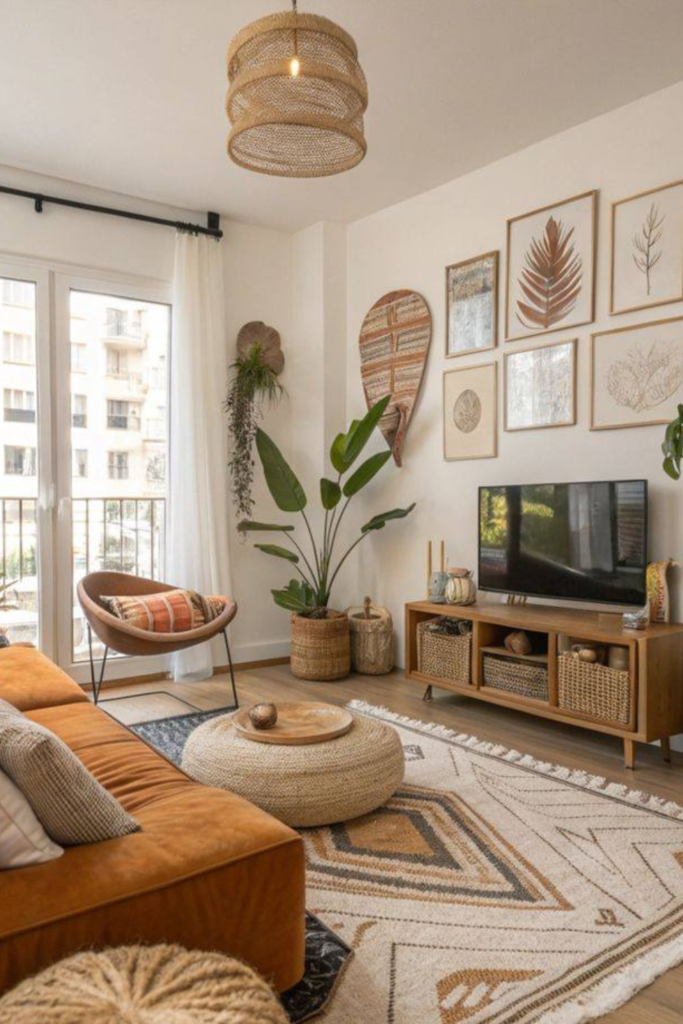
Statement Table Center
Give your dining table a single, powerful focal point, long dining tables are ideal for this. Use a large planter, make your own arrangement.
Use basic decorative elements and plants, powerful overhead lighting, such as a linear chandelier, and avoid other lamps.
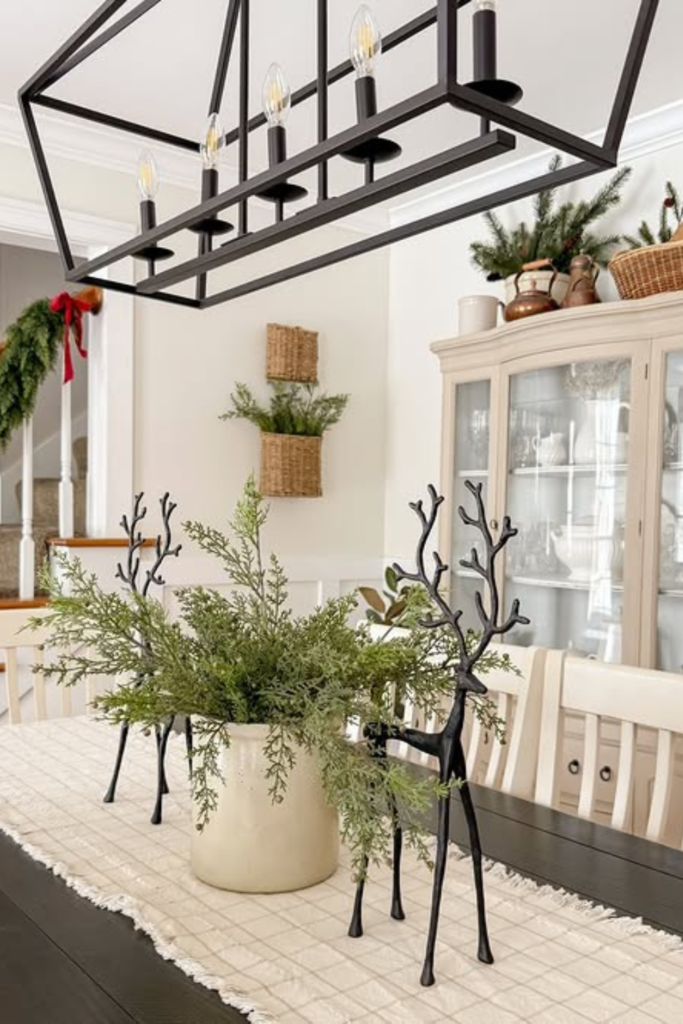
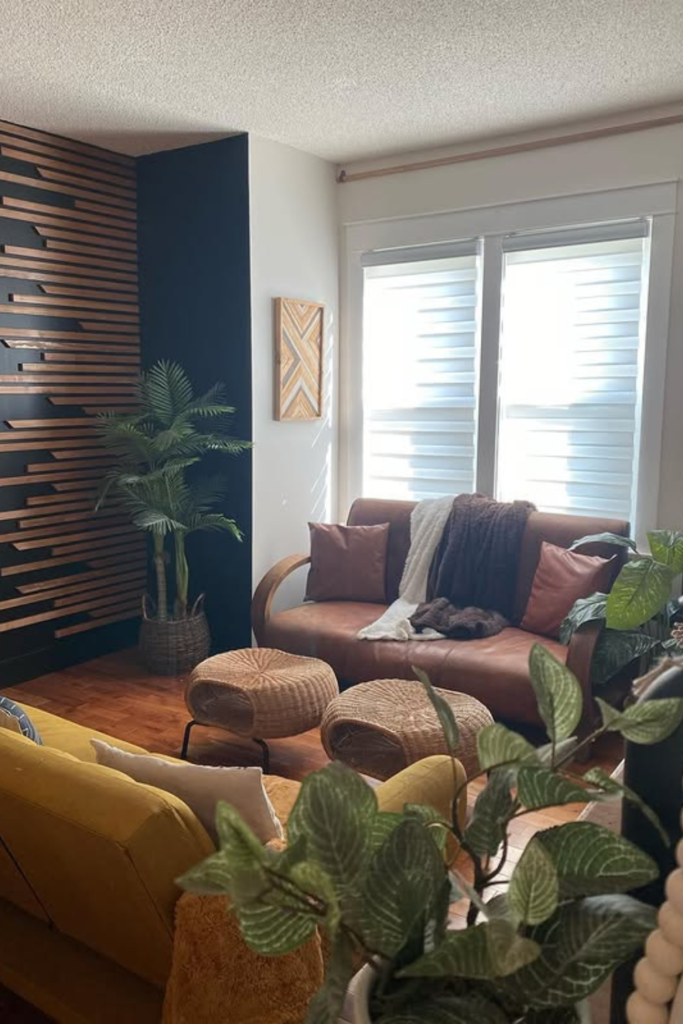
Slatted Wall Warmth
A homemade slat wall adds immediate dimension to your space, ideal for a small lounge or behind a sofa.
Use painted or stained MDF strips or wooden battens, ensure that the texture is still visible after nightfall.
Minimal Console Styling
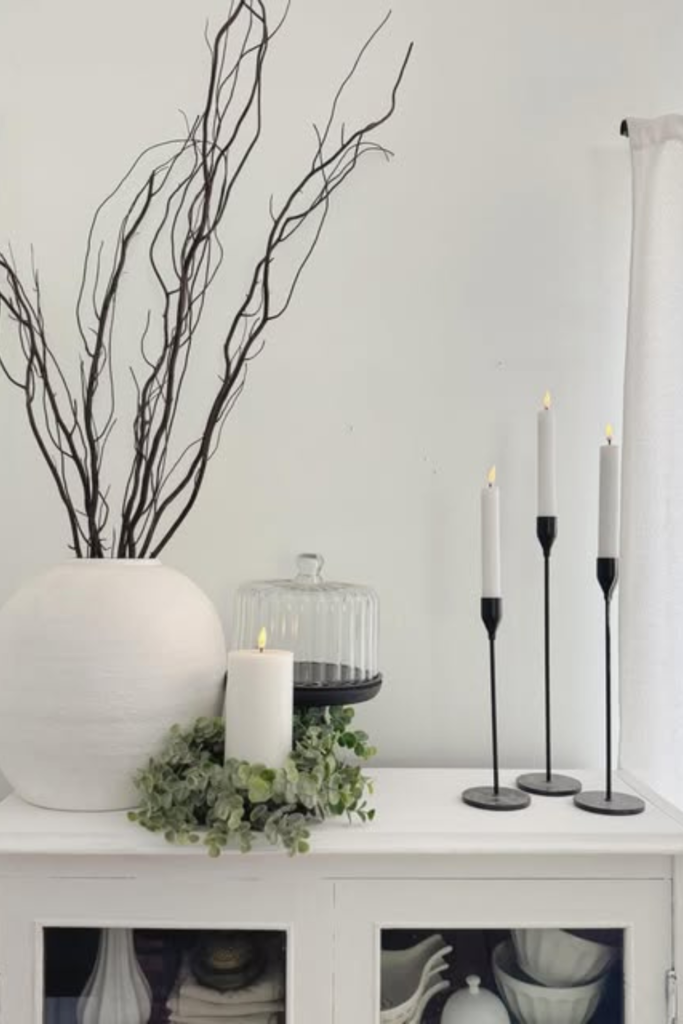
This arrangement is ideal for console tables or sideboards, you prefer neat areas but still want warmth.
Start with a single large vase and use dried stems or bare branches to add height and gentle accent lighting.
Balance it with candles at various heights, let the light and shapes shine out, keep the background basic.
Layered Bedside Charm
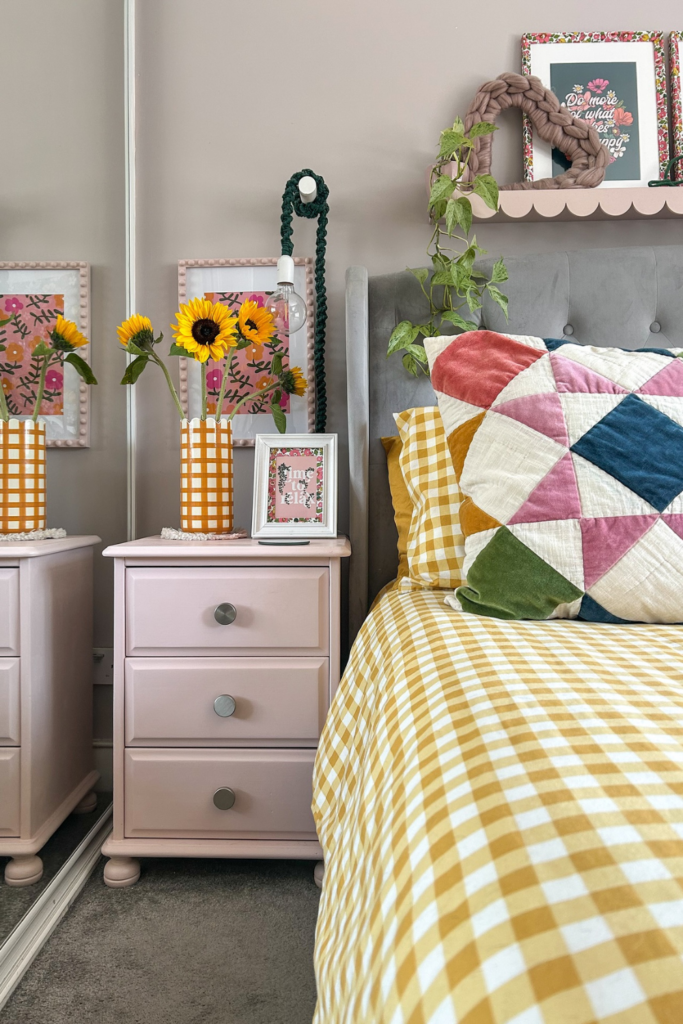
Styling the bedside adds character to your bedroom without being overly cluttered. You want both warmth and functionality.
Works best on nightstands. Combine a small vase or framed print, patterned bedding, and a single statement pillow.
You wind down at night and use a soft table lamp for gentle lighting so the room feels serene rather than dazzling.
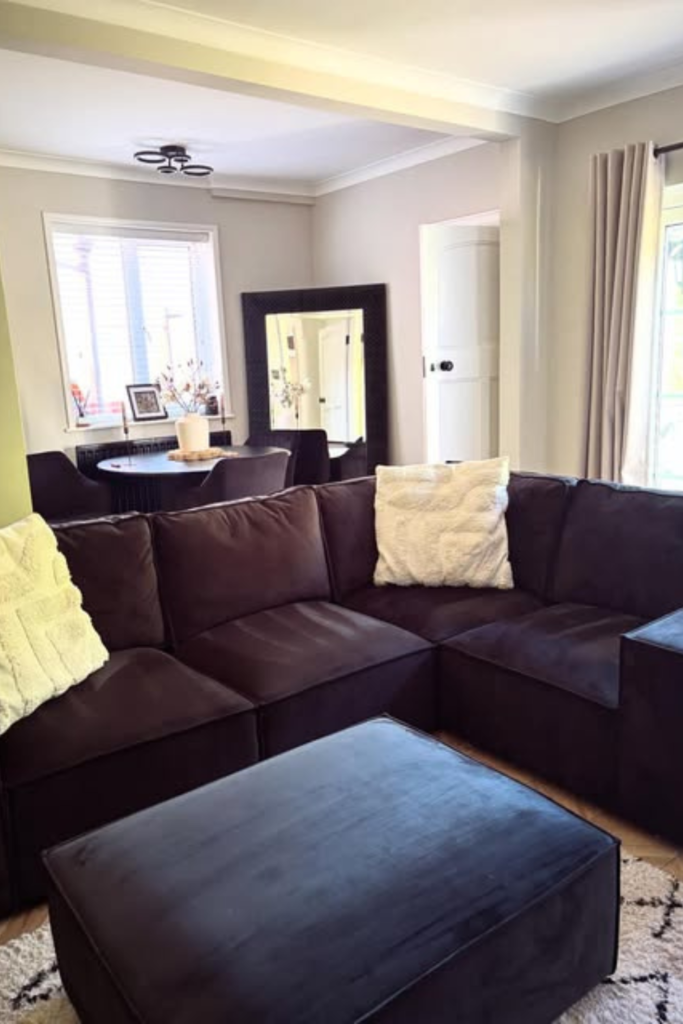
Modular Seating Setup
Your bedroom will have personality. Combine patterned bedding, a single statement pillow, and a modest vase or framed print.
Use a soft table lamp or wall sconce for gentle illumination when you wind down at night so the space feels calm.
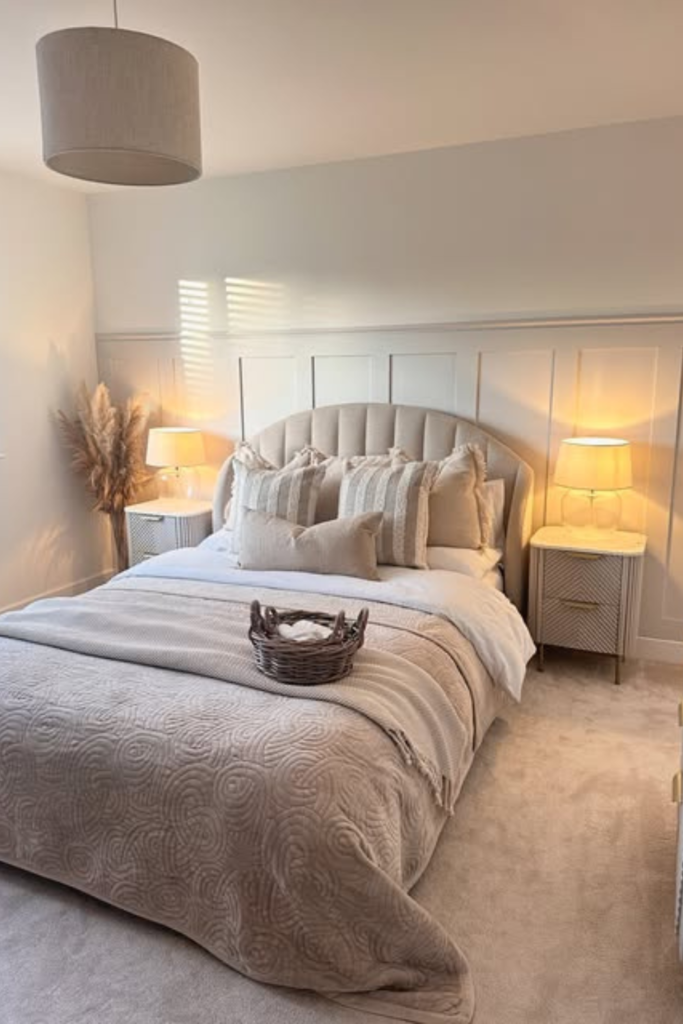
Balanced Bed Lighting
Balanced lighting makes your bedroom feel neither too bright nor too dark, use matching bedside lamps.
Prevent the overhead light from overpowering the room; keep it gentle or subdued. Make the space feel cozy.
Seasonal Cozy Corner
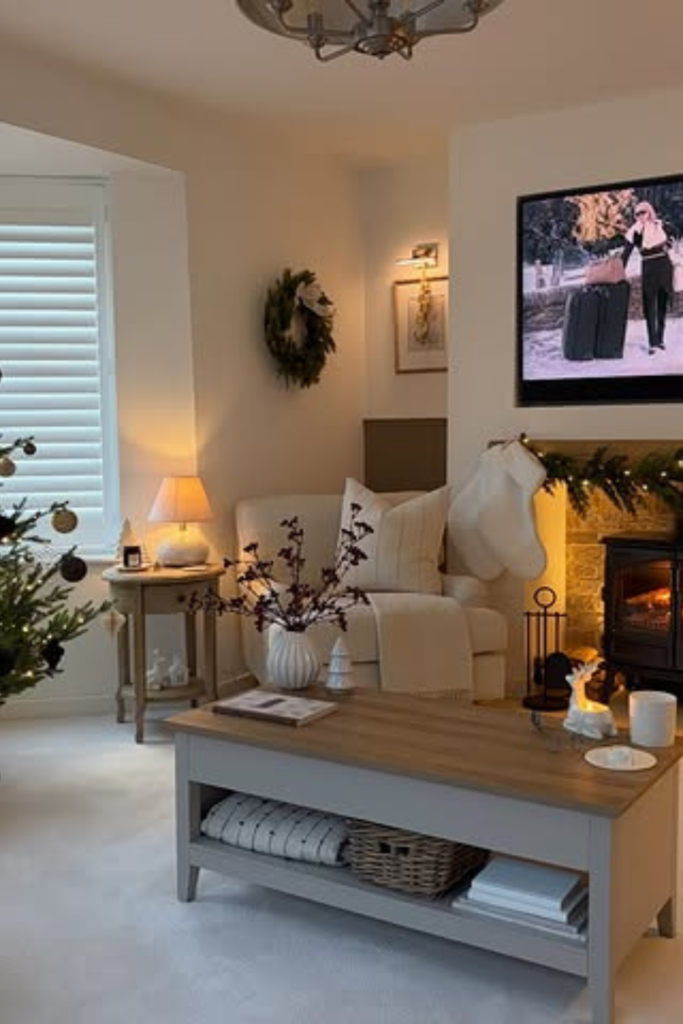
Seasonal style revitalizes your living area if it seems drab in the winter, especially near a fireplace or the primary seating area.
Use soft blankets, simple trinkets, and plants, keep the room comfortable, use accent lighting from the fireplace, fairy lights on the tree.
Artwork Anchor Wall
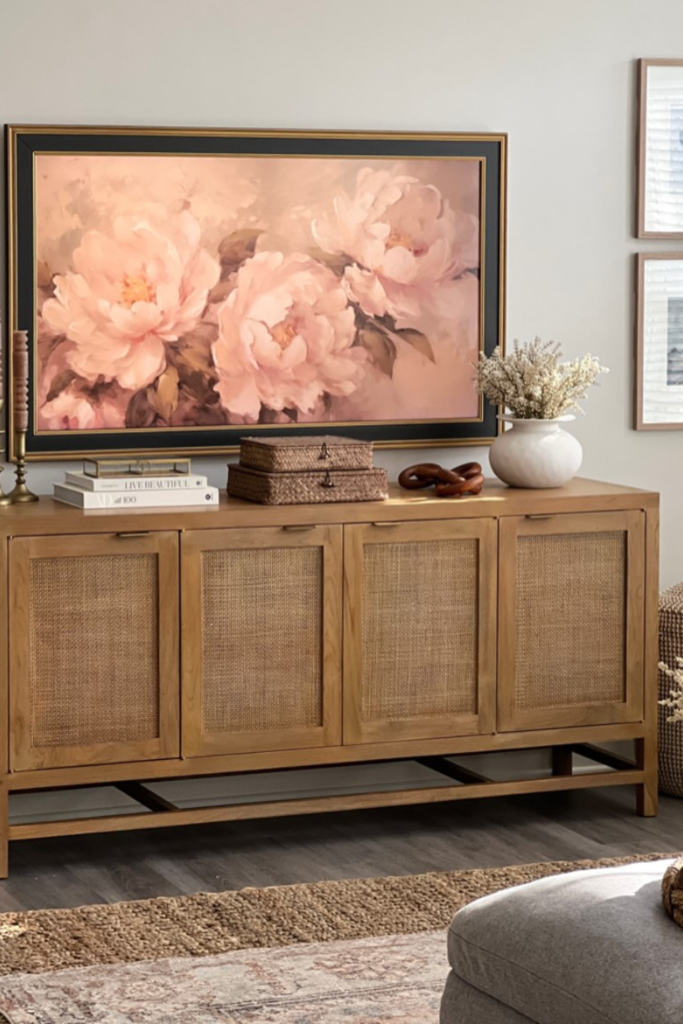
One large piece of art should serve as an anchor if your wall feels empty even with furniture in place.
This is most effective above consoles, keep things peaceful, pick one large piece rather than several smaller ones.
Make the artwork feel attached to the furniture rather than floating on the wall, add soft accent lighting close by.
Soft Neutral Balance
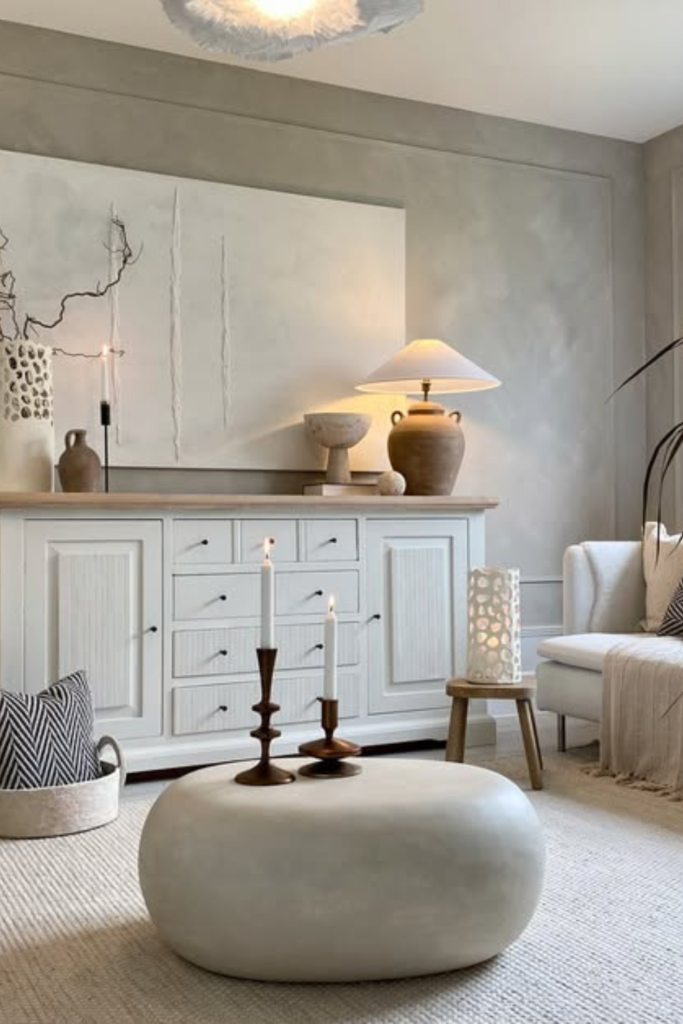
Soft neutrals help your room regain equilibrium, stick to a single family of soothing colors and use a variety of textures.
Use smooth pottery, linen fabrics, and plaster walls, create layered illumination that feels cozy, use a table lamp and a few candles.
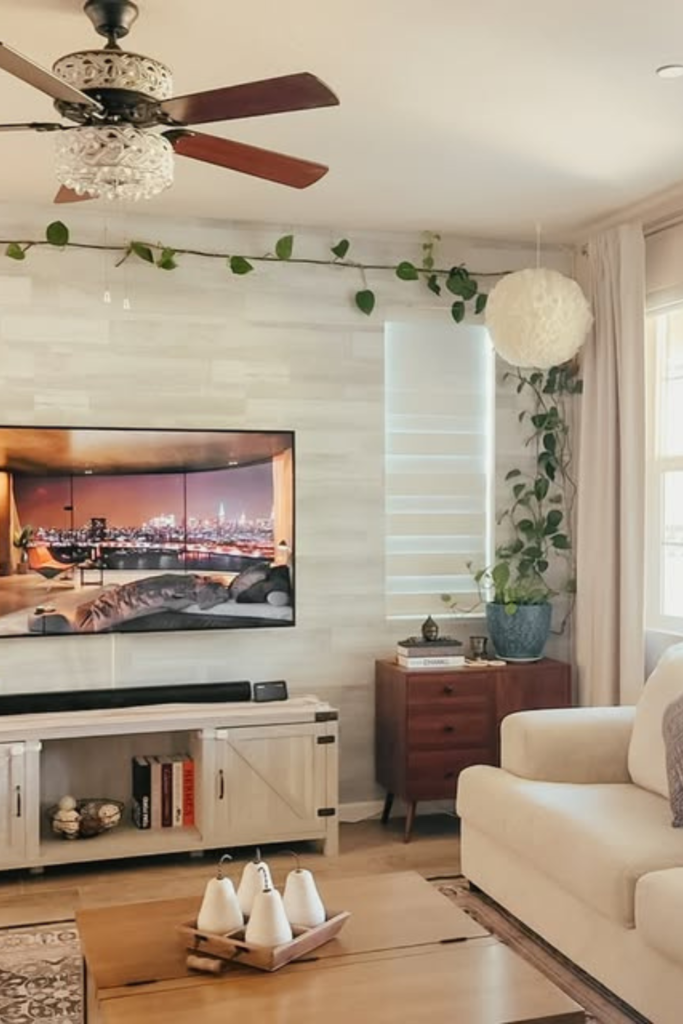
Vertical Green Accent
Adding vertical flora quickly corrects a room that feels flat from top to bottom, use artificial vines.
Trailing plants, guiding them upward along the line of the wall, the greens stand out in the evening.
Add a soft, cozy pendant or floor lamp after letting daylight handle the majority of the design.
Staircase Style Moment
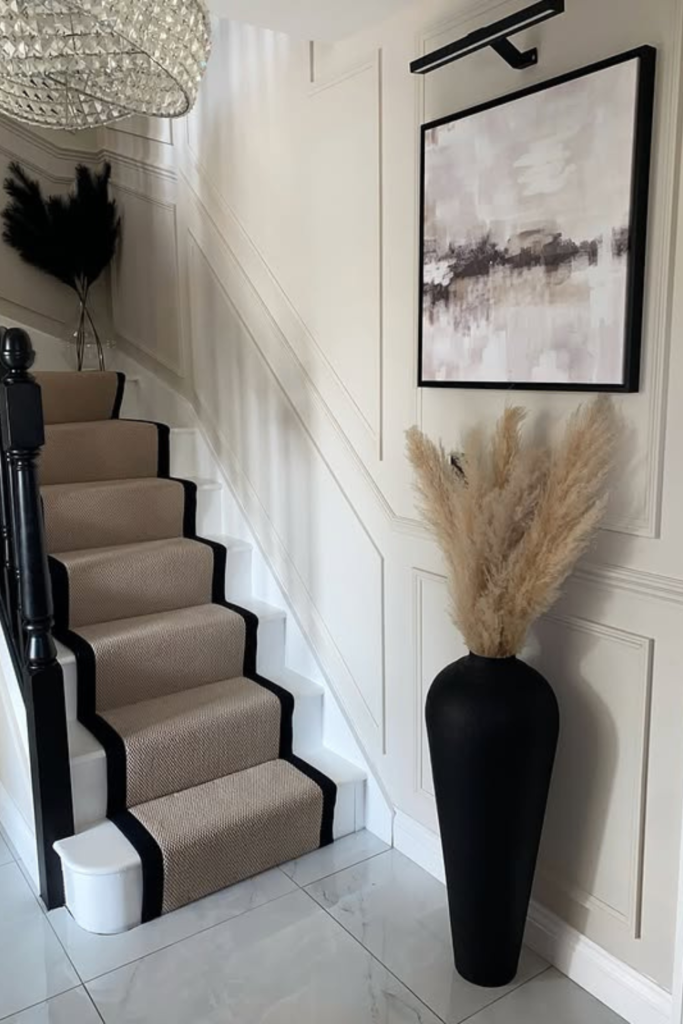
Make your staircase a focal point of your design if it seems neglected, effective in hallways or entryways.
Add height, add a tall floor vase with dried stems. Next, use a single framed piece of art to anchor the wall.
Make the details pop out without creating harsh shadows. Use a wall light or ceiling lamp to uniformly bathe the area.
Indoor Plant Zoning
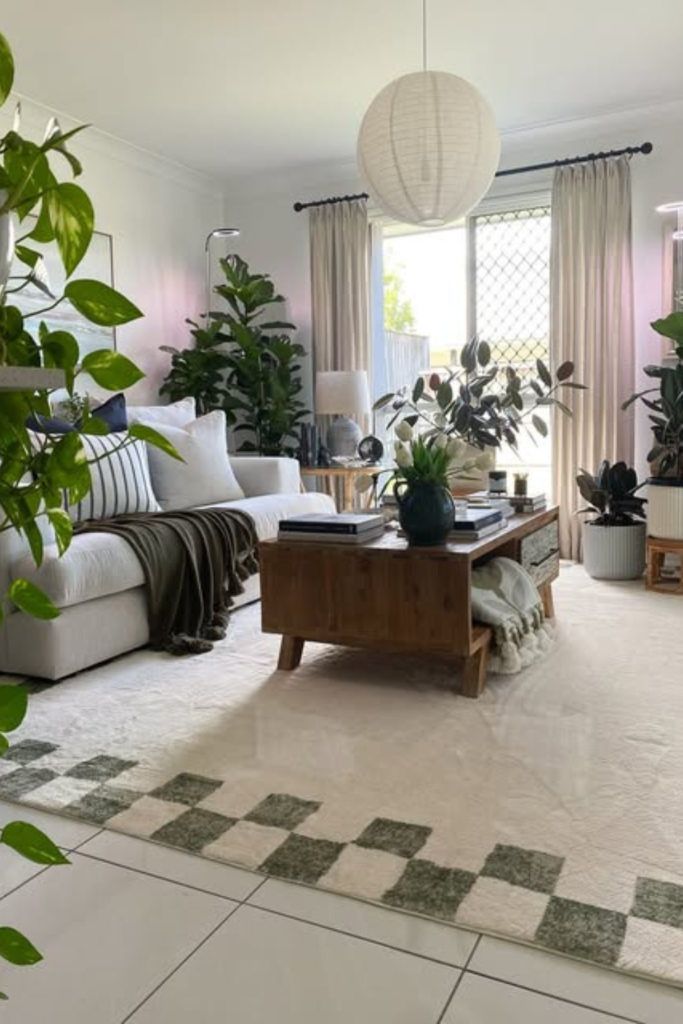
Plants can help define your living area if it seems empty or disjointed. Furniture alone feels flat in open layouts.
Create natural zones, arrange plants of varying heights around seating spaces, keep the greenery feeling alive.
After sunset, let daylight do most of the work, and then add a floor lamp or soft paper hanging, which works best.
Gallery Nook Dining
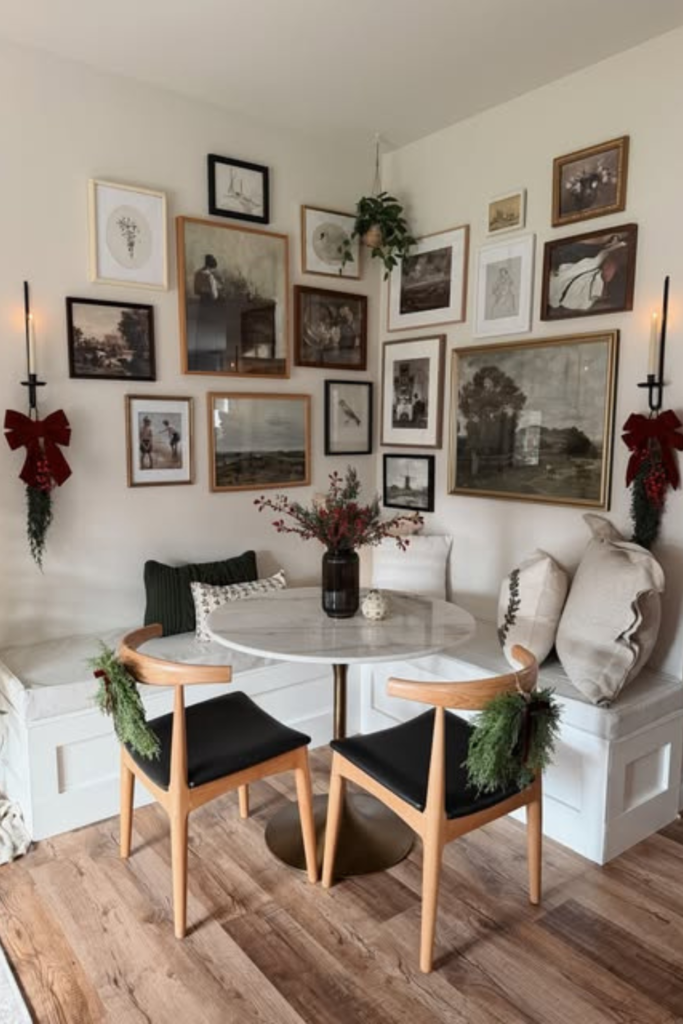
Make a gallery nook out of a modest dining space to give it a purposeful vibe, effective in breakfast areas or nooks.
Construct a bench with adjustable seats, then hang a variety of frames in various sizes to provide character.
Keep the artwork emphasized without the need for a powerful overhead light; use slim candle lights on both sides.
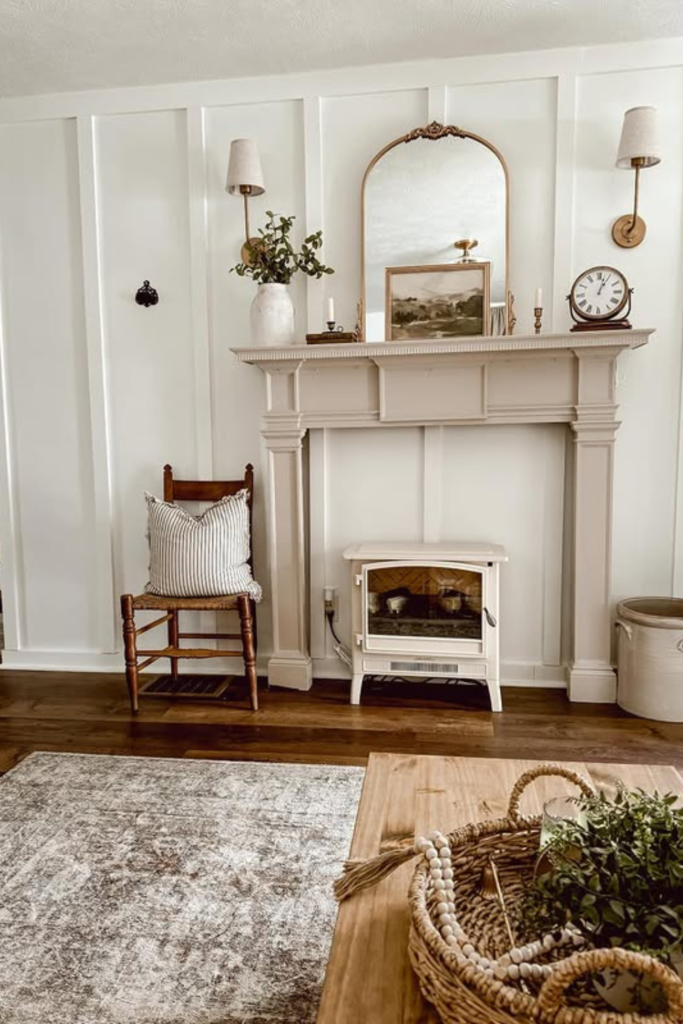
Mantel Symmetry Setup
Symmetry gives your fireplace wall a quick order if it seems unfinished. Living rooms with a focal mantel are ideal.
Use framed pieces, tiny items, or matching sconces to keep the decor balanced on both sides. Keep overhead lights.
Mantel remains the visual focal point, add a table lamp close by for warmth, and let wall sconces handle accent lighting.
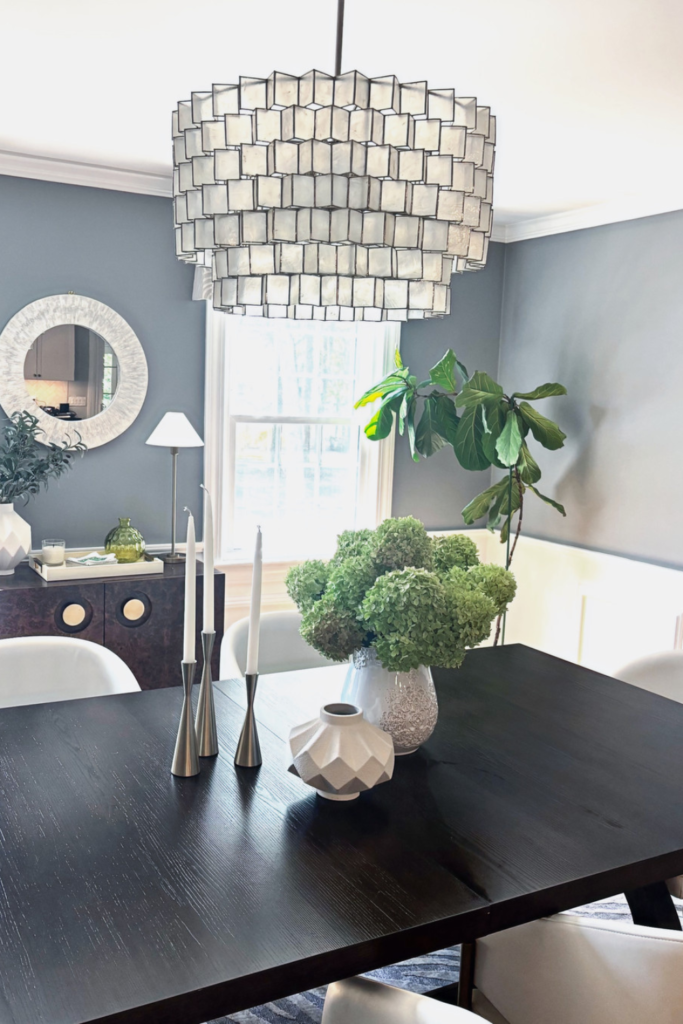
Bold Pendant Focus
Your dining room seems forgettable, when contrast is important, this works best over dark dining tables.
Make the light stand out by choosing a single, striking pendant as the focal point, and keep the table décor basic.
Maintain a simple, deliberate appearance; let daylight and the pendant control the majority of the brightness.
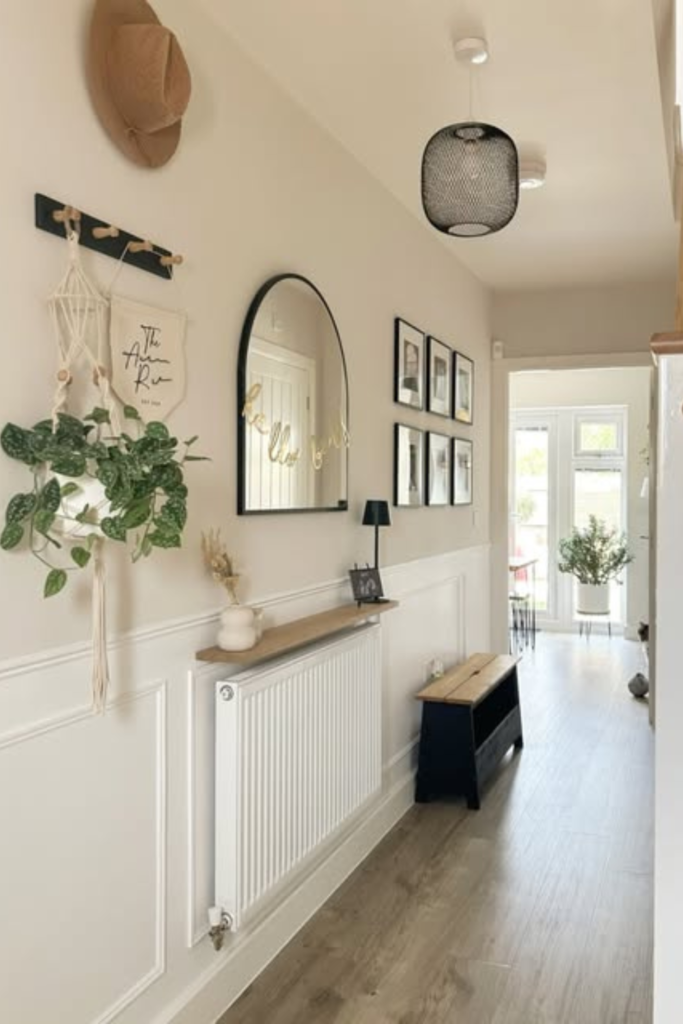
Hallway Wall Layering
Wall layering provides your corridor a purpose, seems cramped. Long hallways with little furnishings are ideal for this.
Provide depth without clutter, use one hanging plant, a circular mirror, and framed art, make the room feel cozier.
Rather than just practical, add a modest table lamp or wall light after using ceiling lights for general brightness.
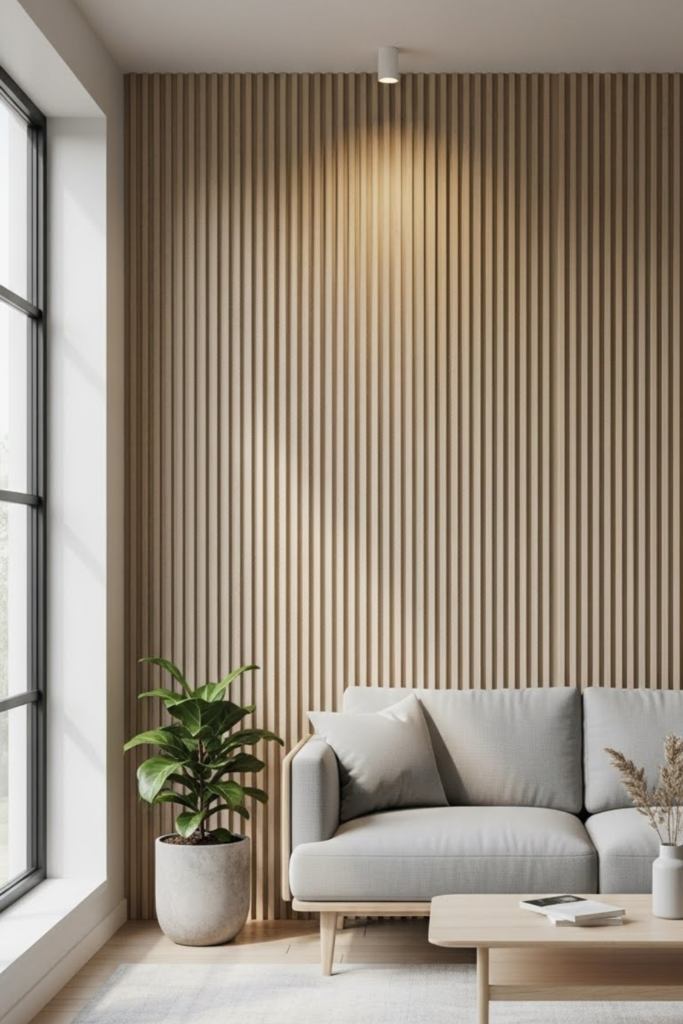
Textured Wall Panels
Your walls feel flat, texture fixes that faster than art. Use DIY wood slats, fluted panels, or MDF strips painted in a soft tone.
Let daylight highlight the texture, then add a warm wall light so the depth still shows in the evening, works best behind sofas or beds.
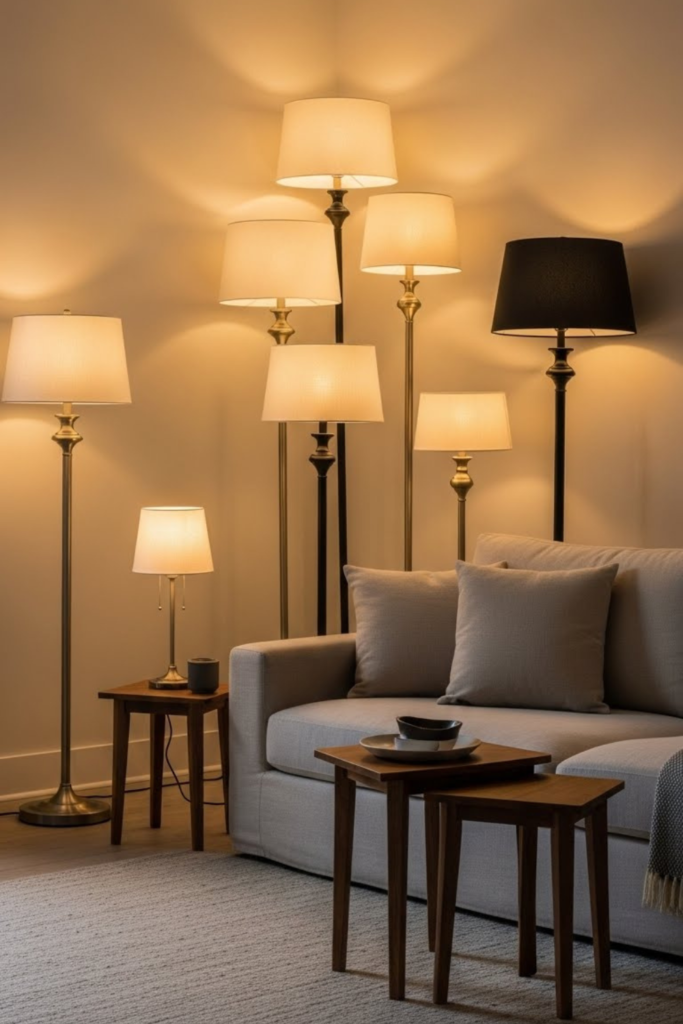
Layered Floor Lamps
Overhead lighting feels harsh, floor lamps instantly soften the room. Use two lamps at different heights to evenly spread light.
Keep bulbs warm so the space feels relaxed instead of bright and sharp. This works best in living rooms and bedrooms.
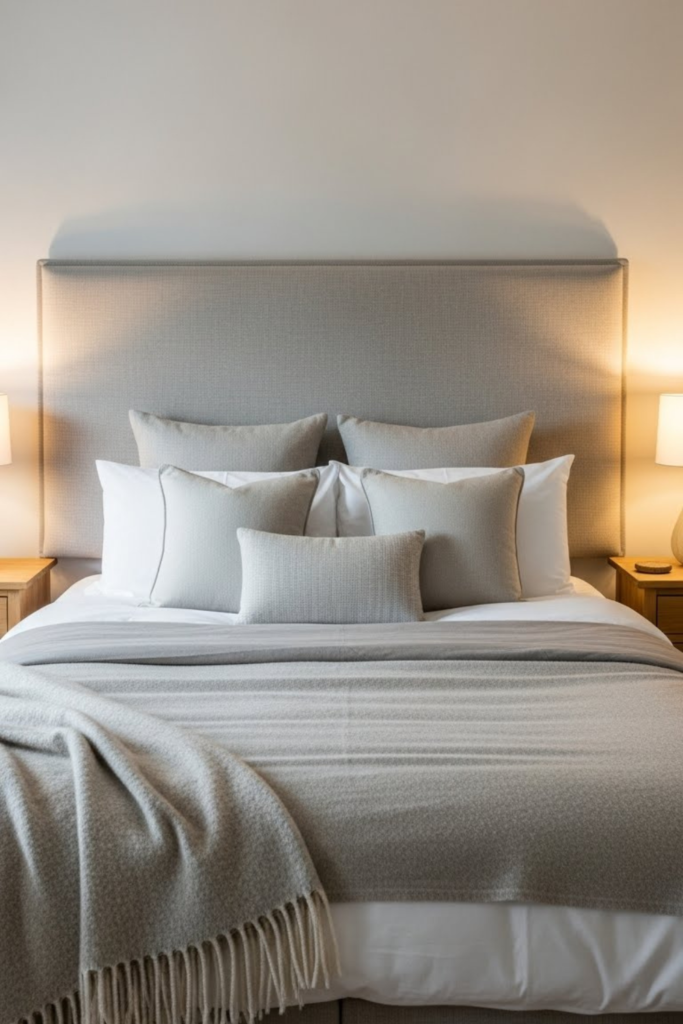
DIY Fabric Headboard
Your bedroom looks unfinished, a fabric headboard adds structure. Build a simple plywood base, wrap it with foam and fabric.
Mount it slightly taller. Use bedside lamps or sconces so the fabric texture stands out, works best when the bed feels visually low.
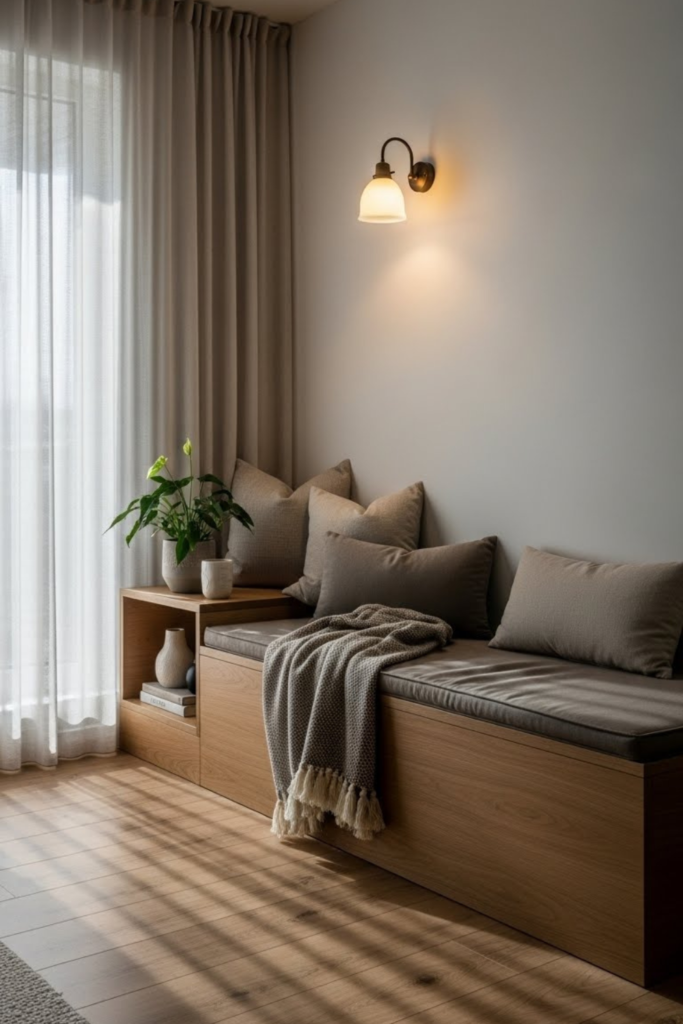
Built-In Bench Nook
If a corner feels wasted, turn it into a seating nook. This works best near windows or dining areas. Build a simple wooden bench.
Add neutral-toned cushions. Let natural light lead, then add a small pendant or wall light to keep the space usable at night.
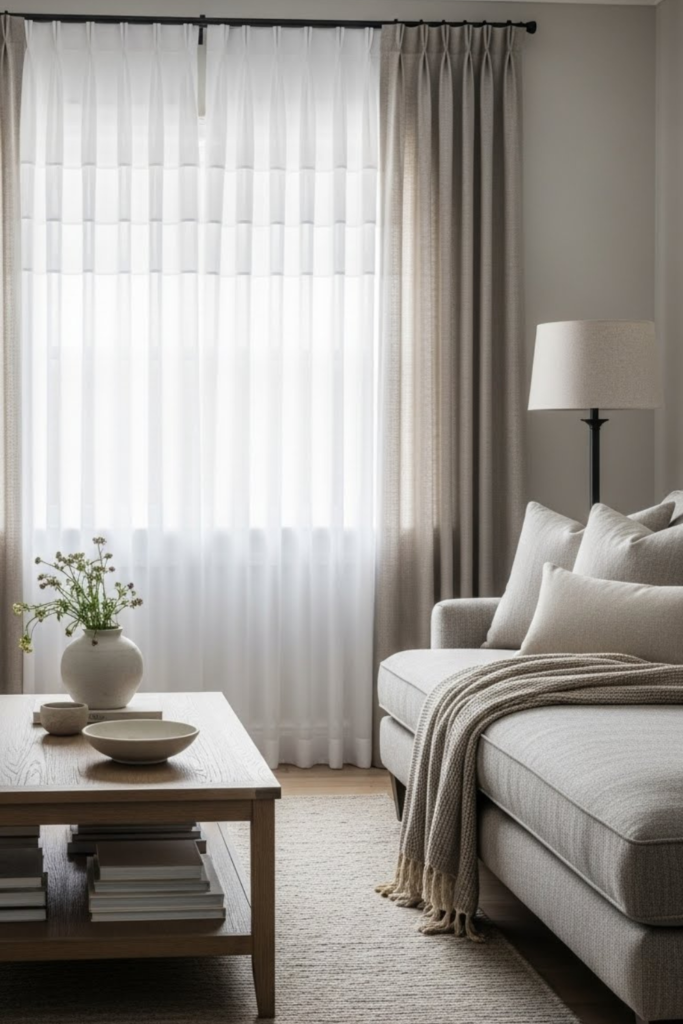
Soft Curtain Layering
Your room feels stiff, layered curtains soften everything, works best in bedrooms. Pair sheer curtains with heavier fabric panels.
Control light and privacy. Daylight keeps it airy, while evening lamps create warmth through the fabric.
Open Shelf Styling
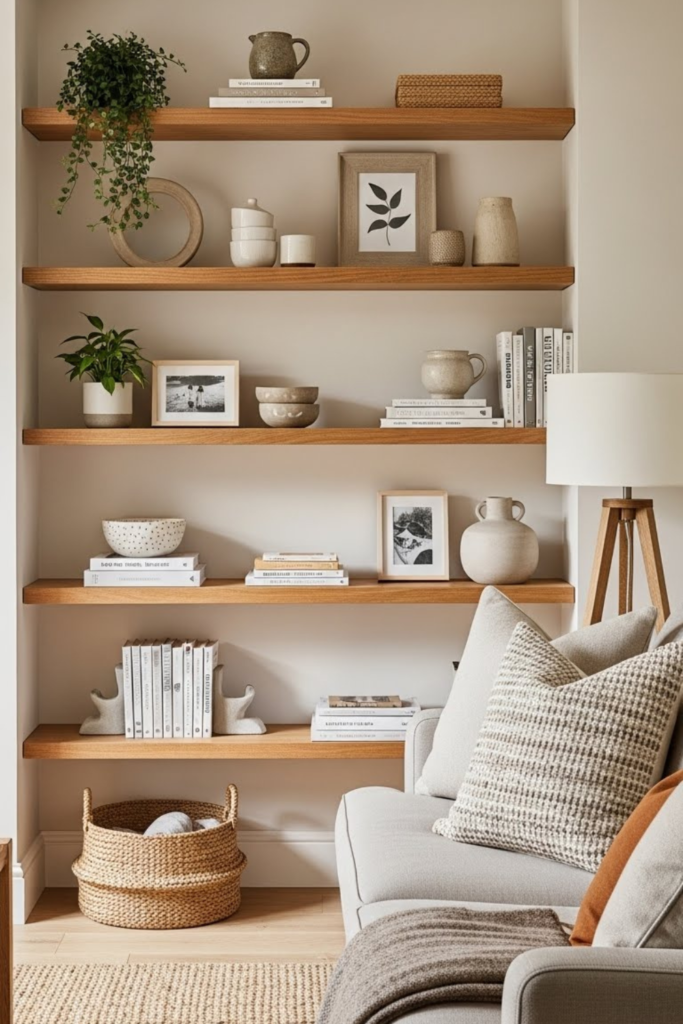
Open shelves keep the space light. This works best in kitchens or living rooms. Style shelves with a mix of practical items and decor.
Leaving breathing space between objects. Add under-shelf lighting so everything feels intentional, attrective, not cluttered.
FAQs
What is the most popular decor style?
Because they may be used in practically any type of home, modern and minimalist styles are currently the most popular.
They feel tidy, serene, and simple to maintain, which is why people prefer them. The room feels balanced rather than packed.
You utilize simple furniture, neutral colors, and a few carefully chosen design objects. To keep it from feeling chilly, you may always add warmth with textures, plants, or soft lighting.
What are the different types of home decor?
Typically, there are a few primary styles for home décor. Simple colors and clean lines are key components of modern design.
Only what is required is retained by minimalists. Boho uses natural materials, patterns, and layers. Rustic accentuates earthy and wood tones.
While modern blends comfort with current trends, traditional feels traditional and formal. You can combine different styles that suit your home.
You may like to read!
- 20 DIY Bicycle Rack Ideas
- 16 Goat Pen Ideas DIY
- 19 DIY Lamp Shade Ideas
- 21 Backyard Movie Screen DIY

Fasial is the founder of the Fizzy Flare. He has been a passionate blogger since 2021. He ran three different websites in the past few years. Now he is focusing on Fizzy Flare to build an audience and help them organize their life.