22 Under Desk Storage Ideas for 2026

This post may contain affiliate links: full affiliate disclosure.
If your desk has no drawers, you already know the struggle. Things pile up on the desktop, cables end up on the floor, and every time you sit down.
It feels messy and cramped. You don’t want a bigger desk you just want to use the space you already have. You can turn it into smart.
Hidden storage without killing legroom or comfort. In this article, you’ll learn practical ways to add storage under your desk that actually work in real life.
In this article, you’ll find 22 Under-Desk Storage Ideas that work in 2026.
Let’s jump in!
Contents
- 1 How to add storage under a desk?
- 1.1 Flush Side Drawers
- 1.2 Desk-Back Cabinets
- 1.3 Open Side Shelf
- 1.4 Stair-Side Drawers
- 1.5 Built-In Cabinets
- 1.6 Slim Drawer Unit
- 1.7 Ladder Desk Storage
- 1.8 Split Side Drawers
- 1.9 Priority Top Drawers
- 1.10 Balanced Twin Drawers
- 1.11 Side Wall Storage
- 1.12 Zoned Drawer Storage
- 1.13 Shallow Built-Ins
- 1.14 Spread-Out Cabinets
- 1.15 Bench Drawer Storage
- 1.16 Single Side Drawer
- 1.17 Intentional Desk Drawer
- 1.18 Corner Cabinet Fit
- 1.19 Adjacent Low Storage
- 1.20 Compact File Cabinet
- 1.21 Movement-First Storage
- 1.22 Rolling Drawer Flex
- 2 FAQs
How to add storage under a desk?
Adding storage under a desk starts with understanding the space you’re working with and what you actually need to store.
If your desk has open legroom, you can use that space for drawers, shelves, or hanging organizers without taking up desktop space.
The key is to keep storage shallow so your legs still move freely. If you work long hours, comfort matters more than squeezing in extra storage.
Always measure the clearance under your desk first, then choose solutions that mount, slide, or hang rather than sit on the floor.
Save this article for later! 👇👇

Flush Side Drawers
Solid desk sides make hidden storage easy. Shallow drawers fitted flush with the desk frame keep movement natural.
Storing flat items like notebooks, cables, or documents. Daily-use items belong in the top drawer to avoid constant bending.
Matching the drawer finish to the desk surface keeps everything visually seamless, prevents storage looking like an afterthought.

Desk-Back Cabinets
Corner desks benefit from storage that follows the desk’s structure rather than sitting under your legs.
Cabinets or drawers placed along the back or side walls keep everything reachable without crowding knee space.
Heavier or rarely used items work best in lower sections, while daily essentials stay closer to where you sit.

Open Side Shelf
One solid desk side gives you freedom on the other. A simple shelf under the desktop adds flexible storage for books, files, or grab-and-go items.
Leaving airflow around a CPU or storage box makes cleaning easier and keeps the setup feeling open rather than crowded.

Stair-Side Drawers
Sloped ceilings and under-stair desks work best with storage. Lower drawers are for paperwork or backup tech.
The top drawers handle daily items. Fixed drawers placed to one side add function without stealing legroom.
Slim, vertical stacks keep the space usable and prevent the desk area from feeling boxed in or heavy.

Built-In Cabinets
Custom desk designs allow storage to feel intentional instead of added later. Fixed cabinets on one side.
Keep items hidden while leaving the main sitting area comfortable. Bulky or heavy items belong in the cabinets.
Daily essentials kept closer to the surface. Prioritizing legroom first ensures the storage supports your workflow.

Slim Drawer Unit
Extra storage doesn’t always require a full redesign.A slim drawer unit placed on the non-dominant side adds capacity.
Keeping leg movement natural.Deep drawers handle paperwork or backup tech, while top drawers suit daily items.
Ensuring the desktop sits securely on the unit prevents shifting and keeps the setup stable during long work sessions.

Ladder Desk Storage
When under-desk space is limited, vertical storage solves the problem. Ladder-style desks keep the area below clear.
Holding books, supplies, and tech within reach. Heavier items belong on lower shelves for stability, frequently used pieces work best.

Split Side Drawers
Handling lots of small items works better when storage is divided. Drawer units placed on both sides keep the center open.
Protecting legroom during long work hours. One side holds work supplies, other holds personal items for quick access.
Breaking storage into smaller units also lightens the visual weight of longer desks and improves overall organization.

Priority Top Drawers
Daily comfort improves when storage matches how you move. Frequently used items belong in the top drawers.
Shallow drawers make supplies easy to spot at a glance. Keeping the center space open matters even more.
When machines sit on the desk, allowing your chair to slide in smoothly for long, comfortable work sessions.

Balanced Twin Drawers
Replacing one bulky cabinet with two matching drawer units keeps the desk visually light and physically comfortable.
Equal heights prevent knee bumps when shifting positions, while the open center preserves legroom.
Pushing drawers fully back maintains a clear sitting zone. Splitting work tools and personal items between sides.

Side Wall Storage
Tight floor plans work better when storage shifts to the side. Narrow shelves or cabinets along one wall add space for books, or baskets.
Keeping the chair zone completely clear preserves comfort, side storage keeps items you don’t need constantly at hand.

Zoned Drawer Storage
Busy work setups stay manageable when drawers serve clear purposes. Assign one side to active projects.
The other to backup supplies to avoid constant searching. Rolling units add flexibility for cleaning or quick access.
Leaving the center open keeps chair movement smooth, which matters when your tasks and sitting positions change.

Shallow Built-Ins
Surface clutter disappears when shallow drawers handle small daily items like chargers or stationery.
Light contents keep drawers easy to open and use. Heavy items work better elsewhere, paired with nearby boxes.
Keeps legroom open, avoids bulky under-desk storage, making it ideal for desks that need to stay light and comfortable.

Spread-Out Cabinets
Wide walls allow storage to breathe. Cabinets on both sides of the desk provide space. Keeping storage away from the chair zone preserves comfort.
This layout suits files or seasonal items that don’t need daily access, creating an open, calm workspace even with generous built-ins.

Bench Drawer Storage
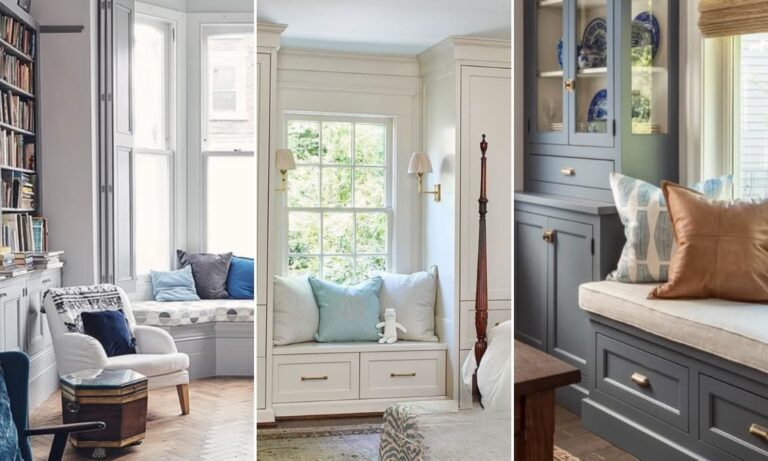
Built-in rooms work better when desk storage slides to the side. Bench-style drawers under nearby surfaces.
Handle bulky items. Keeping the sitting area open maintains comfort, window bench drawers stay easy to reach.
This method suits calm, multi-use spaces where storage should feel intentional rather than tucked under an office table.

Single Side Drawer
Clean setups benefit from restraint. One drawer unit placed under a single side delivers daily storage, positioning it away from the chair entry.
Top drawers suit everyday items, while lower ones hold backups or personal pieces, making this an easy win for small rooms.

Intentional Desk Drawer
Single built-in drawers work best. Keeping small, frequently used items inside clears the desktop. Overloading the drawer makes it frustrating to use.
Bulky items belong elsewhere. Adding a slim unit on the opposite side later balances storage, keeping the desk comfortable and practical.

Corner Cabinet Fit
Narrow nooks need storage that stays out of the way. Cabinets pushed into the left or right corners add capacity.
Corner cabinets work best for items you don’t need constantly, making this layout ideal for awkward or compact spaces.

Adjacent Low Storage
When under-desk space runs out, nearby storage at the same height keeps everything within reach.
Low cabinets or cube units beside the desk hold supplies without crowding legroom. Open shelves suit grab-and-go items.
The closed bins hide clutter. This setup works well for people who like freedom of movement while working.

Compact File Cabinet
Paper-heavy work stays organized when storage stays controlled, compact filing cabinet, fits fully under the desk.
Keeps legs clear and movement easy. Every day, paperwork belongs in the top drawers, with less-used files stored below.
Positioning the cabinet to one side improves comfort and keeps the work looking clean and professional.

Movement-First Storage
Comfort lasts longer when storage follows how you sit. A drawer unit aligned with the desk edge lets your chair slide in naturally.
Shallow, organized drawers prevent daily clutter from digging in. Leaving a small gap behind the unit protects cables.
Protect airflow, creating storage that feels built-in while keeping the workspace light and easy to use and works well.

Rolling Drawer Flex
Workflows that change benefit from storage that moves with them. A small rolling drawer unit slides out when needed.
Tucks away to free legroom. Top drawers handle everyday tools, while lower ones store backups, locking wheels.
Keep everything stable during work, making this a flexible solution for shared or multi-tasking setups for this.

FAQs
How do you choose the right under-desk storage without losing comfort?
Start by watching how you sit, move, and slide your chair in and out. Storage should never sit directly where your knees or feet naturally go.
Side placement works better than center placement, and shallow drawers beat deep ones for daily use. If storage forces you to adjust your posture, it’s the wrong choice.
What’s the biggest mistake people make with under-desk storage?
Trying to fit too much under the desk. Overloading the space leads to cramped legs, crushed cables, and constant frustration.
Storage should support your work, not compete with it. When space feels tight, move storage to the sides or nearby instead of forcing everything underneath.
You may like to read!

Fasial is the founder of the Fizzy Flare. He has been a passionate blogger since 2021. He ran three different websites in the past few years. Now he is focusing on Fizzy Flare to build an audience and help them organize their life.