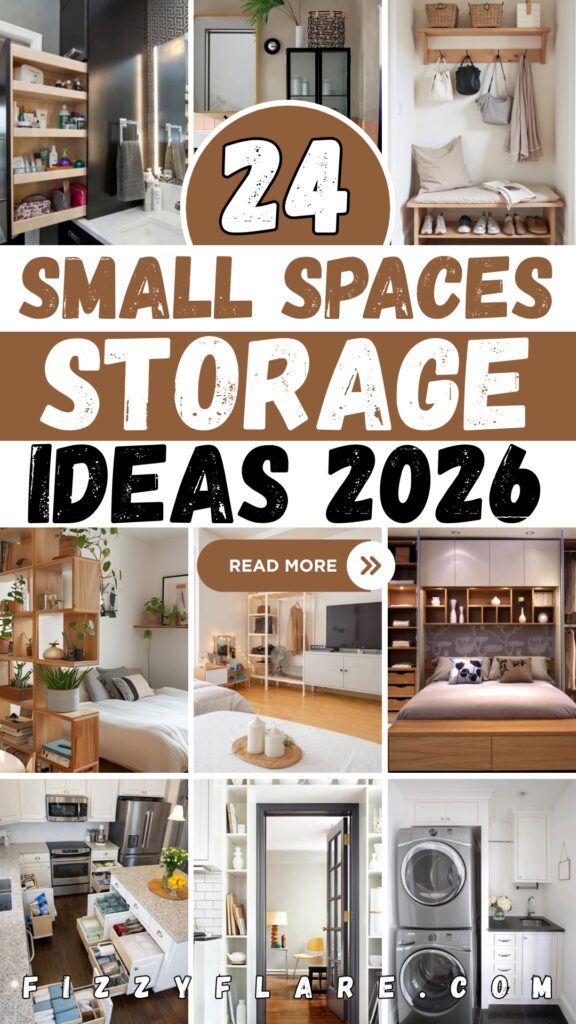
24 Storage Ideas For Small Spaces in 2026
This post may contain affiliate links: full affiliate disclosure.
You clean your space, yet it still feels messy. Things pile up because there’s nowhere to put them. Closets are full, corners are wasted.
Every new item feels like a problem instead of a purchase. If you live in a small space, this isn’t about owning too much it’s about not having the right storage.
You just need smarter ways to use the space you already have. This article will show you exactly how to create storage where you think none exists.
You’ll find 24 Storage Ideas For Small Spaces that work in 2026.
Let’s jump in!
Contents
- 1 How to Create Storage in a Small Space?
- 1.1 Recessed Wall Storage
- 1.2 Entryway Drop Zone
- 1.3 Slim Vertical Cabinet
- 1.4 Built-In Bed Storage
- 1.5 Open Closet System
- 1.6 Storage Room Divider
- 1.7 Stacked Laundry Storage
- 1.8 Doorway Storage Wall
- 1.9 Deep Drawer Storage
- 1.10 Pull-Out Pantry
- 1.11 Zoned Closet Layout
- 1.12 Vertical Utility Shelving
- 1.13 Modular Wall Shelves
- 1.14 Linen Closet Stacking
- 1.15 Behind-Door Storage
- 1.16 Slim Console Storage
- 1.17 Corner Wall Shelves
- 1.18 Lofted Storage Zone
- 1.19 Low Console Drawers
- 1.20 Raised Bed Storage
- 1.21 Sofa Wall Storage
- 1.22 Storage Bench Seating
- 1.23 Office Closet Storage
- 1.24 Full-Height Mirror Cabinet
- 2 FAQs
How to Create Storage in a Small Space?
Creating storage in a small space starts with changing how you want to look exactly at the space you already have.
Most of the people focus only on the floor, but storage is created by using height, corners, doors, and hidden areas.
Your home feels crowded, because everything is competing for the same visible spots. Once you spread storage across walls.
Inside multifunctional pieces, the space instantly feels more open. The goal isn’t to add more furniture, but to make every inch work for you.
Save this article for later! 👇👇
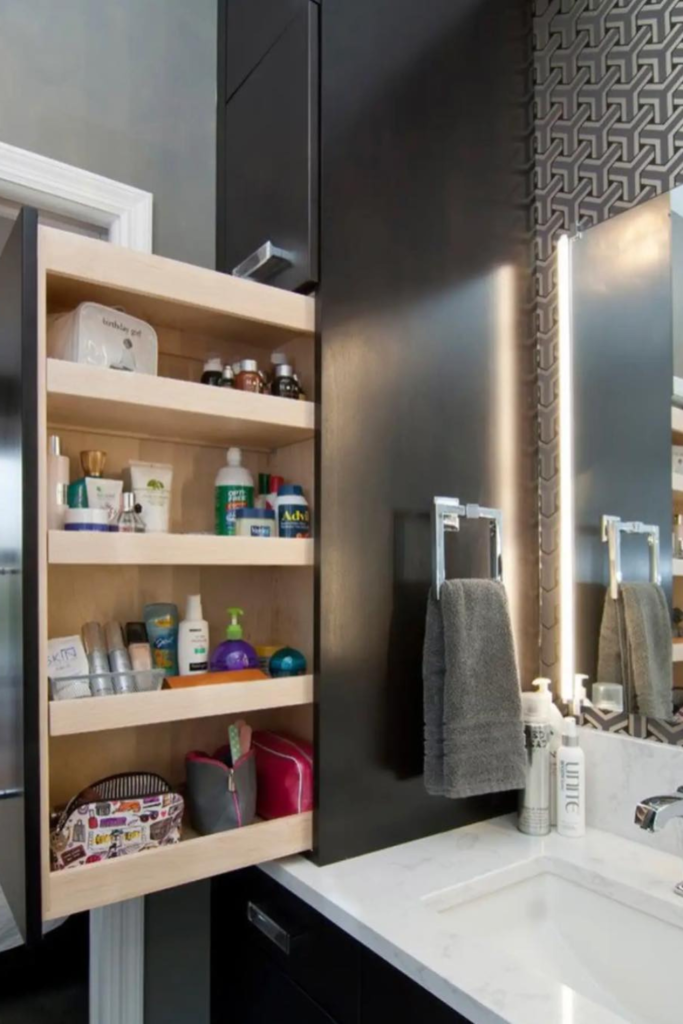
Recessed Wall Storage
Hidden space behind bathroom walls solves daily clutter in a flash. Recessed shelving works best in small bathrooms.
Create it by opening the wall between studs and installing shallow shelves with a flush door or mirror nearby.
Everyday items stay visible but contained. Soft ambient vanity lighting handles general brightness, mirror lighting adds clean task light.
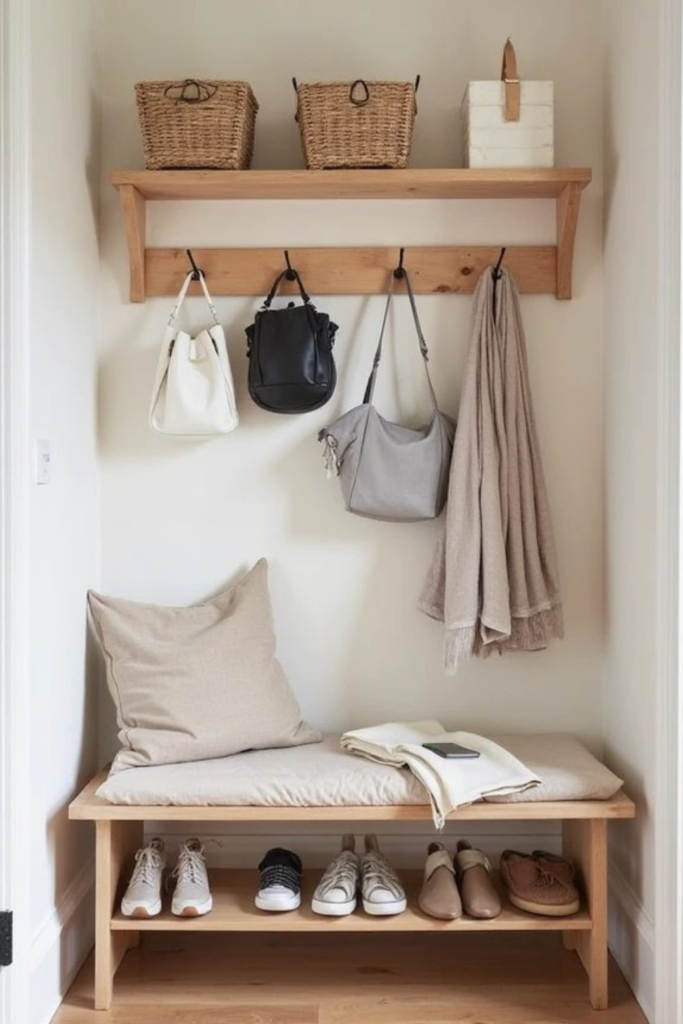
Entryway Drop Zone
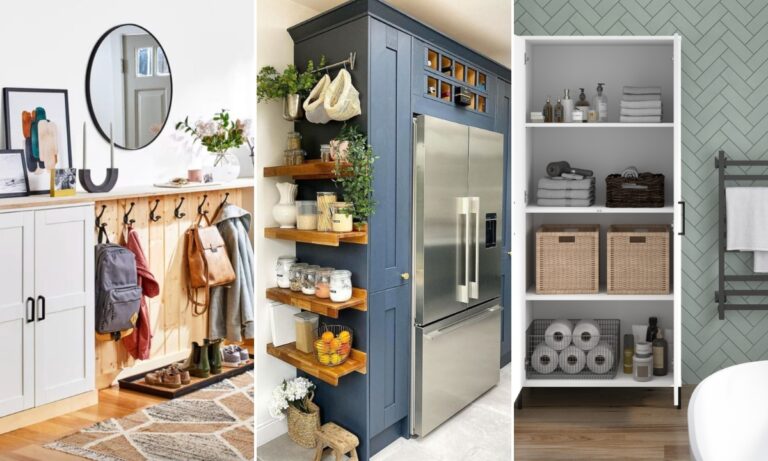
No closet doesn’t mean no storage. Turn a narrow entry wall into a drop zone by stacking storage vertically.
Start with a bench to handle shoes and daily bags, then add hooks for grab-and-go items. A single shelf above.
Keeps baskets out of the way, but easy to reach. Natural light and ambient lighting to keep the space calm.
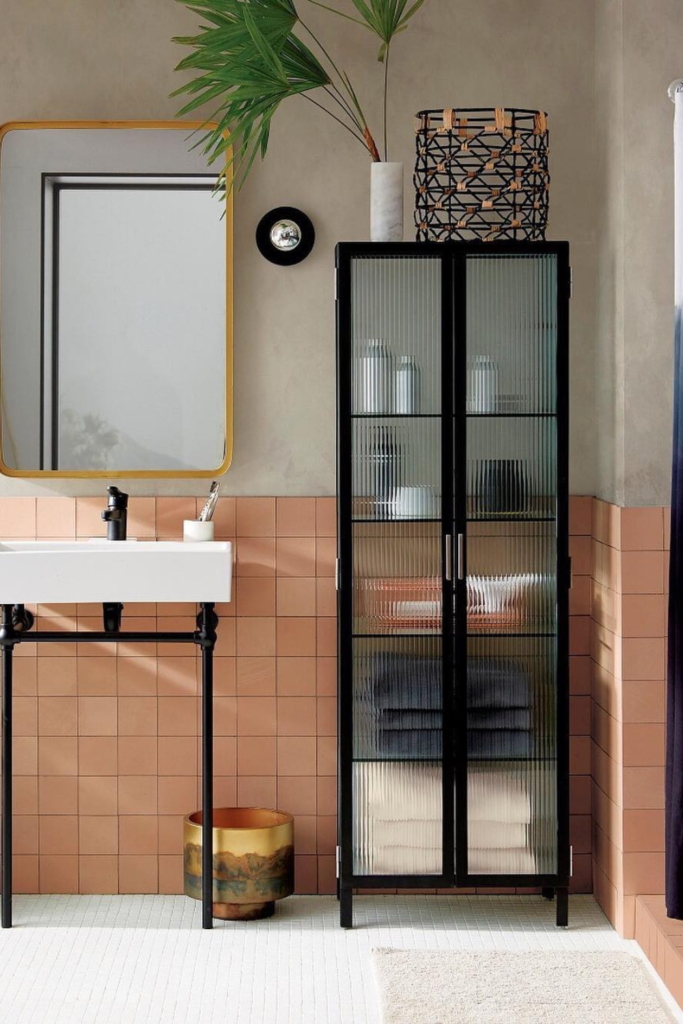
Slim Vertical Cabinet
Tall storage fixes what wide furniture breaks in small bathrooms. A narrow cabinet pulls storage upward.
Making it ideal for tight floor plans. Recreate it with a glass-front or open-shelf unit to keep things visible.
Ambient wall lighting handles overall brightness, while soft accent light through glass keeps the cabinet from feeling heavy.
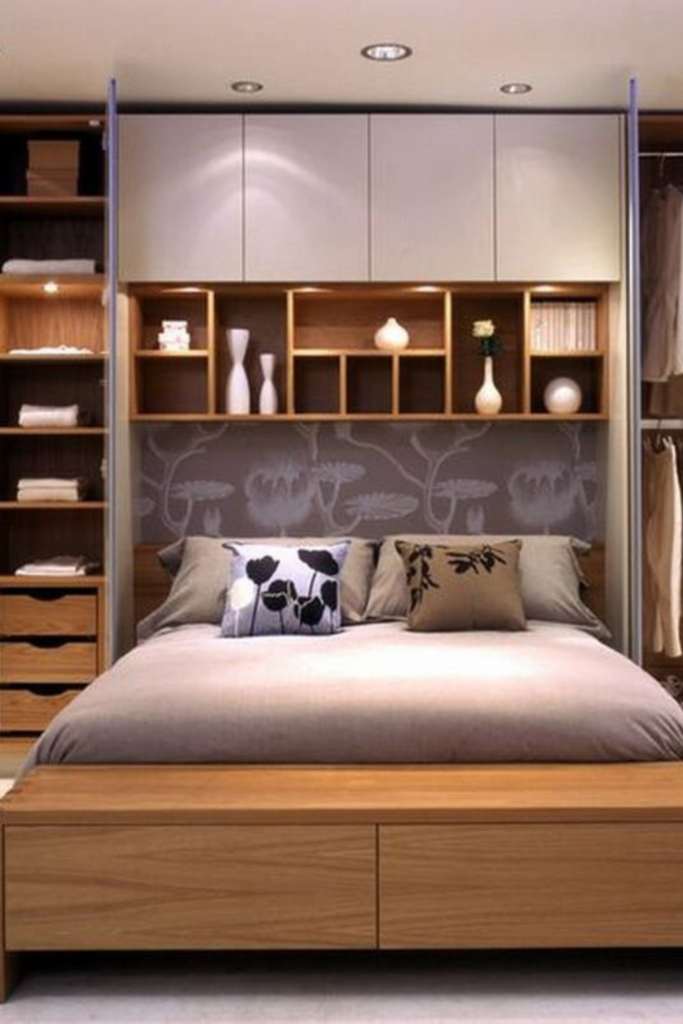
Built-In Bed Storage
Walls around the bed are usually wasted, yet they can hold an entire wardrobe. Overhead cabinets hold rarely used items.
Surrounding the bed with floor-to-ceiling storage works best in small bedrooms. Use modular cabinets or custom shelving.
Side sections serve as dressers. Recessed ceiling lights provide ambient light, and warm shelf lighting adds a soft accent glow.
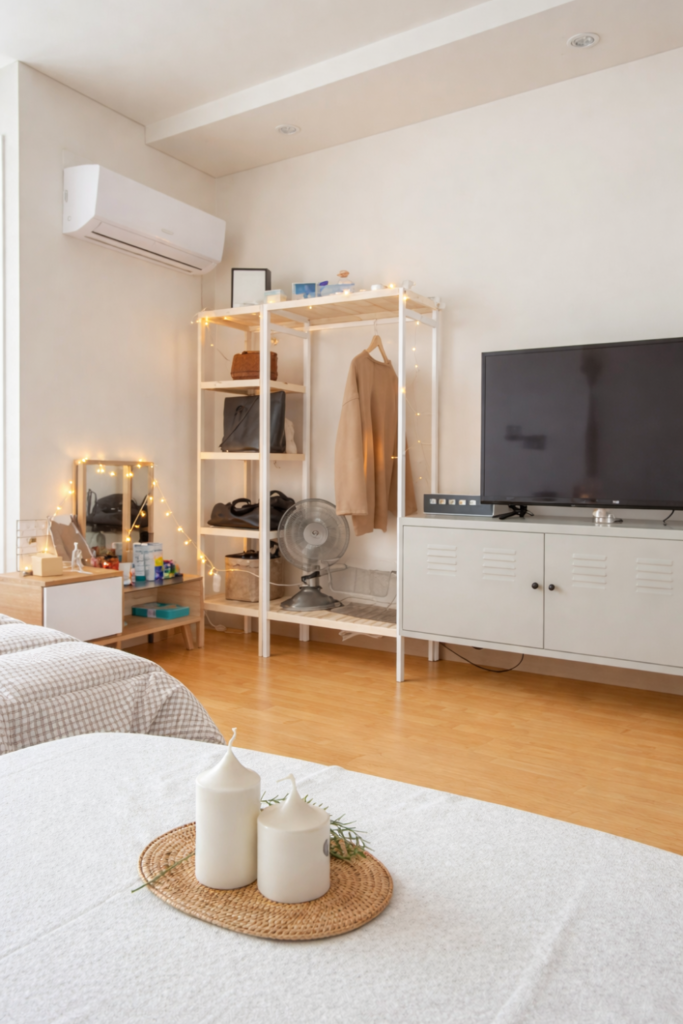
Open Closet System
Closed wardrobes eat visual space fast. An open rack setup works best in small bedrooms where bulky closets make the room feel tighter.
Build it using a simple frame, shelves, and a hanging rail to keep everything visible and easy to reach. Limit clothing to daily wear to avoid clutter.
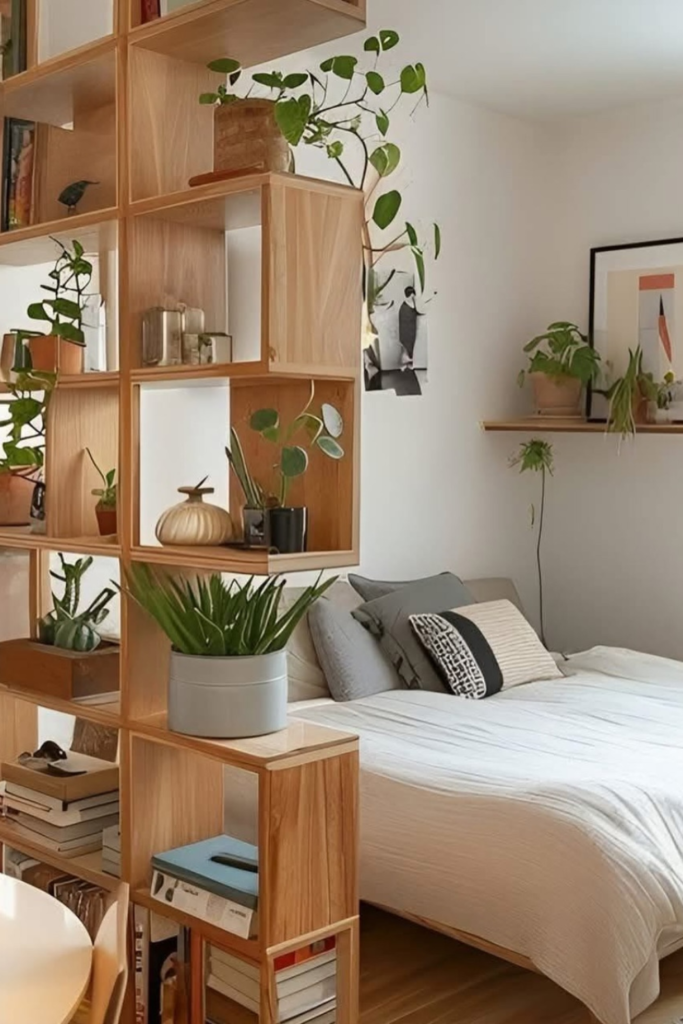
Storage Room Divider
One wall can do two jobs at once, shelving divider works best in studio apartments or bedrooms that double as living spaces.
Build it using open cubed shelves so light still passes through while storage grows vertically. Books, plants, and baskets.
Keep it balanced. Daylight provides most of the brightness, with pendant or wall-mounted accent lighting nearby.
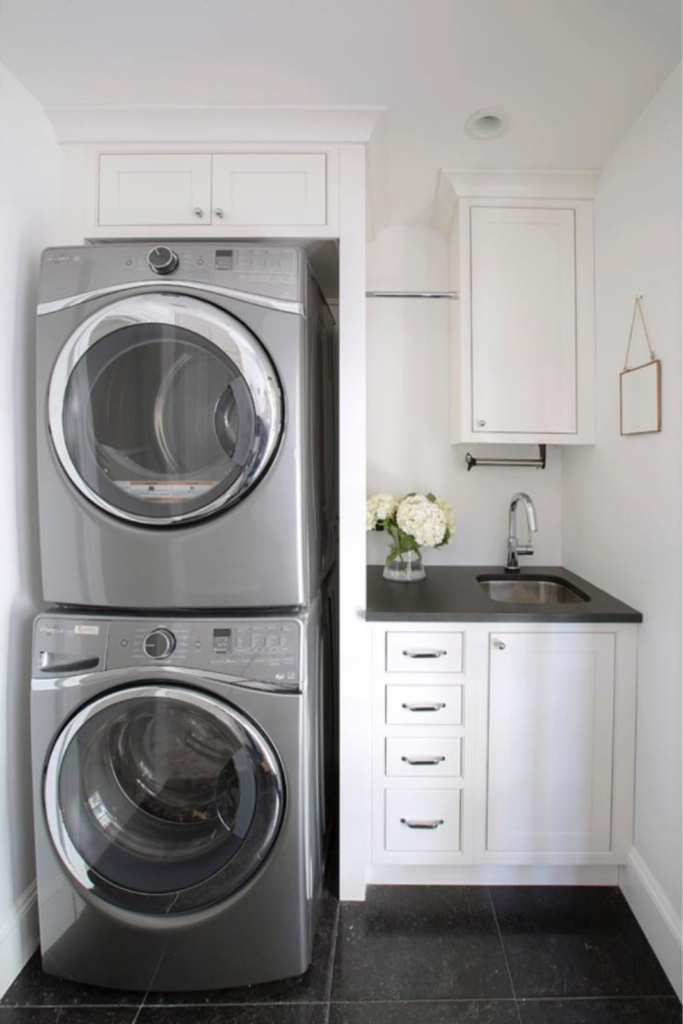
Stacked Laundry Storage
Floor space disappears fast when laundry spreads sideways. Stacking washer and dryer units works best in apartments.
Use the side wall for cabinets and drawers to store detergents and cleaning tools. Everything stays in one zone without clutter.
Recessed ceiling lights provide even ambient lighting, while under-cabinet lighting adds clear task light for daily use.
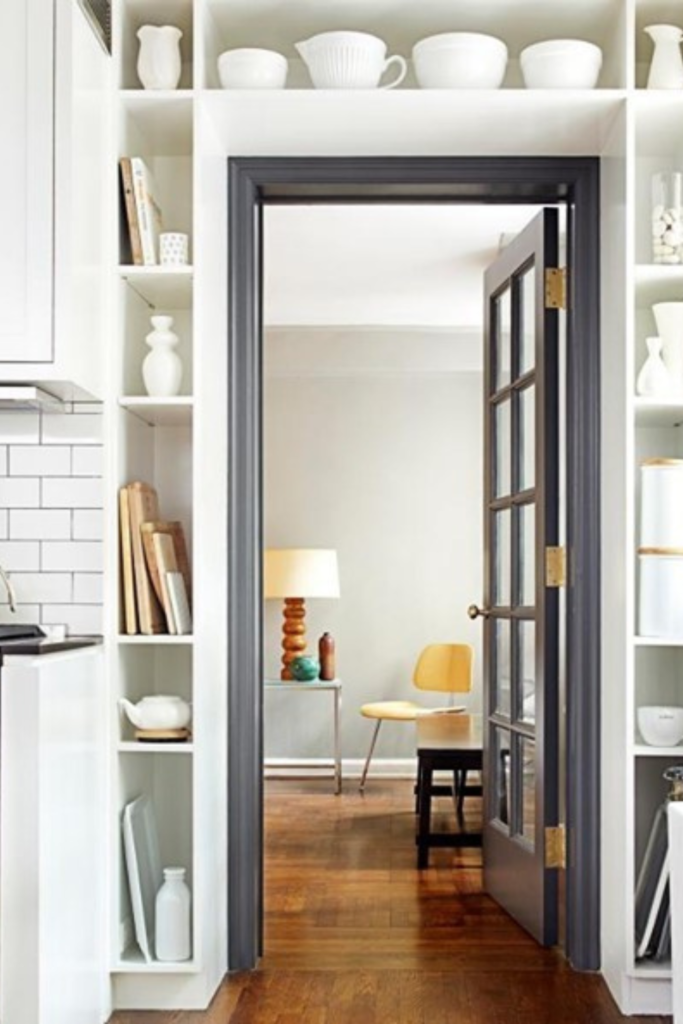
Doorway Storage Wall
Doorways hide serious storage potential. Wrapping a doorway with built-in shelves works best in small kitchens.
Adding shallow shelving around the frame to store dishes, books, or decor without blocking the path.
Overhead ambient lighting keeps the area well-lit, while nearby task lighting supports kitchen work areas.
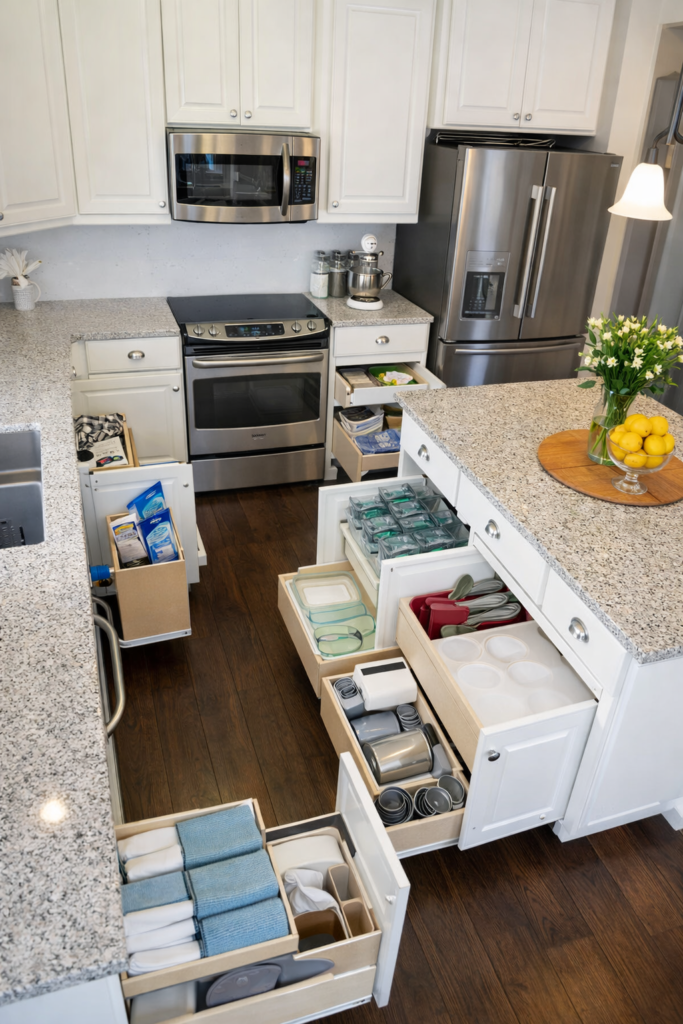
Deep Drawer Storage
Cabinets hide chaos when everything stacks on shelves. Deep drawers fix that by pulling storage forward.
Swapping the lower cabinets for full-extension drawers with dishware and cookware dividers. Items stay visible and easy to grab.
Recessed ceiling lights provide ambient light, while pendant lighting adds focused task light over work surfaces.
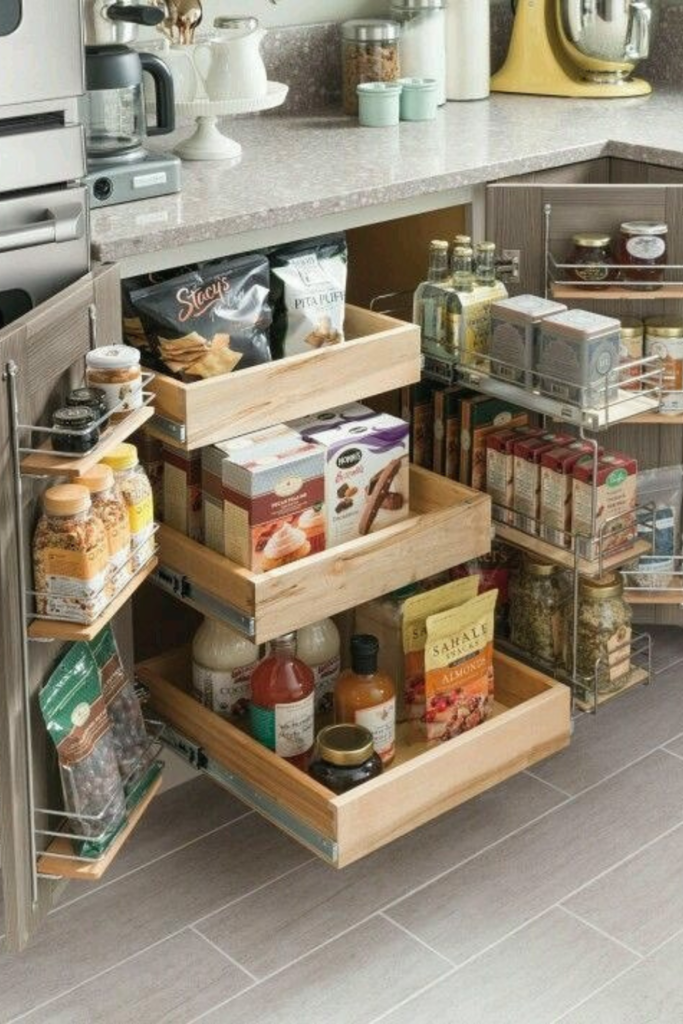
Pull-Out Pantry
Corner cabinets waste space when shelves trap items in the back. Install sliding trays or wire racks that extend fully.
A pull-out pantry turns dead corners into easy-access storage, making it ideal for small kitchens with limited pantry space.
Group items by use. Bright ambient ceiling lights cover the area, under-cabinet lighting provides clear task lighting.
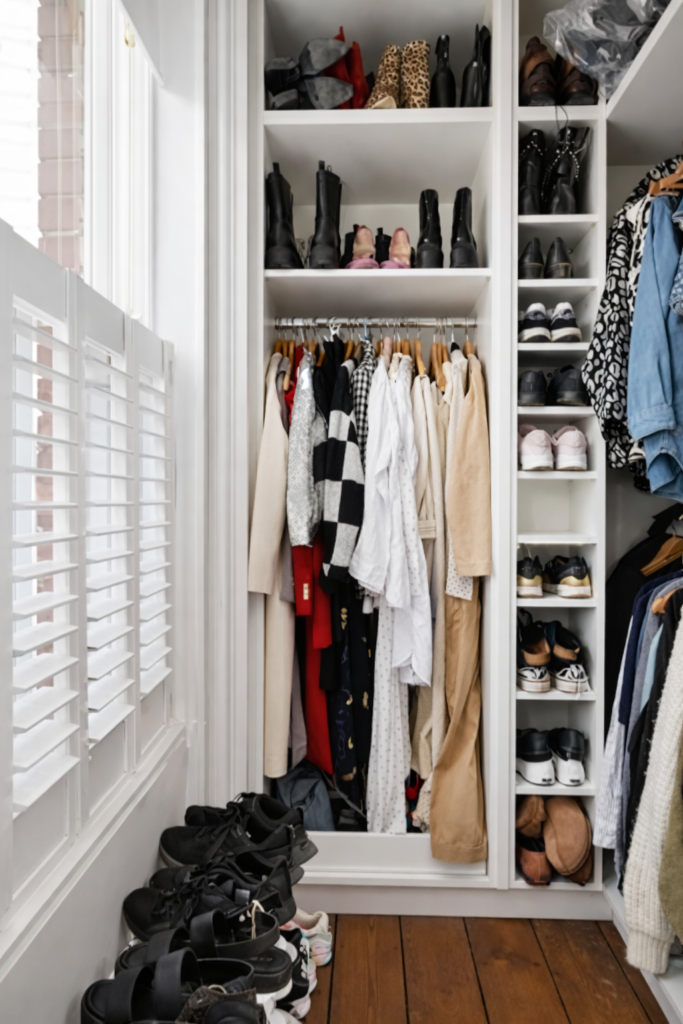
Zoned Closet Layout
Messy closets happen when everything is crammed into the same space. Zoning fixes that by giving each category.
This setup works best in small walk-in or reach-in closets. Create vertical sections for shoes and hanging clothes.
Daily-use pieces stay at eye level. Natural window light leads, supported by soft overhead ambient lighting for visibility.
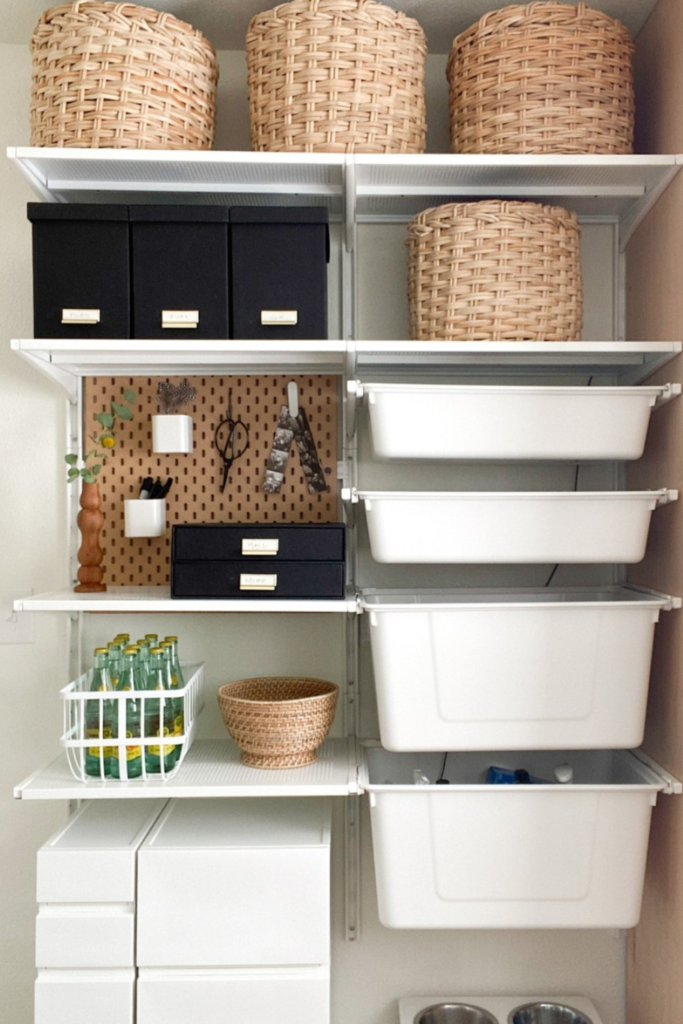
Vertical Utility Shelving
Cleaning supplies spread out fast. Vertical shelving pulls everything upward and keeps bulky items off the floor.
Making it perfect for laundry rooms, closets, or utility corners. Use adjustable wall-mounted shelves and labeled bins.
Keep heavier items lower for safety. Bright overhead ambient lighting handles visibility, pegboard accents focused task light.
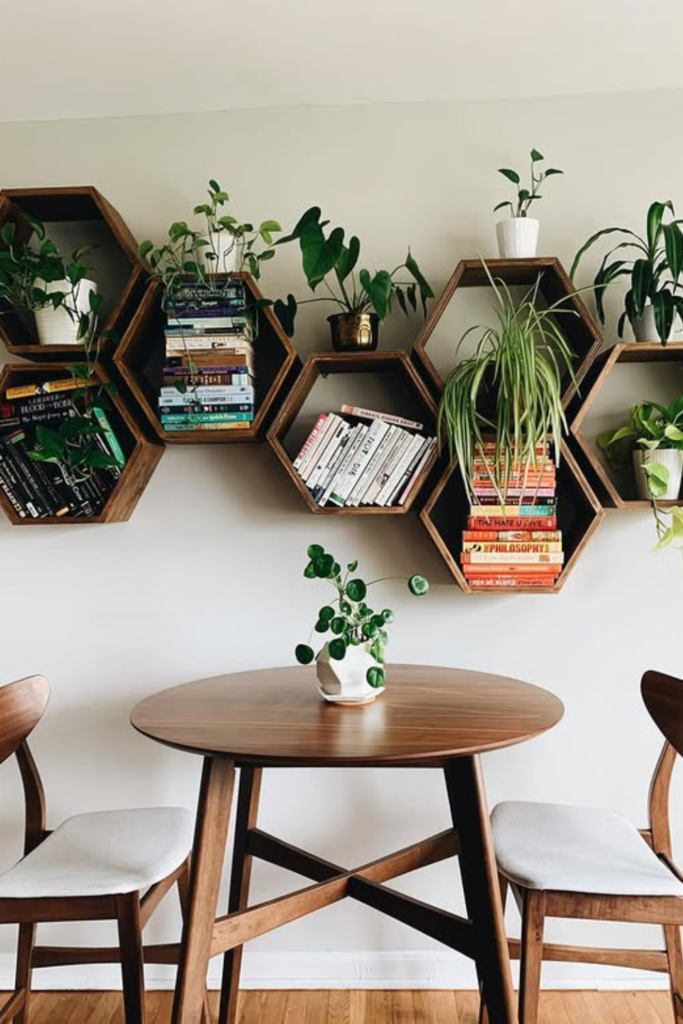
Modular Wall Shelves
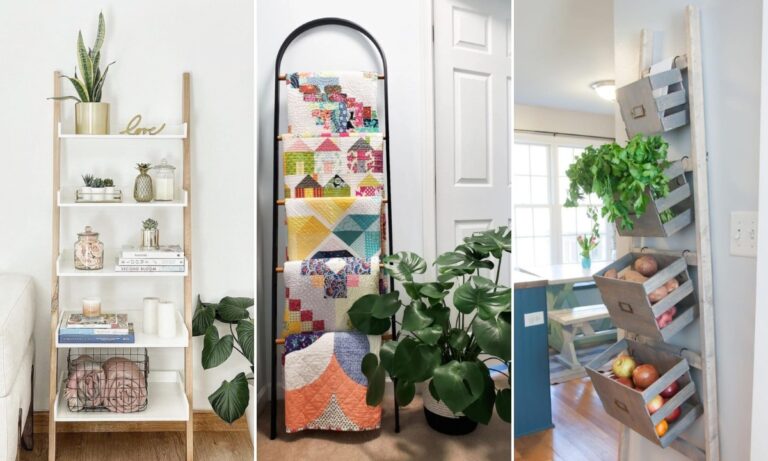
Empty walls are wasted storage waiting to happen. Modular wall shelves work best in dining areas, small living rooms.
Install individual units to spread storage without blocking light or movement. Mix books with plants to keep it visually light.
Natural daylight provides most of the lighting here, supported by soft ambient ceiling light to balance the wall.
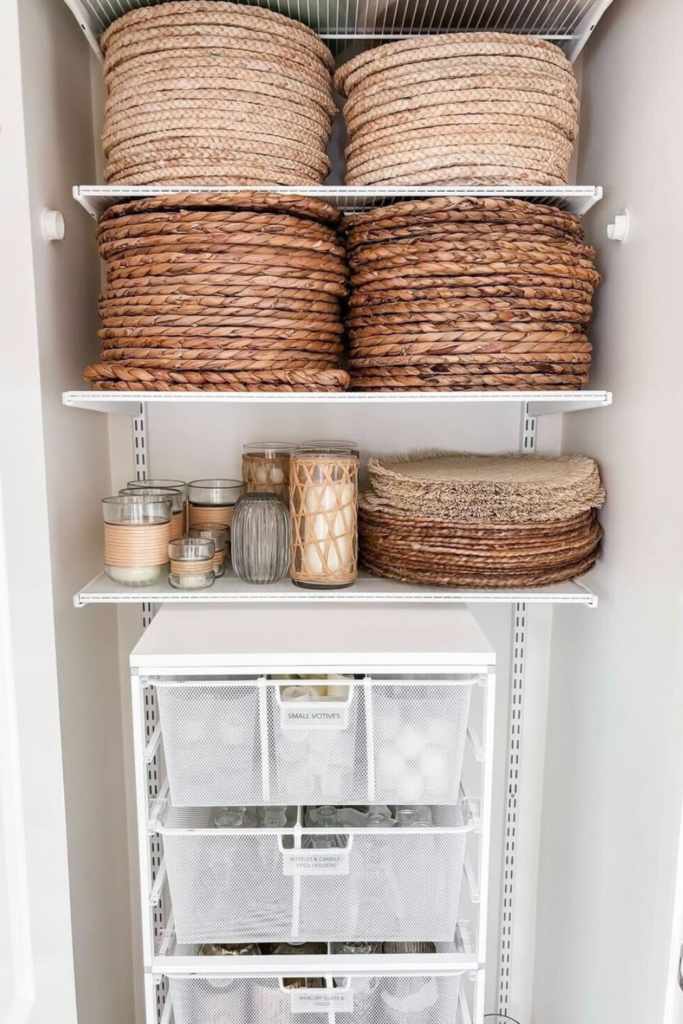
Linen Closet Stacking
Storage fails when shelves aren’t planned for bulky items. Stacking wide baskets on adjustable shelves works best.
Use matching containers to keep things calm and easy to grab, then reserve lower drawers for smaller essentials.
Overhead ambient lighting covers visibility, while closet-specific LED strip lighting adds clear task light where needed.
Behind-Door Storage
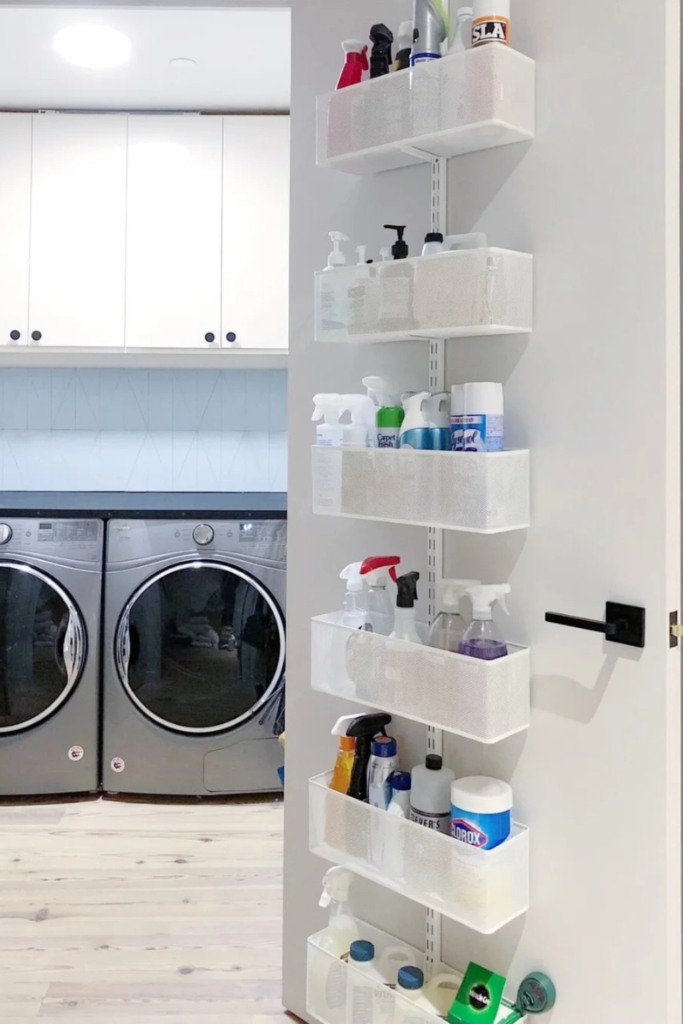
Cleaning supplies don’t need a whole cabinet to themselves. Using the back of a door creates vertical storage.
Stays out of sight but is easy to reach. Mount slim bins or racks that hold bottles securely without hitting the door frame.
Ceiling ambient lighting covers the room, while nearby task lighting keeps labels visible when grabbing supplies.
Slim Console Storage
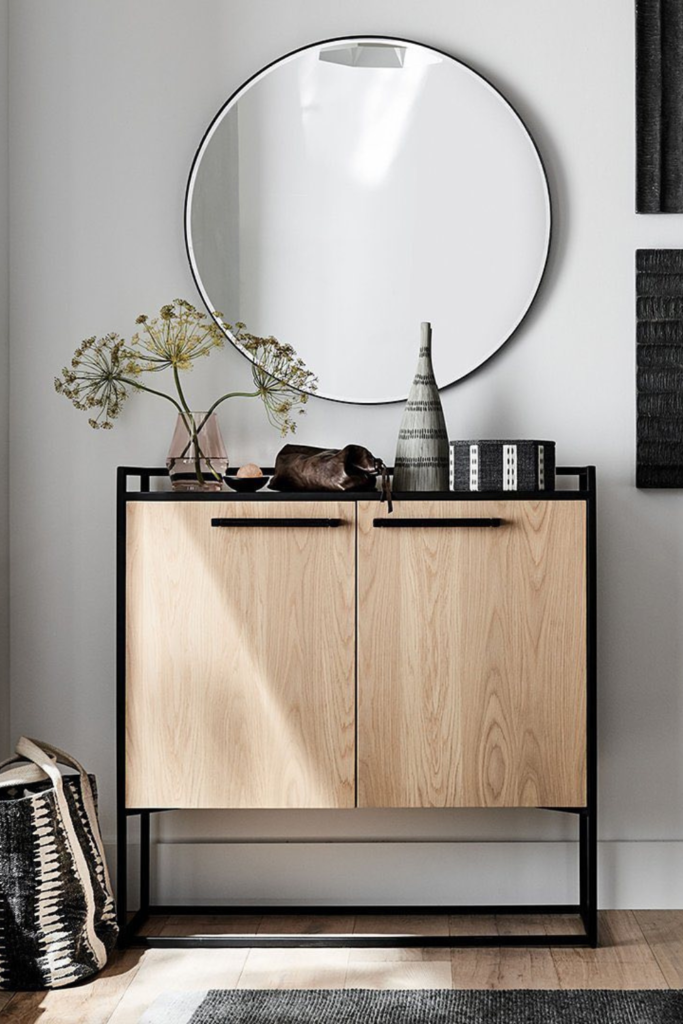
Bulky cabinets overwhelm small rooms fast. A slim console creates closed storage without eating up floor space.
Choose a narrow-depth unit that hides everyday clutter while keeping the surface usable. Keep decor minimal.
Natural daylight handles brightness here, supported by soft ambient ceiling lighting to keep the area balanced.
Corner Wall Shelves
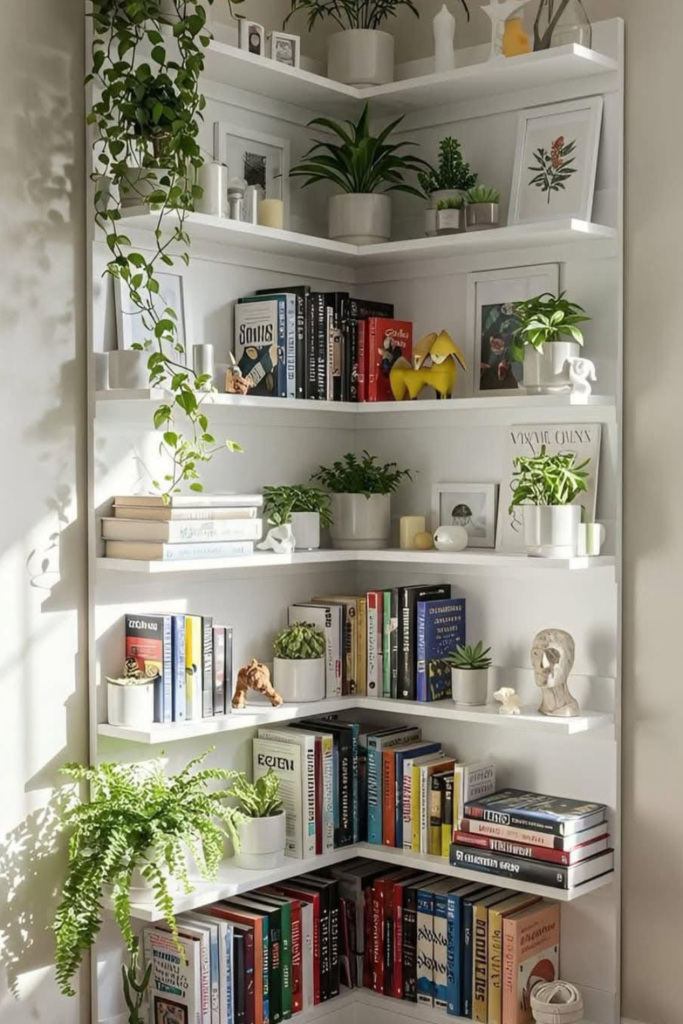
Wrapping shelves around a corner turns dead space into vertical storage, perfect for living rooms, bedrooms, or reading nooks.
Build shallow shelves so the corner stays light instead of bulky. Mix books with plants to avoid visual clutter.
Natural daylight serves as the main source, supported by soft ambient lighting to keep the shelves from fading into shadow.
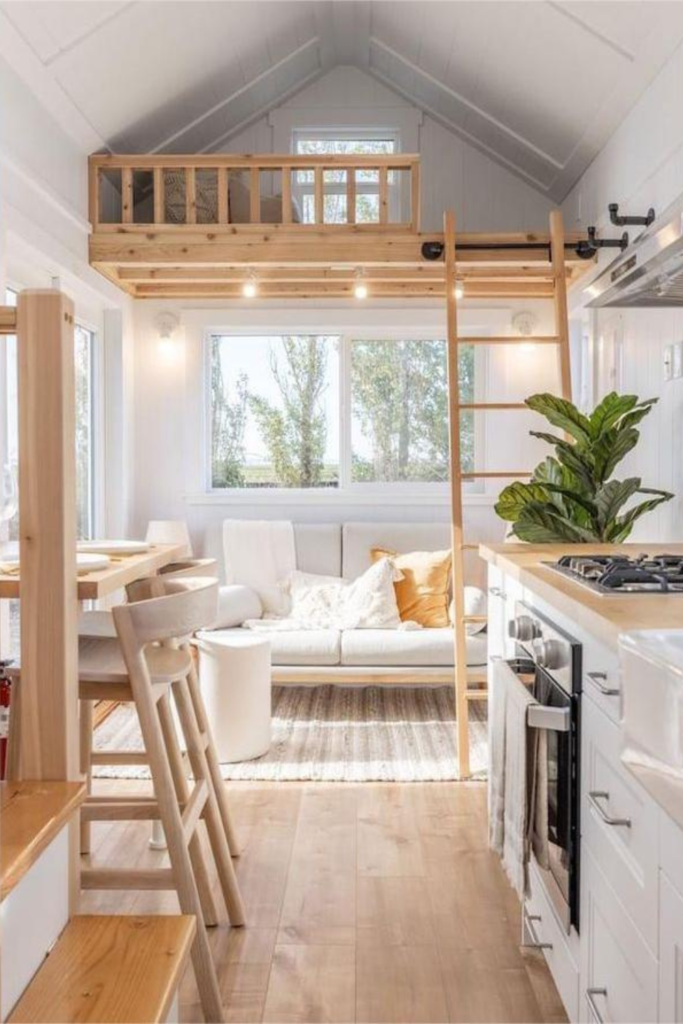
Lofted Storage Zone
A lofted platform creates storage or sleeping space above daily living areas, making it ideal for tiny homes or studios.
Build it with sturdy framing and keep lower zones open to avoid crowding. Use built-in stairs or ladders for access.
Large windows provide natural light, supported by recessed ceiling lights and warm accent lighting under the loft.
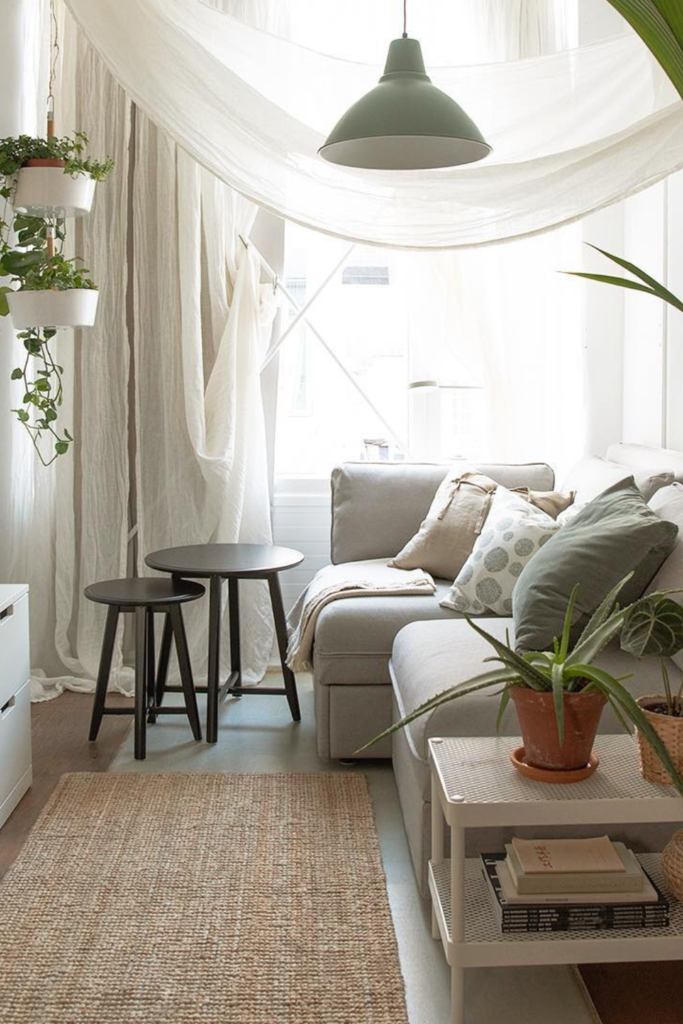
Low Console Drawers
When storage stays low and wide, a small room feels calmer. A low console with drawers works best in living rooms.
Choose a long, shallow unit to store daily items while keeping the surface usable for decor. Keep drawer contents simple.
Clutter doesn’t creep back. Natural daylight leads here, supported by a single pendant or floor lamp for soft ambient lighting.
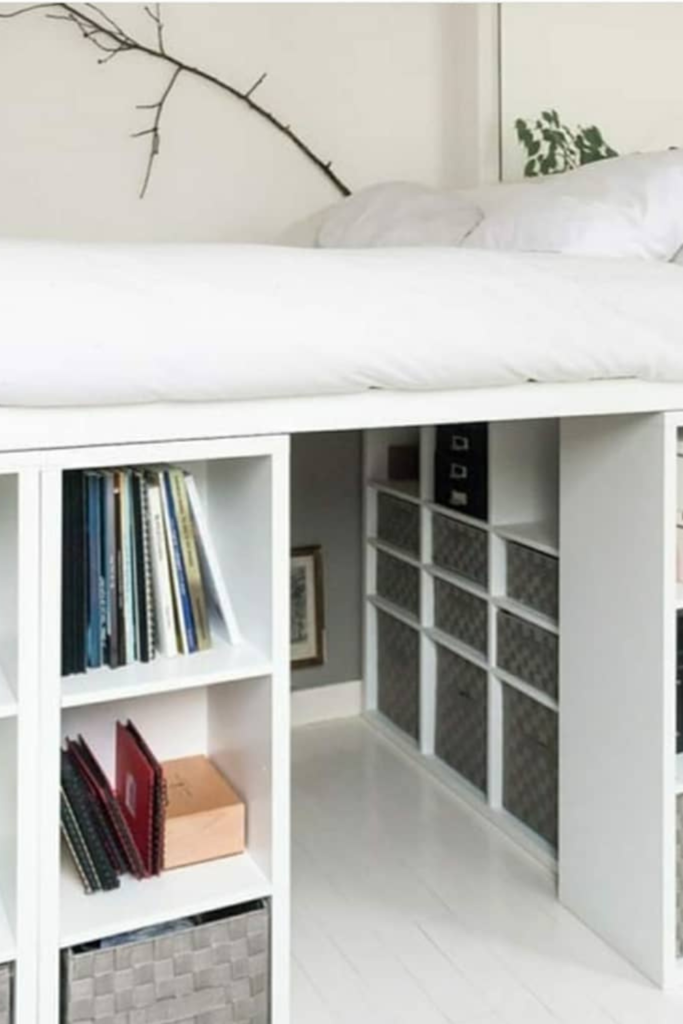
Raised Bed Storage
Beds take up the most space, so they should work harder to fit. Build cubbies or drawers under the platform.
Lifting the bed on a storage base creates room for books, bins, and everyday essentials without adding furniture.
Keep categories clear. Natural daylight handles brightness, supported by soft ambient ceiling lighting for balance.
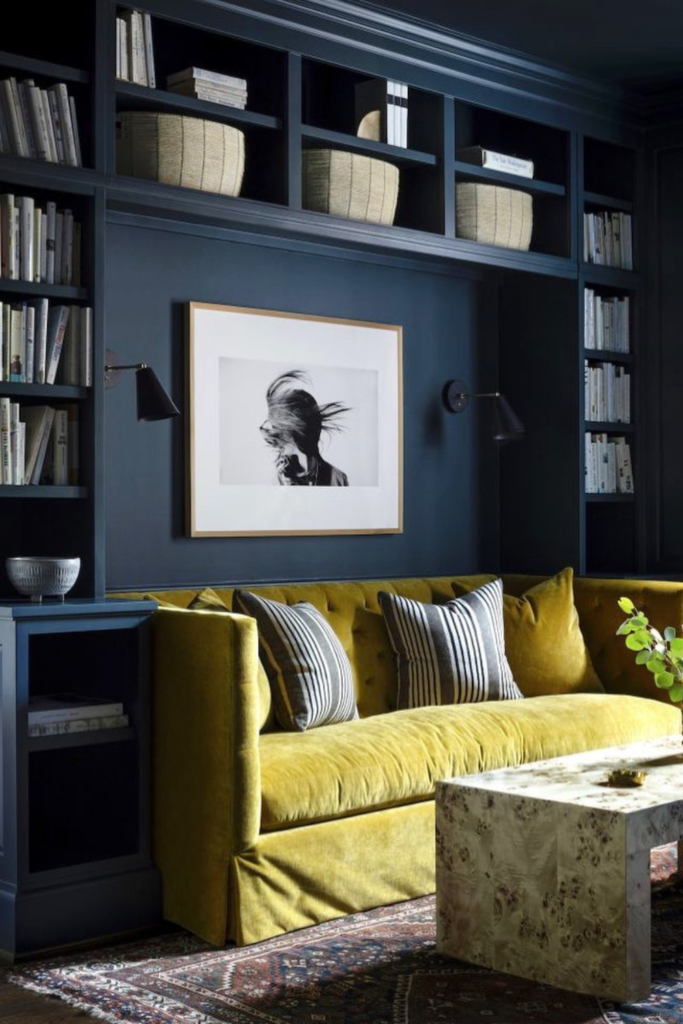
Sofa Wall Storage
Living rooms lose storage when walls stay decorative only. Built-in shelving around a sofa turns one wall into hidden storage.
Build shelves above and beside seating to hold books and baskets while keeping reach comfortable.
Soft ambient ceiling lighting sets the mood, while wall-mounted sconces add focused accent light for reading.
Storage Bench Seating
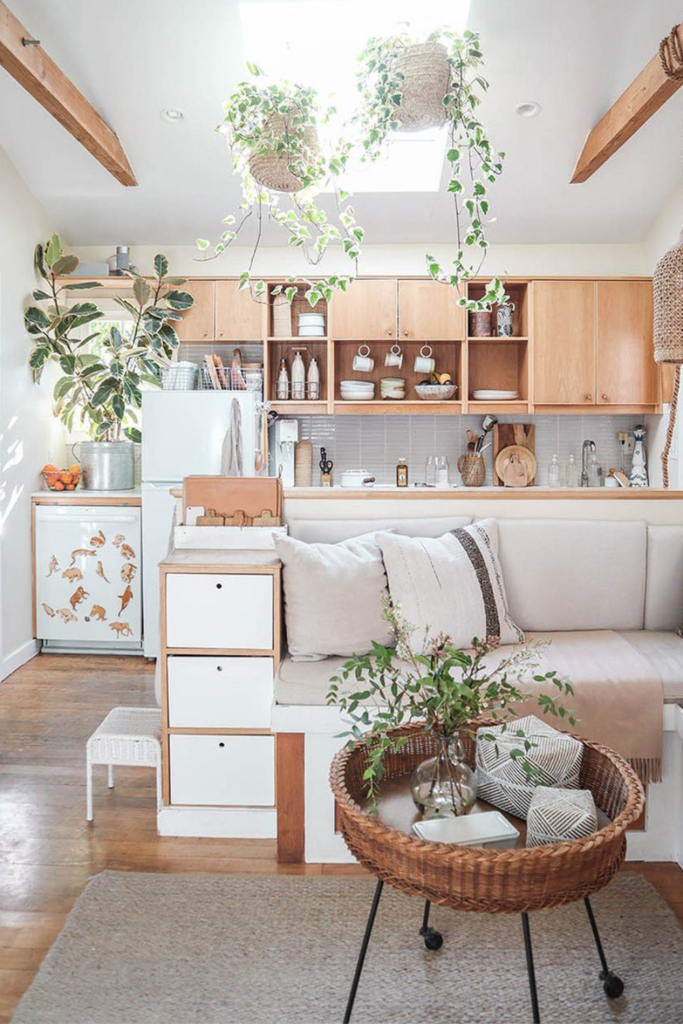
Seating can store more than people. A built-in bench with drawers works best in small living rooms or open kitchens.
Build storage into the base to hide everyday items while keeping the top clear for seating. Use shallow drawers.
Natural daylight leads the space, supported by soft ambient ceiling lights and warm pendant lighting for balance.
Office Closet Storage
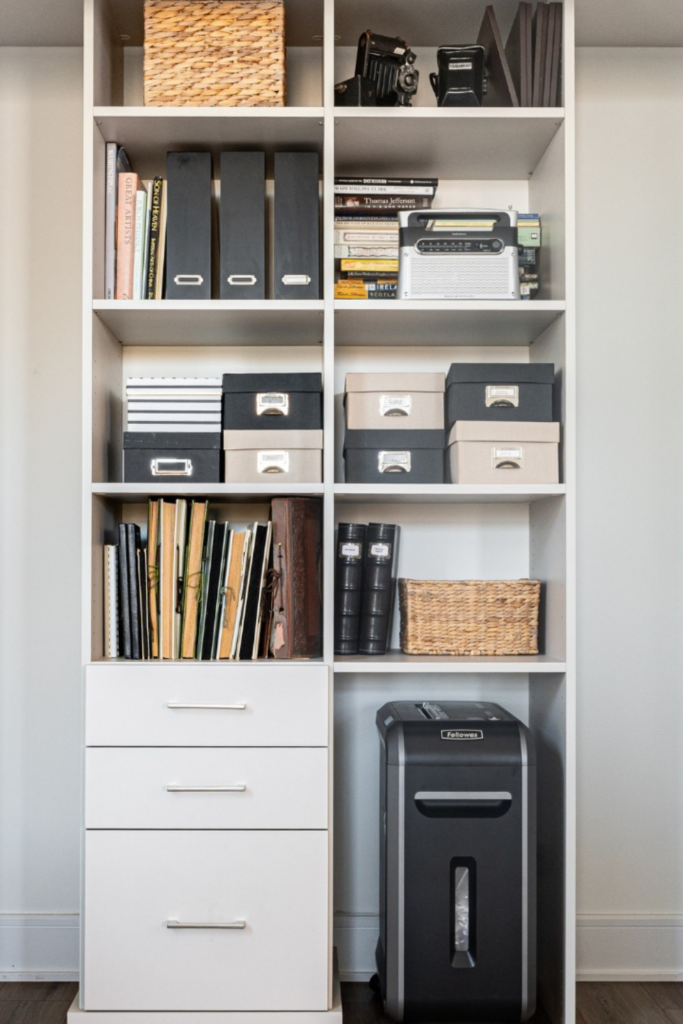
Paper clutter grows fast when work zones spill into the living space. Turning a closet into office storage works best.
Use vertical shelves for files and bins. Anchor the layout with drawers for supplies. Keep heavier items low for balance.
Overhead ambient lighting maintains even visibility, while a small task light helps when sorting documents.
Full-Height Mirror Cabinet
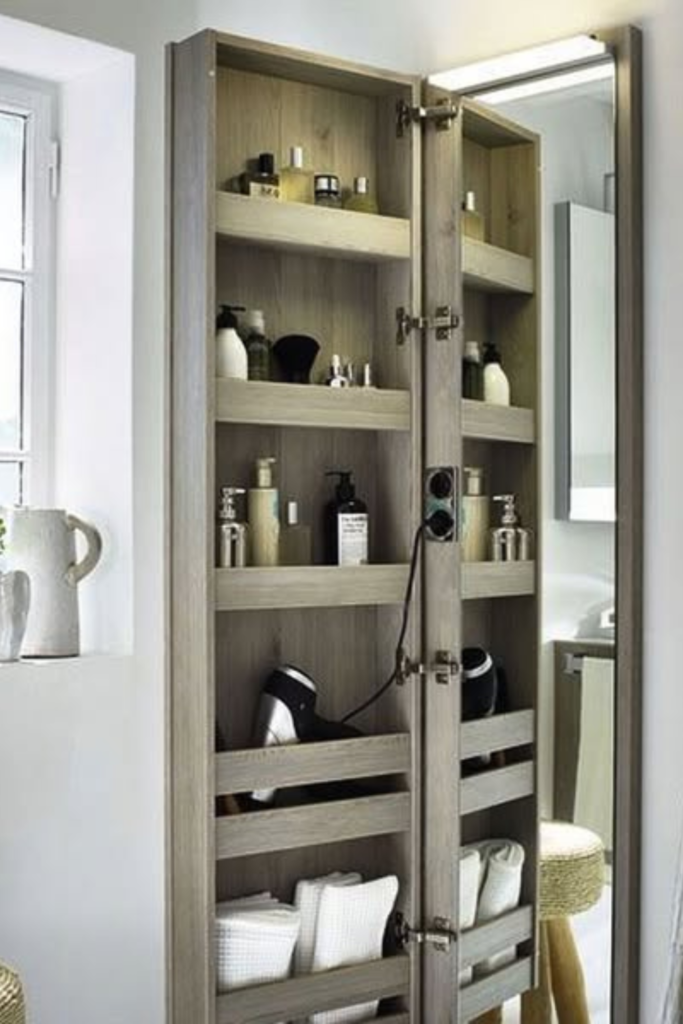
Bathrooms feel smaller when storage stays shallow. Choose adjustable interior shelves to neatly store bottles and tools.
A tall mirror cabinet solves two problems at once by hiding daily essentials behind a reflective surface.
Natural window light bounces off the mirror, while integrated mirror lighting adds focused task light for grooming.
FAQs
How do I add storage without making my space feel smaller?
Start by moving storage off the floor. Wall-mounted shelves, tall cabinets, and behind-door organizers free up walking space and reduce visual clutter.
Keep storage shallow and vertical to keep the room open. When storage rises rather than spreads outward, the space feels lighter and easier to move through.
What storage mistakes make small spaces look messy?
Mixing too many storage types creates visual noise. Open shelves filled with random items, oversized furniture, deep cabinets that hide clutter all work against you.
Stick to clear zones, matching containers, and storage that fits the scale of the room so everything has a clear purpose and place.
You may like to read!

Fasial is the founder of the Fizzy Flare. He has been a passionate blogger since 2021. He ran three different websites in the past few years. Now he is focusing on Fizzy Flare to build an audience and help them organize their life.