25 Small Apartment Organization Ideas For 2026
This post may contain affiliate links: full affiliate disclosure.
If you’re in a tiny apartment, this is probably a familiar struggle: despite your best efforts, the place still feels cluttered.
You try storage bins, baskets, and shelves, but the space seems to shrink, not improve. It’s not that you’re a poor organizer.
The problem is that much of the “organization advice” out there simply doesn’t translate well to small living areas. Small spaces have their own set of rules.
In this article, I will share 25 must-try Small apartment organization ideas for a more functional home in 2026.
Let’s jump in!
Contents
- 1 What Are the Best Storage Solutions for Very Small Apartments?
- 2 What Furniture Works Best for Small Apartment Organization?
- 2.1 Vertical Library
- 2.2 Soft Zoning
- 2.3 Stacked Laundry
- 2.4 Loft Living
- 2.5 Bar Storage
- 2.6 Hidden Seating
- 2.7 Glass Storage
- 2.8 Open Shelving
- 2.9 Loft Storage
- 2.10 Sloped Storage
- 2.11 Wall Bed
- 2.12 Bed Alcove
- 2.13 Compact Layers
- 2.14 Storage Base
- 2.15 Arch Division
- 2.16 Low Profile
- 2.17 Soft Division
- 2.18 Color Zoning
- 2.19 Round Dining
- 2.20 Ceiling Tracks
- 2.21 Mobile Walls
- 2.22 Door Backs
- 2.23 Depth Control
- 2.24 Corner Anchors
- 2.25 Routine Zones
- 3 FAQs
What Are the Best Storage Solutions for Very Small Apartments?
In a tiny apartment, storage is a game of making the most of what you’ve got. If you cram in big cabinets or a bunch of bins, you’ll just make the place feel even more cramped.
The smartest storage ideas keep things off the floor and near where you actually need them.
Think wall shelves, over-the-door hooks, storage under the bed, and vertical racks – they all work because they don’t take up any of your precious walking space.
But remember, storage is only useful once you’ve figured out what you actually need to keep. If you try to store everything, no matter what system you use, it’ll never feel truly organized.
Save this article for later! 👇👇
What Furniture Works Best for Small Apartment Organization?
In a small apartment, the right furniture is paramount, far more so than the amount of storage.
Oversized pieces or those with a single function quickly consume precious square footage. The ideal furniture, however, pulls double duty.
Consider beds with built-in drawers ottomans that open up to reveal hidden compartments, benches that offer storage, and tables that can be folded or tucked away.
If a piece is immobile or offers no storage, its probably not a good fit for a compact living space. Select furniture that conceals clutter, rather than showcasing it.
Vertical Library
Floor space disappears fast when books sit in piles or bulky shelves. Mounting slim wall shelves keeps everything off the ground.
Transform a wall into a tidy storage solution. Keep your books on display, find a spot for the TV, and incorporate decorative items.
Achieve this by installing flexible wall shelving and arranging books by height, allowing the design to expand vertically.

Soft Zoning
Open kitchens feel messy when everything blends together. Using a sofa as a visual divider creates a clear living zone without adding walls.
Closed upper cabinets conceal kitchen mess, leaving only tidy surfaces on display. To achieve a similar effect.
Pull sitting a bit forward from the kitchen’s edge and ensure all storage behind it is completely enclosed.

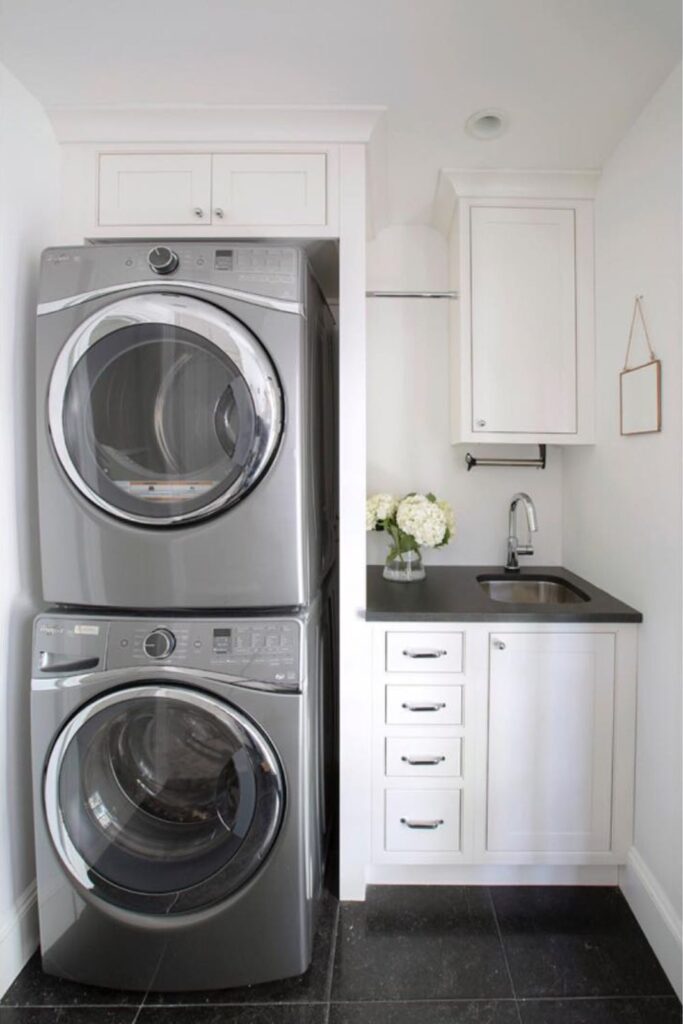
Stacked Laundry
Laundry eats space fast when machines sit side by side. Stacking the washer and dryer turns one narrow wall into a full utility zone.
Upper cabinets are perfect for stashing detergents and cleaning goods. The compact sink offers utility without consuming too much space.
This setup shines in areas like hallways, bathrooms or closets where horizontal space is at a premium, but vertical space isn’t.
Loft Living
Sleeping above the room changes how much space you actually have. Raising the bed frees the entire floor for work, seating.
and storage, rather than cramming everything into a single, cramped area. This arrangement is particularly effective in studios with lofty ceilings.
To replicate it build a sturdy loft frame and designate specific functions for the space beneath ensuring every inch is utilized effectively.

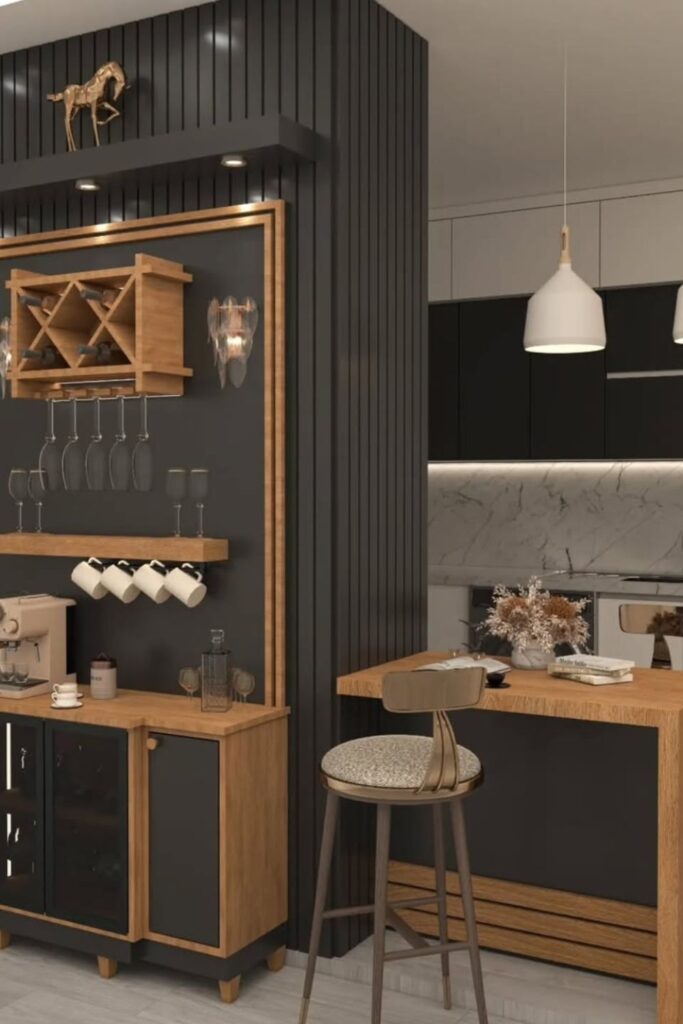
Bar Storage
Entertaining usually creates clutter because bottles, glasses, and appliances have no fixed home.
A vertical bar unit addresses the issue by consolidating everything into a single, slender space. Glass racks wine slots and enclosed the cabinets offer visibility while maintaining order.
This approach is particularly effective along walls that aren’t otherwise utilized, especially near kitchens.
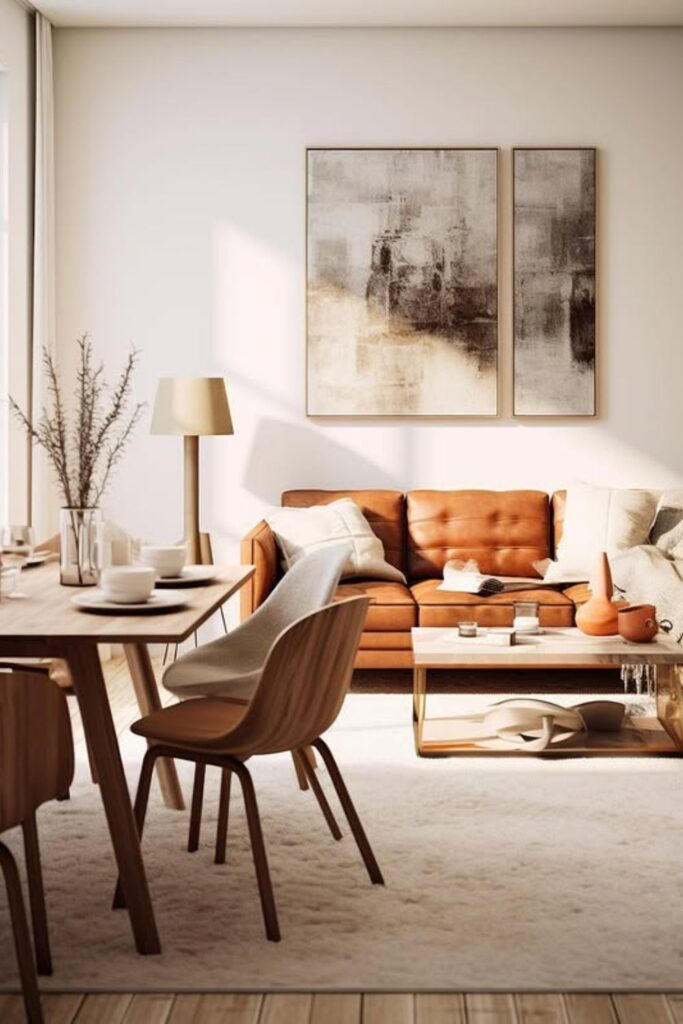
Hidden Seating
Living rooms feel crowded when furniture does nothing beyond sitting there. A low-profile sofa paired with a slim coffee table keeps the room open.
While still providing storage and a place to set things down, furniture with exposed legs and simple designs creates the illusion of greater space by making the floor visible.
This approach is particularly effective in open plan living and dining areas, where a sense of flow is more important than cramming in the extra pieces.
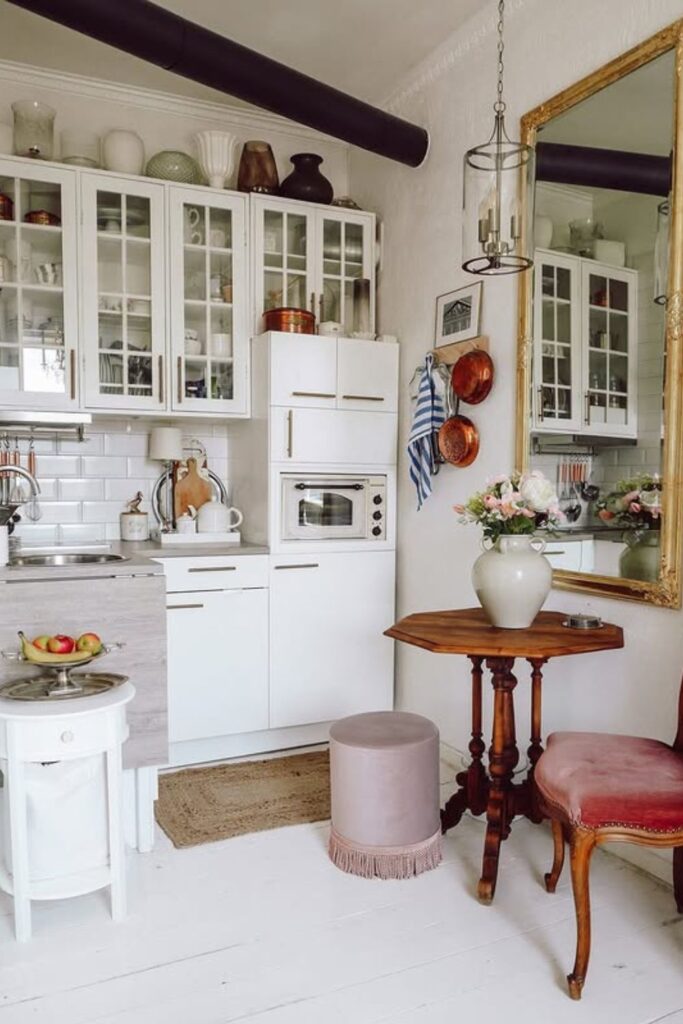
Glass Storage
Kitchens feel cramped when cabinets hide everything you use daily. Glass-front cabinets flip that problem by and making storage work visually instead of against you.
Dishes remain tidy since the clutter is immediately visible and the space feels more open less confined.
This approach is particularly effective in the smaller kitchens where high cabinets are prevalent and you are aiming for the storage without the weighty and enclosed appearance.
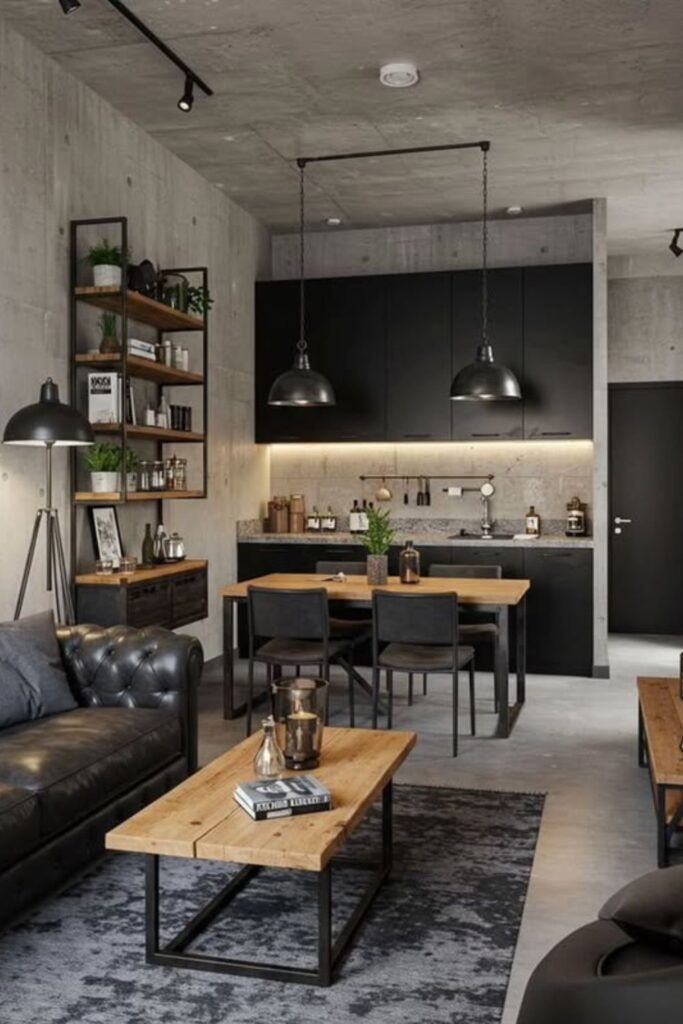
Open Shelving
Walls become useful when storage doubles as a divider. Open shelves between the living area and kitchen hold daily items without blocking light or flow.
Keeping everything within reach prevents clutter from taking over surfaces. This approach is particularly effective in open-plan flats.
Especially when a single wall has to define two distinct areas. A limited color scheme helps the shelves appear purposeful, rather than overwhelming.
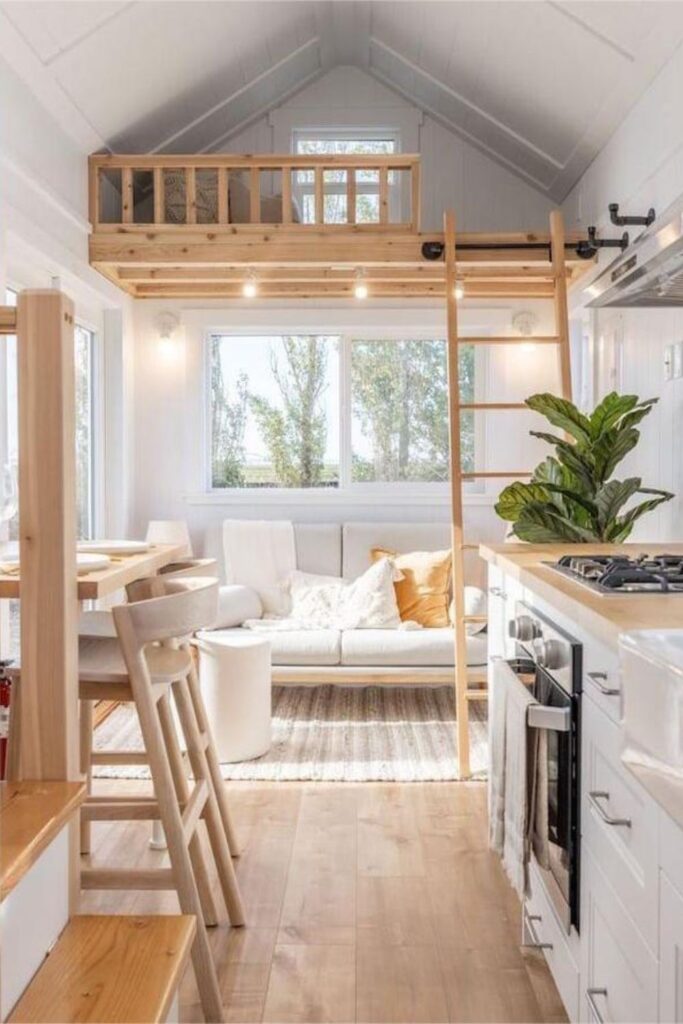
Loft Storage
Ceiling height becomes wasted potential if everything stays on the floor. Adding a loft instantly creates a second layer for sleeping.
The area beneath serves as living, dining, or storage space. A ladder minimizes the footprint, and built-in sides help keep things tidy.
This design is particularly effective in narrow dwellings or compact residences, where vertical space is at a premium.
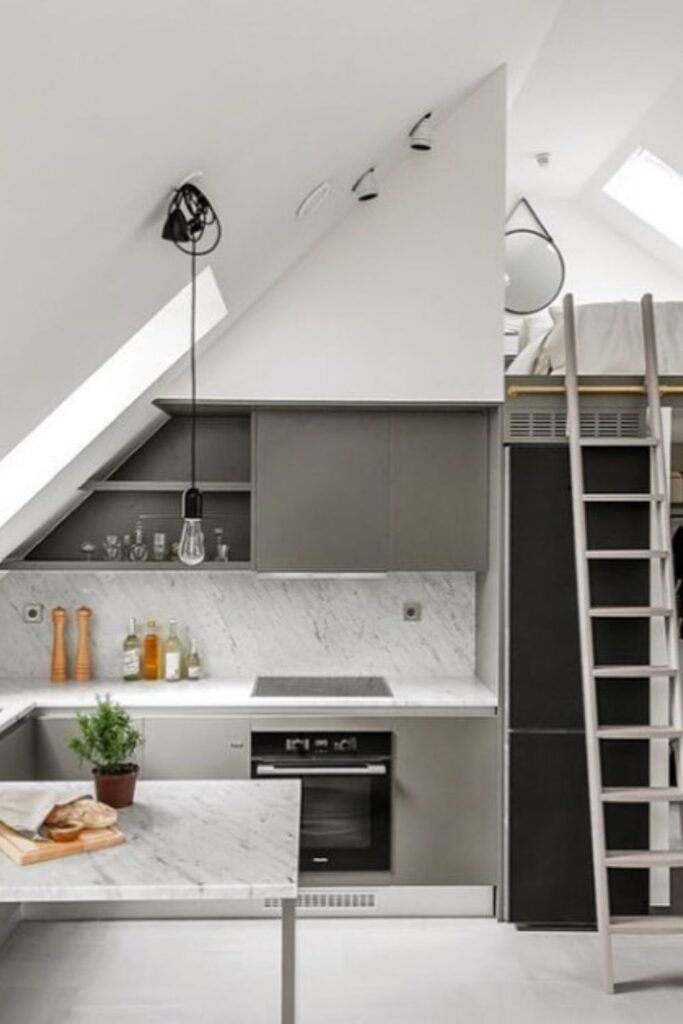
Sloped Storage
Awkward angles usually turn into dead space. Built-in cabinets tucked under sloped ceilings turn those unusable corners into the practical storage without fighting the architecture.
The kitchen keeps its small footprint while the sleeping quarters above offer a sense of privacy and tranquility.
This approach shines in attic apartments or loft conversions where conventional walls are often absent or every available space must be utilized effectively.
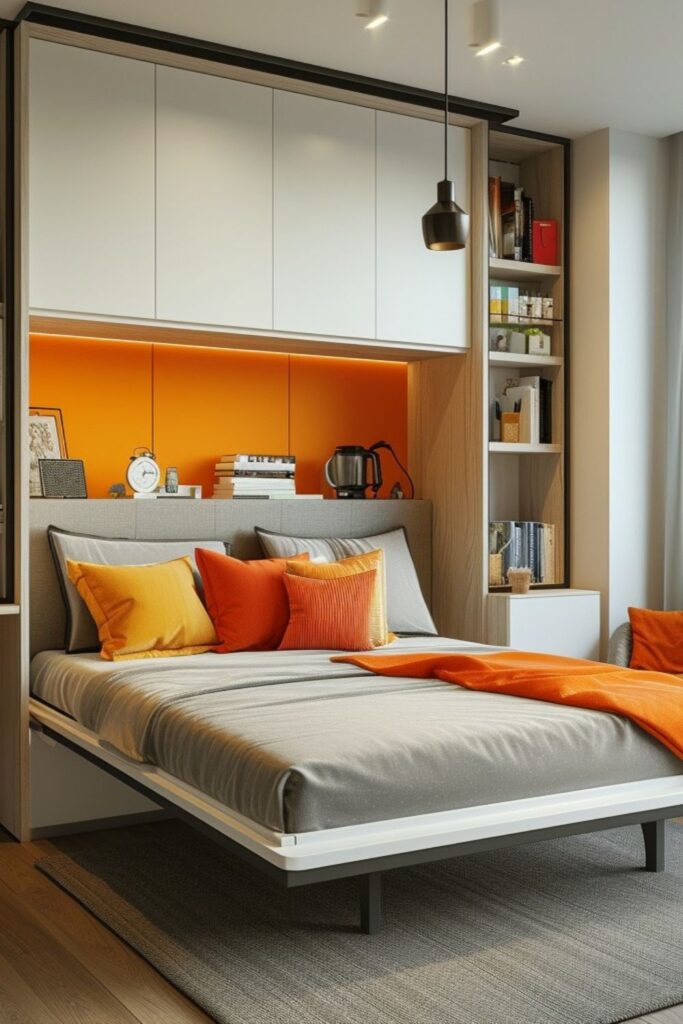
Wall Bed
Bedrooms stop working when the bed takes over the whole room. A wall bed fixes that by folding sleep away and you do not need it.
Built-in shelves and cabinets offer a tidy solution for books, clothing and everyday necessities, eliminating the need for additional furniture.
This approach is particularly effective in the studio apartments, where a single room must serve multiple functions, and keeping the floor space open throughout the day is a priority.
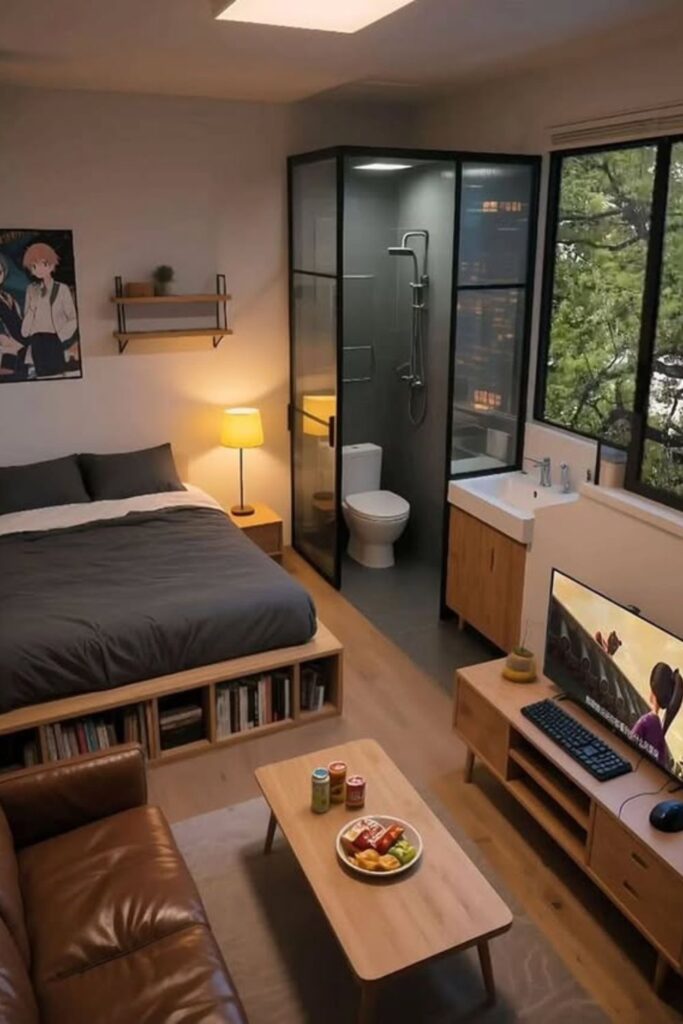
Bed Alcove
Sleeping areas feel messy when beds float in the middle of the room. Tucking the bed into a wall alcove.
Turns it into a defined zone and frees the rest of the floor for living. Under-bed shelving takes the place of traditional nightstands and dressers.
This arrangement shines in compact studios, where keeping sleeping and living areas distinct simplifies the overall flow.
Compact Layers
Small apartments feel calmer when storage is spread across the walls instead of stacked on the floor. Floating shelves wall cabinets.
Slim modules collaborate keeping everyday essentials accessible with out impeding flow. Each layer serves a specific purpose preventing spillover into adjacent spaces.
This method is particularly well suited for studios, where kitchens, living rooms and storage must coexist without devolving into chaos.
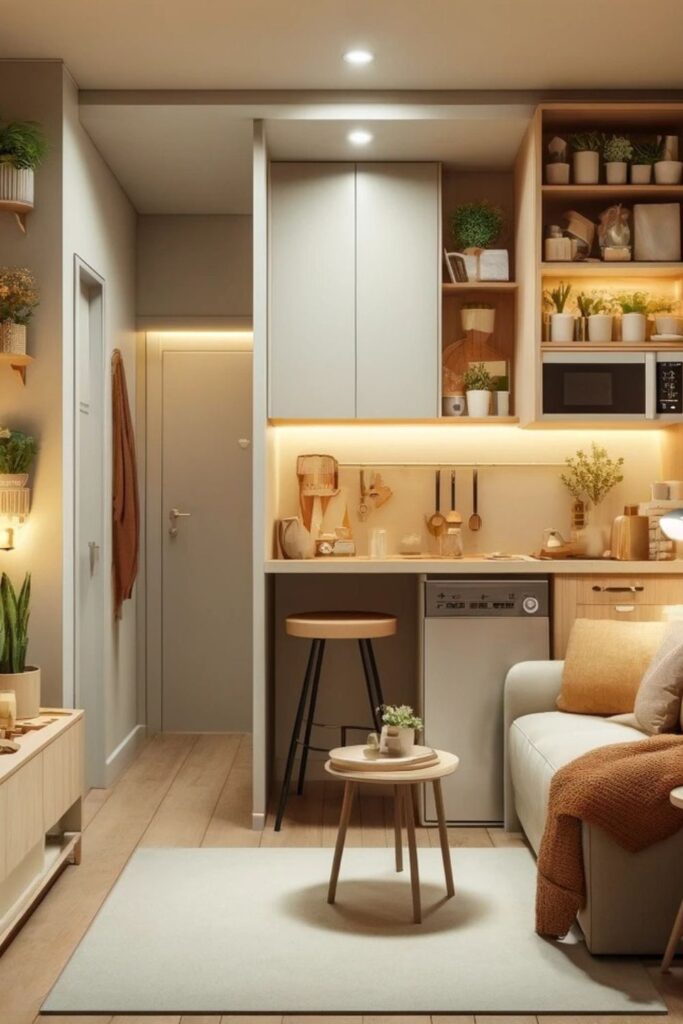
Storage Base
Beds waste space when nothing lives underneath them. Raising the bed just enough to fit shelving.
It transforms the space into a concealed storage solution, all without altering the existing floor plan.
Books, baskets, and other ordinary objects remain out of sight, yet readily accessible.
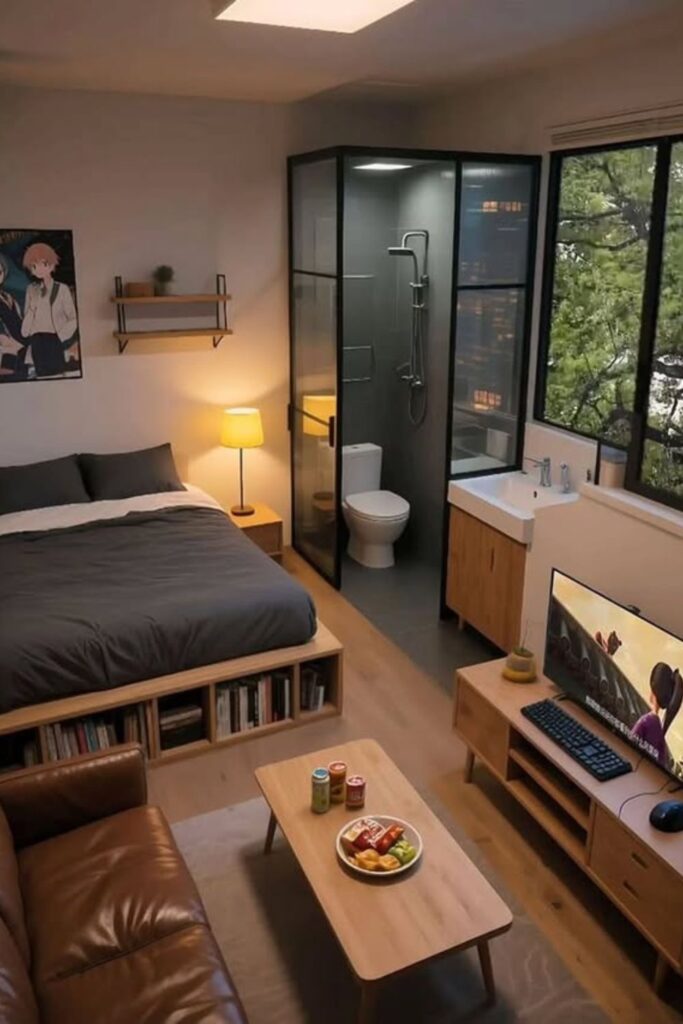
Arch Division
Open kitchens spill visual clutter into living areas when nothing defines the boundary. An arched opening creates separation without closing the space off.
Keeping storage out of sight helps maintain a sense of order and the living area feels more peaceful with out constant reminders of kitchen clutter.
This approach is particularly effective in the older building and where architectural features can serve as natural boundaries, eliminating the need for additional furniture or partitions.
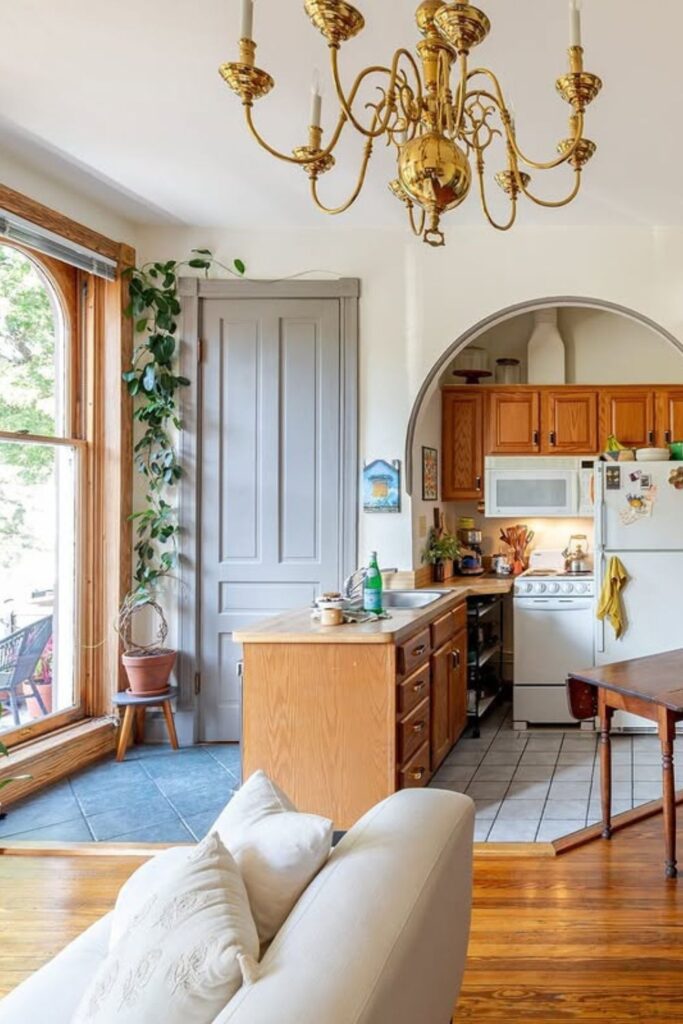
Low Profile
Tall furniture fights natural light and makes rooms feel boxed in. Keeping seating and tables low lets windows stay visually open and makes the space feel wider than it is.
Storage can be cleverly concealed inside layered surfaces and rather than relying on cumbersome, standalone units.
This strategy shines particularly in residences boasting expansive windows where natural light and unobstructed view and take precedence over the need for additional cabinetry.
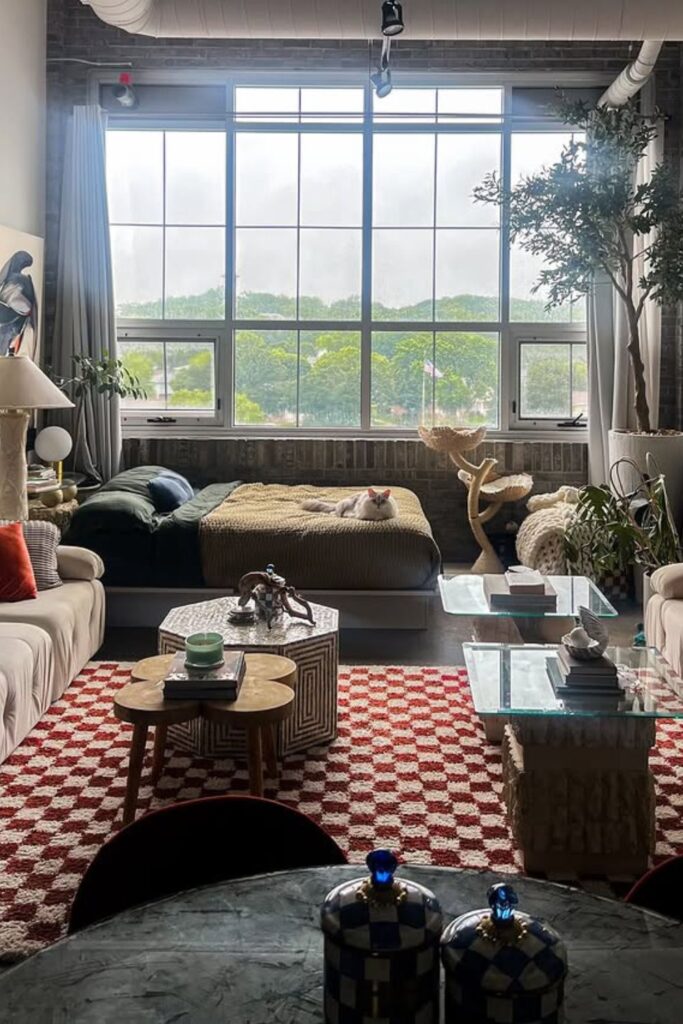
Soft Division
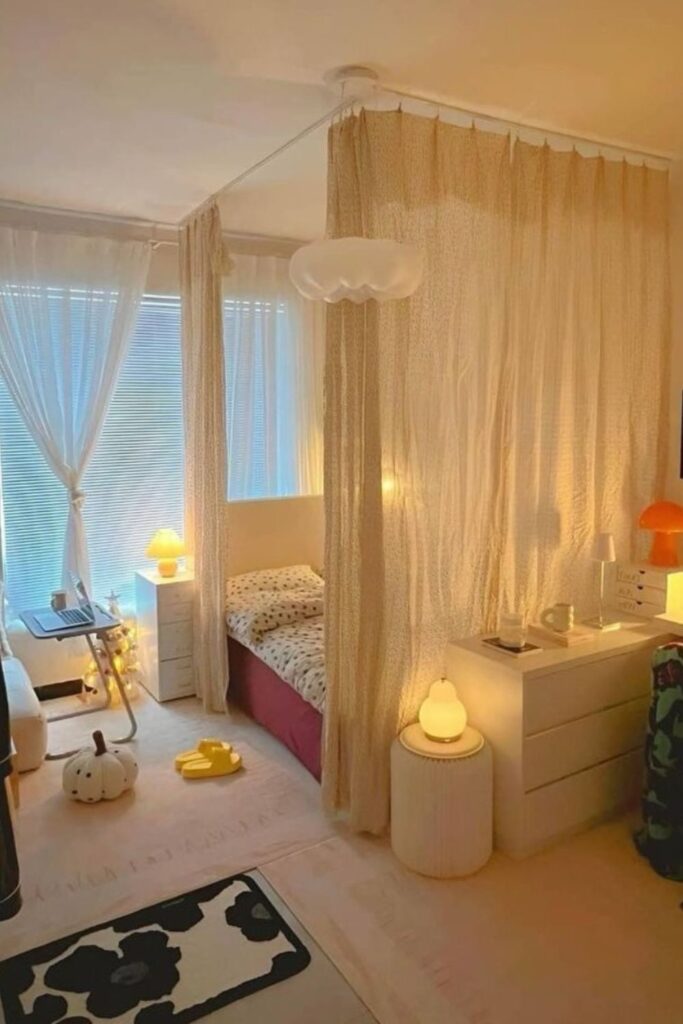
Privacy feels impossible in a small apartment when everything shares one room. Hanging sheer curtains creates a separate sleeping zone.
Without restricting light or making the space feel cramped storage remains outside the sleeping area effectively keeping clutter hidden.
This approach is particularly well suited for studio apartments, where you desire isolation at night but crave an open and adaptable room during the day.
Color Zoning
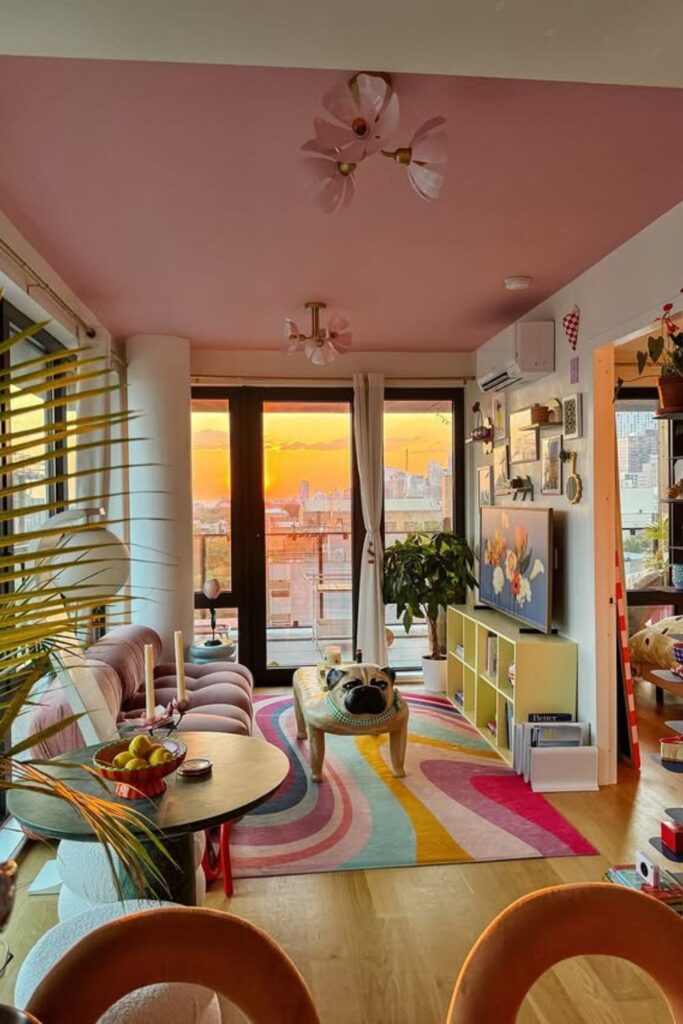
Clutter feels louder when everything blends into one visual mess. Using color to define zones gives each area a purpose without adding walls or furniture.
A modest media unit serves as the focal point in the living area, with vertical shelving cleverly keeping storage contained along one wall.
This arrangement is particularly effective in studio apartments, because the layout is often predetermined.
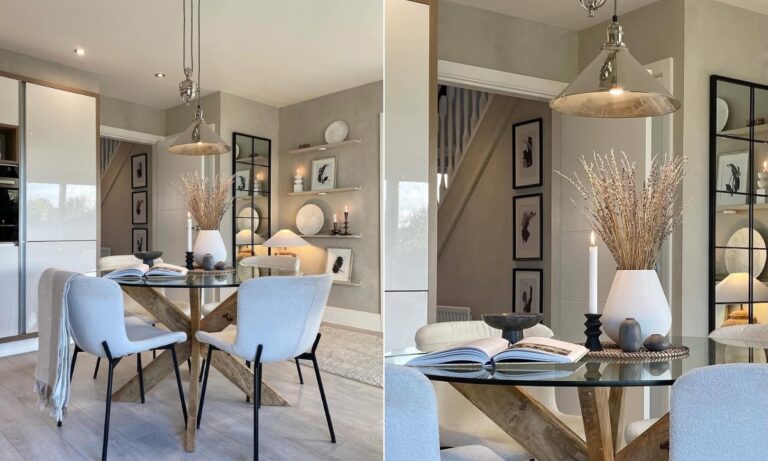
Round Dining
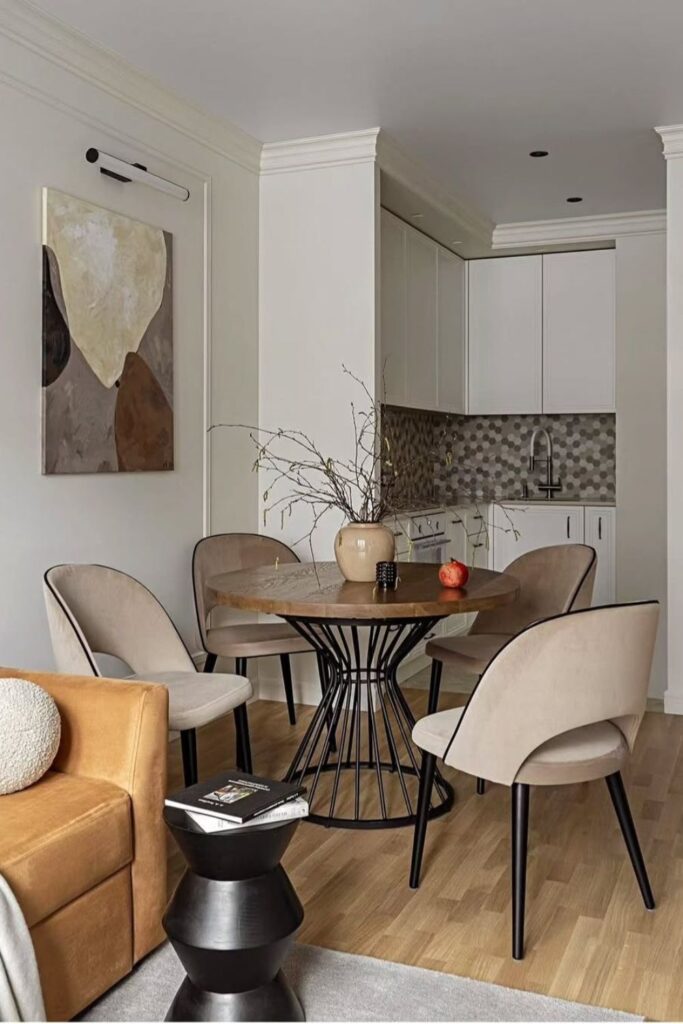
Corners waste space when dining tables are too rigid. A round table keeps movement easy and avoids sharp edges that block walkways.
Slim chairs, when pushed in, disappear completely, keeping the space uncluttered. This is particularly advantageous in open-plan apartments.
Where the dining area is often adjacent to the living room. Every bit of extra room contributes to a more fluid daily routine.
Ceiling Tracks
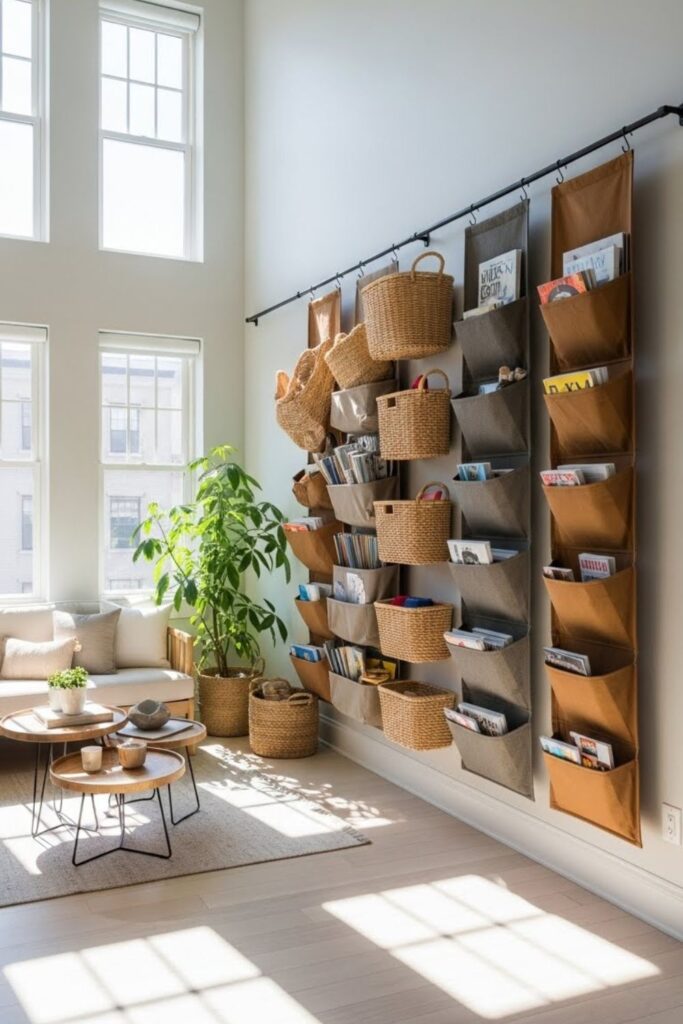
Ceilings usually do nothing except hold lights. Installing slim ceiling tracks lets you hang baskets, fabric pockets or sliding panels for lightweight storage.
Seasonal decorations, art materials or even potted plants can be kept off the ground.
This approach is particularly useful in studios where wall space is at a premium, yet there still ample vertical room available.
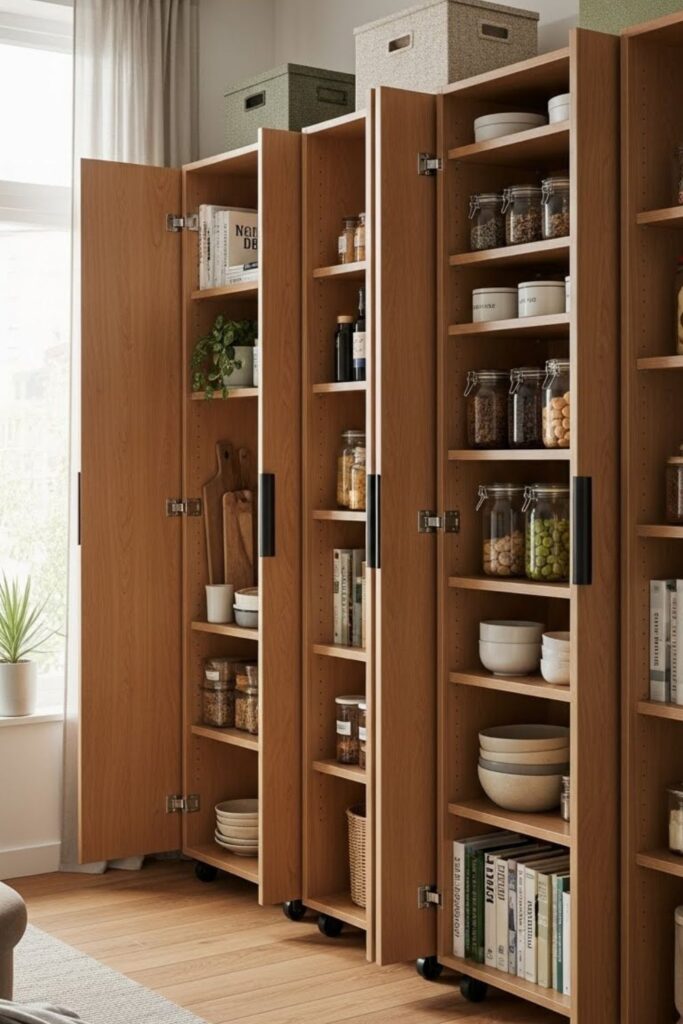
Mobile Walls
Fixed furniture locks you into one layout forever. Using tall, narrow rolling cabinets lets storage move with your day.
Slide them together to free up room or separate them to define areas. Books, food or office supplies remain out of sight.
This approach is ideal for rented spaces and where adaptability is often more valuable than permanent fixtures.
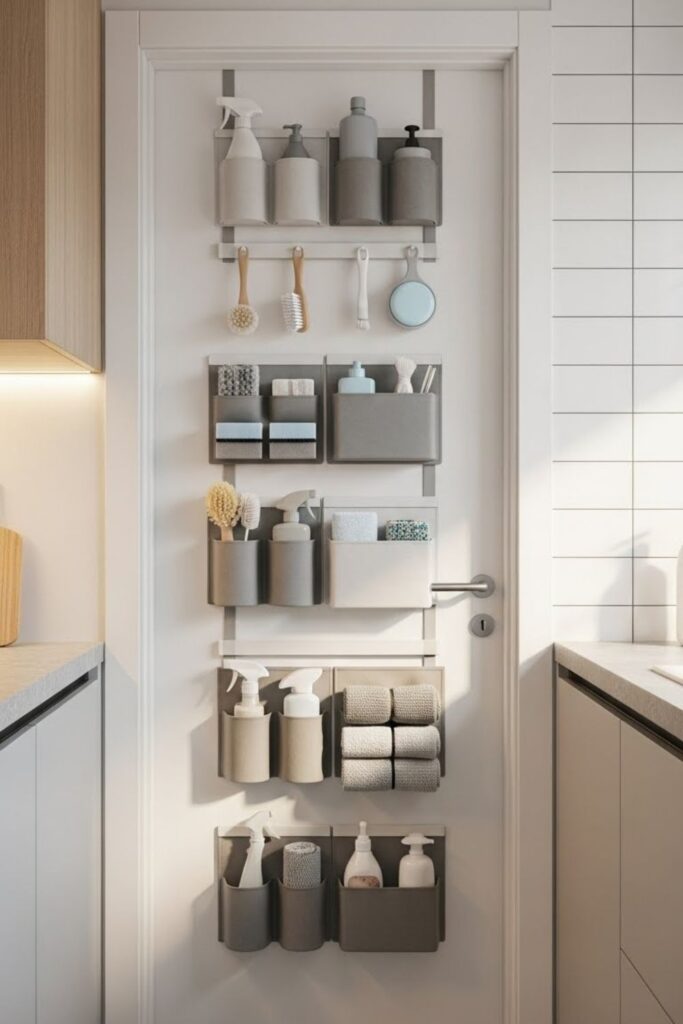
Door Backs
Doors open and close all day without doing any real work. Turning the back of doors into organized zones changes that fast.
Slim racks or fabric panels are great for stashing cleaning supplies, gadgets, or even pantry staples.
The trick is to keep the load light, ensuring the doors swing freely. This approach is particularly effective in bathrooms and kitchens.
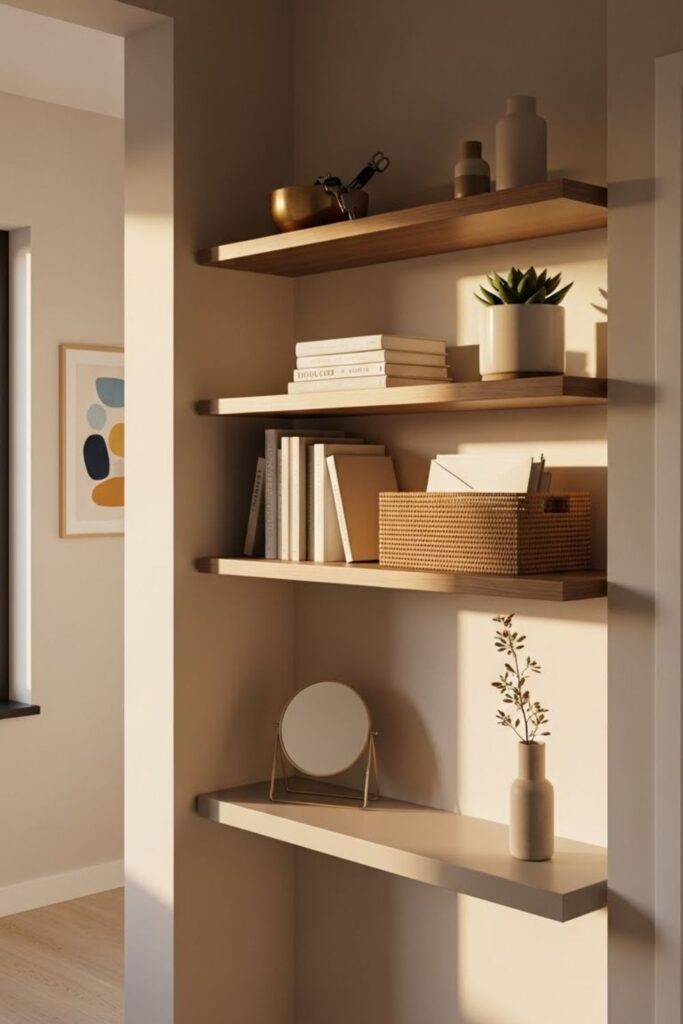
Depth Control
Deep shelves invite clutter because things disappear in the back. Using shallow shelving forces better decisions and keeps everything visible.
Keeping things within arm’s reach means surfaces remain uncluttered. This method shines in areas where you need quick access.
Such as entryways or kitchen walls. Rather than in spaces meant for keeping larger quantities.
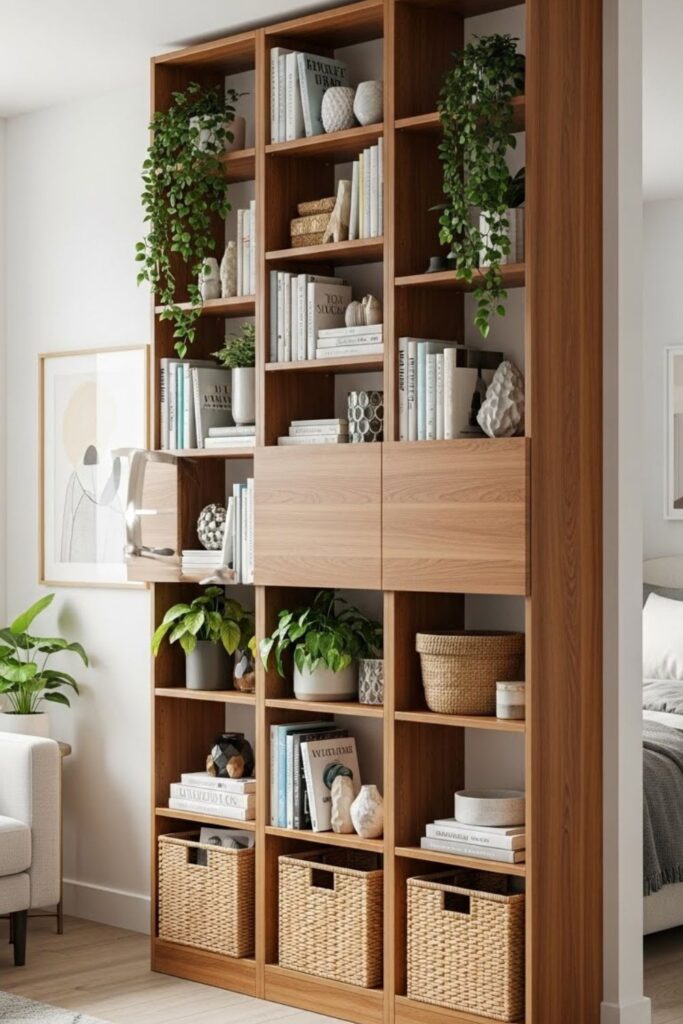
Corner Anchors
Corners often stay empty because furniture never fits right. Designing one tall corner unit turns wasted angles into anchors for storage.
Books, baskets, or plants can be arranged vertically, freeing up floor space. This approach is particularly useful in studios.
Where every available wall is already occupied, and corners often remain underutilized.
Routine Zones
Organization fails when items don’t match daily habits. Creating micro-zones based on routines fixes that.
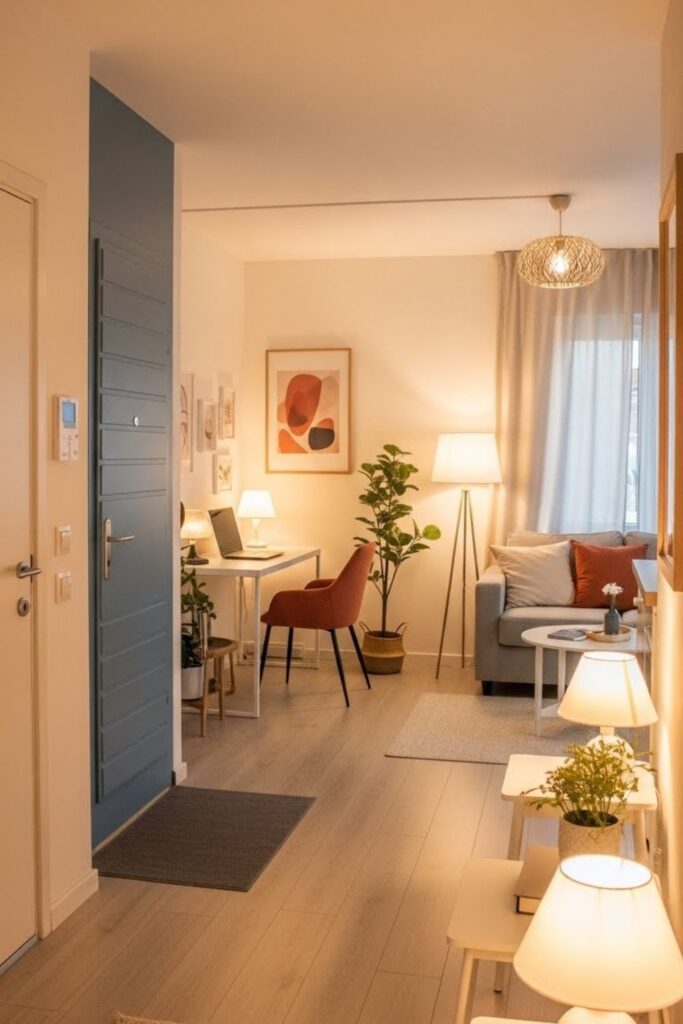
One corner of the home is for departure, another for relaxation and yet another for work. Storage is organized by how you live not by the rooms name.
This approach is particularly effective in compact flats, where rooms often have to play double duty as the day unfolds.
FAQs
How do I organize a small apartment without making it feel crowded?
The trick is selecting storage solutions that do not clash with the flow of the room or the natural light. If your storage is on the floor obstructing pathways, it makes the space feel smaller.
But when you elevate storage, tuck it away in furniture, or integrate it into the walls, the apartment feels more serene, even if you have the same amount of belongings.
Why does my apartment still feel messy after I organize it?
Many folks tidy up their belongings, however overlook the importance of habits. If your storage solutions don’t align with your daily life, the mess will inevitably return.
Address the routine before you worry about storage then, position your storage where the habit already exists.
You may like to read!
- 27 Pantry Organization Ideas
- 27 Under Sink Organization Ideas
- 20 Pegboard Organization Ideas
- 20 Shelf Organization Ideas
- 21 Shower Organization Ideas

Fasial is the founder of the Fizzy Flare. He has been a passionate blogger since 2021. He ran three different websites in the past few years. Now he is focusing on Fizzy Flare to build an audience and help them organize their life.