20 Shelf Organization Ideas for 2026
This post may contain affiliate links: full affiliate disclosure.
If your shelves always end up messy no matter how many times you fix them, you’re not doing anything wrong.
Most shelves fail because things get stacked the wrong way, space gets wasted, and nothing has a clear place. You clean it, it looks good for a day.
In this article, you’ll see how to organize a shelf with 20 best ideas that are praticle and easy to try in 2026.
Let’s jump in!
Contents
- 1 How to Organize a Shelf?
- 1.1 Plate Riser Layers
- 1.2 Style With Space
- 1.3 Clear Bathroom Zones
- 1.4 Color Stack Order
- 1.5 Layered Open Storage
- 1.6 Cabinet Shelf Layers
- 1.7 Cube Storage Baskets
- 1.8 Lit Book Rows
- 1.9 Vertical Pan Storage
- 1.10 Pantry Pull-Forward
- 1.11 Everyday Reach Rule
- 1.12 Labeled Linen Stack
- 1.13 Shelf Dividers Fix
- 1.14 Basket Shelf Layers
- 1.15 Drawer-in-Shelf Hack
- 1.16 Backstock Shelf Rule
- 1.17 Slim Shelf Inserts
- 1.18 One-Category Shelves
- 1.19 Front-Facing Display
- 1.20 Shelf Height Reset
- 2 FAQs
How to Organize a Shelf?
Shelf organization works only when you stop placing things randomly and start placing them with a reason. Begin by emptying the shelf.
You’re not organizing around old clutter. Decide what the shelf is meant to hold and don’t let unrelated items sneak in.
Group similar items together so everything has a clear home. Use risers or stacking tools to avoid wasted vertical space.
Keep daily items within easy reach, heavier items lower, and leave some empty space so the shelf doesn’t feel packed.
Save this article for later! 👇👇
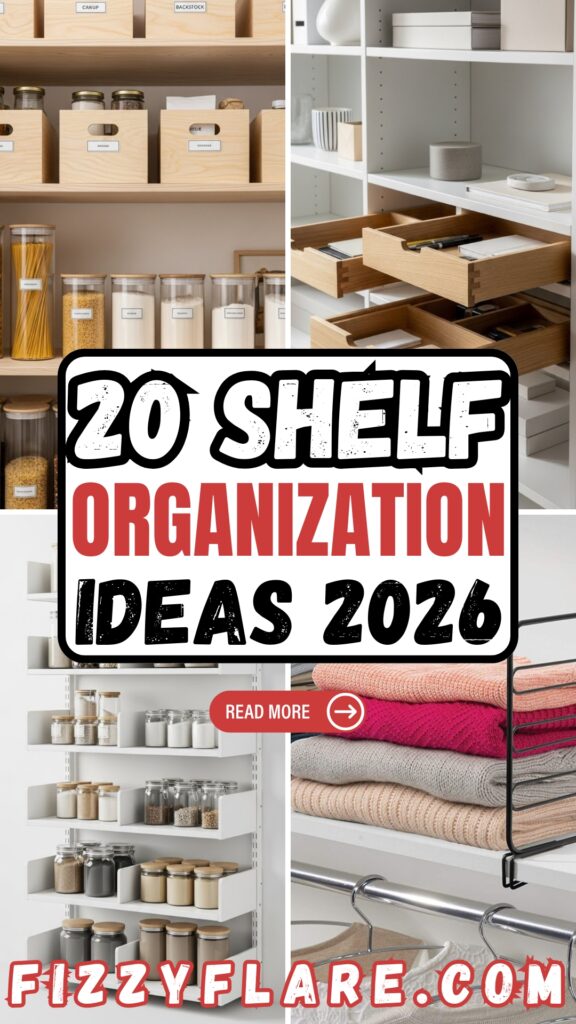
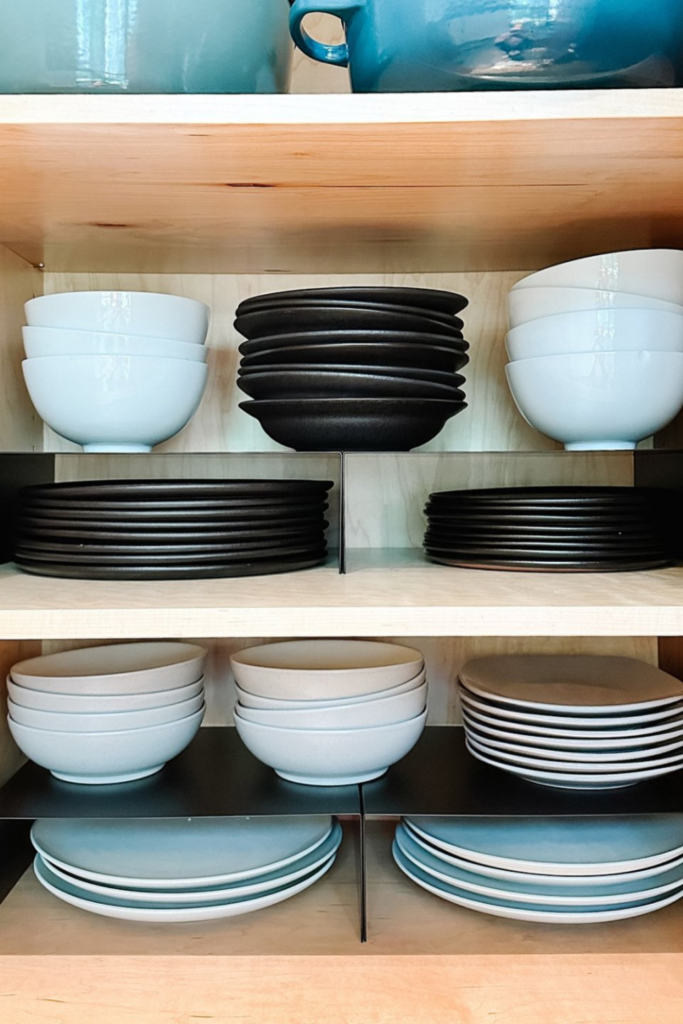
Plate Riser Layers
Your plates eat all the shelf height, this setup fixes it fast. The risers split one shelf into two working levels.
Plates and bowls stop stacking too deeply. This works best in kitchen cabinets. You can DIY it with wood boards.
Layer heavy plates below, lighter bowls above, and keep matching sets together so grabbing things stays easy.
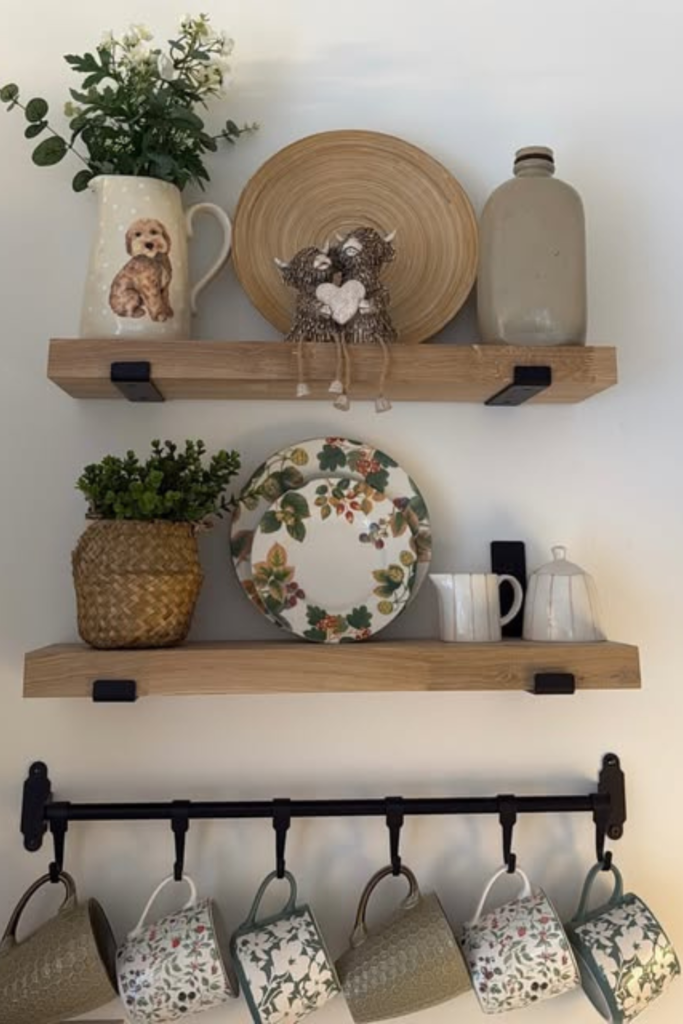
Style With Space
You fill every inch, the shelf feels heavy fast. Keep one main piece in the center, then balance it with smaller items on the sides.
Leave gaps on purpose. Empty space isn’t wasted here, it’s what makes the shelf look calm and intentional.
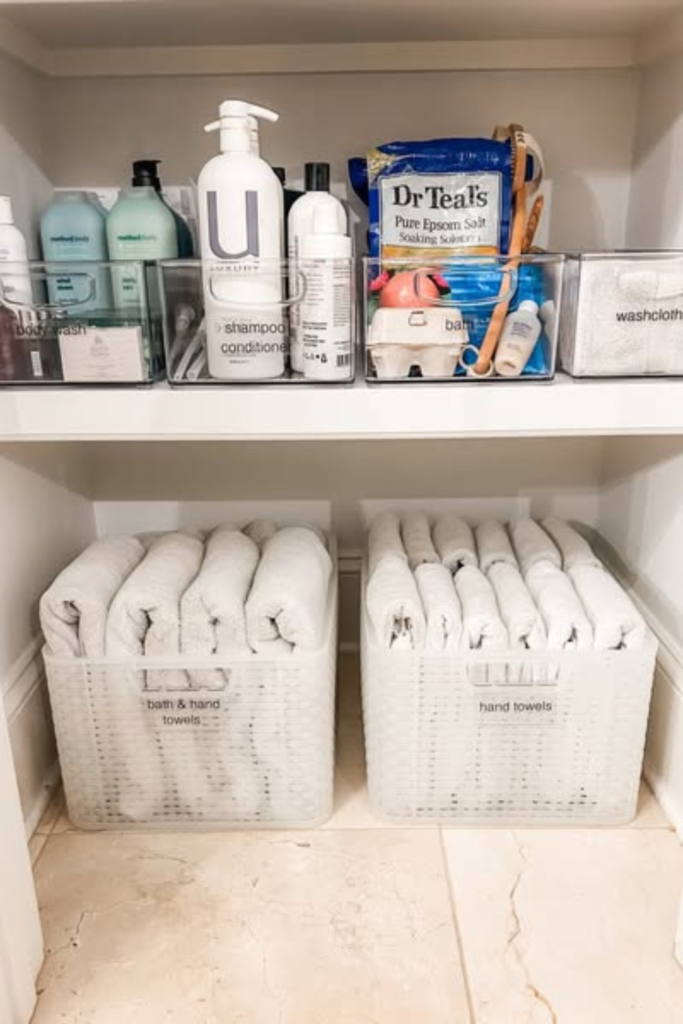
Clear Bathroom Zones
Bathroom shelves turn messy fast, zoning fixes it. This setup works because every category has its own clear bin.
It’s perfect for bathroom closets or linen shelves. Group daily products, backups, and towels separately.
Use labels so things go back to the right spot. When each shelf has one job, clutter doesn’t creep back in.
Color Stack Order
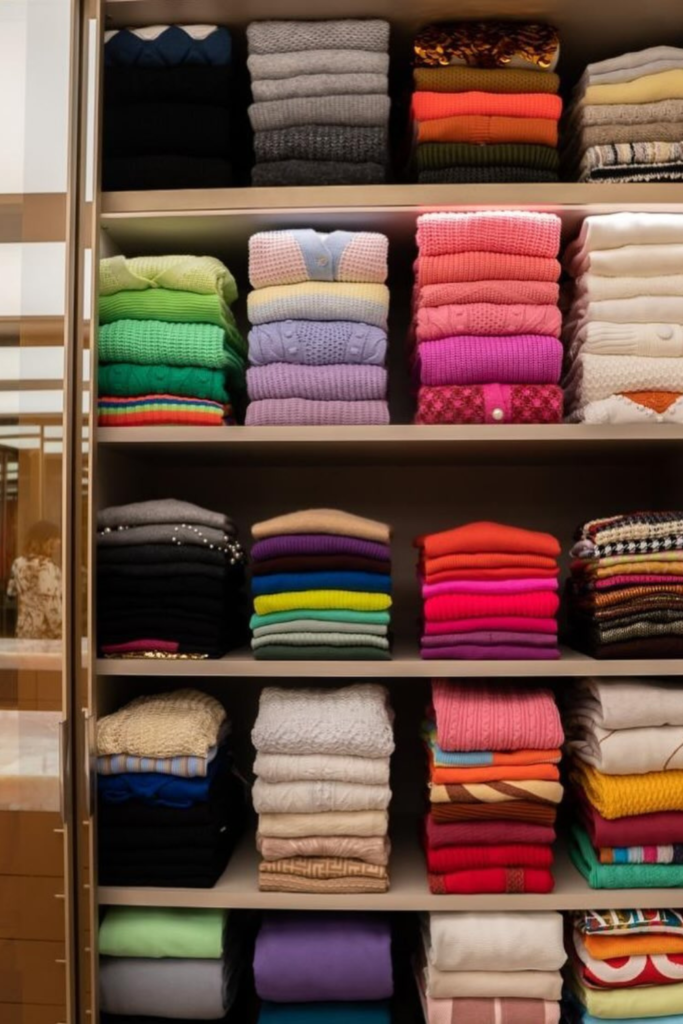
Folded clothes keep sliding into chaos, color stacking brings instant control, works best for closet shelves.
Where everything is visible. Group sweaters by type first, then stack by color or shade so piles feel intentional.
Keep heavier knits at the bottom and lighter ones on top. When stacks look calm, you’re less likely to mess them up later.
Layered Open Storage
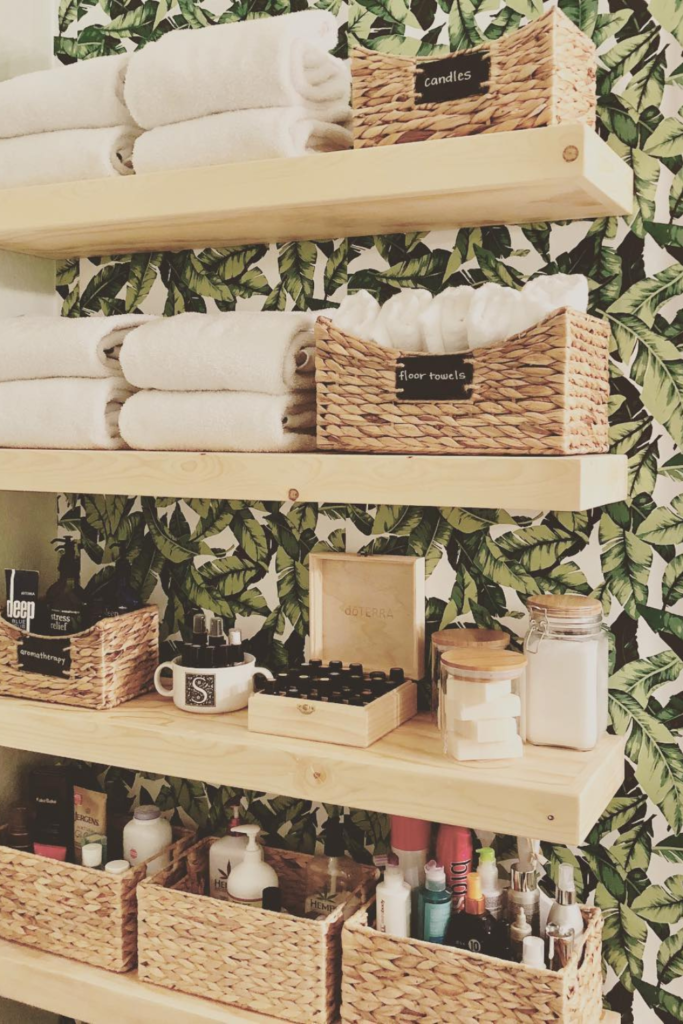
Your bathroom shelves feel cluttered, this solves the problem by stacking functions in layers, shelf stays useful and calm.
Open shelves hold daily items, while baskets hide the small stuff. This works best in bathrooms with limited cabinets.
Simple wood shelves and matching baskets. Keep towels on top, everyday products at eye level, and backups below.
Cabinet Shelf Layers
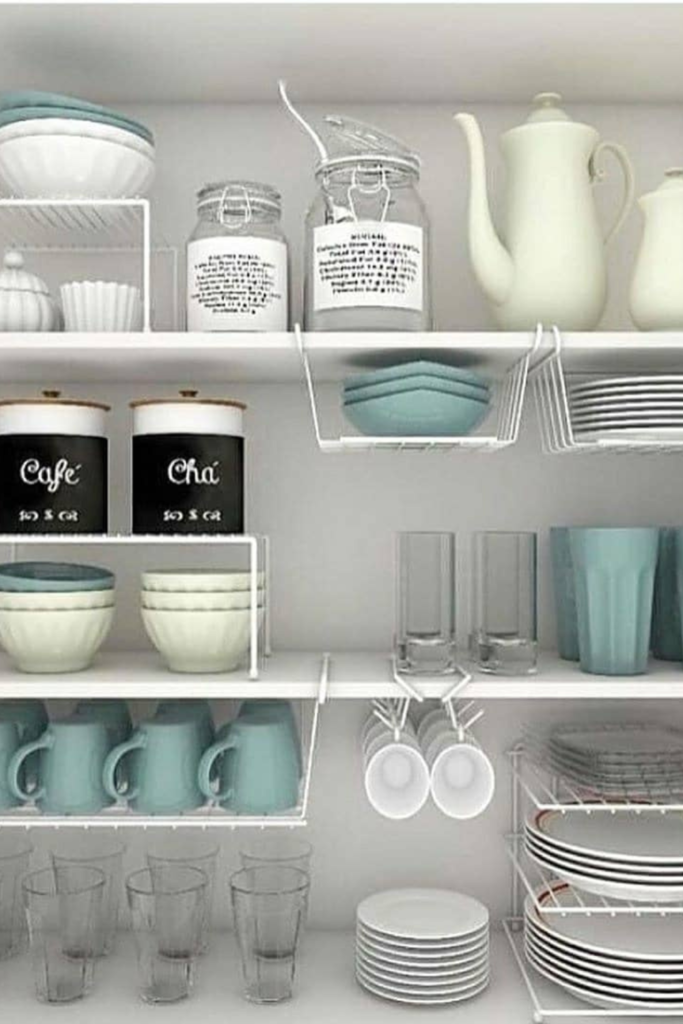
Stacking storage vertically if cabinets feel cramped. It works best in kitchen cabinets with fixed shelves.
Use wire risers and hanging baskets to create extra levels. Plates sit below, bowls and mugs go above.
When everything has its own layer, you stop stacking too high, and grabbing things becomes easy.
Cube Storage Baskets
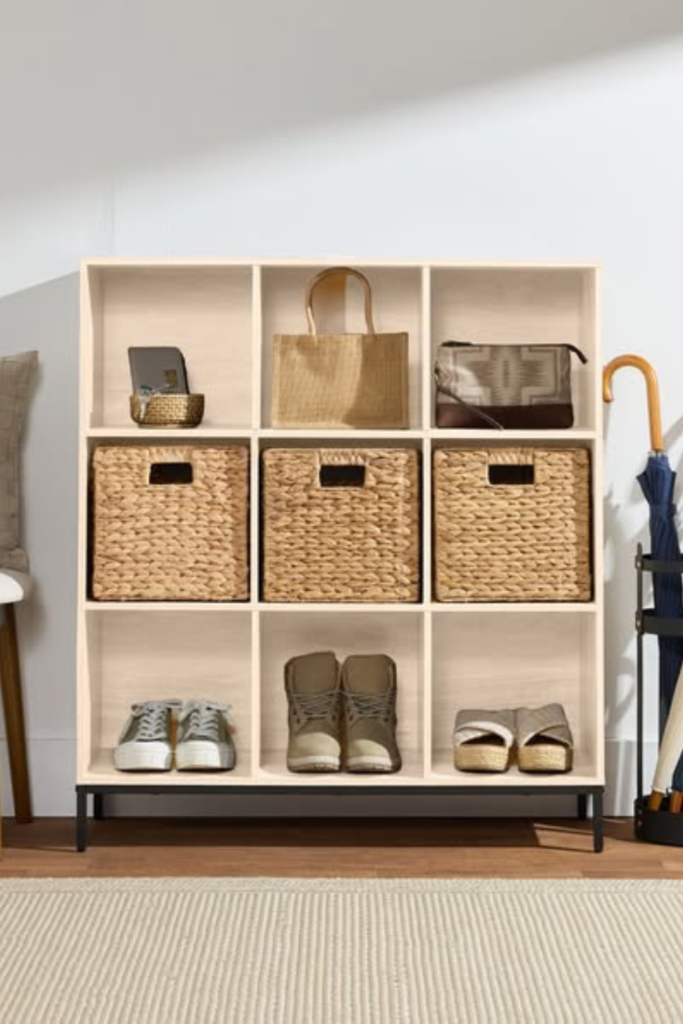
Toys and random items keep spreading everywhere, cube shelves fix that fast. This works best in living rooms.
Use baskets in some cubes to hide clutter and leave others open for books or decor. Stick to one basket style to keep it calm.
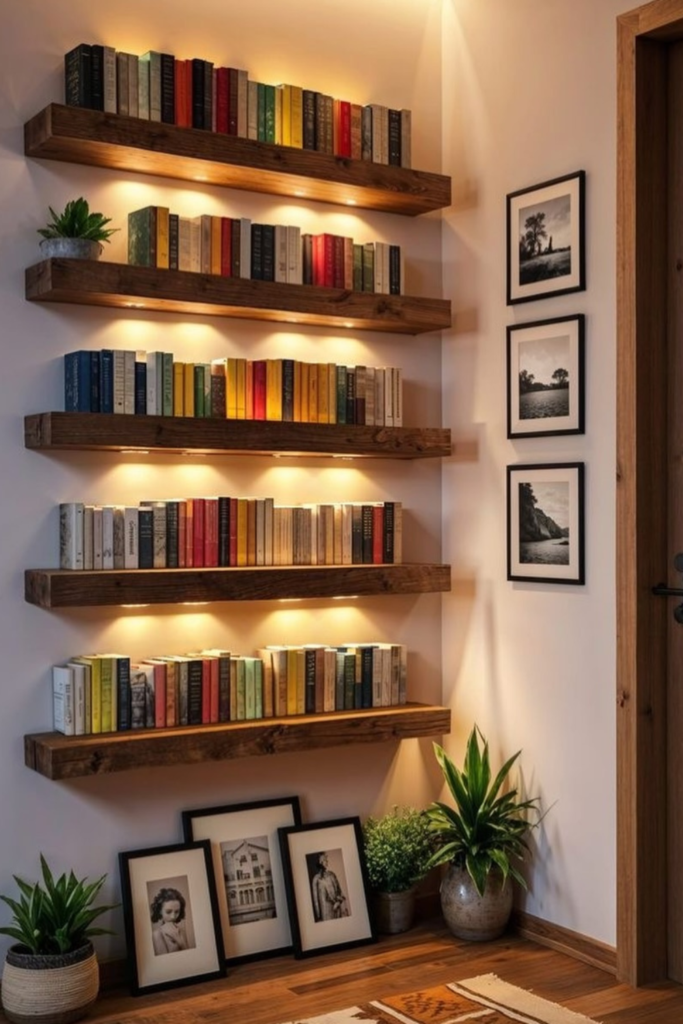
Lit Book Rows
Bookshelves feel flat or dark, lighting changes everything. This setup works best in living rooms or hallways.
Add warm LED strip lights under each shelf to highlight the books and create depth. Keep books in clean rows.
The light does the work. The glow separates each level, making the shelf feel intentional instead of crowded.
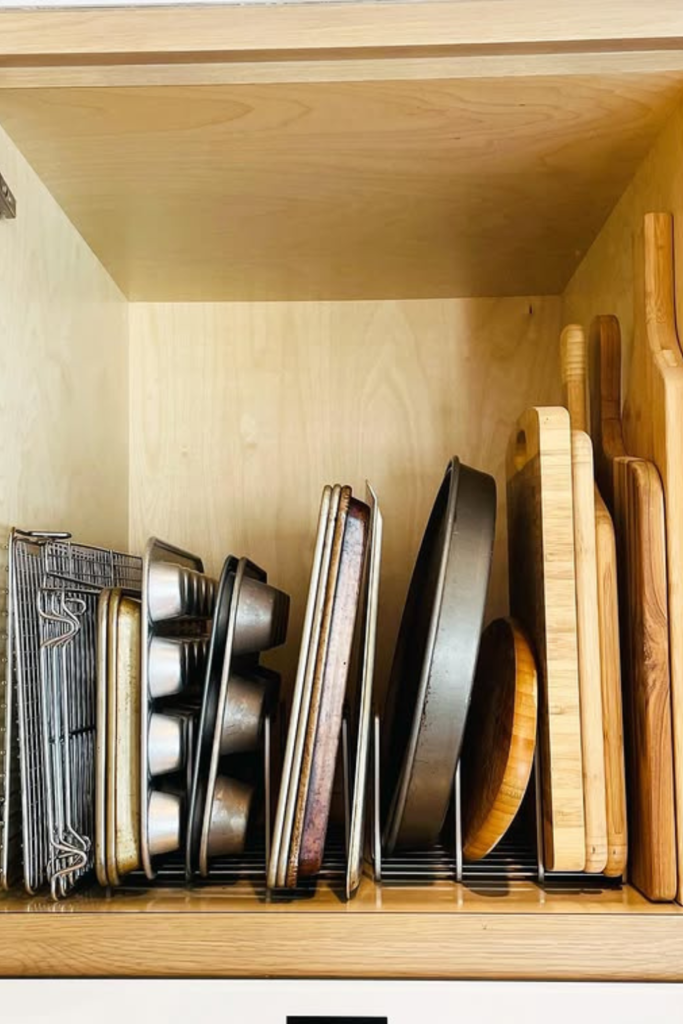
Vertical Pan Storage
Baking trays keep sliding into a mess, storing them upright solves the problem, best in lower kitchen cabinets.
Use a simple wire rack or DIY dividers to stand pans and cutting boards on their sides. You can pull out one piece.
Without disturbing the rest. Vertical storage saves space and stops heavy items from stacking into chaos.
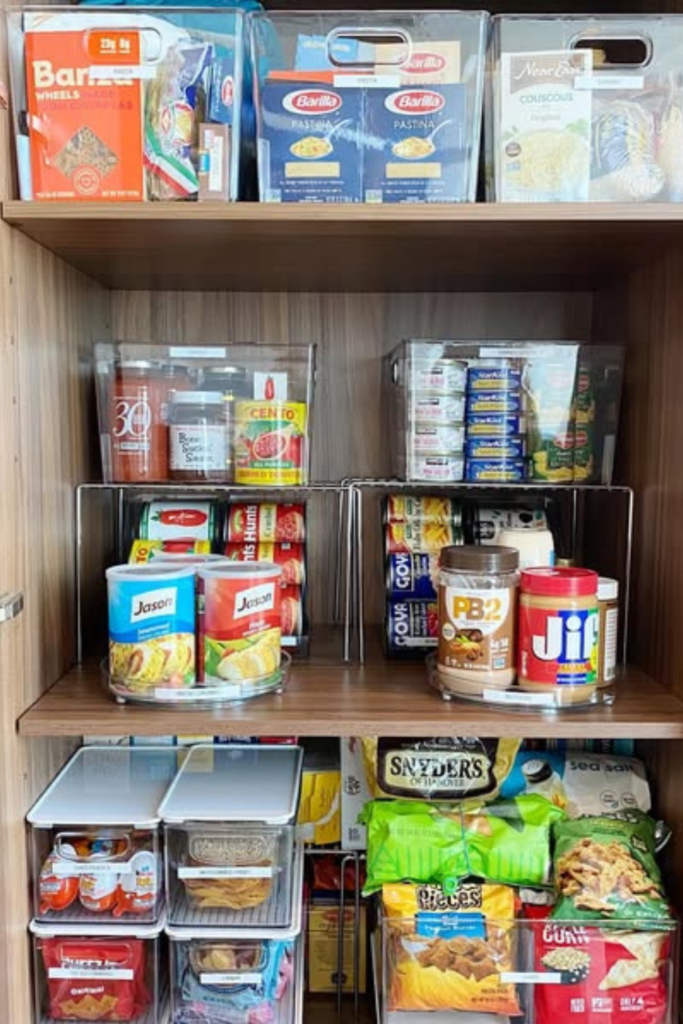
Pantry Pull-Forward
Pantry shelves turn into a black hole, this setup fixes it. Clear bins and risers pull everything forward, works best in deep pantry cabinets.
Group snacks, spreads, and cans by type, then place them on risers, you can see every label at once, stop overbuying and digging.
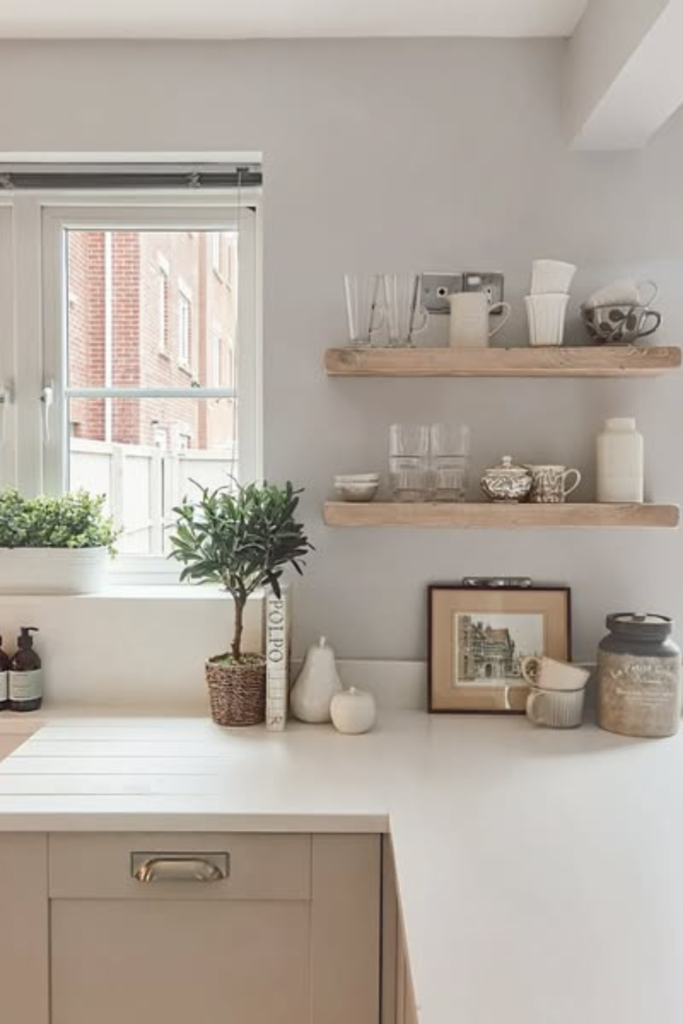
Everyday Reach Rule
Shelves feel pretty but annoying to use, keep daily items at arm’s reach and move rarely used pieces higher, works best.
Place glasses and mugs on the lower shelf, decor or extras above. When you don’t have to stretch, the shelf stays both useful and tidy.
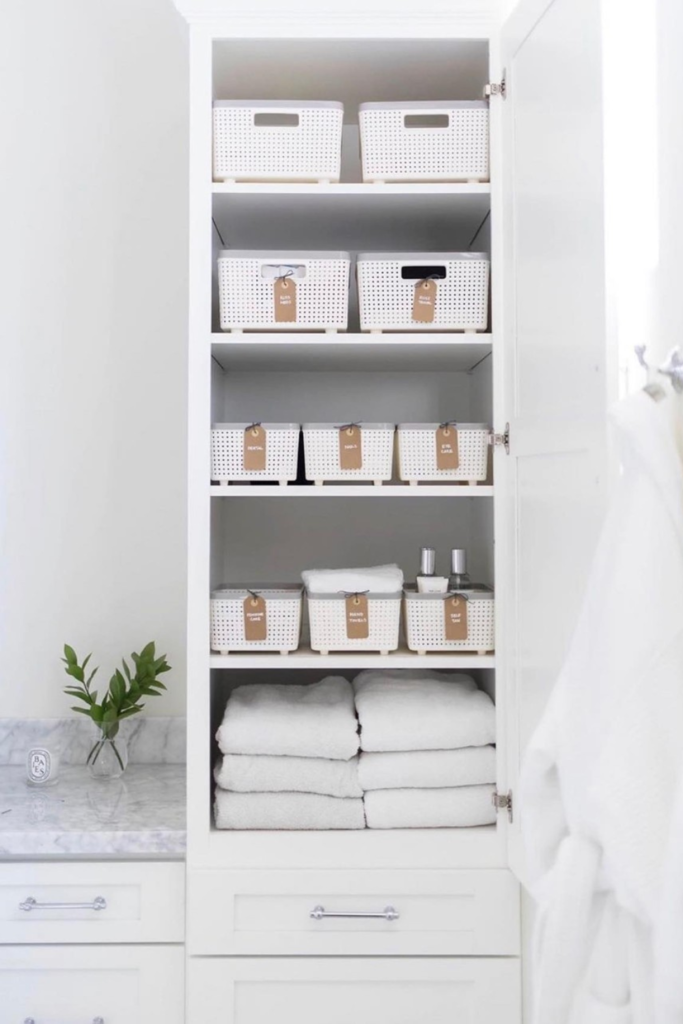
Labeled Linen Stack
If linen closets fall apart fast, labels stop that. This setup works best for bathroom or hallway cabinets.
Use matching bins and label by category so towels, toiletries, and extras never mix. Fold bulky towels at the bottom.
Lighter items above. When everyone knows exactly where things go, the shelf stays organized without effort.
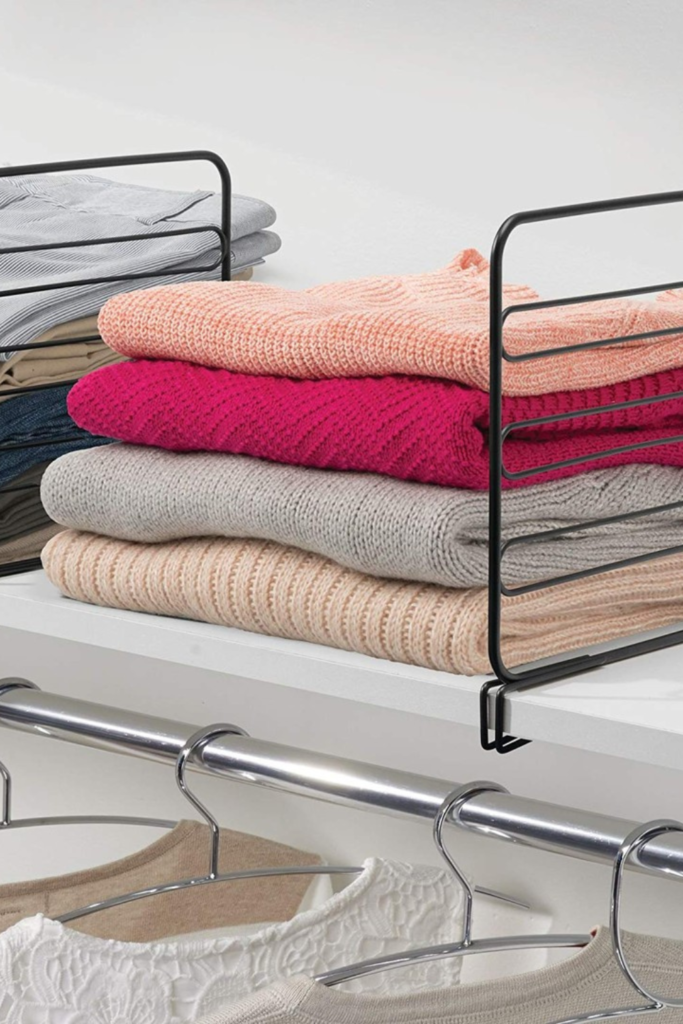
Shelf Dividers Fix
Folded stacks keep toppling over, shelf dividers stop the slide. Place dividers between stacks to keep each pile from spreading.
You can use metal dividers or DIY versions with sturdy boards. When stacks stay upright, shelves look neat, works best in closets.
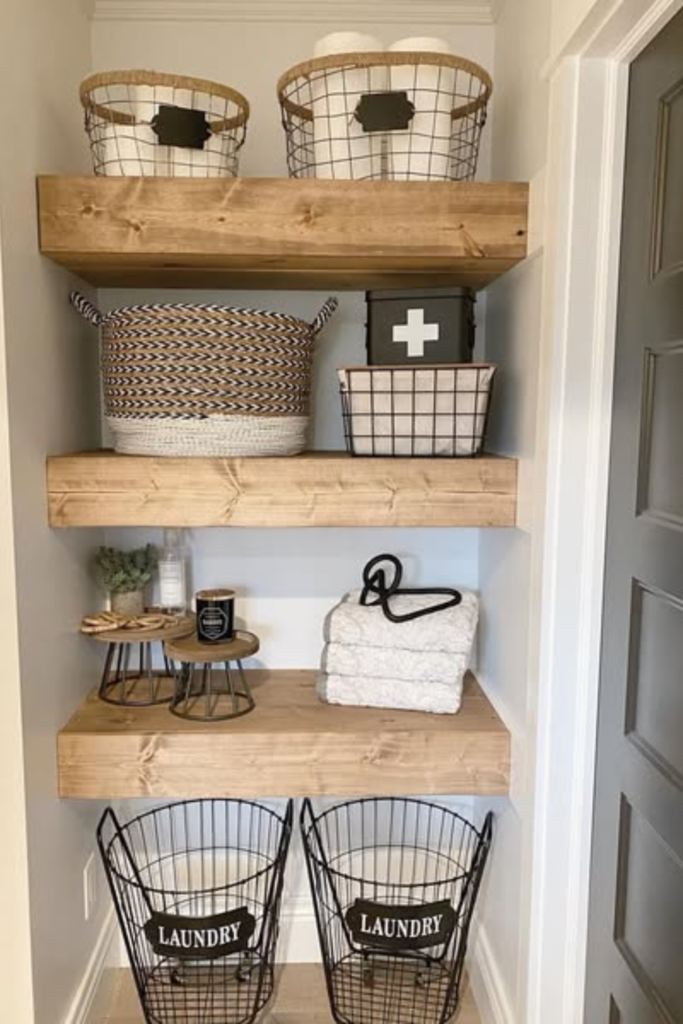
Basket Shelf Layers
Shelves keep turning into random piles, baskets give them structure. Use open baskets for items you grab often.
Solid ones to hide clutter. You can organize this look with thick wood planks, soft and simple brackets.
Stack heavy baskets up top, daily items in the middle, and bulky stuff at the bottom, works best in hallways.
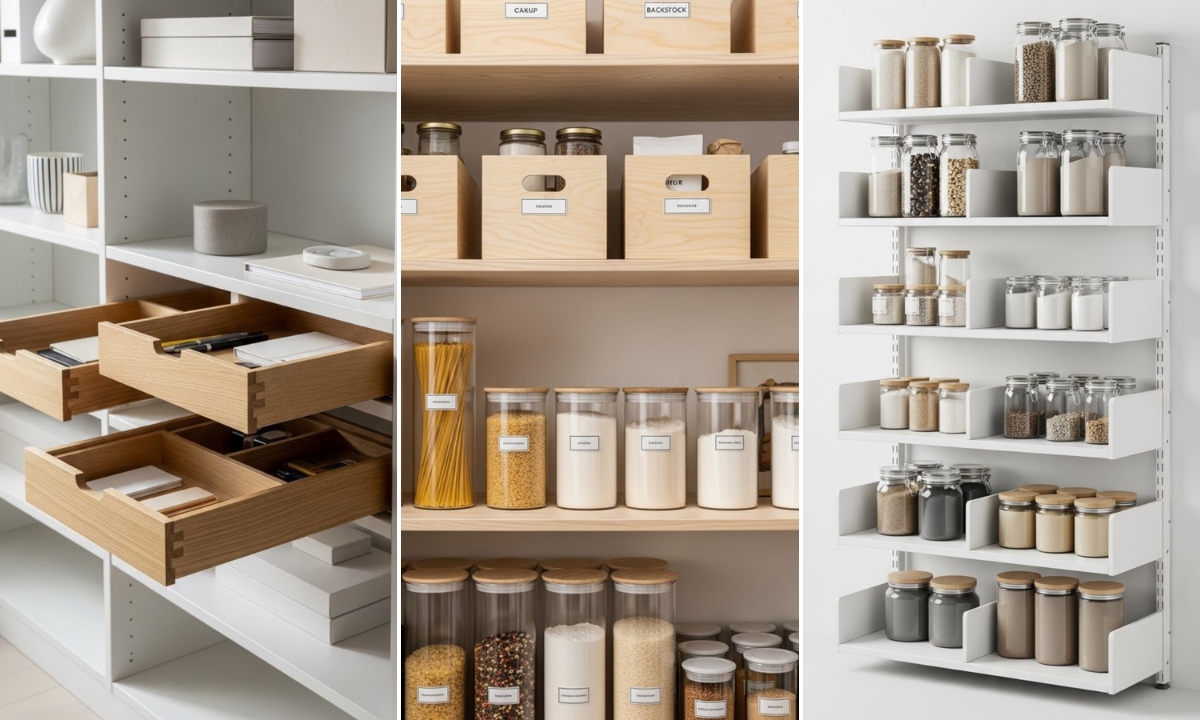
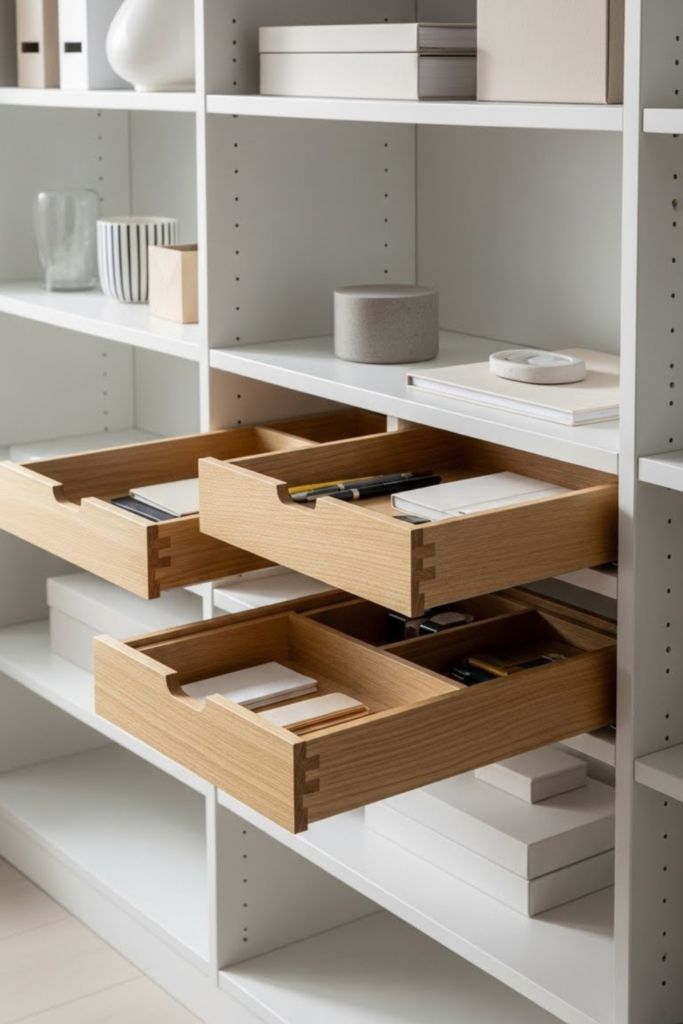
Drawer-in-Shelf Hack
Small items keep spreading across shelves, turn drawers into shelves. This works best for offices, craft rooms, or closets.
Use shallow pull-out drawers or DIY organizational trays that slide forward. You get the drawer control.
Without installing cabinets. When items come to you instead of being dug out, shelves stop becoming catch-alls.
Backstock Shelf Rule
Mixing daily items with backups creates an instant mess. This setup separates what you use now from what you’ll need later.
Keep everyday items at the front and backups on a higher or separate shelf, shelves stay calm instead of overflowing.
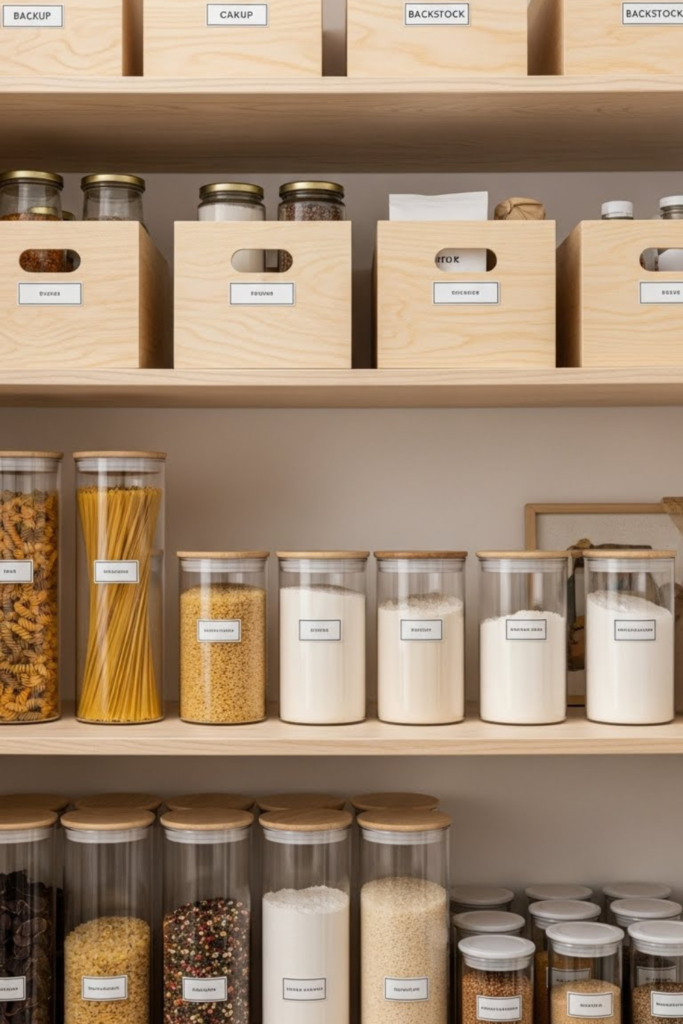
Slim Shelf Inserts
Narrow shelves feel useless until you divide them properly. This idea works best for spices, skincare, or office supplies.
Add slim inserts or dividers to stop items from tipping sideways. The goal isn’t more storage, it’s controlled storage.
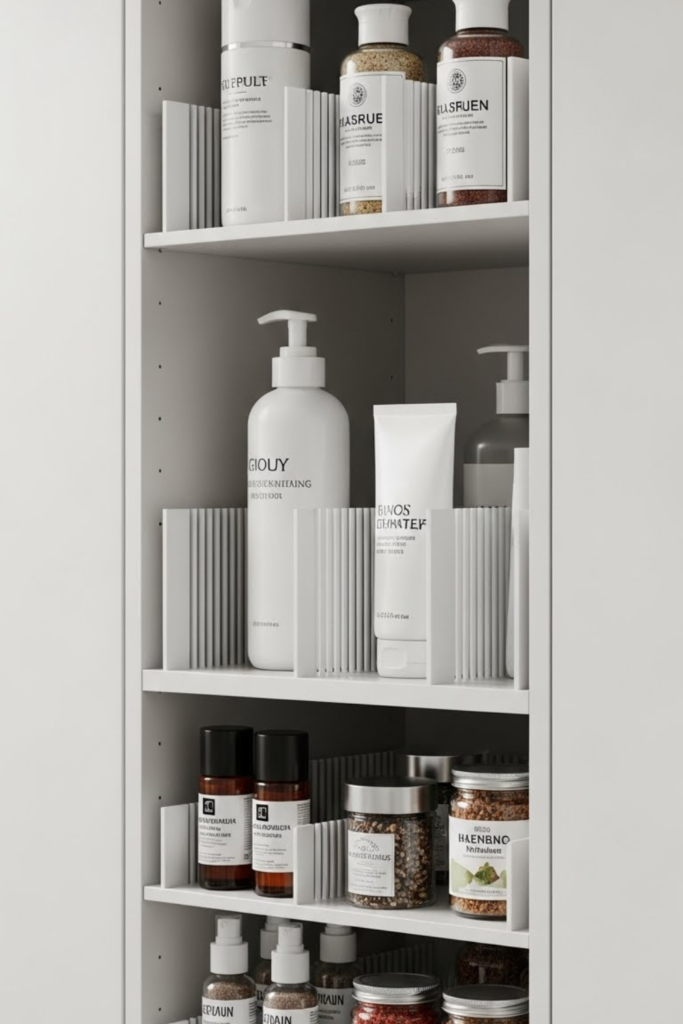
One-Category Shelves
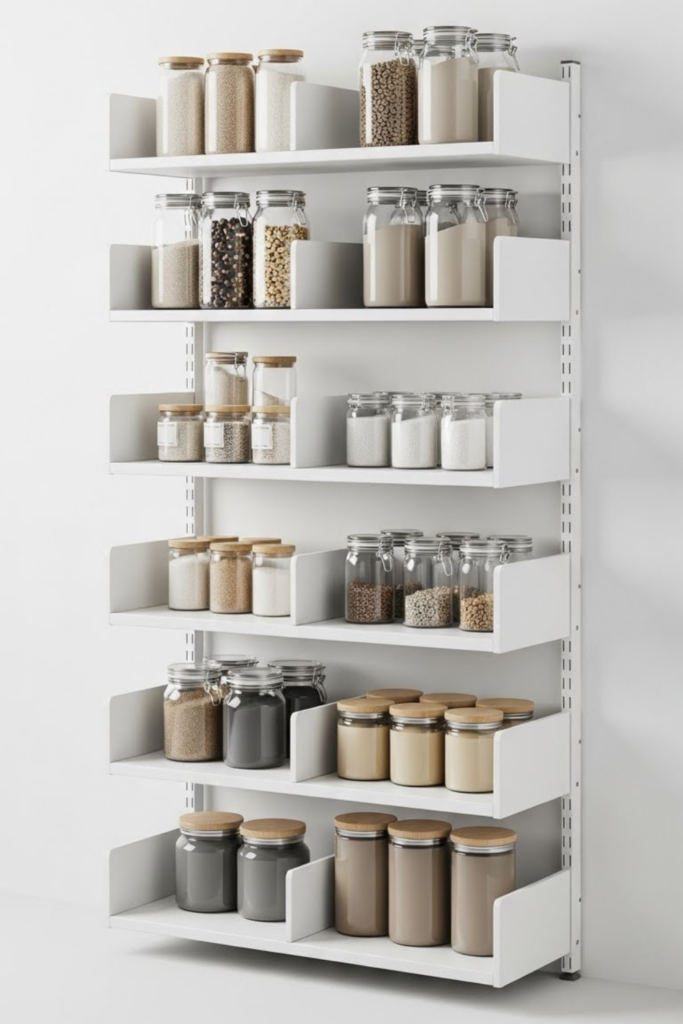
Shelves fail when they try to hold everything. This rule gives each shelf one clear purpose. One shelf for mugs, one for bowls, one for linens.
It works in any kitchen, closet, or bathroom. If a shelf has one job, it’s easier to maintain and harder to clutter by accident.
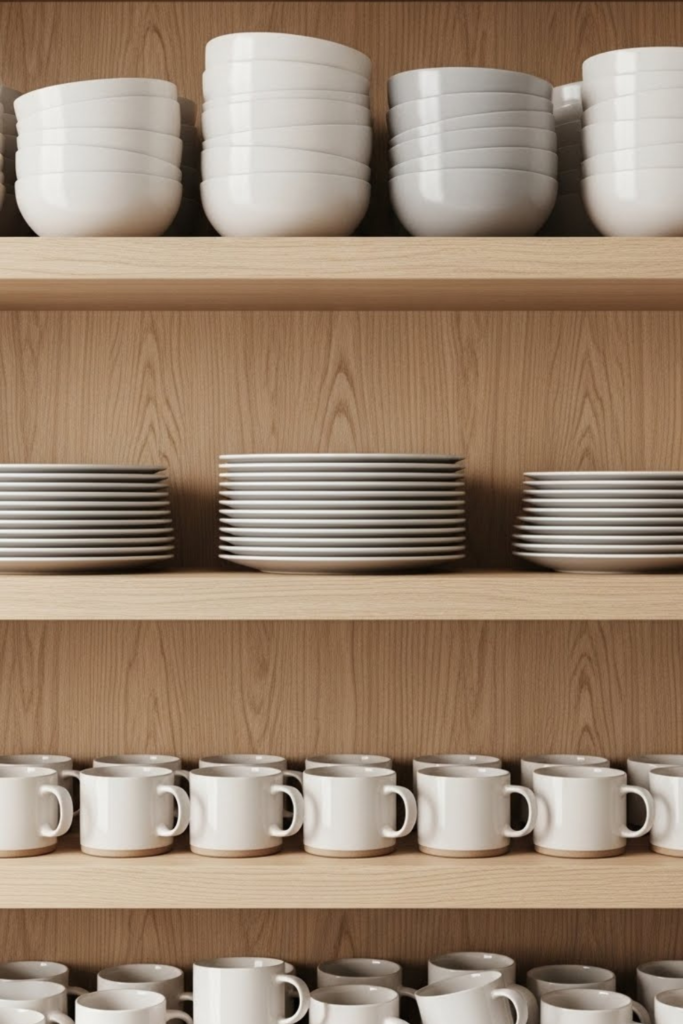
Front-Facing Display
You forget what you own, face items forward. Instead of stacking deep, line items so labels face out, works best for books.
You’ll see everything instantly. When shelves show you what’s there, you stop buying duplicates and digging around.
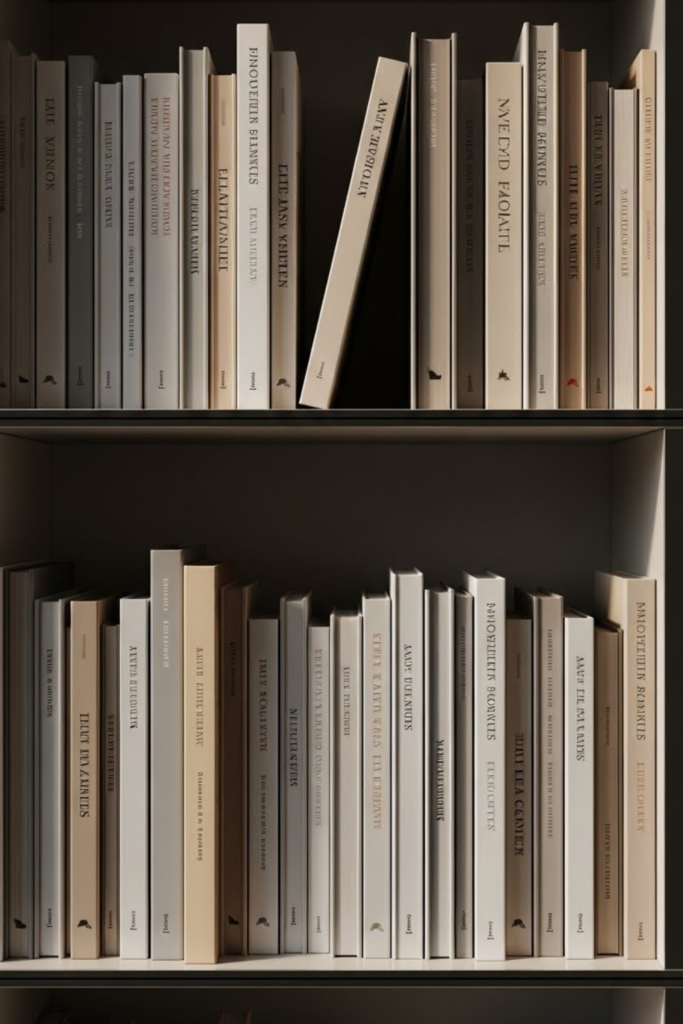
Shelf Height Reset
Sometimes the problem isn’t the stuff, it’s the shelf spacing. Reset heights so items fit with minimal wasted space above them.
Tall items get tall gaps, short items get tight ones. When shelves match what you store, stacking problems disappear naturally.
FAQs
What is the purpose of a shelf?
The purpose of a shelf is to hold items so they are easy to see, reach, and put back. A good shelf keeps things off the floor, saves space.
Creates order instead of clutter. When a shelf has a clear purpose, it stops becoming a dumping spot and actually helps you stay organized.
How to arrange products on shelves?
Arrange products by grouping similar items together and giving each group its own space. Place frequently used products at eye level, and backups higher.
Use bins or dividers to keep items from spreading. When every product has a clear spot, shelves stay neat without constant fixing.
You may like to read!
- 27 Pantry Organization Ideas
- 27 Under Sink Organization Ideas
- 20 Pegboard Organization Ideas
- 26 Bathroom Drawer Organization
- 22 Vanity Organization Ideas

Fasial is the founder of the Fizzy Flare. He has been a passionate blogger since 2021. He ran three different websites in the past few years. Now he is focusing on Fizzy Flare to build an audience and help them organize their life.