23 Paper Organization Ideas for 2026
This post may contain affiliate links: full affiliate disclosure.
You’re not the only one whose paperwork keeps stacking up on the kitchen counter, desk, or dining table.
You get a stack of bills, essential papers get lost in the mail, and all of a sudden you can’t find the one paper you really need.
A lot of people think they need a big filing cabinet to solve this problem, but that’s not true. You really just need a simple structure that provides each piece of paper a home.
In this article, you will discover 23 brilliant paper organization ideas. These solutions will help you create a cleaner, more functional space in your home.
Let’s jump in!
Contents
- 1 What Is the Best Way to Organize Paperwork Without a Filing Cabinet?
- 1.1 Cube Shelves
- 1.2 Paper Trays
- 1.3 Paper Slots
- 1.4 Label Boxes
- 1.5 Color Bins
- 1.6 Rolling Cart
- 1.7 Cabinet Door
- 1.8 Shelf Trays
- 1.9 Folder Basket
- 1.10 File Bin
- 1.11 Paper Basket
- 1.12 Clear Bins
- 1.13 Divider Shelves
- 1.14 Vertical Rack
- 1.15 Tier Files
- 1.16 Paper Tower
- 1.17 Label Drawers
- 1.18 Drawer Dividers
- 1.19 Pegboard Station
- 1.20 File Cubes
- 1.21 Action Drawer
- 1.22 Envelope Folders
- 1.23 Shelf Bins
- 2 FAQs
What Is the Best Way to Organize Paperwork Without a Filing Cabinet?
If you don’t have a filing cabinet, the easiest method to keep your papers organized is to make a basic system that sorts, stores, and manages the papers that come in.
Put all of your loose papers in one location so you can see what you have. Then, divide them into three main groups: papers you need to do something with, papers you need to keep.
And papers you can throw away. Once you’ve gotten rid of the extra papers, put the vital ones away in simple things like binders, labeled folders, or accordion files.
To keep new papers from turning into random stacks again, keep a small tray or basket for them. It’s lot easier to stay organized when every piece of paper has a distinct place.
Save this article for later! 👇👇
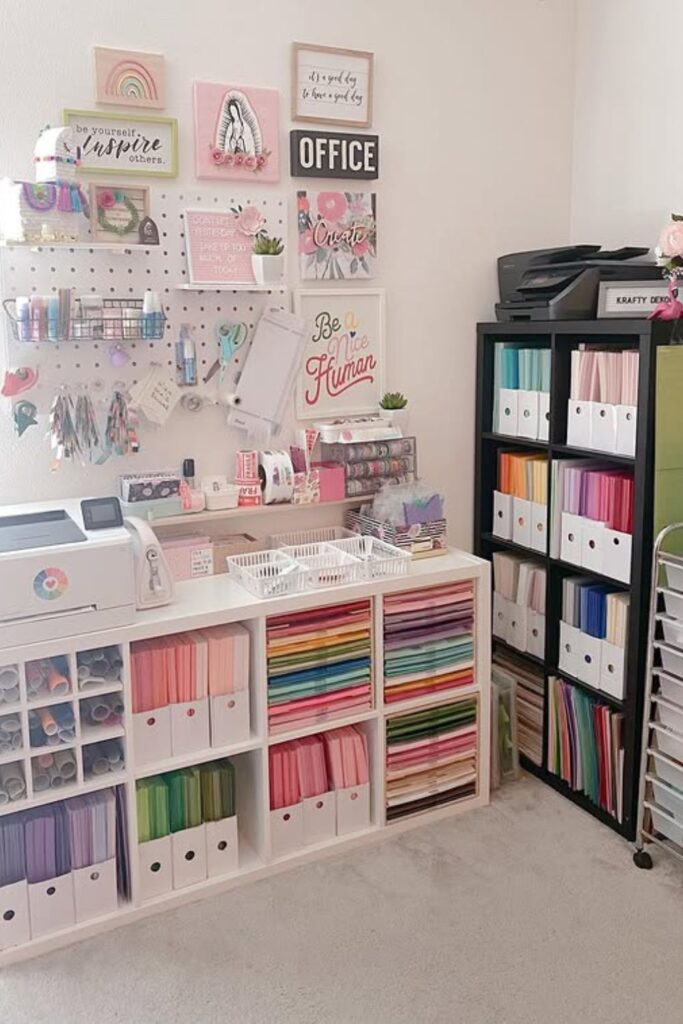
Cube Shelves
Paper clutter becomes easier to control once every category has its own cube. Open shelving like this works well for paperwork.
Because each part can carry a different kind of document, including bills, school papers, craft sheets, or essential information.
It’s even easier to find what you need fast when you color-code the folders inside each cube. It’s easy to set up this way again: just put cube shelves against a wall.
And put magazine holders or file boxes in each slot. Use colored dots or labels to keep each group the same.
This kind of arrangement is great for home offices or craft rooms where papers come in all sizes and need to be easy to get to instead of being locked up in a cabinet.
Paper Trays
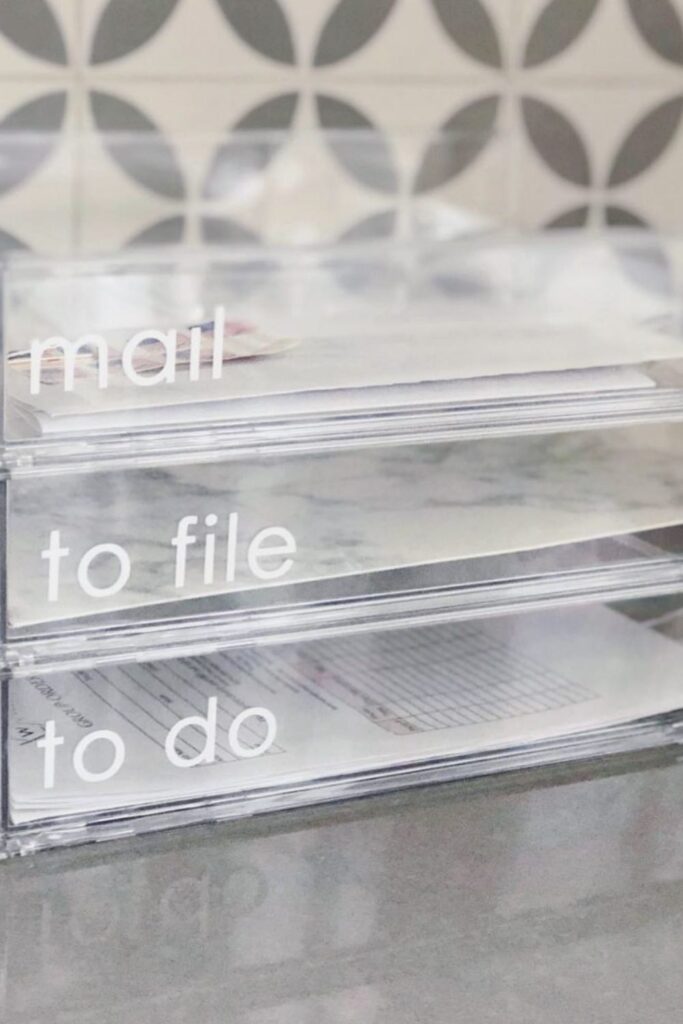
Paper piles usually grow because incoming documents don’t have a clear next step. A simple tray system fixes that instantly.
Put a few thin desk trays on top of each other and give each one a job: one for mail that just came in, one for papers that need to be acted on, and one for papers that need to be filed.
Clear trays are good since you can see everything, which makes it less likely that you’ll forget about duties that are lurking under a pile.
Put this setup next to where you regularly get mail or paperwork, like on a desk, an entry table, or the kitchen counter.
Move papers from the “to do” tray to the “to file” section once a week so that nothing stays there for too long. This little routine saves paperwork from piling up.
Paper Slots
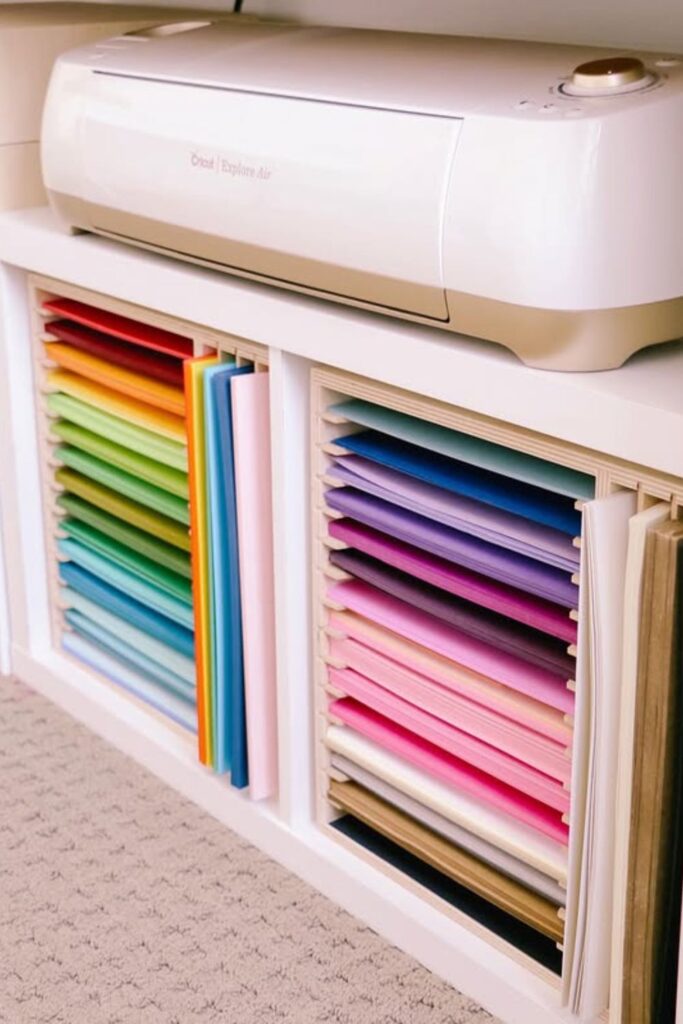
Stacks of loose sheets often get bent or lost because they sit in random piles. Slim horizontal slots solve that problem by giving every stack its own layer.
Put slide documents in separate compartments so that the pages stay flat and are easy to grab. Color-coding works really well here.
Put documents that are similar together so you can find the right portion in a flash. Put a paper organizer insert or shallow shelf dividers inside a cube unit to make this idea work again.
Putting it under a desk or worktable puts things you use often close by without making the surface messy.
This kind of organized layer works well for craft paper, printables, school assignments, or any other papers that need to stay clean and wrinkle-free.
Label Boxes
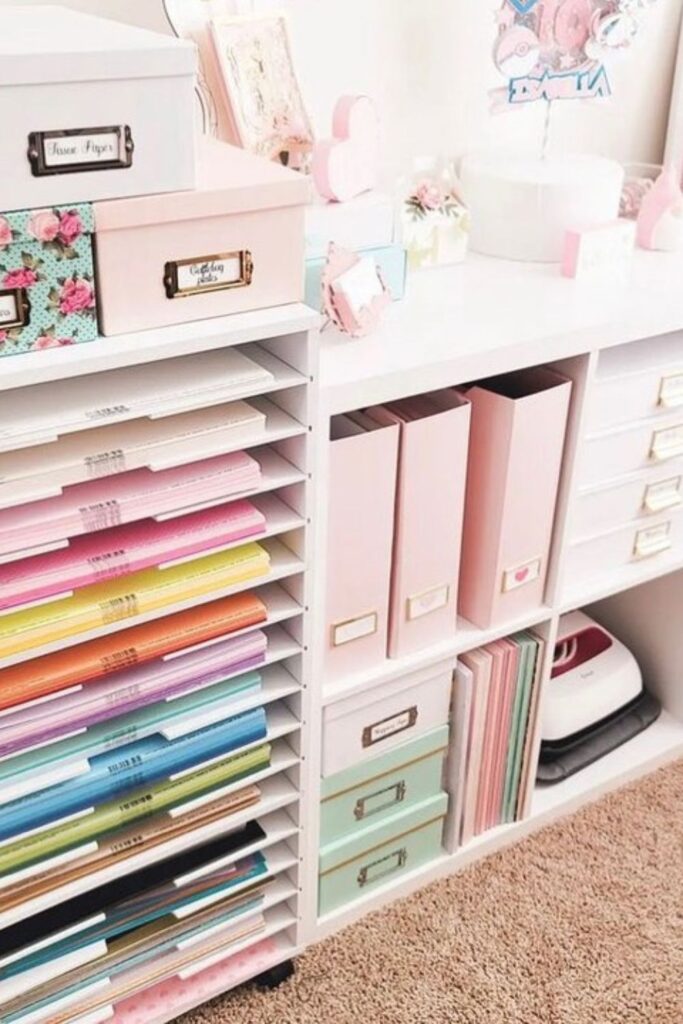
Paper chaos fades quickly once documents live inside clearly labeled boxes. Decorative storage boxes like these turn paperwork into something neat and easy to maintain.
You can put tax paperwork, receipts, warranties, or personal information in each box, so nothing gets mixed up.
Label holders on the front make it easy to tell what’s inside without having to open every box.
Put strong document boxes on a shelf, cabinet top, or closet shelf where they will keep your papers safe but still easy to get to.
This is especially useful in bedrooms, craft spaces, or home offices where you want storage to look neat and planned.
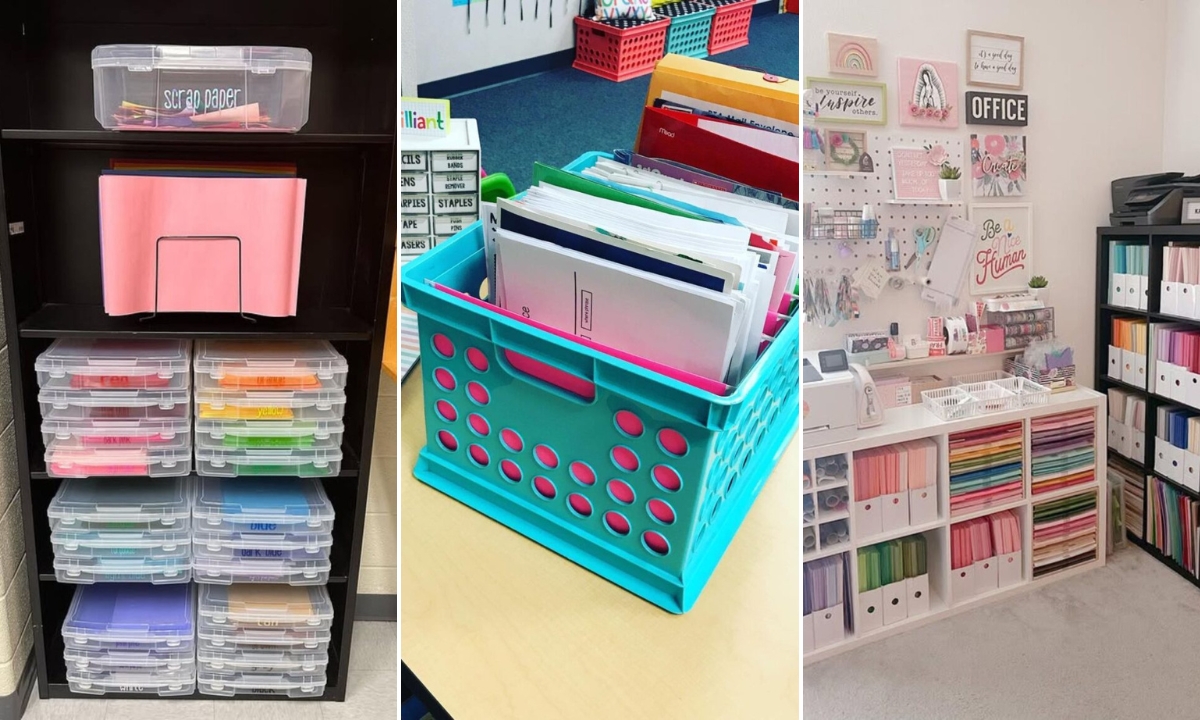
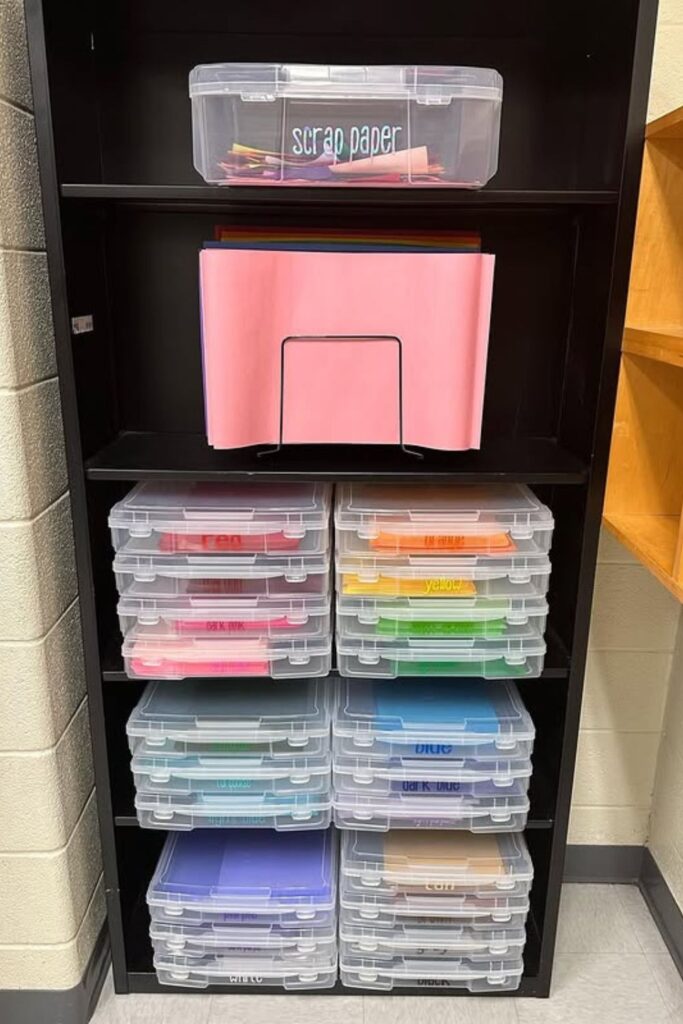
Color Bins
Sorting paperwork by color creates a system that is fast to understand at a glance. Clear plastic bins like these work well.
You can see what’s inside without having to open each container. Give each container a type or color of paper, like school worksheets, craft paper, printouts, or project paperwork.
Then, put them all together on a shelf. Labels on the front make the system even easier to understand, especially if more than one person uses the space.
To set this up again, all you need is a strong shelf and a few shallow storage boxes with lids.
Papers are safe from dust and bending, yet you can still easily pull them out when you need them.
Rolling Cart
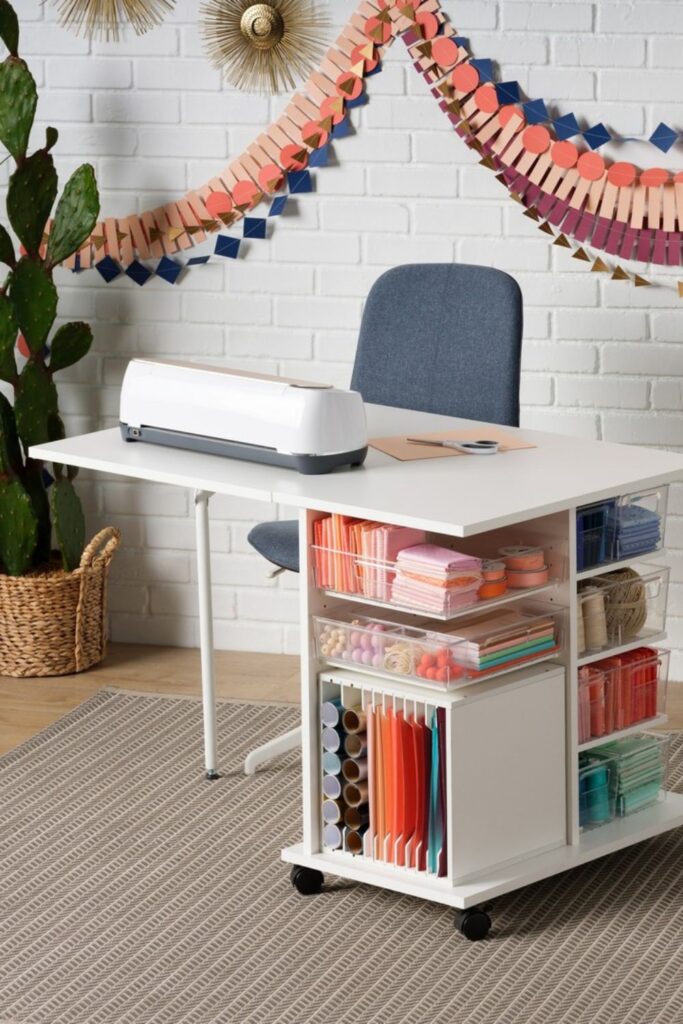
Workspace clutter shrinks quickly once paperwork storage moves right under the desk. A rolling cart like this keeps folders, envelopes.
And loose sheets that are structured without taking up extra space. Vertical slots keep documents upright so you can see them and get to them easily.
Small bins keep materials that usually wind up all over the place organized. The wheels make the configuration versatile.
You can move the cart next to your desk while you work and then put it away when you need more room.
It’s easy to make a comparable system: just pick a slim rolling organizer with compartments and give each one a paper category.
Cabinet Door
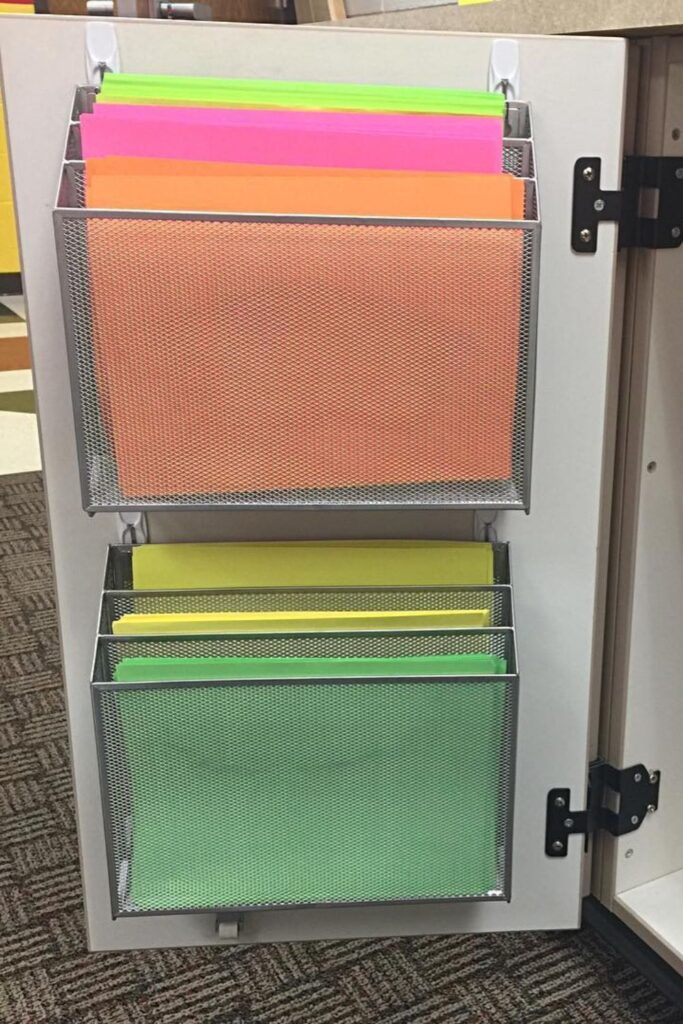
Unused cabinet doors hide a surprising amount of storage space. Mounting slim wall file holders inside the door turns that empty area into a quick paper station.
Bright folders keep upright and are easy to grab, which is perfect for organizing worksheets, forms, or ongoing projects.
You can use screws or strong adhesive hooks to install simple metal file pockets or mesh organizers.
When you open the cabinet, you can see everything at once, yet the documents stay covered when you close the door.
This design is best for small home offices, classrooms, or study areas because it increases storage without taking up space on the desk or shelves.
Shelf Trays
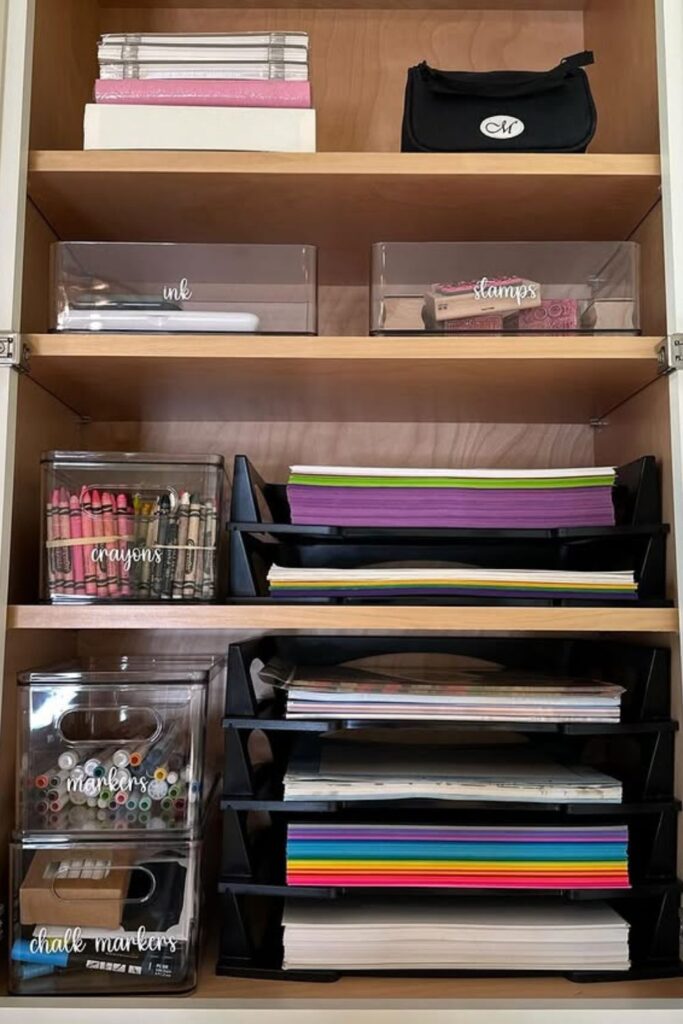
Order appears quickly once papers move from messy piles into stacked shelf trays. Layered organizers like these separate documents without needing a large filing cabinet.
You can put different types of items on each level, such printouts, school papers, project sheets, or documents that need to be used.
Once trays separate the space into clear portions, shelves within cupboards or bookcases are considerably more handy.
Put a few stacking desk trays on a strong shelf and give each one a job to do to recreate the configuration.
This kind of system works best in craft rooms, study areas, or family command centers where people use different kinds of paper all the time.
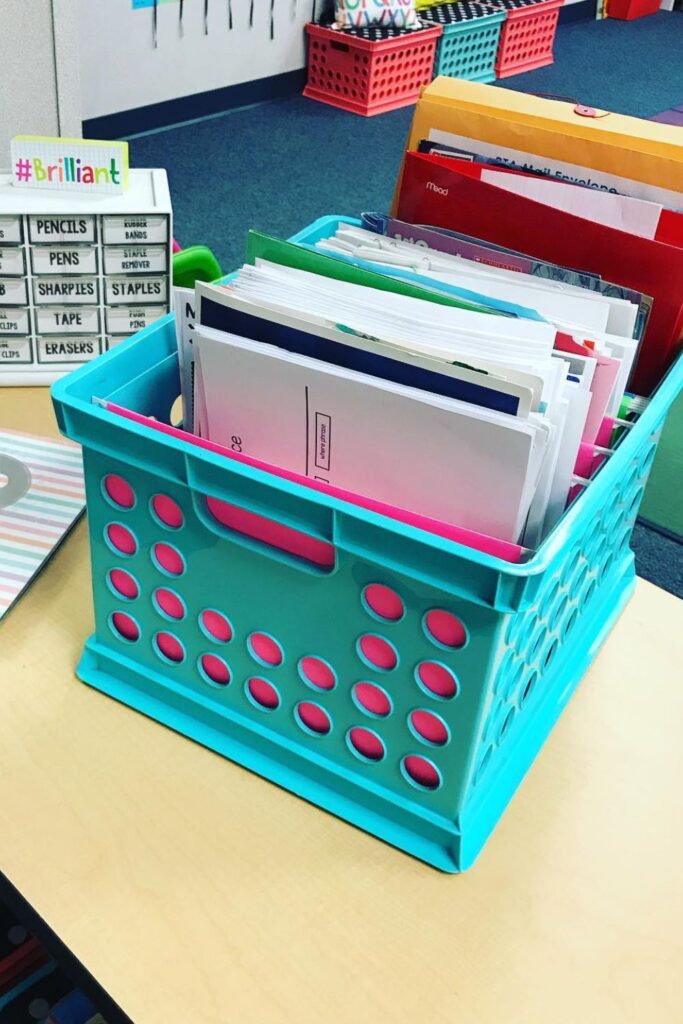
Folder Basket
Loose papers travel around the house until one container finally gives them a home. A simple basket filled with upright folders.
Keeps papers together without needing drawers or cabinets. Each folder can stand for a group of things, such bills, documents to sign, school papers, or weekly paperwork.
That needs to be done. If you stand the folders up, you can rapidly flick through them instead of having to rummage through stacks.
You can make this idea again by putting a few bright folders next to each other in a strong plastic bin.
It’s easy to put new papers in the proper spot straight away if you keep the basket on a desk, entry table, or family command center.
File Bin
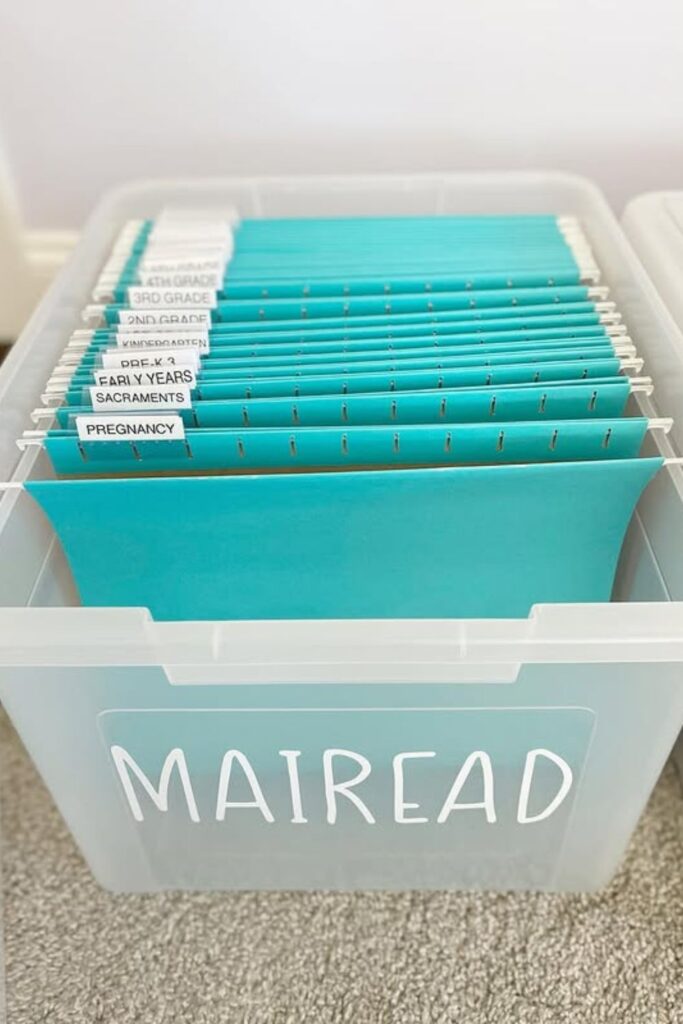
Important documents stay safer when grouped inside one dedicated file bin. Hanging folders inside a sturdy plastic container create a simple filing system without needing a cabinet.
Each folder label shows what period of life or type of document it is, like school records, medical papers, certificates, or personal files.
This makes it easy to find something later without having to rummage through piles. To put this up again, all you need is a storage bin.
That is big enough to house hanging folders and a set of labeled tabs. Putting the bin on a shelf in the closet, the office, or beneath the desk keeps everything safe but still easy to get to.
These kinds of systems are great for keeping family papers that need to be kept for a long time in order.
Paper Basket
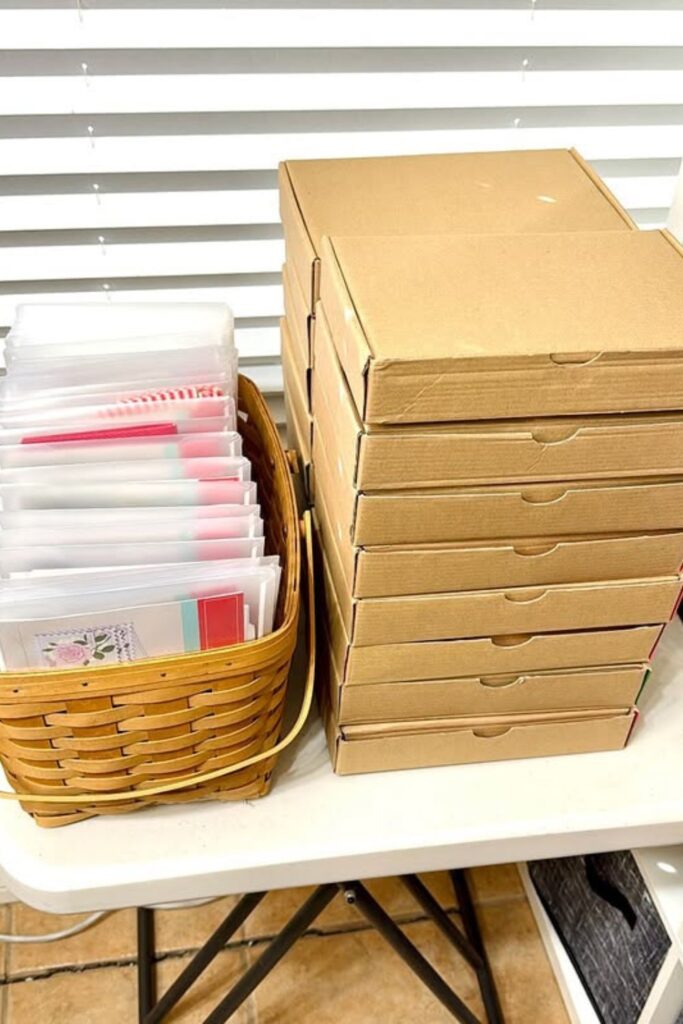
Paperwork that moves between projects often needs a flexible home rather than a fixed drawer.
A basic basket with clear drawers keeps paperwork together while yet being easy to look at. You can easily see what’s in each set without having to open every folder with clear sleeves.
Putting them straight in a strong basket keeps the papers from bending or sliding about. You only need a medium basket.
And a few plastic document sleeves or folders to put this up again. Put the basket on a desk, shelf, or craft table where you commonly use papers.
This kind of quick-access approach is great for current tasks, downloadable worksheets, or paperwork that has to be changed often.
Clear Bins
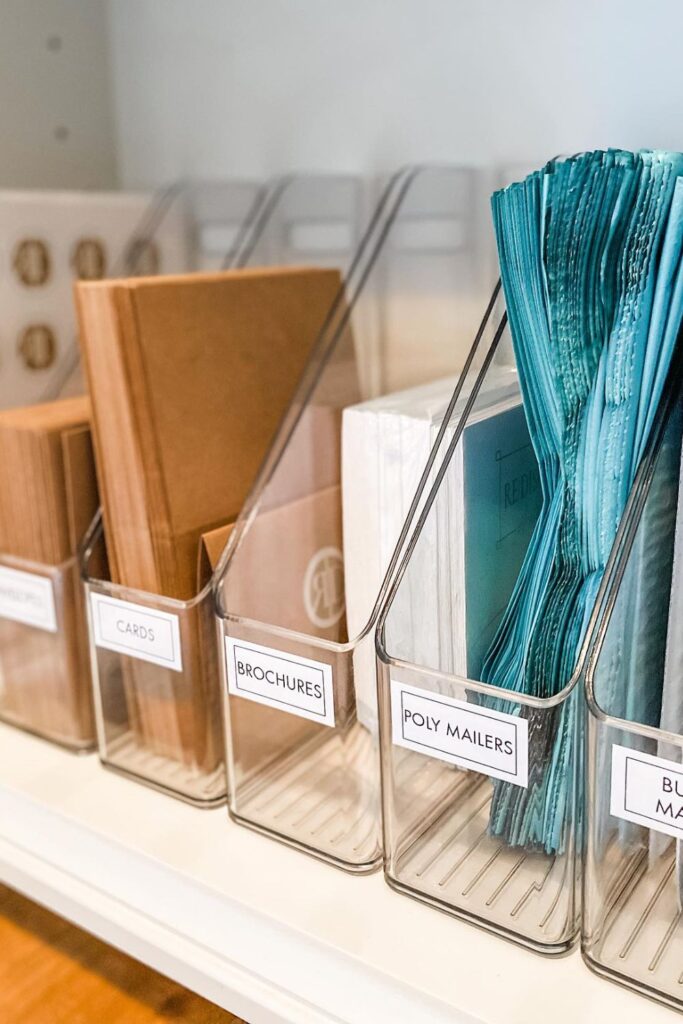
Small paper supplies often create clutter because they scatter across drawers and shelves. Clear bins instantly solve that problem by giving each item its own visible space.
When you put cards, envelopes, brochures, and mailers into labeled boxes like these, they stay upright and are easy to grab.
Storage that is clear works best on open shelves since nothing gets concealed behind stacks.
To set up this method again, just put a row of clear organizer bins on a shelf and name each one with the sort of paper inside.
This is useful for home offices, small enterprises, or craft spaces that use a lot of different types of paper.
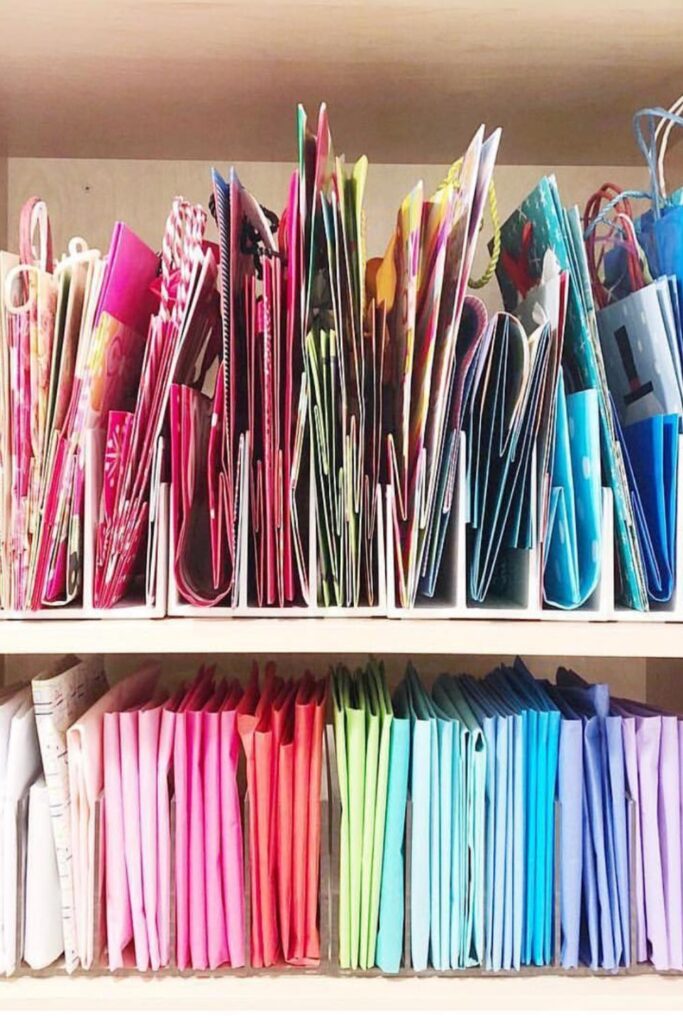
Divider Shelves
Paper stacks quickly turn messy when different projects get mixed together. Shelf dividers create clear sections so each group of papers stays upright and separate.
These thin vertical compartments make it easy to put folders, envelopes, or papers in their respective slot instead of stacking them on top of each other.
Color-coding the folders makes them even more organized by letting you see categories right away.
This layout works nicely in bookshelves, cabinets, or storage cubes. Just add little magazine holders or shelf dividers to divide the space.
These neat rows are great for keeping schoolwork, craft supplies, or tasks that are still going on out of sight and easy to get to.
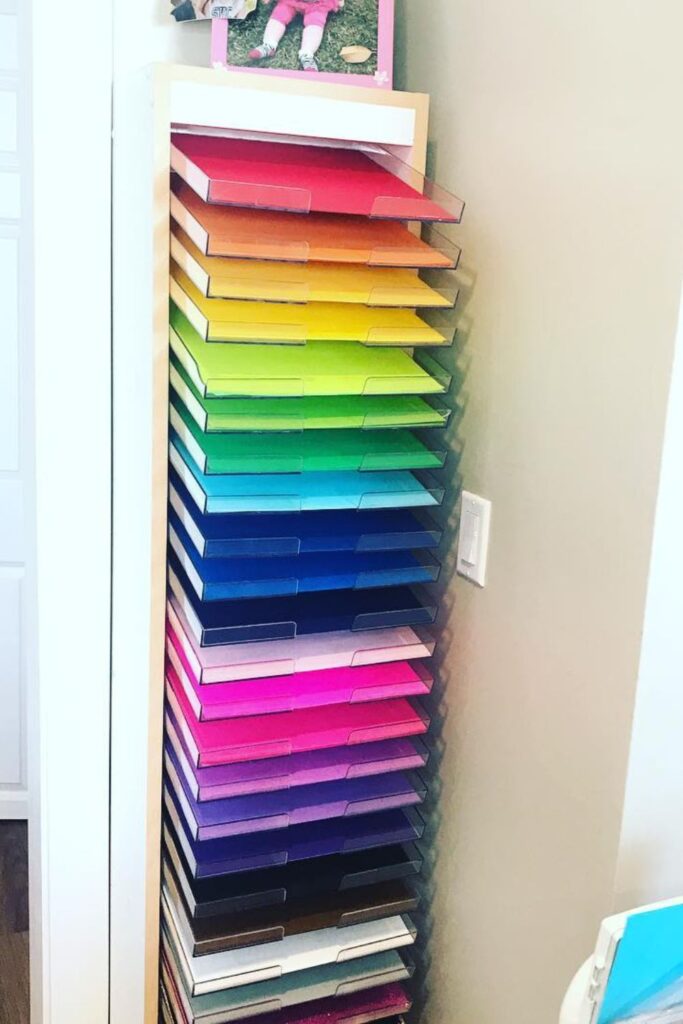
Vertical Rack
Tall storage makes a huge difference when paper collections start growing. A vertical rack like this keeps dozens of sheets separated without spreading them across multiple shelves.
There is one color or type of paper in each slot, so it only takes a few seconds to find the right page instead of going through stacks.
Slim racks fit wonderfully in tight locations next to desks, cupboards, or craft tables where standard storage would take up too much space.
A multi-tier paper organizer made for 12×12 sheets or regular documents is the easiest way to recreate this idea.
This technique is great for craft paper, cardstock, or printable materials that need to stay precisely smooth since standing the papers up keeps the edges flat and stops them.
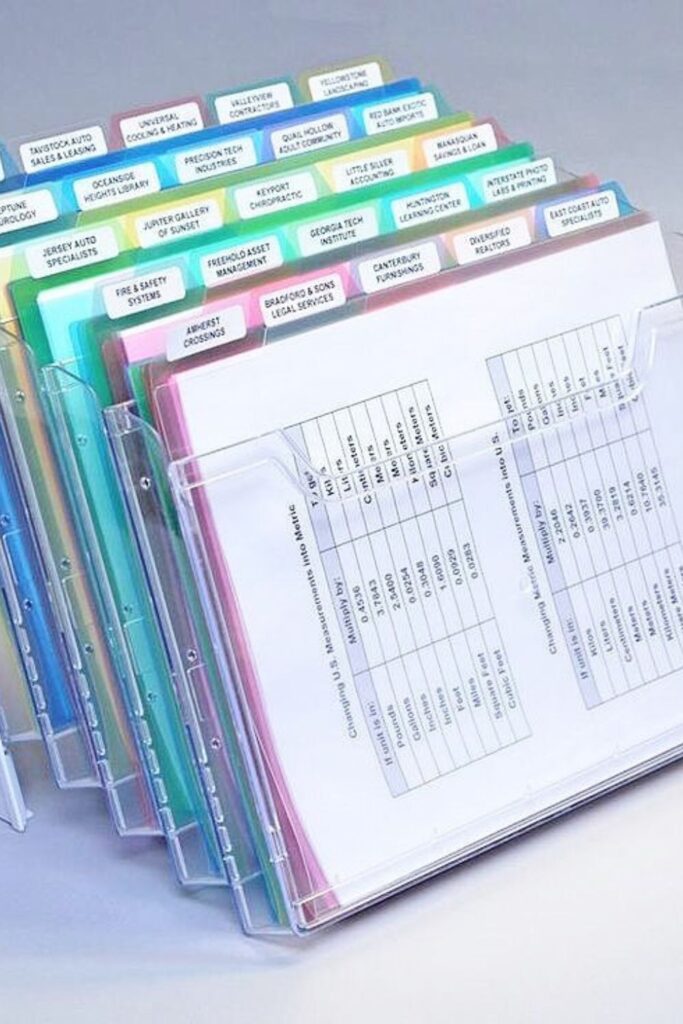
Tier Files
Finding a single document becomes much easier once files stand upright instead of stacking on top of each other.
No more digging through jumbled heaps of files with tiered file organizers. They let you see all of your folders at once.
Each slot can keep a different type of document, including bills, contracts, medical data, or household papers.
The method is considerably easier to use with colored folders and labeled tabs. A multi-slot file stand on a desk, shelf, or in a cabinet is all you need to set this up again.
Slanted sections make it simple to see and flip through files, which is great for paperwork you need to get to often.
Paper Tower
Stacks of specialty paper stay much easier to manage when stored in a tall paper tower like this.
Slim horizontal slots keep each page level, apart, and easy to grab without having to sort through stacks.
Sorting by color adds another level of order, making it easy to find the exact type or shade of paper in seconds.
This setup is best for craft rooms and home offices since it can hold a lot of paper without taking up much floor space.
Use a vertical paper organizer cabinet or a stacked shelf insert made for flat sheets to make the idea again.
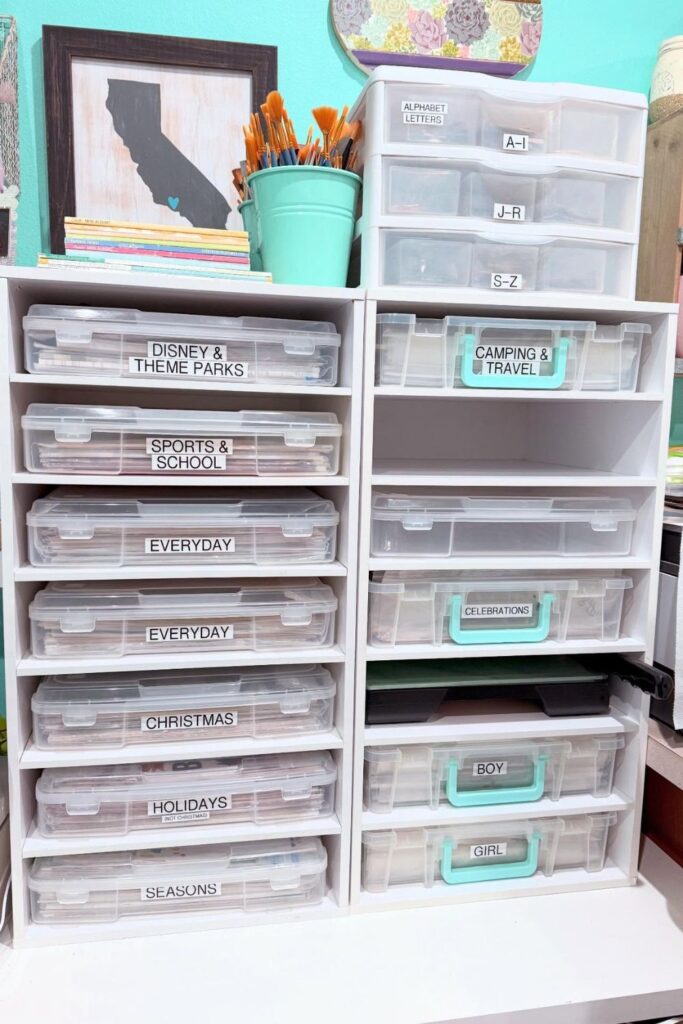
Label Drawers
Paper collections stay manageable when every category has its own labeled drawer. Shallow clear drawers like these work perfectly.
To separate documents, printables, or project materials by theme. With labels on the front, you don’t have to guess which drawer to pull out.
So you can get the one you need without opening everything. It’s easy to keep the system up to date over time if you group papers by theme, including holidays, everyday use, travel, or school.
A tiny drawer unit and clear containers that fit within each section make it easy to set this up again. Put it on a desk, craft table, or shelf where you often use papers.
This kind of organized drawer arrangement keeps things nice and easy to get to while stopping piles from forming.
Drawer Dividers
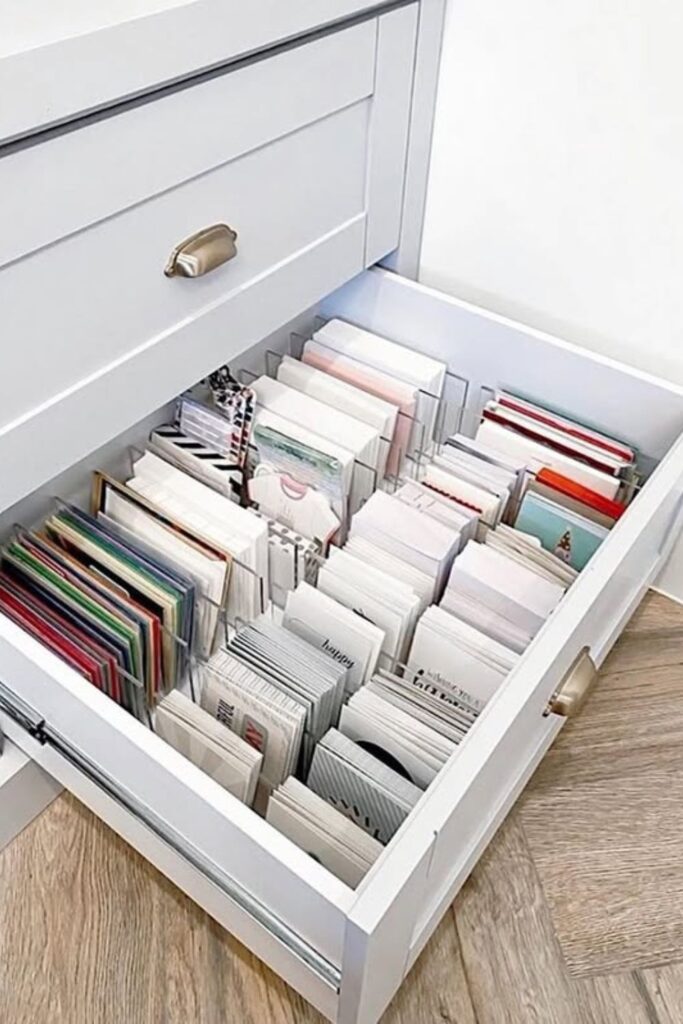
Deep drawers turn into paper chaos quickly unless the space is divided. Clear dividers like these transform a single drawer into multiple organized sections.
where cards, papers, and little pieces of paper can stand up. When you store things vertically, you can see everything and easily flip through it to find.
What you need without bothering the rest. You only need a couple adjustable drawer dividers or little acrylic organizers placed next to each other to set this up again.
Each area can keep a different type of item, including small documents, receipts, greeting cards, or stationery.
This kind of drawer system works best in desks, cabinets, or console tables where hidden storage keeps surfaces clean and papers organized.
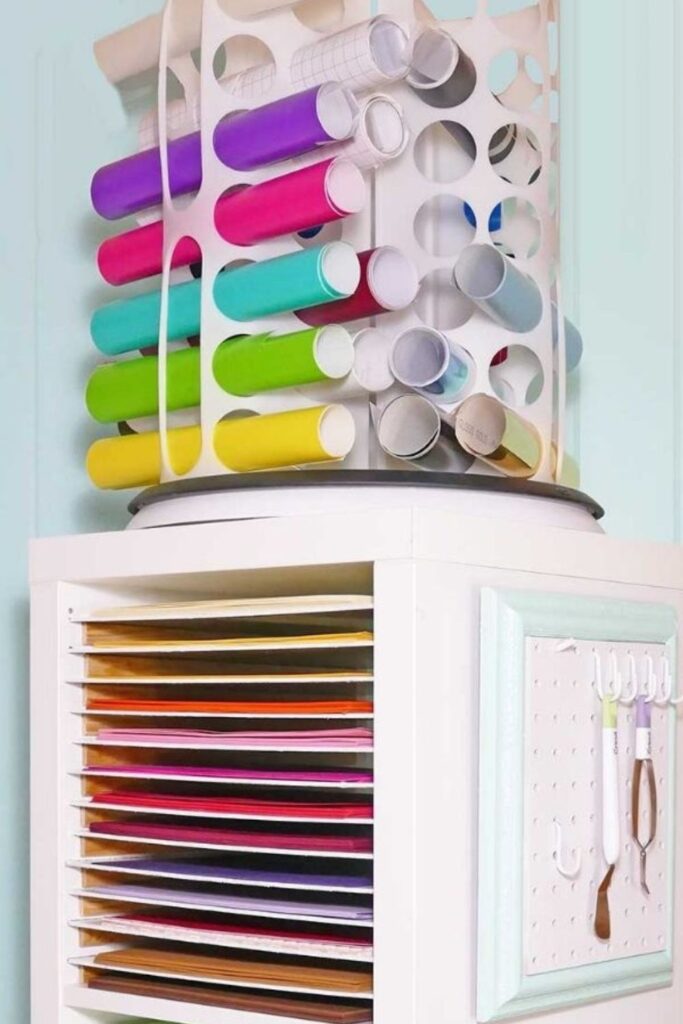
Pegboard Station
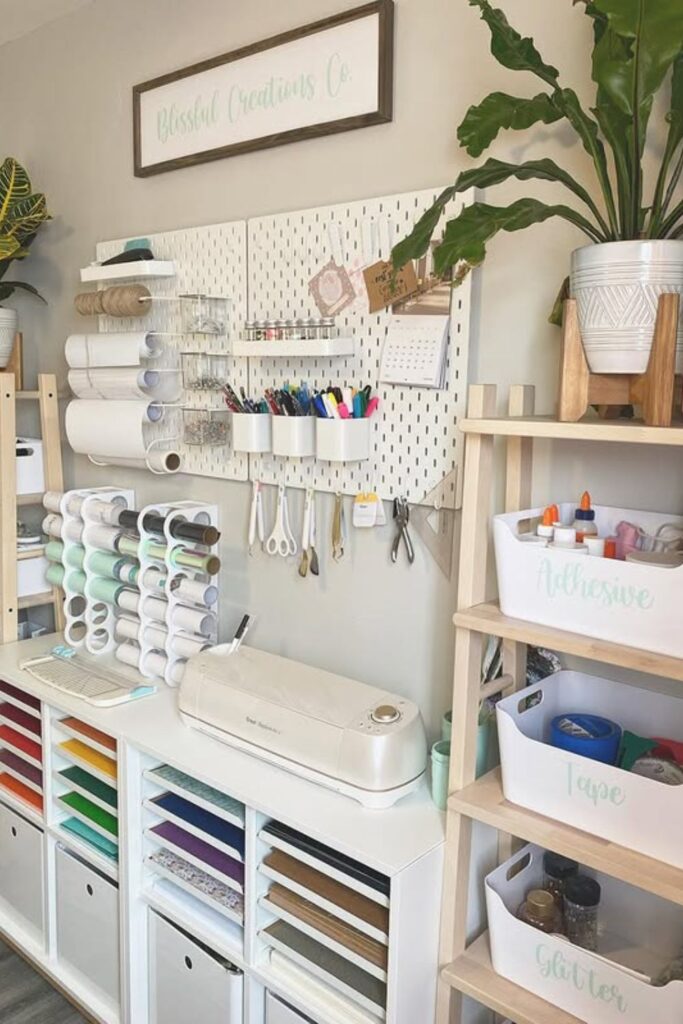
Wall space often goes unused, yet it can hold a surprising amount of paper supplies when organized properly.
A pegboard station turns a blank wall into a vertical storage space where tools, rolls, and small pieces of paper are easy to see and get to.
You can change the layout to fit what you use most by adding hooks, miniature cups, and hanging shelves.
There is a place for each of the paper rolls, envelopes, pens, and cutting tools, which keeps the work table free.
To set this up again, start by putting a pegboard panel above a desk or craft table. Then, add hooks and containers that work with your workflow.
File Cubes
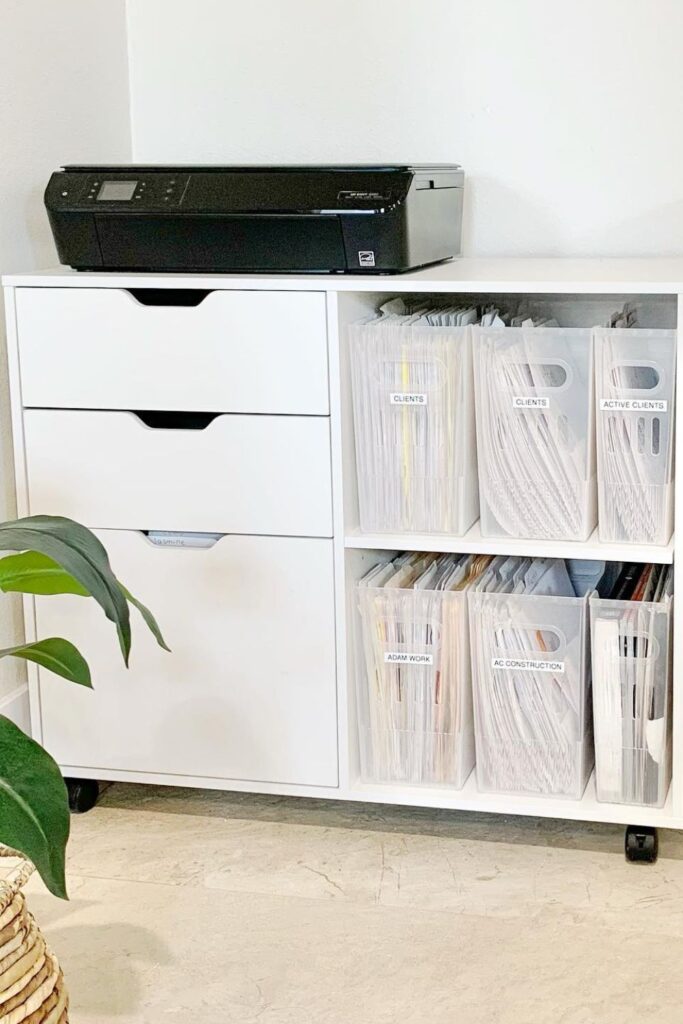
Paperwork multiplies fast when documents for different people or projects get mixed together. Open cube storage with labeled file bins keeps every category separate.
While still being easy to get to. Clear vertical bins keep files upright so you can see the documents instead of having them disappear into deep drawers.
The labels on the front make it easy to use, especially for client papers, project paperwork, or household data.
To build this arrangement again, you only need a small cube shelf and a couple file boxes that fit perfectly in each part.
Putting it next to a desk or printer station keeps papers organized where they are used, making it much easier to file them straight away instead of letting them pile up.
Action Drawer
Paper clutter stays under control when documents move through a clear workflow instead of sitting in random piles.
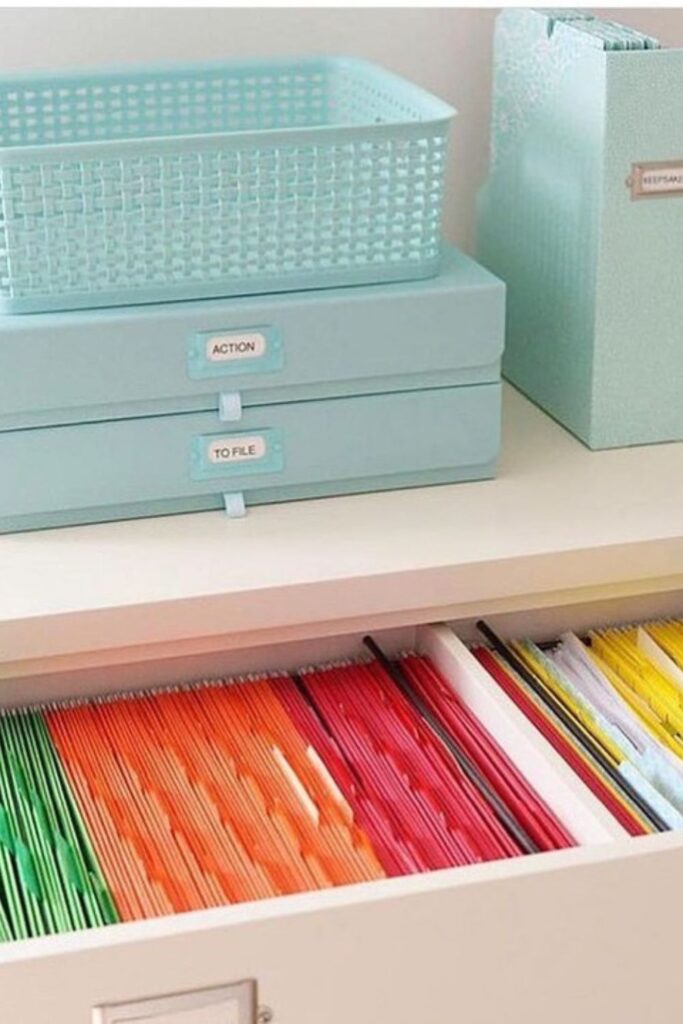
This simple system has labeled boxes for “Action” and “To File,” and color-coded folders in the drawer keep finished documents by kind.
Put important papers in the action box first. When the work is done, move them to the right folder.
A shallow drawer, hanging folders, and a couple of small labeled boxes on the shelf above work well to recreate this setup.
This kind of organized system is great for keeping track of bills, documents, and other paperwork without having to use a filing cabinet.
Envelope Folders
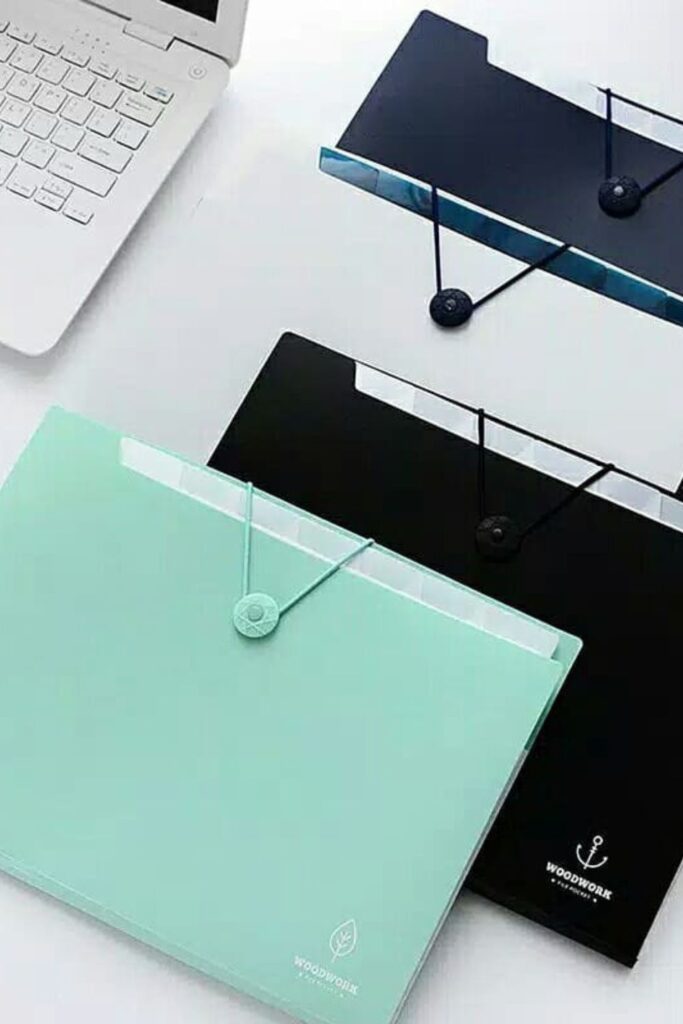
Loose papers travel everywhere until a simple folder gives them a home. Slim envelope folders like these keep documents protected while still easy to carry between places.
Elastic closures keep papers from slipping out, so they are great for keeping receipts, forms, project papers, or documents you need to bring to meetings.
Put all of your bills, medical paperwork, school papers, or current projects in one folder so that they don’t get jumbled up.
It’s easy to set this system back up by keeping a few labeled envelope folders in a desk drawer or work bag.
This kind of compact storage is great for everyday papers that you travel between your desk, car, or home office.
Shelf Bins
Paper items stay far easier to manage when they stand upright instead of stacking into messy piles.
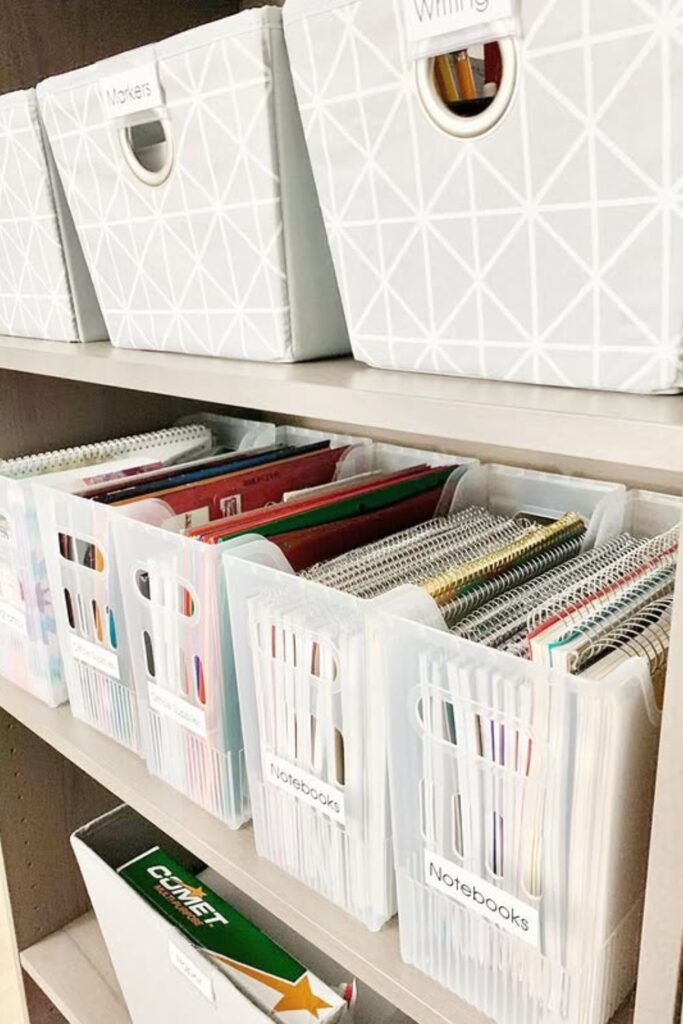
These open shelf bins make it easier to see and get to notebooks, folders, and papers by making obvious portions.
Labels on the front of each container make it easy to see what goes where, which helps everyone in the house put items back where they belong.
All you need to do to recreate this idea is put a few strong plastic containers next to each other on a shelf.
Vertical storage avoids papers from bending and makes it easy to flip through notebooks, planners, and project folders.
FAQs
How do you keep paperwork organized long-term without it piling up again?
To keep your paper organized, you need to make a small habit out of it. Set aside a few minutes each week to go over new papers instead of letting them pile up for weeks.
Put things you don’t need to keep physically in your file folders, throw away things you don’t need, and scan documents you don’t need to keep physically.
What papers should you actually keep when organizing documents?
You don’t have to keep every piece of paper in your system. Keep documents that will be used for a long time, like tax records, insurance paperwork, medical records, warranties.
And vital personal records. You should recycle or shred junk mail, old flyers, and other papers that you get every day as soon as you can.
You may like to read!
- 26 Dresser Organization Ideas
- 21 Freezer Drawer Organization
- 22 Playroom Organization Ideas
- 21 Lazy Susan Organization Ideas
- 22 Nail Polish Organization Ideas

Fasial is the founder of the Fizzy Flare. He has been a passionate blogger since 2021. He ran three different websites in the past few years. Now he is focusing on Fizzy Flare to build an audience and help them organize their life.