26 Narow Storage Ideas for 2026
This post may contain affiliate links: full affiliate disclosure.
If you have a narrow hallway, you already know how frustrating it can be. There’s just enough space to walk through, but not enough room to drop shoes, store bags, or add furniture.
The real issue isn’t the hallway itself, it’s how the space is being used. Most narrow hallways have valuable wall space that goes untouched.
In this article, you’ll learn how to turn that wasted space into smart storage with 26 narrow storage ideas.
Let’s jump in!
Contents
- 1 How can i make the most of a narrow hallway for storage?
- 1.1 Wall-to-Wall Drop Zone
- 1.2 Fridge-Side Shelving
- 1.3 Tall Linen Cabinet
- 1.4 Built-In Hall Niche
- 1.5 Sloped Wall Storage
- 1.6 Low-Profile Cabinets
- 1.7 Hidden Utility Storage
- 1.8 Entryway Command Center
- 1.9 Vertical Supply Rack
- 1.10 Closet Door Storage
- 1.11 Narrow Walk-In Closet
- 1.12 Light-Filled Closet
- 1.13 Slim Drawer Tower
- 1.14 Closet Cube System
- 1.15 Modular Shoe Wall
- 1.16 Open Locker Storage
- 1.17 Vertical Shoe Towers
- 1.18 Leaning Ladder Shelf
- 1.19 Flip-Down Shoe Cabinet
- 1.20 Wall-Mounted Boot Rack
- 1.21 Pegboard Wall Organizer
- 1.22 Built-In Book Wall
- 1.23 Double-Sided Closet Door
- 1.24 Slim Pantry Shelves
- 1.25 Pull-Out Base Storage
- 1.26 Library-Style Hallway
- 2 FAQs
How can i make the most of a narrow hallway for storage?
To make the most of a narrow hallway for storage, think vertically and keep the floor as clear as possible. If you place bulky furniture on the ground.
Hallway will instantly feel blocked and uncomfortable. Instead, use the walls to carry the load. Wall-mounted shelves, hooks, and cabinets.
Your hallway feels dark or tight, shallow storage works better than deep units because it keeps sightlines open.
You also want to place storage where you already stop and pause, like near the entry or outside a bedroom door, instead of lining the entire hallway.
When you treat the hallway as a pass-through first and a storage area second, you get a space that stays open while still holding everything you need.
Save this article for later! 👇👇

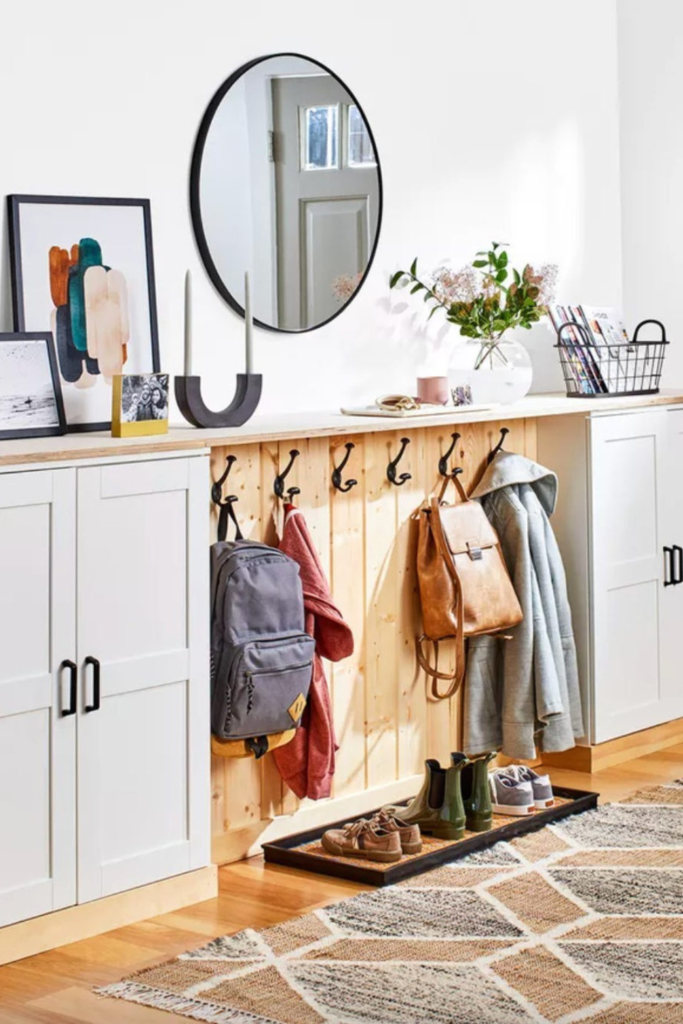
Wall-to-Wall Drop Zone
Walkways get messy fast when coats and bags land on the floor. A slim built-in like this works best in narrow entry hallways.
Depth is limited, but wall width is available. Recreate it using shallow base cabinets on both sides and a hook rail in the center.
Warm under-cabinet lighting adds functionality at night, while natural light and a round mirror keep the hallway feeling open.
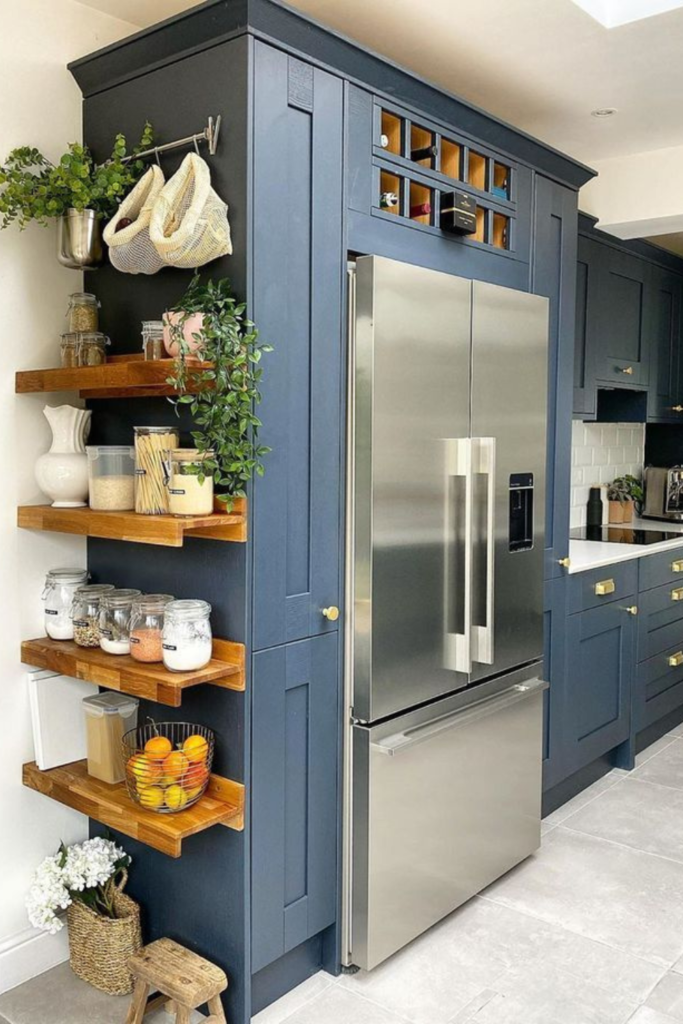
Fridge-Side Shelving
That awkward strip beside the fridge often stays empty for no good reason. Open shelving works best here.
It keeps the space usable without boxing the kitchen in. Installing shallow wood shelves that line up with the cabinet depth.
Plants soften the look, and recessed ceiling lights paired with natural light keep the narrow zone bright and intentional.
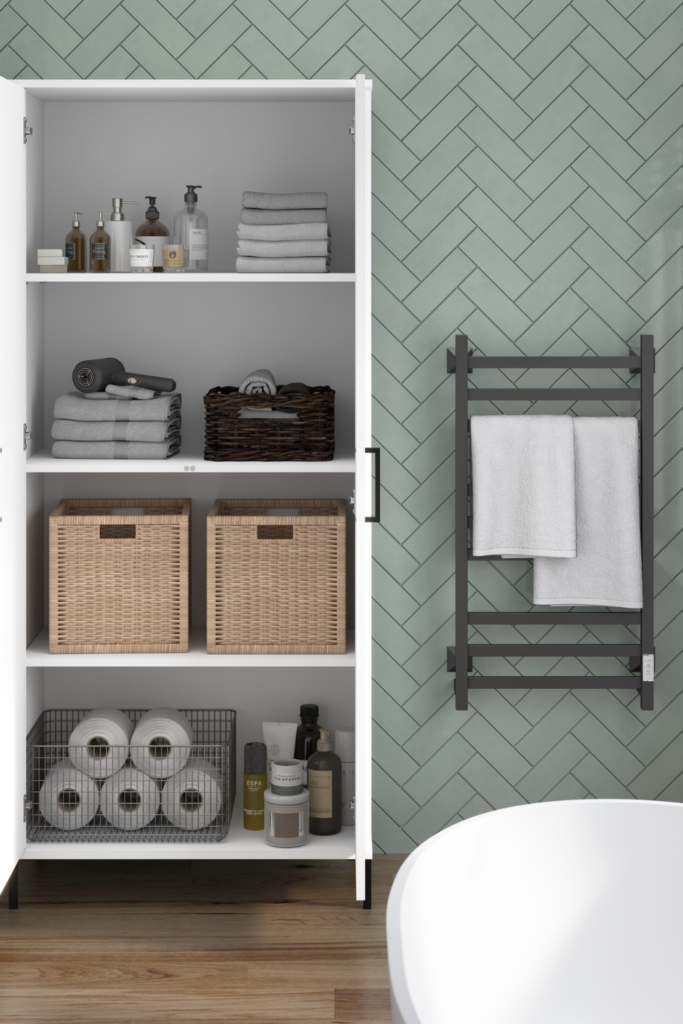
Tall Linen Cabinet
Bathrooms feel crowded when storage extends outward. Use adjustable shelves and baskets to separate daily items.
A tall, narrow cabinet works best along unused wall sections near tubs or showers where floor space is limited.
Soft daylight from nearby windows pairs well with wall-mounted task lighting, keeping everything visible and accessible.
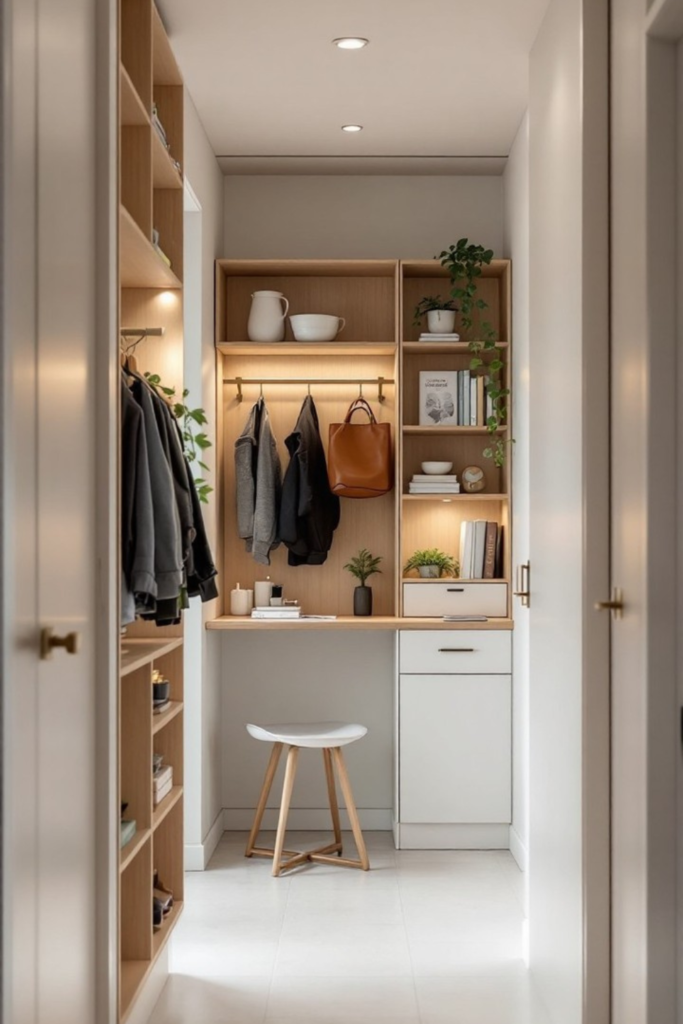
Built-In Hall Niche
Dead-end hallways feel pointless until storage gives them a job. Build it with shallow shelving, a compact drawer base.
A recessed niche like this works best at the end of a narrow corridor or outside a bedroom door for daily grab-and-go.
Warm integrated shelf lighting handles task needs, while recessed ceiling lights keep the walkway evenly lit and uncluttered.
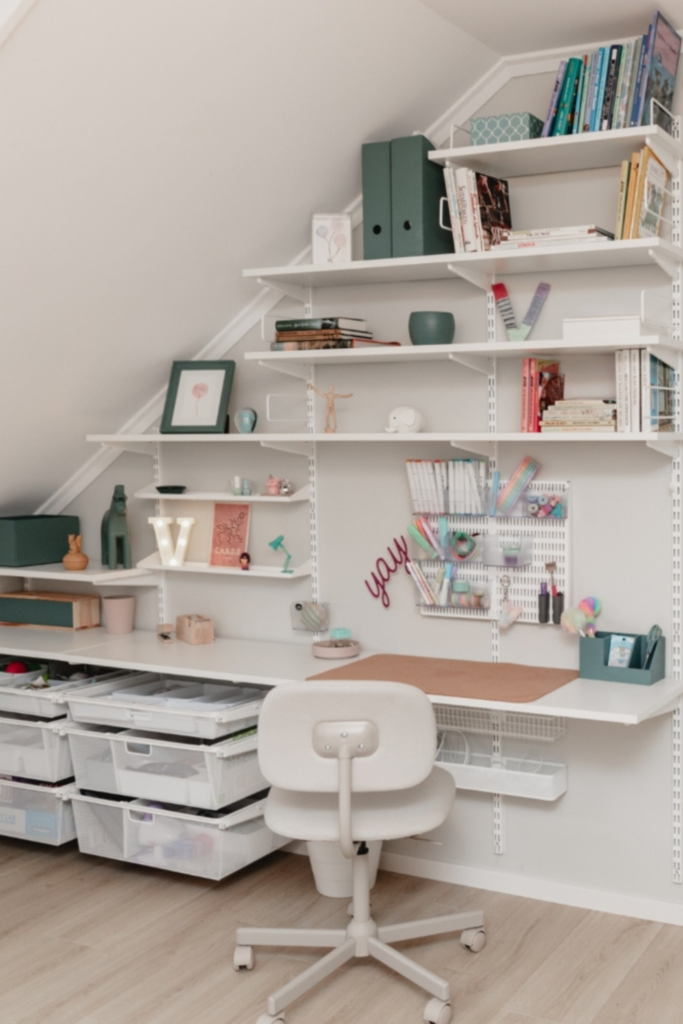
Sloped Wall Storage
Slanted hallway walls are often overlooked, yet they offer significant vertical potential. Mixing open shelves with pull-out bins.
Handle both display and clutter. Adjustable shelving systems work best here because they follow the angle without wasting depth.
Soft daylight does most of the work, while small under-shelf lights add focused brightness without overwhelming the narrow passage.
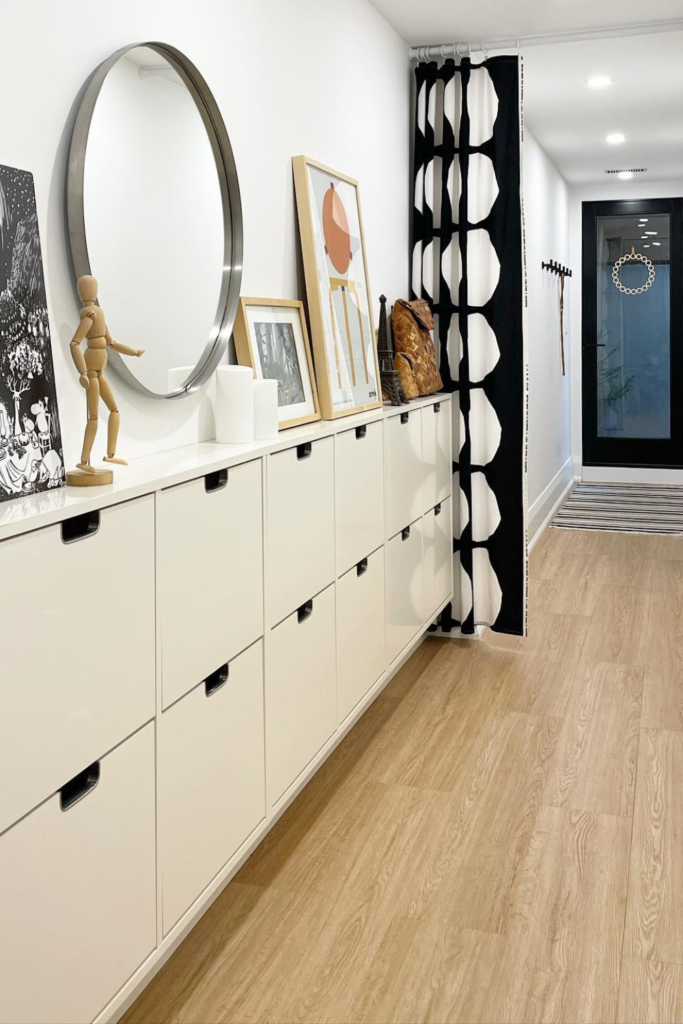
Low-Profile Cabinets
Long hallways feel cluttered when storage sticks out too far. Install slim units with push-latch fronts to keep lines clean.
A run of shallow cabinets like this works best where you need serious storage but can’t afford to lose walking space.
Art and mirrors add interest, recessed ceiling lights provide even ambient lighting, keeps the corridor bright end to end.
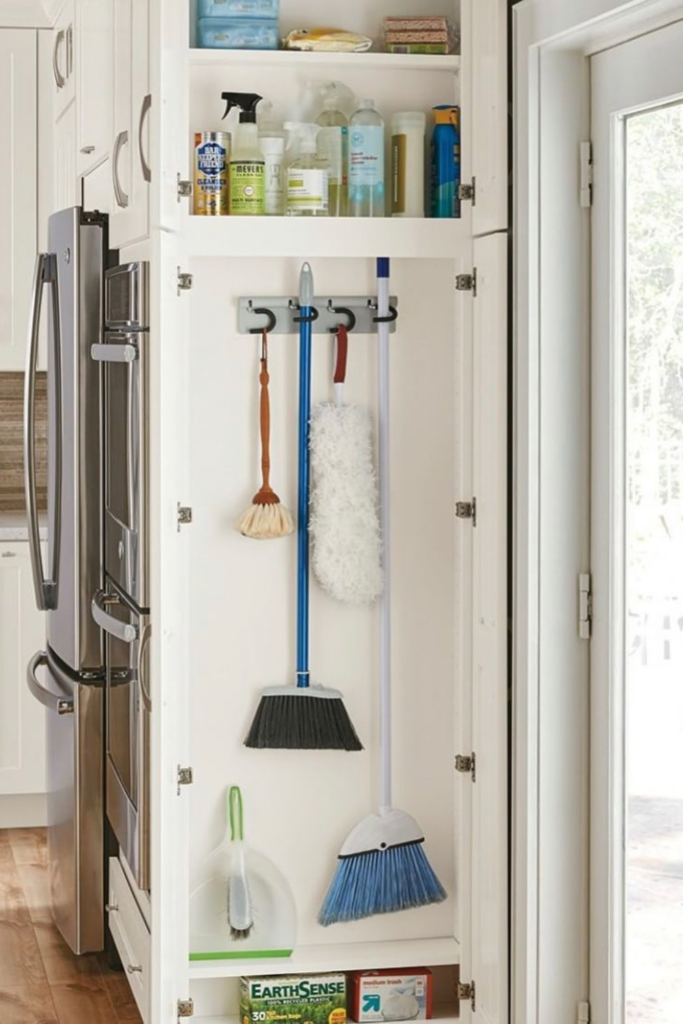
Hidden Utility Storage
Cleaning tools usually end up leaning in corners, taking up floor space. Tall, slim utility cabinet works best near kitchens.
Recreate this by adding wall-mounted clips and narrow shelves inside a full-height cabinet where depth is tight.
Daylight from nearby doors keeps it practical, overhead recessed lights handle visibility without needing extra fixtures.
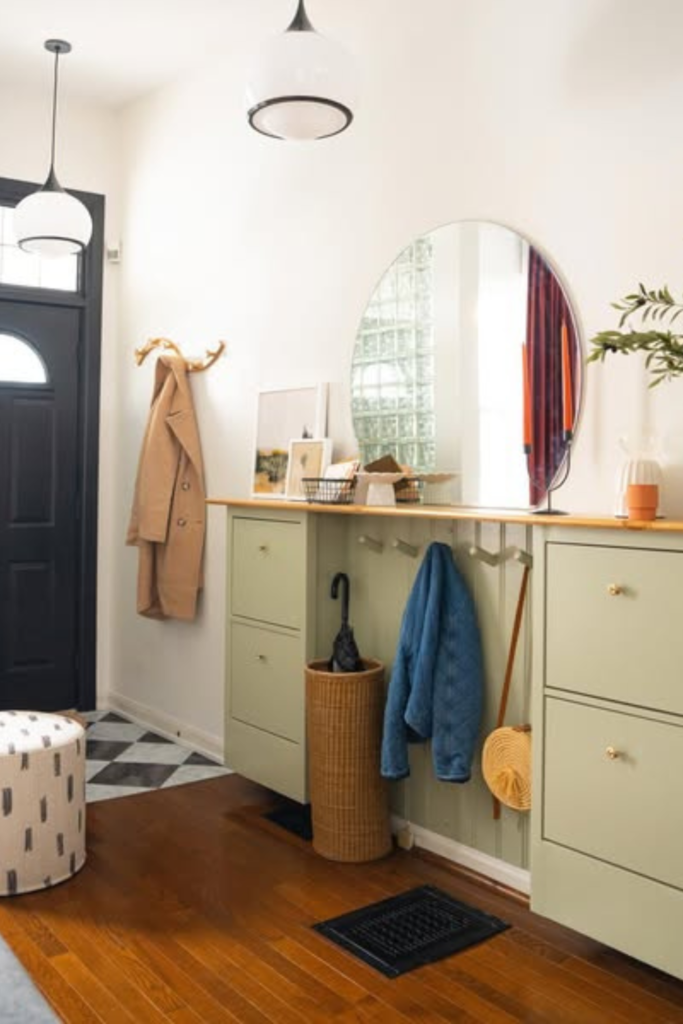
Entryway Command Center
Busy entryways fall apart when everyday items lack assigned spots. Shallow console with drawers and hooks.
This works best right by the front door in narrow halls. Combining slim base cabinets with a wood counter for drop-zone storage.
Pendant lights add ambient glow, while reflected daylight from nearby glass keeps the space bright and welcoming.
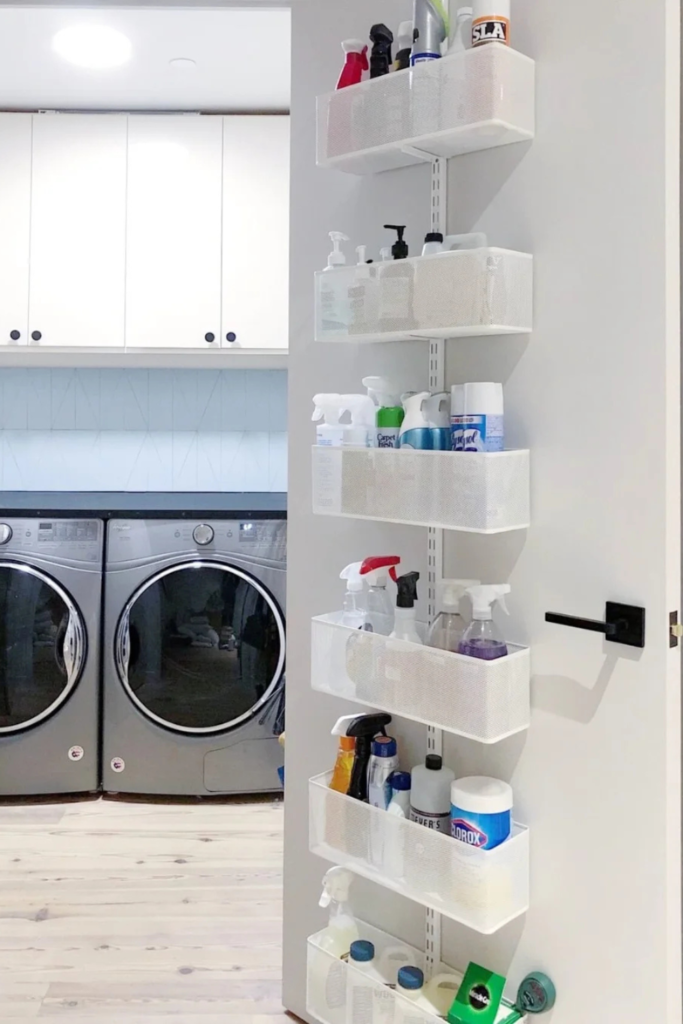
Vertical Supply Rack
Laundry rooms and side hallways usually have thin wall strips that are rarely used properly. Mount adjustable baskets.
Bottles stay visible and easy to grab. A vertical rail system like this turns that wasted slice into full-height storage.
Bright overhead ceiling lights provide general lighting, open design lets in nearby daylight, keeping the area from feeling boxed in.
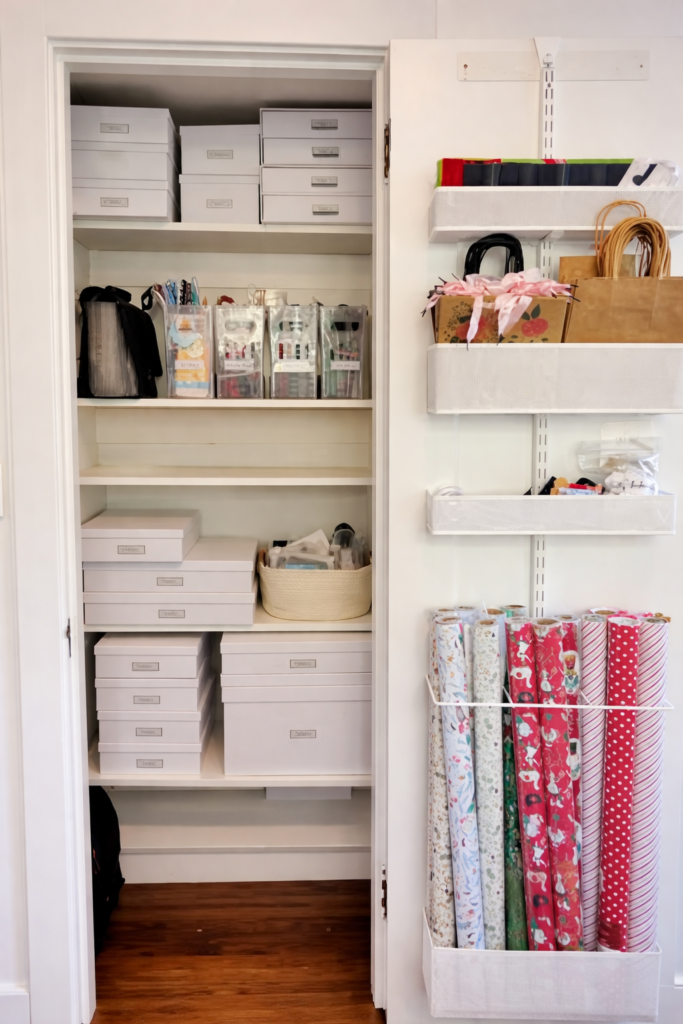
Closet Door Storage
Closet interiors run out of space fast when shelves hold everything. Door-mounted storage works best in narrow closets.
Installing vertical rails with slim baskets on the door’s interior side. Frequently used items stay visible without crowding shelves.
Soft overhead closet lighting pairs well with reflected daylight to keep the space usable without casting shadows.
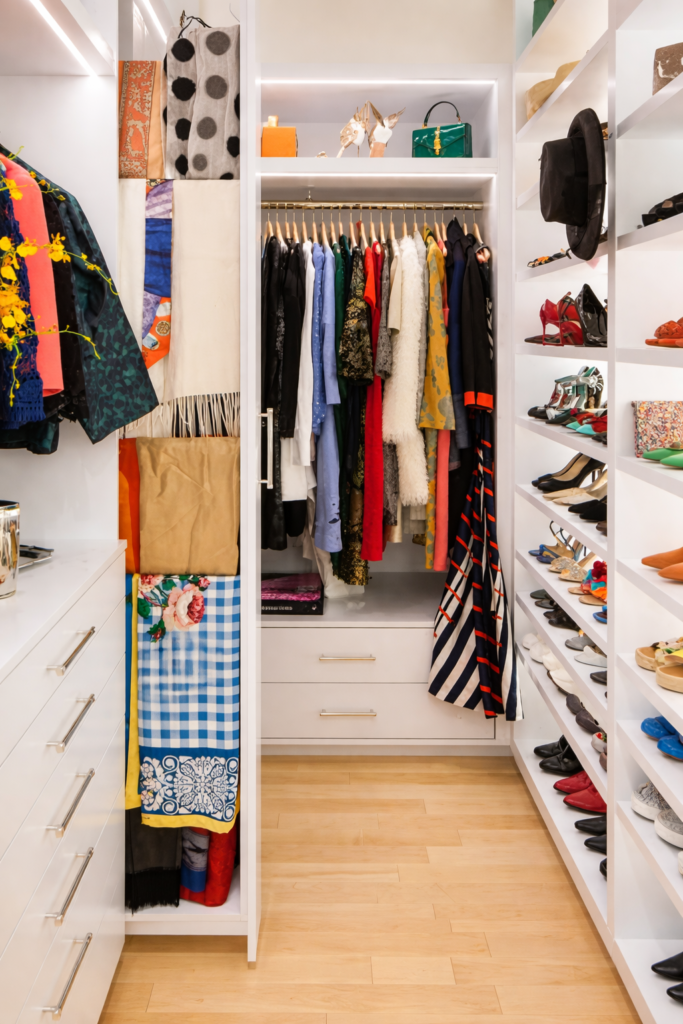
Narrow Walk-In Closet
Tight closets work better when storage wraps the walls. A narrow walk-in layout like this fits best in long, skinny rooms.
Recreate it by keeping shelves and hanging rods shallow and consistent on both sides where every inch counts.
Integrated shelf lighting highlights clothing, while ceiling spots provide even ambient light so nothing gets lost in shadow.
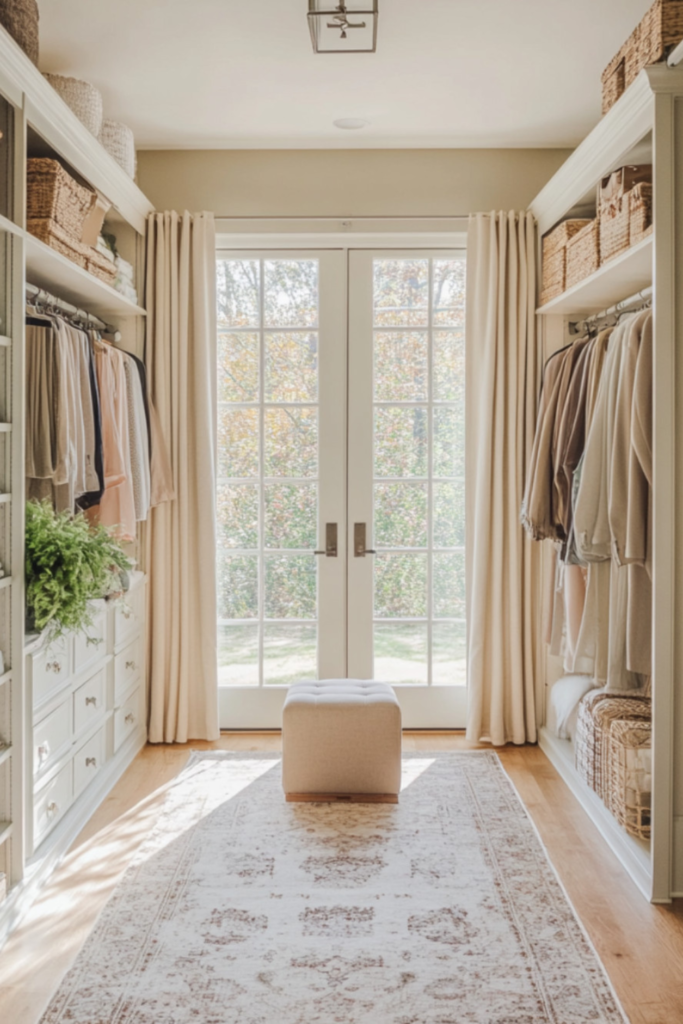
Light-Filled Closet
Narrow closets feel larger when storage stays balanced, and light flows through the center. Layout like this works best.
Keep shelving and hanging rods mirrored on both sides to maintain symmetry. Natural daylight does the heavy lifting here.
Supported by a soft ceiling fixture that keeps the space usable after dark and easy to grab without flattening the look.
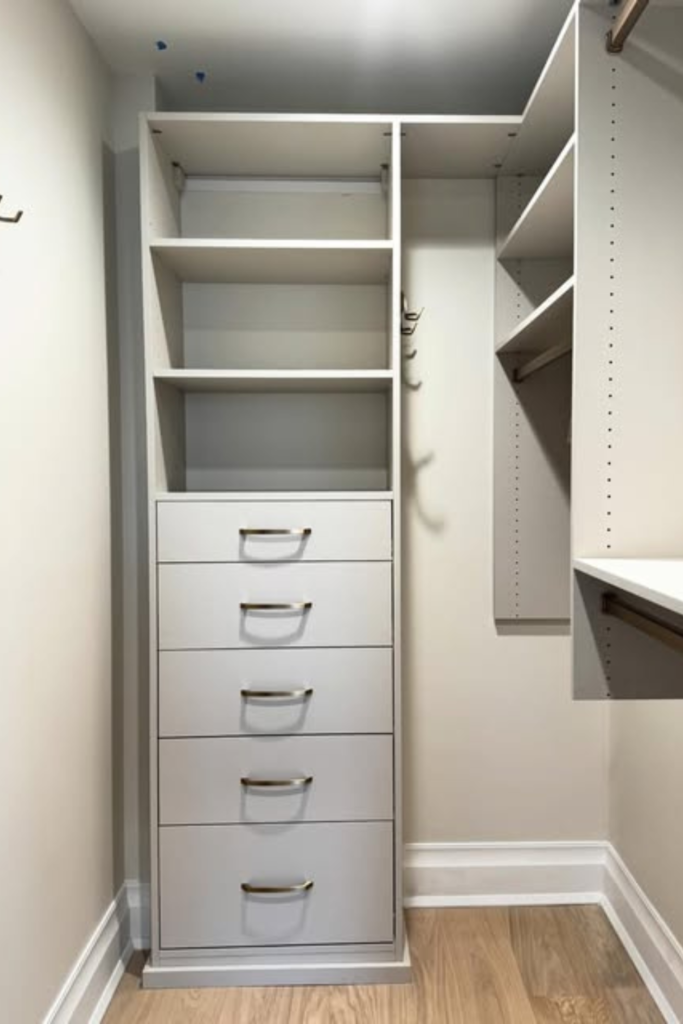
Slim Drawer Tower
Small closets lose efficiency when storage is spread out sideways, Use tall cabinet that mixes drawers and open shelves.
A narrow drawer tower works best in tight walk-in corners or beside hanging sections where depth is limited.
Overhead closet lighting provides general brightness, while the open upper section benefits from reflected light
Closet Cube System
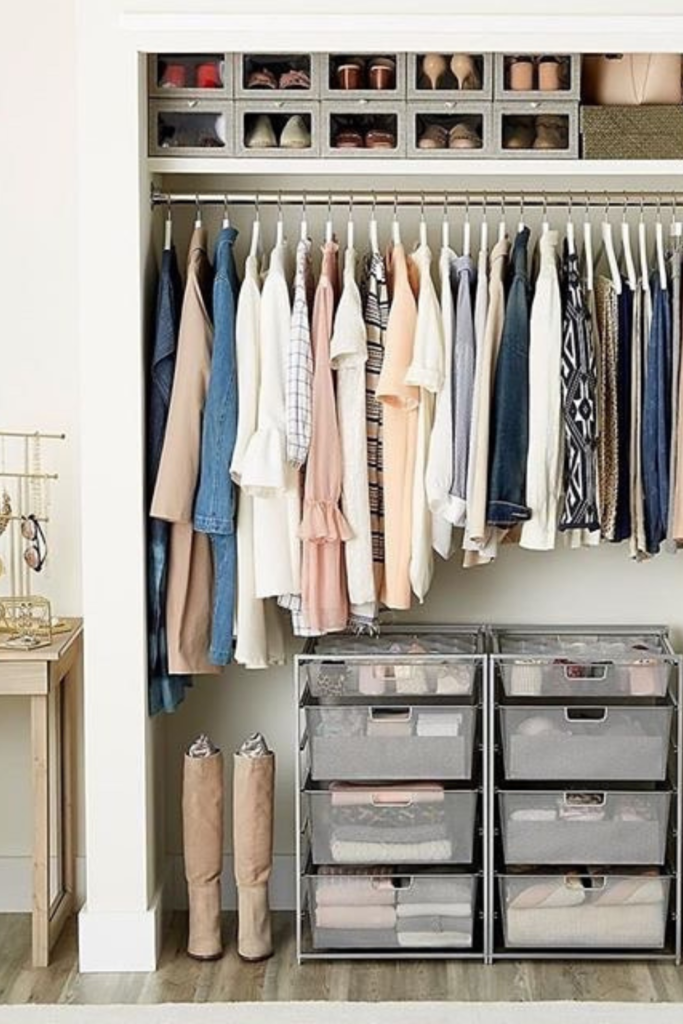
Closets stop working when small items get buried and forgotten. A cube-based system like this fits best in narrow reach-in closets.
Width matters more than depth. Stack clear drawers below hanging clothes to keep everything visible and easy to sort.
Soft ambient ceiling lighting provides general illumination, reflected daylight from the room helps prevent dark corners in the closet.
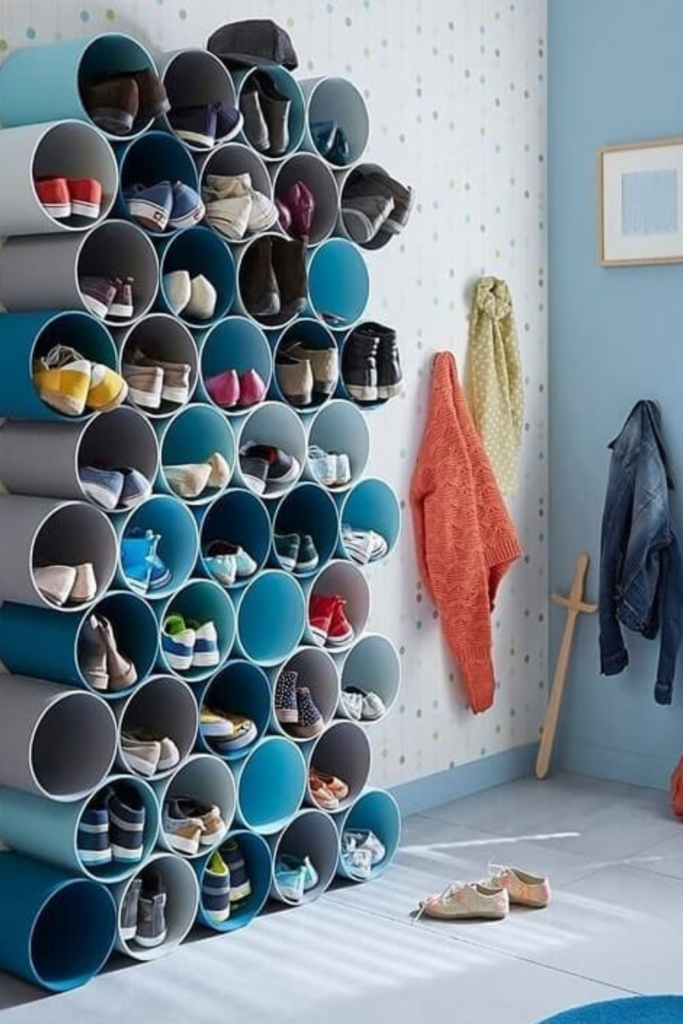
Modular Shoe Wall
Shoes eat hallway space when they spread across the floor. A vertical shoe wall like this works best in narrow entry halls.
Where width is tight but wall height is free. Build it using stackable cubbies or round modules, securely fixed to the wall.
Natural window’s day light keeps it playful, while ceiling ambient lighting prevents dark pockets between rows.
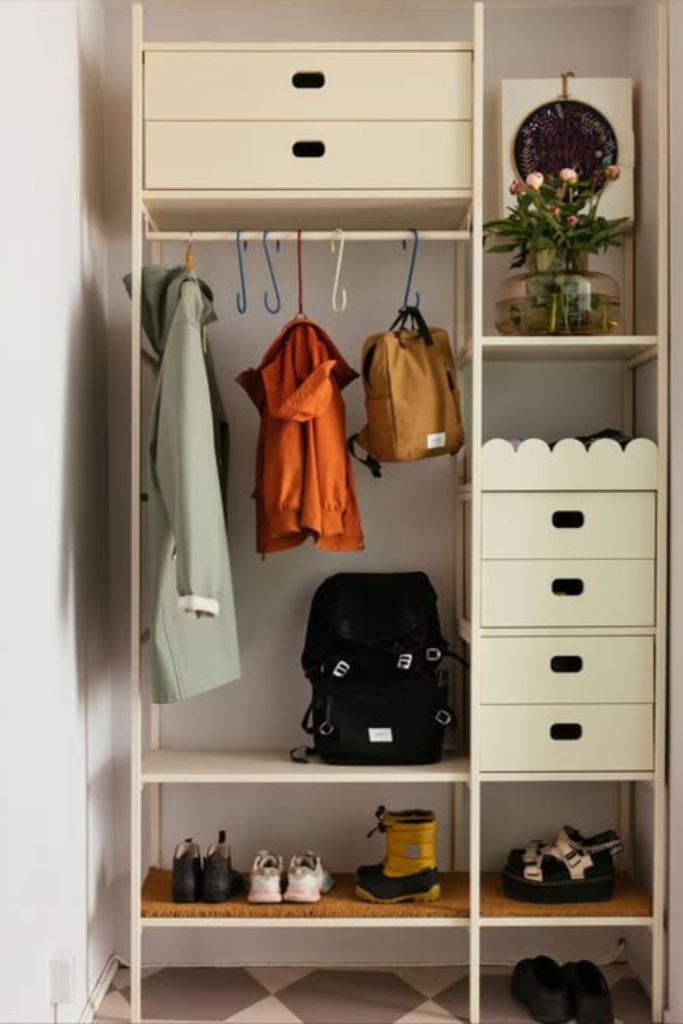
Open Locker Storage
Hallways feel chaotic when coats, bags, and shoes don’t have clear zones. Narrow vertical frame that mixes hooks.
An open locker-style unit works best in family hallways or kid-friendly entry areas where quick access matters.
Overhead ambient lighting keeps the space bright, while open sides let in nearby daylight, softening the overall look.
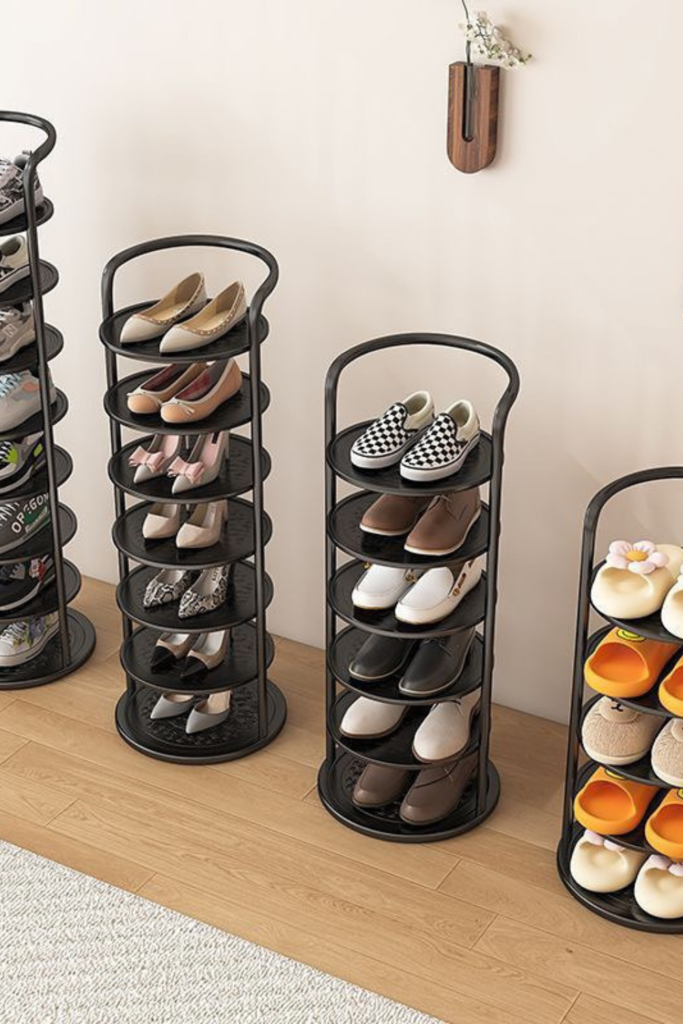
Vertical Shoe Towers
Floor space disappears fast when shoes spread sideways. Recreate this setup with stackable or rotating shoe racks.
Tall shoe towers work best in narrow hallways, bedrooms, or entryways where space is limited, this works best.
Natural daylight keeps the area from feeling heavy, while simple ceiling lighting provides even coverage so easy to grab.
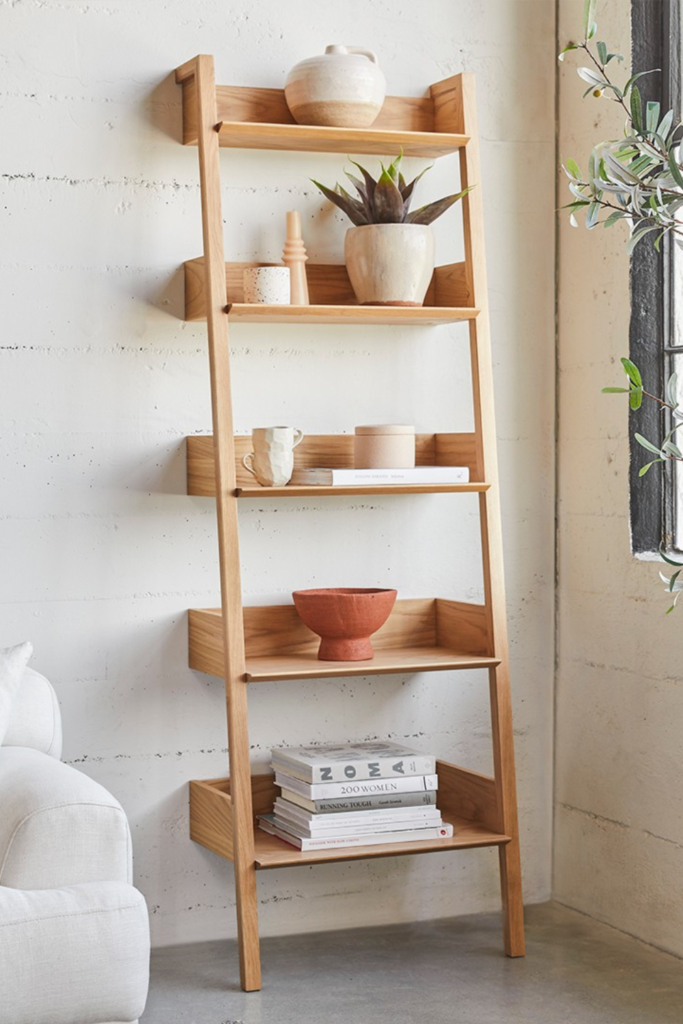
Leaning Ladder Shelf
Corners and tight wall gaps feel empty when bulky furniture won’t fit. A leaning ladder shelf works best in narrow hallways.
Where depth must stay minimal, recreate this look with a slim, wall-anchored ladder shelf that rises vertically.
Natural daylight highlights the open design, while nearby ambient lighting keeps the shelves usable after sunset.
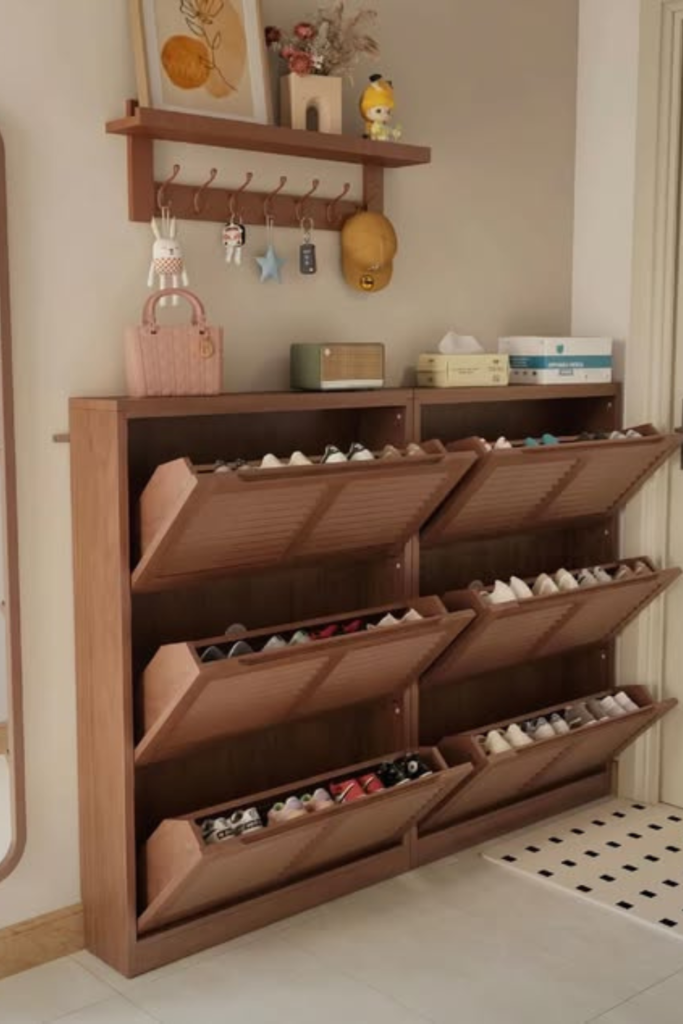
Flip-Down Shoe Cabinet
Shoes overwhelm narrow hallways when they stack outward. Install a slim shoe unit with angled compartments.
Pairs can be stored vertically. A flip-down cabinet works best along tight entry walls where walking clearance matters.
Soft overhead lighting keeps visibility clear, while reflected daylight prevents the cabinet from feeling bulky.
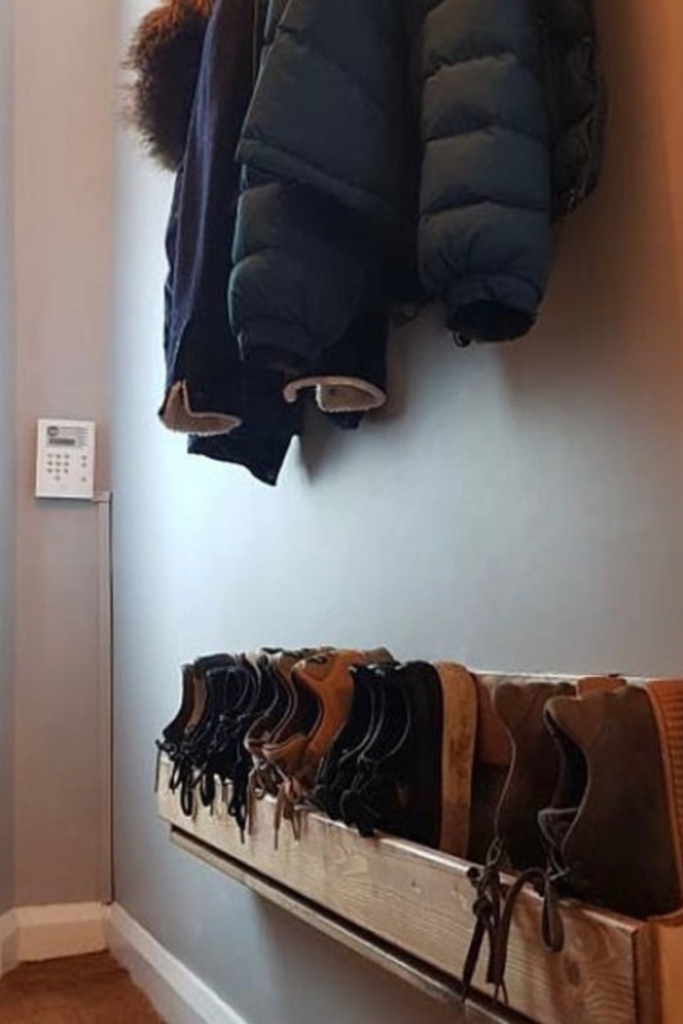
Wall-Mounted Boot Rack
Winter gear clogs narrow hallways when boots pile up on the floor. Build it with a slim wooden ledge and spaced pegs.
To hold pairs upright, A wall-mounted boot rack works best near entry doors where wet shoes need airflow.
Natural light from the door helps boots dry faster, simple overhead lighting keeps the area functional during darker hours.
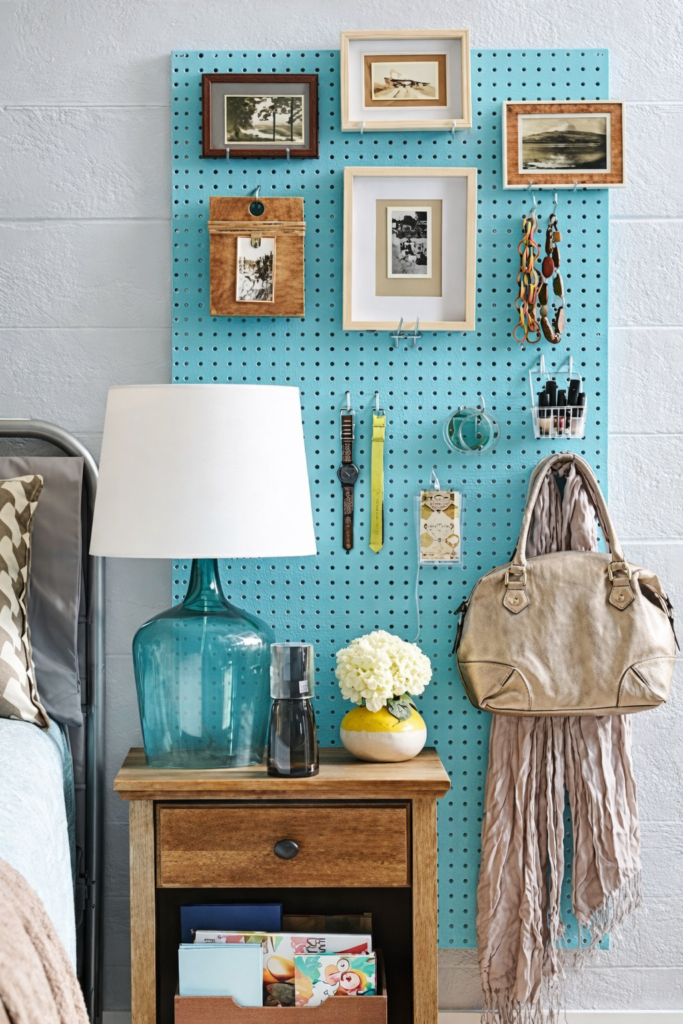
Pegboard Wall Organizer
Small wall sections feel useless until they start working for you. Install a slim pegboard and customize it with hooks.
A pegboard setup fits perfectly in narrow bedrooms, hallway corners, or beside entry doors where furniture won’t fit.
Daylight keeps the setup feeling light, while a nearby table lamp or wall sconce adds soft task lighting for daily grab-and-go use.
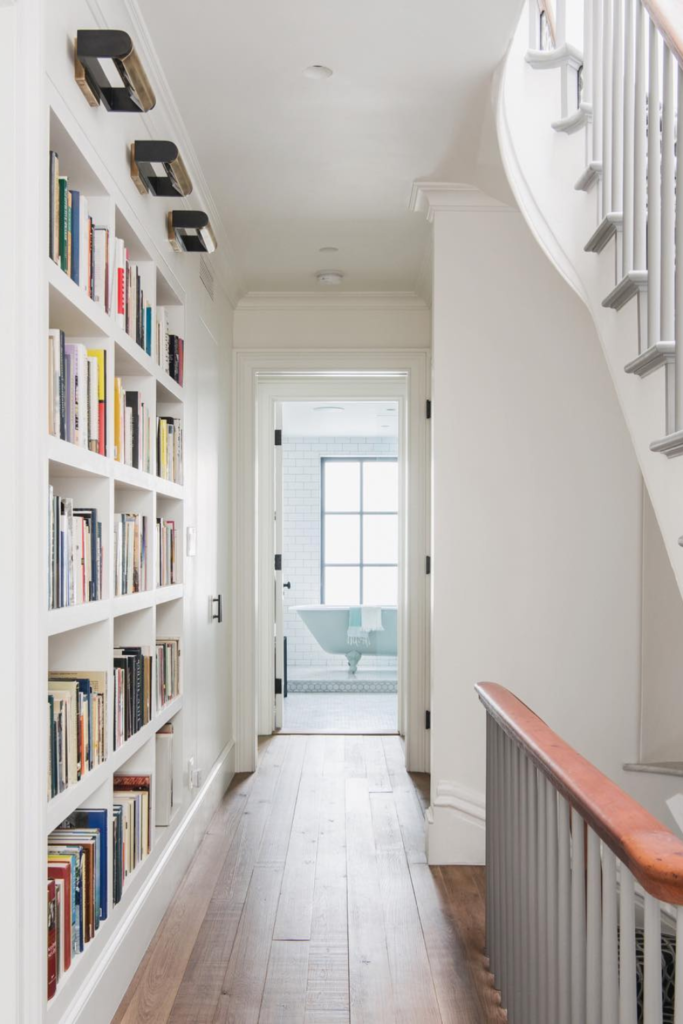
Built-In Book Wall
Hallways feel empty when walls serve only to guide foot traffic. A built-in book wall works best in long corridors.
Frame shelves directly into the wall so books sit flush and walking space stays clear. Directional wall sconces.
Add focused accent lighting, while soft daylight from nearby rooms keeps the passage bright and inviting.
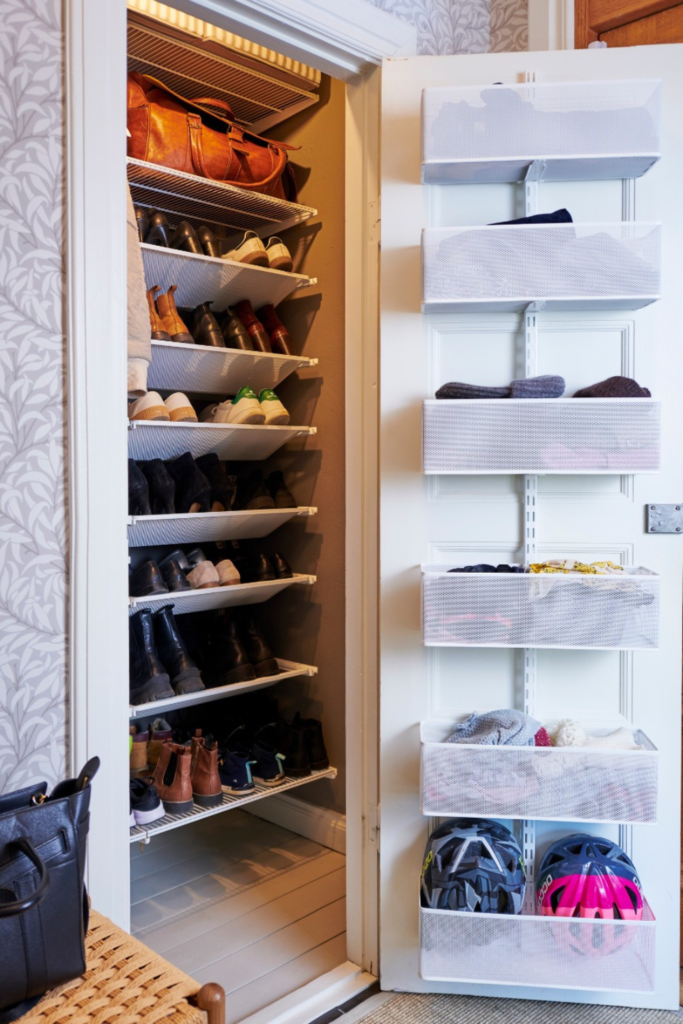
Double-Sided Closet Door
Closets waste space when doors only open and close. Turning the door into storage works best in narrow closets.
With limited interior depth. Add vertical rails with slim baskets to the door while keeping shoe shelves inside the closet.
Overhead closet lighting covers the main space, and the open door reflects light back in, keeping everything visible.
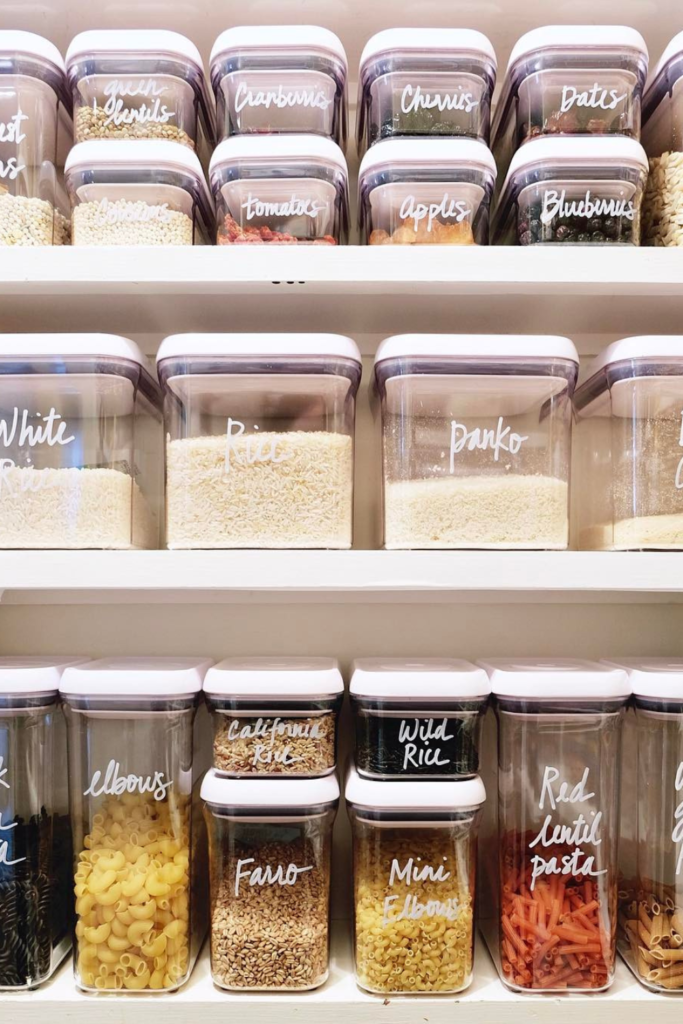
Slim Pantry Shelves
Small pantries fall apart when items stack deep and disappear. Shallow shelves lined with uniform containers.
This work best in narrow kitchen pantries or tight wall niches. Keep shelf depth minimal,everything stays visible at a glance.
Bright overhead pantry lighting does most of the work, while light-colored shelves reflect light and keep the space feeling open.
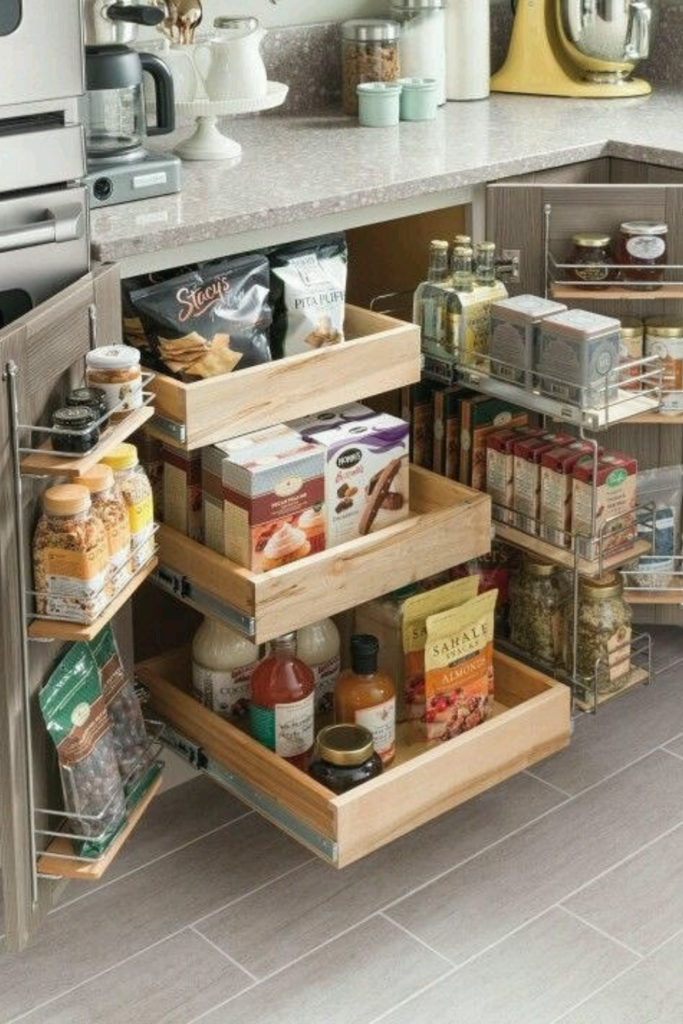
Pull-Out Base Storage
Lower cabinets turn into black holes when shelves stay fixed. Pull-out drawers like these work best in narrow kitchens.
Install full-extension slides, every item comes forward instead of getting buried. Tiered baskets keep categories separated.
Under-cabinet lighting supports task visibility, while overhead kitchen lights provide even ambient coverage.
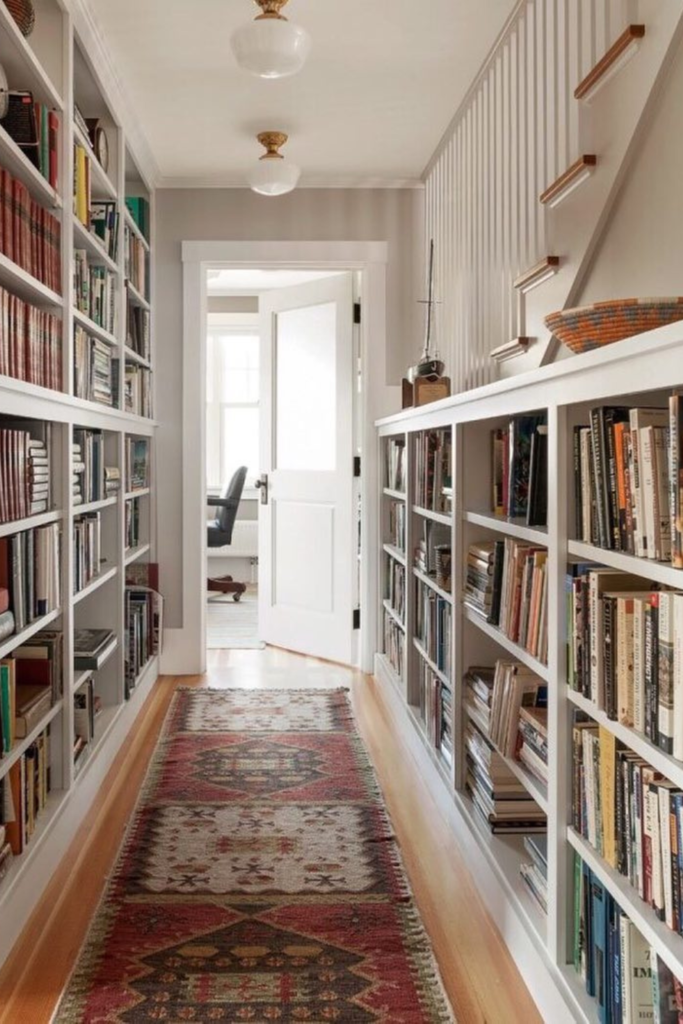
Library-Style Hallway
Long hallways feel wasted when they only move people from one room to another. Turning both walls into shallow bookshelves.
This works best in wide-enough corridors where symmetry keeps the space calm. Keep shelf depth tight so walking space stays clear.
Ceiling-mounted flush lights provide even ambient lighting, while natural light from adjoining rooms keeps the hallway from feeling closed in.
FAQs
How narrow is too narrow for hallway storage?
A hallway only becomes too narrow when storage starts to block natural movement. As a rule, you want to keep at least 36 inches of clear walking space.
Wall-mounted shelves, hooks, and recessed units work better than floor furniture because they add function without shrinking the path you walk through every day.
Should hallway storage be open or closed?
Open storage works best when you need quick access to everyday items like coats, bags, or shoes. Closed storage makes more sense when visual clutter builds up fast.
Combining both keeps frequently used items visible while less-used belongings stay hidden, keeping the hallway functional without looking messy.
You may like to read!

Fasial is the founder of the Fizzy Flare. He has been a passionate blogger since 2021. He ran three different websites in the past few years. Now he is focusing on Fizzy Flare to build an audience and help them organize their life.