20 Mail Organization Ideas for 2026
This post may contain affiliate links: full affiliate disclosure.
If opening your inbox feels stressful, you’re not alone. Emails pile up fast. Important messages get buried.
You waste time searching instead of doing real work. Most people don’t struggle because of email itself, they struggle.
Because they don’t have a system. Here’s how to organize your mail so you can find what matters and keep your inbox under control.
In this article, you’ll find 20 Mail Organization ideas that are perfect in 2026.
Let’s jump in!
Contents
- 1 How Do You Organize Your Mail?
- 1.1 Central Drop Zone
- 1.2 Wall Mail Station
- 1.3 Action Board System
- 1.4 Three-Stage Sorting
- 1.5 Alphabet Sort Slots
- 1.6 Drawer Mail System
- 1.7 Basket Mail Catcher
- 1.8 Vertical Mail Cabinet
- 1.9 Digital Scan First
- 1.10 Weekly Mail Reset
- 1.11 Bills Only Folder
- 1.12 Color Code System
- 1.13 Open Immediately Rule
- 1.14 Temporary Holding Tray
- 1.15 Shred Station Nearby
- 1.16 Household Member Slots
- 1.17 Action Date Notes
- 1.18 Outgoing Mail Bin
- 1.19 Minimal Folder Rule
- 1.20 End-of-Month Purge
- 2 FAQs
How Do You Organize Your Mail?
Start by deciding what your inbox is for. Your inbox is not a storage; it’s a temporary holding area. When a new email arrives.
You have only a few choices: reply, save it for later, or delete it. If you leave everything sitting there, your inbox turns into a junk drawer.
Create simple folders or labels for things you need to keep, such as work, payments, or personal items. When an email matters, move it out of the inbox.
When it doesn’t, delete or archive it. If you repeat this every day, your inbox stays clean and useful instead of overwhelming.
Save this article for later! 👇👇
Central Drop Zone
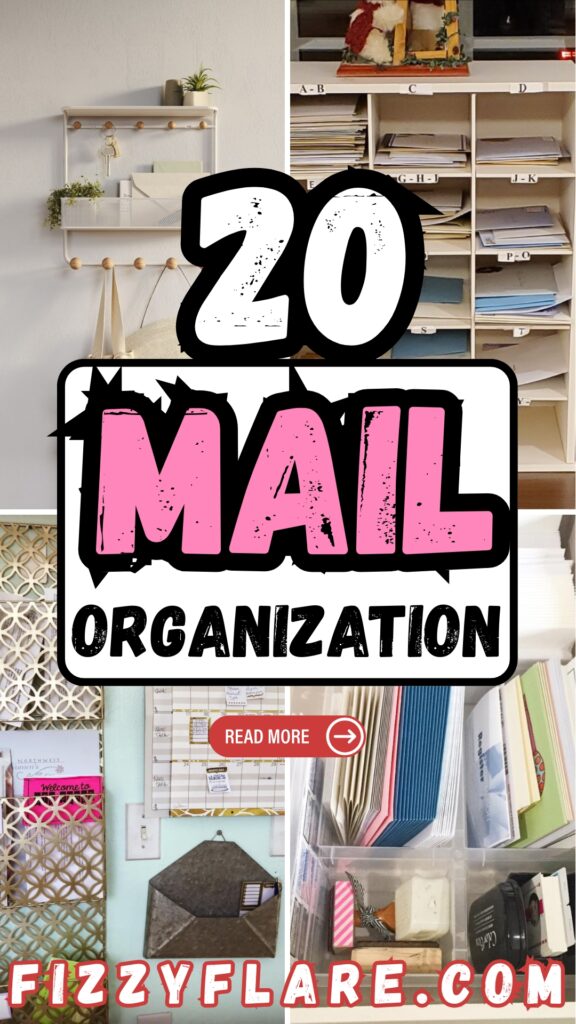
Mail gets lost when it floats around the house. A single drop zone fixes that in a flash,works best near the entryway.
Use a wall pocket or slim holder only for incoming mail, not storage. Pair it with a visible calendar so deadlines don’t hide.
Neutral colors keep it calm, while hooks and clean lines make the system easy to follow and hard to ignore.
Wall Mail Station
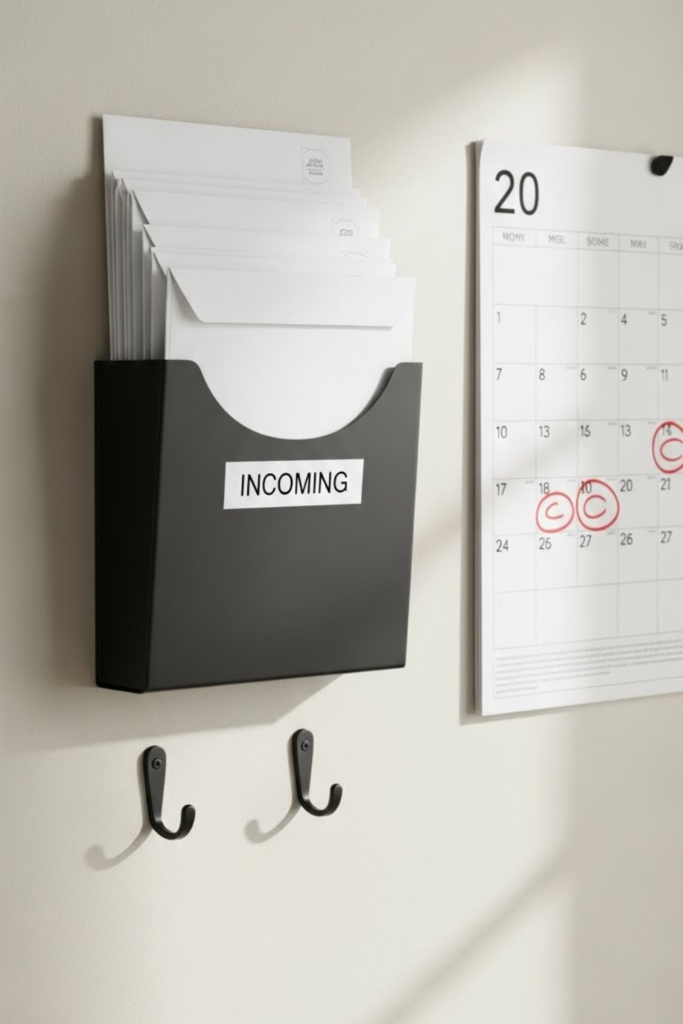
Mail stays visible when it lives on the wall rather than on a table. This idea works well in small spaces or apartments.
Surfaces fill up fast, mount a slim shelf with a mail tray and hooks near the door. Sort letters upright so nothing hides.
Soft natural day light and light-colored materials keep the setup easy to notice without feeling cluttered.
Action Board System
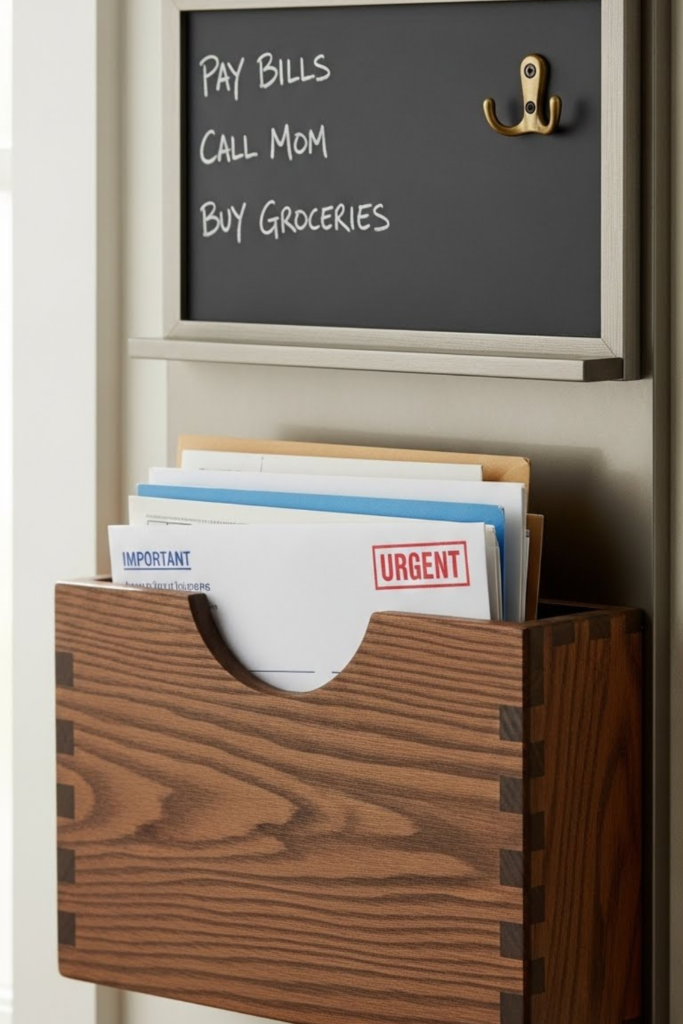
Paper mail becomes useful once it turns into a prompt. Use a wall board with a visible mail pocket and a writing surface above it.
Important letters stay front-facing until handled. The chalkboard adds a reminder layer, while metal and wood keep everything structured.
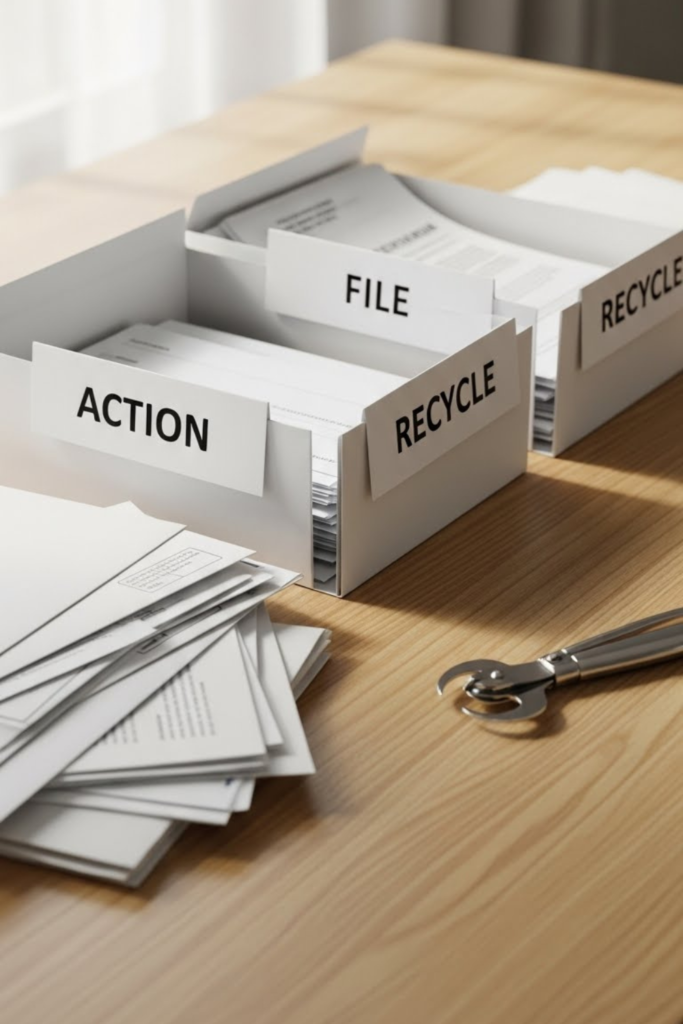
Three-Stage Sorting
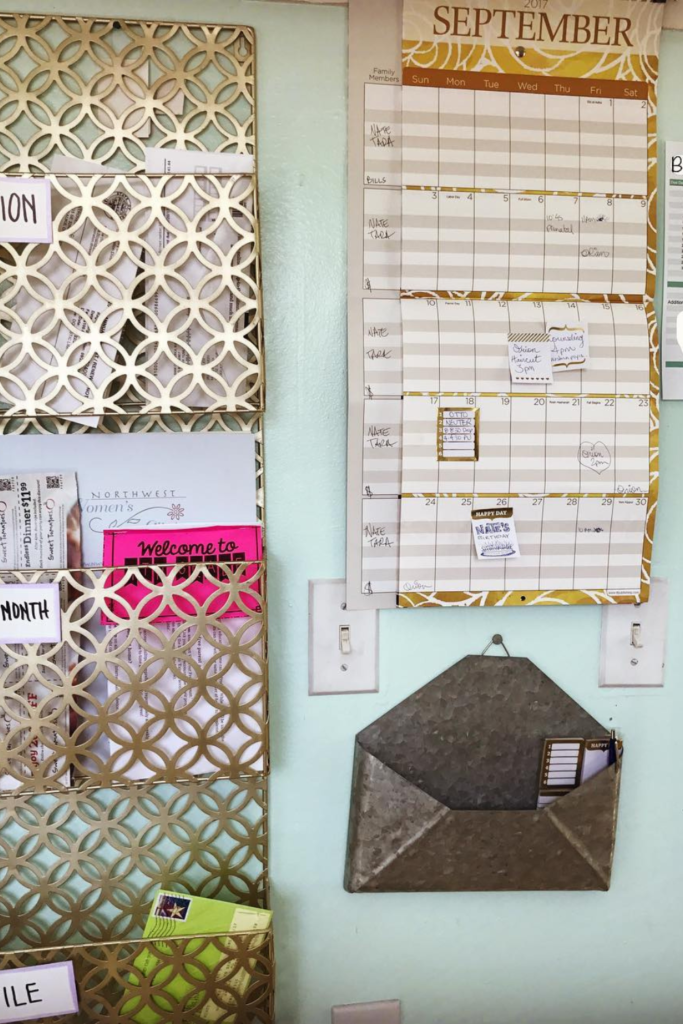
Chaos fades once mail follows a clear path. Split incoming mail into action-needed, current month, and long-term file zones.
Labels make decisions fast, while vertical pockets keep everything visible, best for managing bills, invites, and paperwork weekly.
Calendars nearby add a timing layer, so paper tasks line up with real dates instead of getting forgotten.
Alphabet Sort Slots
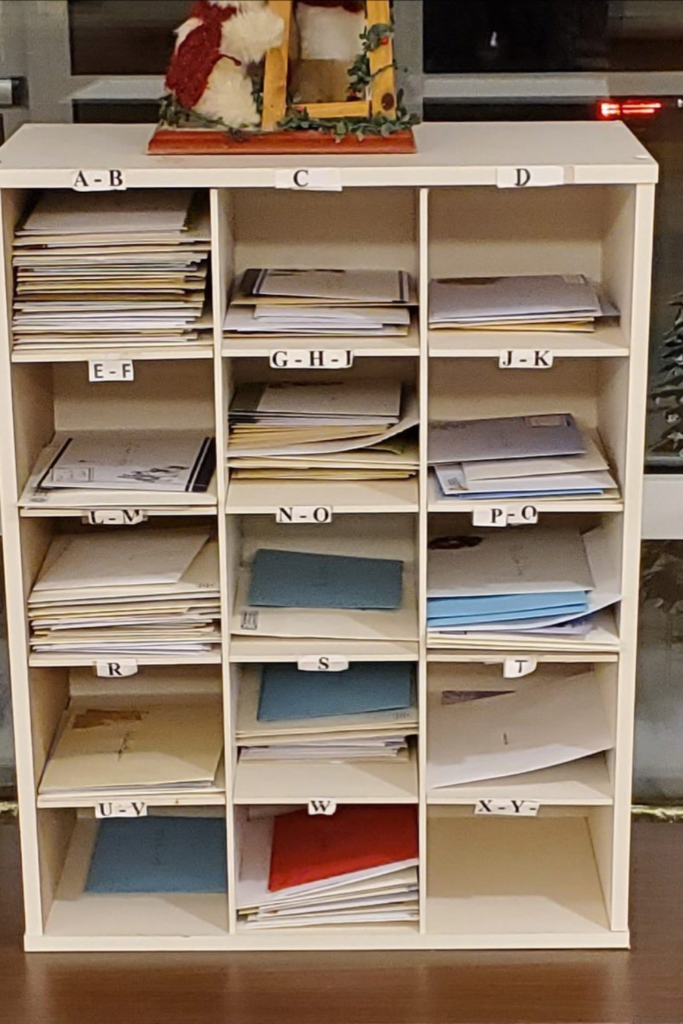
Finding mail gets easier once papers follow the alphabet. Assign each slot a letter range and drop papers in right away.
Sorting happens once, not repeatedly. Open cubbies keep stacks visible, while clear labels remove hesitation and speed up retrieval later.
Drawer Mail System
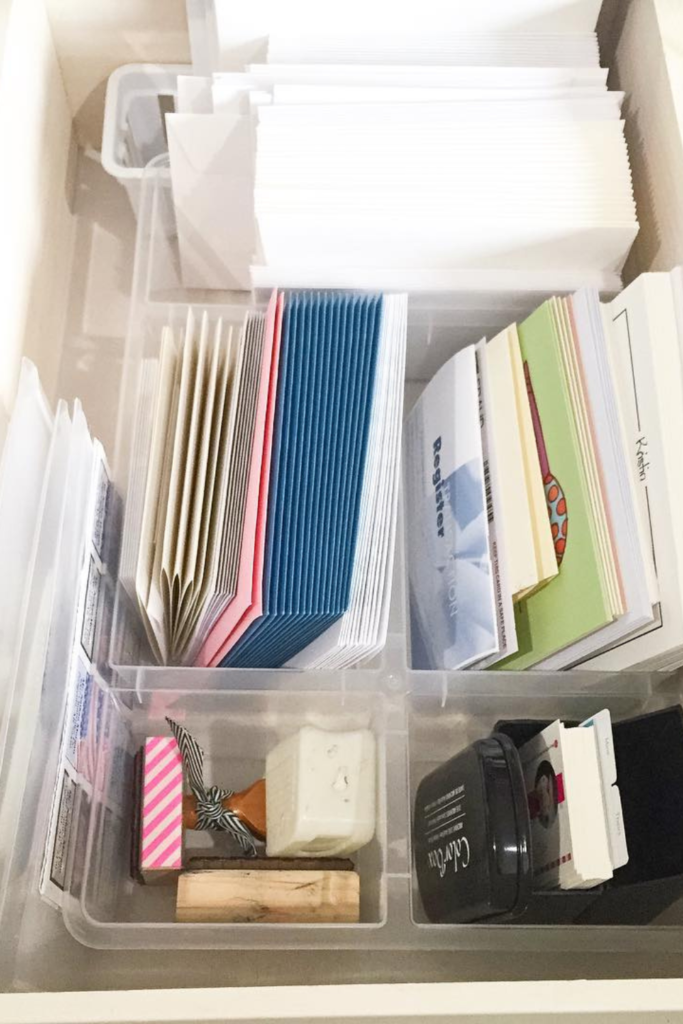
Hidden clutter disappears once mail lives in a structured drawer. Use divided trays to separate envelopes, cards.
Vertical stacking keeps edges visible, so nothing sinks to the bottom. Soft light and clear containers help you spot what you need.
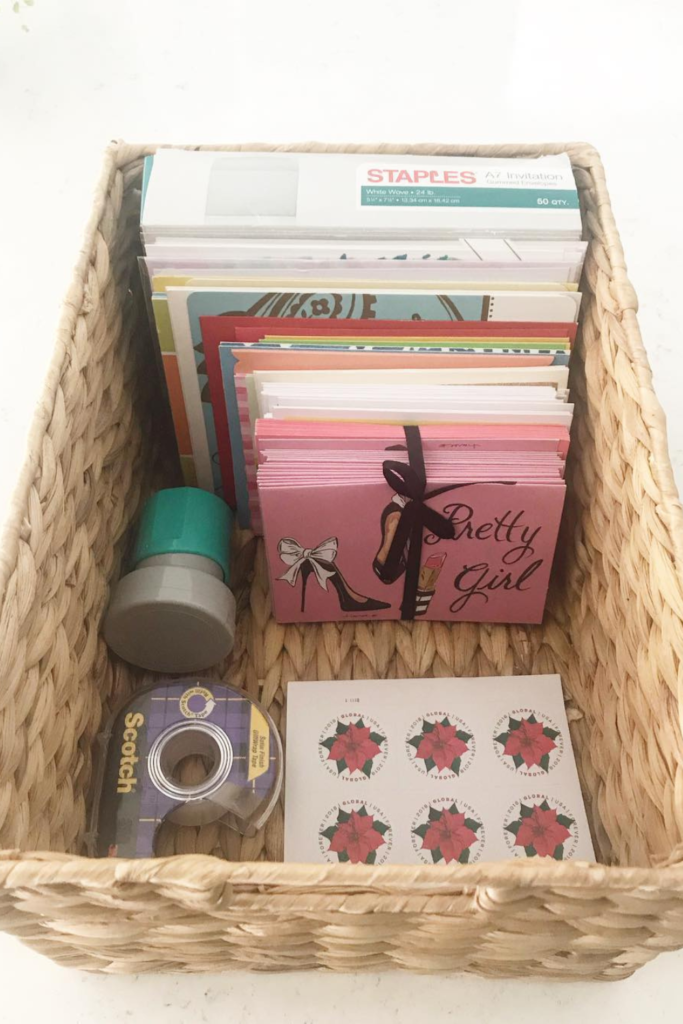
Basket Mail Catcher
Loose paper behaves better once it has boundaries, this idea fits desks or shelves where mail mixes with small supplies.
Use a sturdy basket and stand envelopes upright so titles stay visible. Group similar items together to avoid digging later.
Natural textures soften the look, while open tops keep access quick without turning storage into a mess.
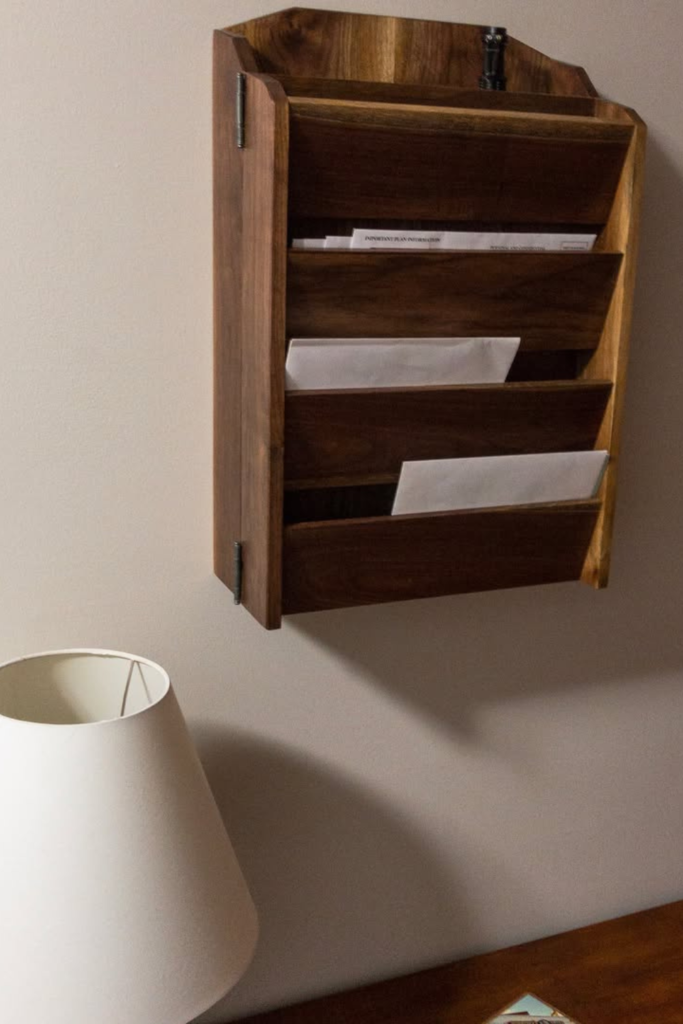
Vertical Mail Cabinet
The paper stays manageable once it stands upright and is separated, works well in living rooms or hallways.
Use a wall-mounted cabinet with angled slots so envelopes slide in and out easily. Sorting happens by section.
Dark wood adds weight, while vertical spacing keeps each layer readable and easy to maintain and access.
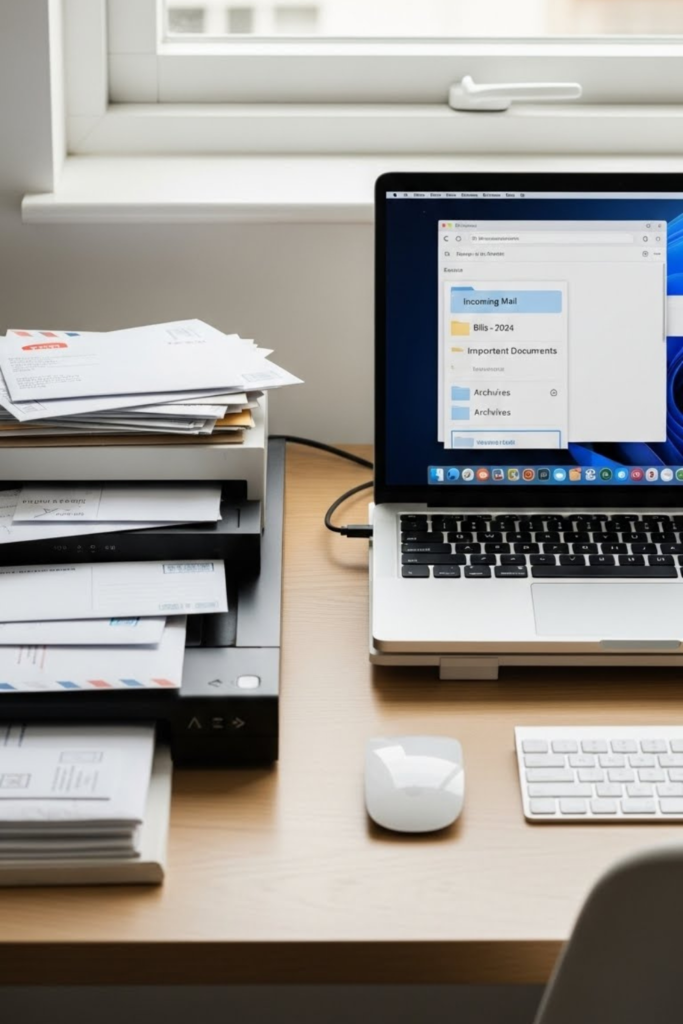
Digital Scan First
Paper piles shrink fast once mail goes digital early. You rarely need in original form, works well for bills, notices, and records.
Scan mail the same day it arrives and save it in clearly named folders. Shred what you don’t need physically.
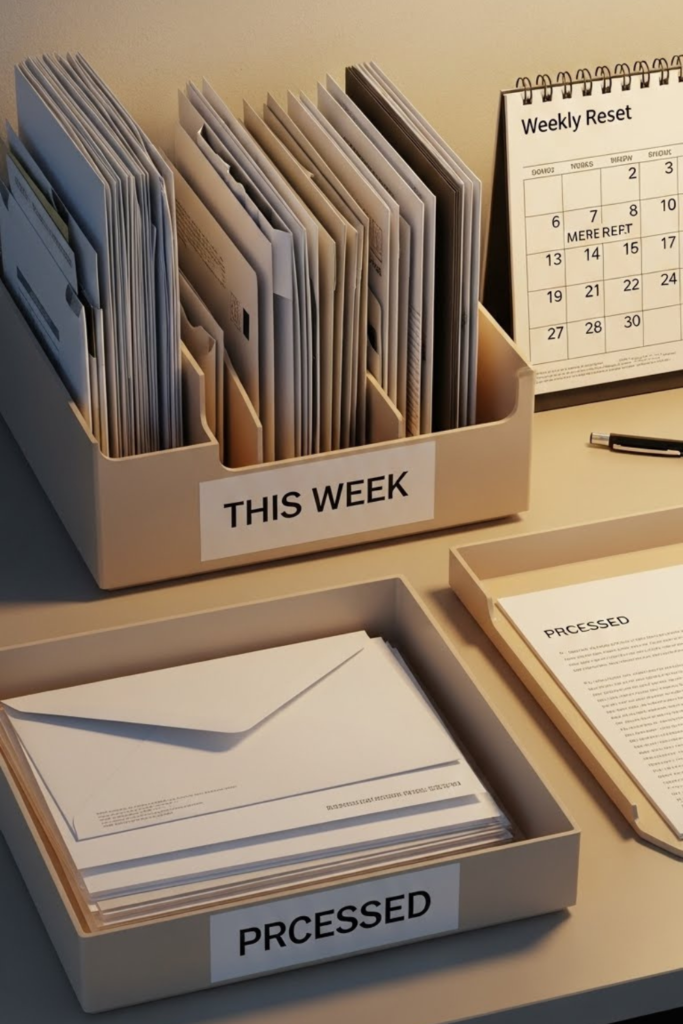
Weekly Mail Reset
Inbox clutter grows when mail has no deadline. Pick one fixed day each week to process everything.
Bills get paid, papers filed, junk tossed. This system works well for those people who hate daily sorting.
Nothing carries over past that reset. A predictable routine keeps mail from silently stacking up and becoming overwhelming.
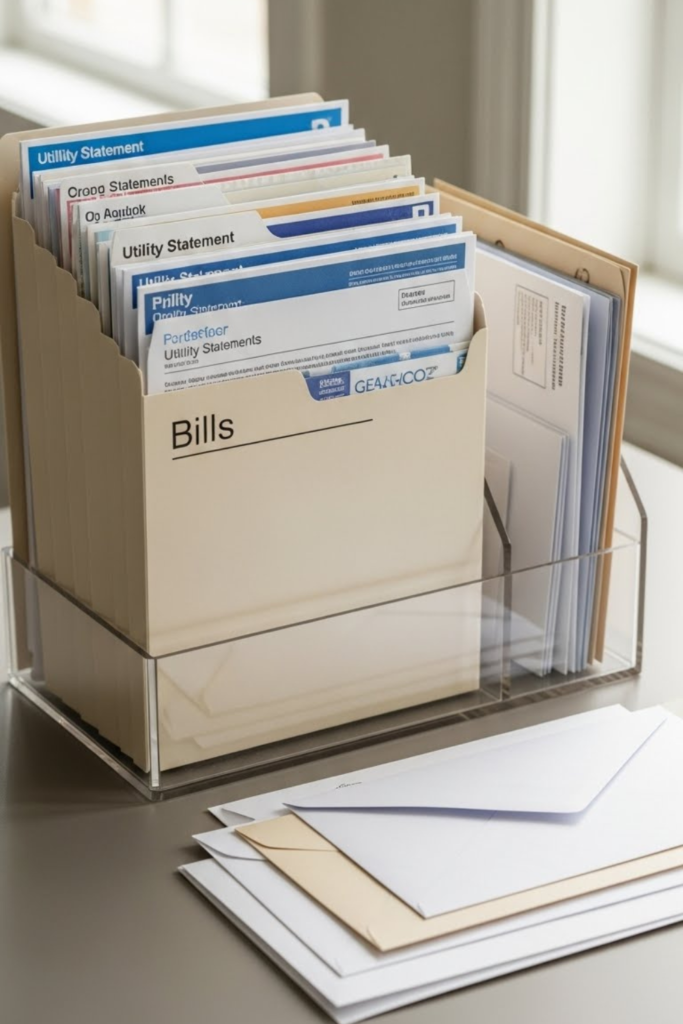
Bills Only Folder
Money-related mail causes the most stress when mixed with everything else. Create a dedicated spot for bills and payment notices only.
Place it near where you pay bills or manage finances. Keeping financial mail isolated reduces missed due dates.
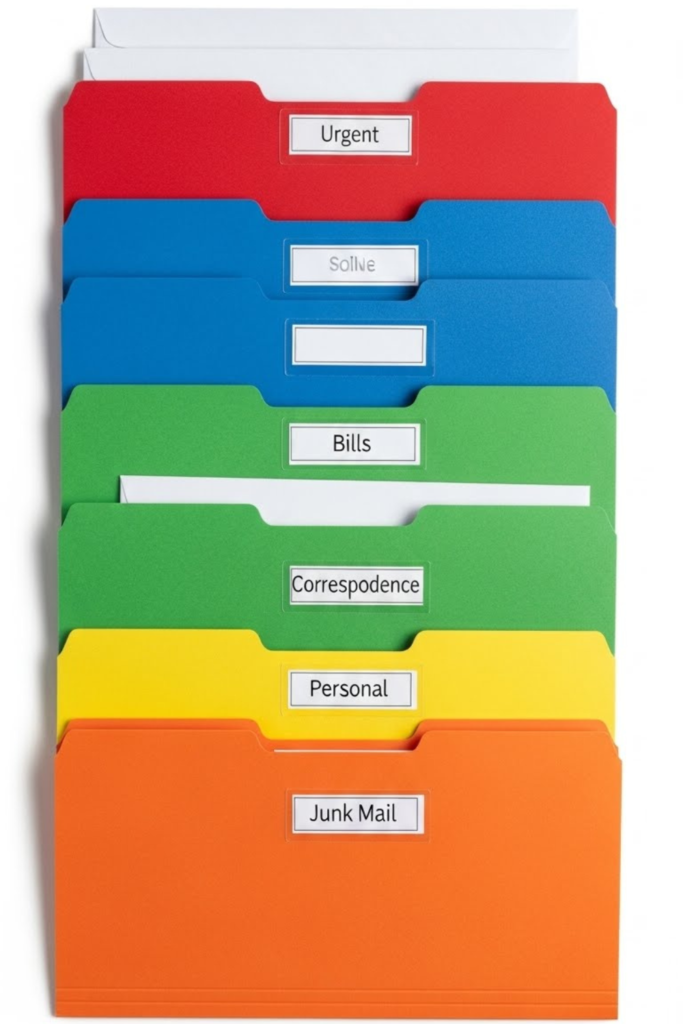
Color Code System
Decisions speed up when colors do the thinking. Use folders, tabs, or stickers consistently. Sorting becomes automatic instead of a choice.
Visual separation helps spot priority mail quickly without having to read. Assign one color per mail type bills, school, personal, work.
Open Immediately Rule
Unopened envelopes create anxiety fast. Open mail as soon as it comes in, even if action happens later, this works well.
Removing the envelope reveals its importance instantly. Once opened, papers feel manageable instead of intimidating.
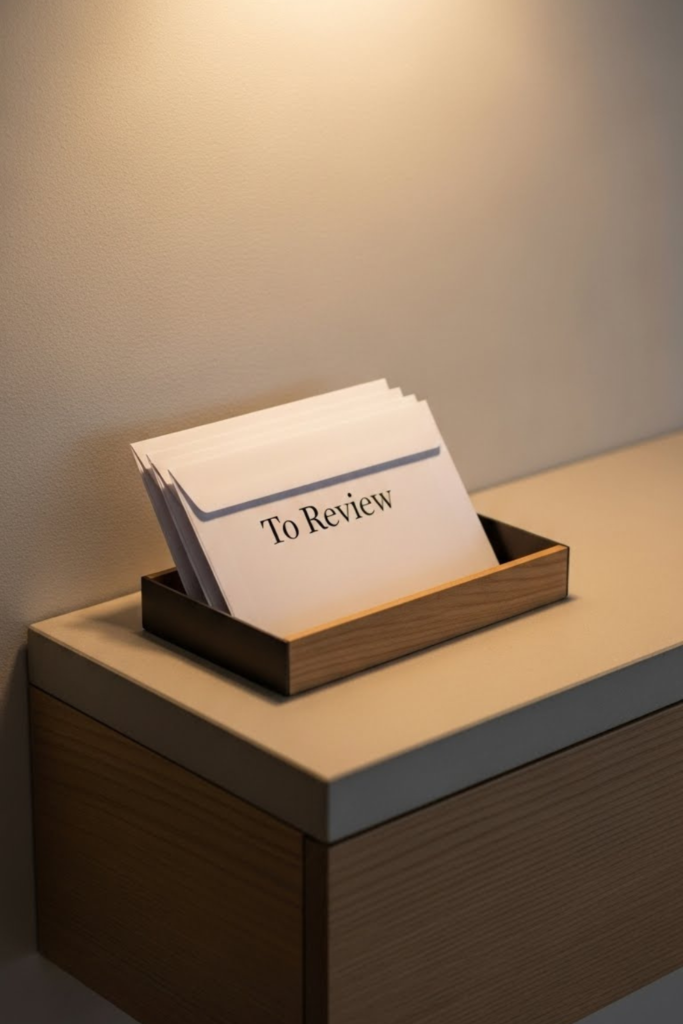
Temporary Holding Tray
Not all mail needs instant decisions. Use one small tray for short-term holding only. Items stay there no longer than a few days.
This buffer prevents clutter while allowing flexibility. Limiting tray size forces regular clearing before things spiral out of control.
Shred Station Nearby
Paper lingers when shredding feels inconvenient. Place a shredder near where the mail gets opened. Junk disappears immediately.
This setup works best in home offices or entry areas and prevents unnecessary paper from entering the system.
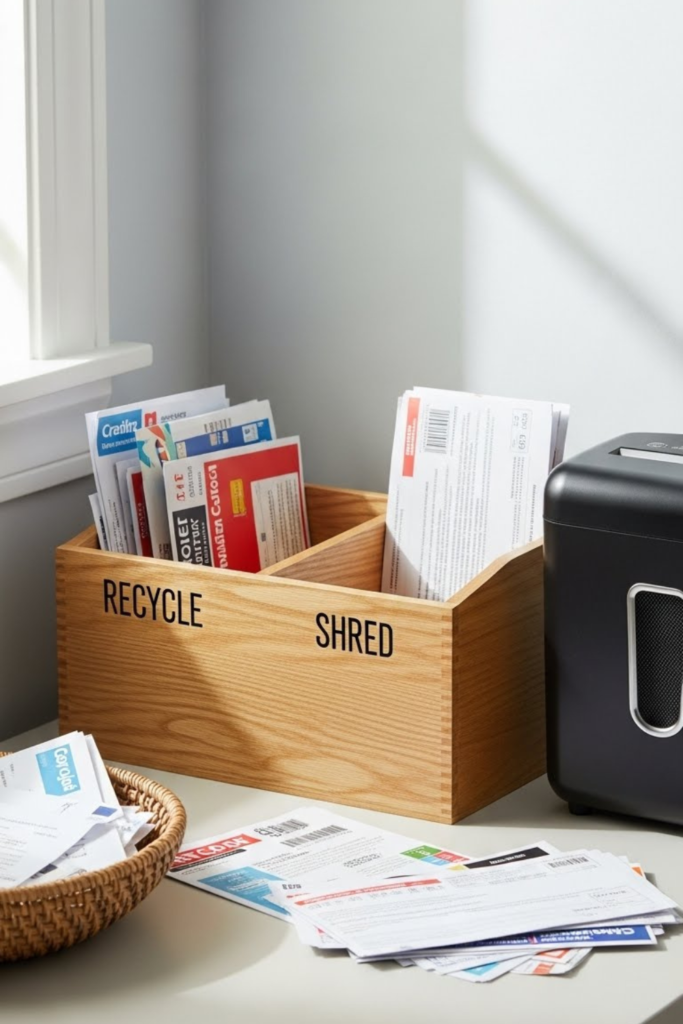
Household Member Slots
Shared mail creates confusion without ownership. Assign each household member a clearly labeled slot.
Everyone handles their own mail. This works well for families and roommates and prevents lost notices or forgotten forms.
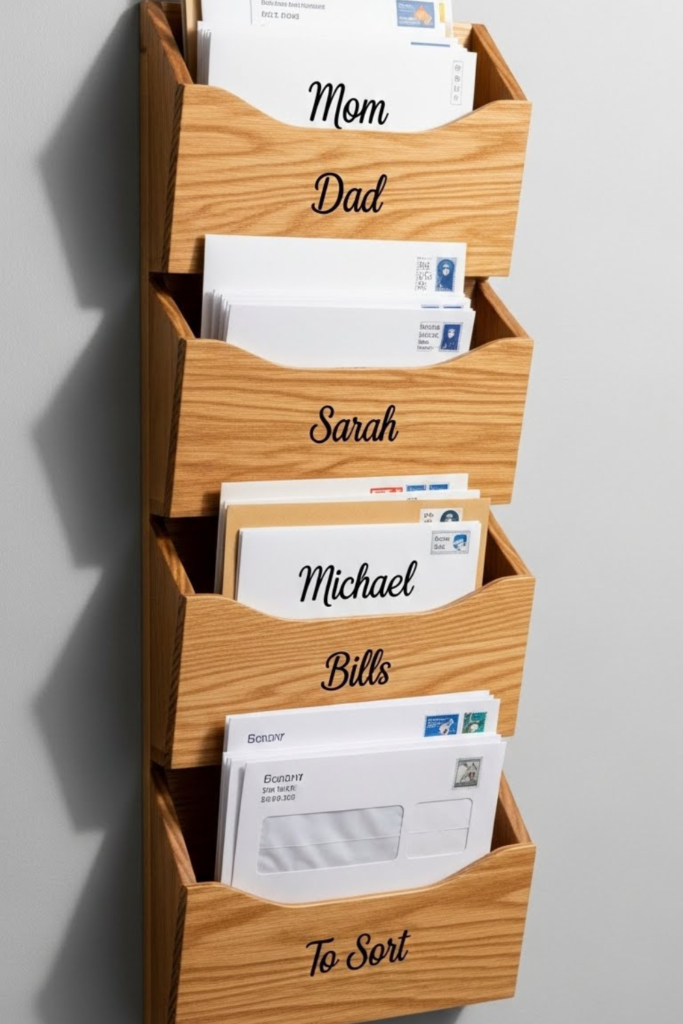
Action Date Notes
Mail becomes urgent when dates stay visible. Write due dates directly on papers or sticky notes attached to them.
Place these items where dates face forward, works well for people who forget deadlines once the mail is filed away.
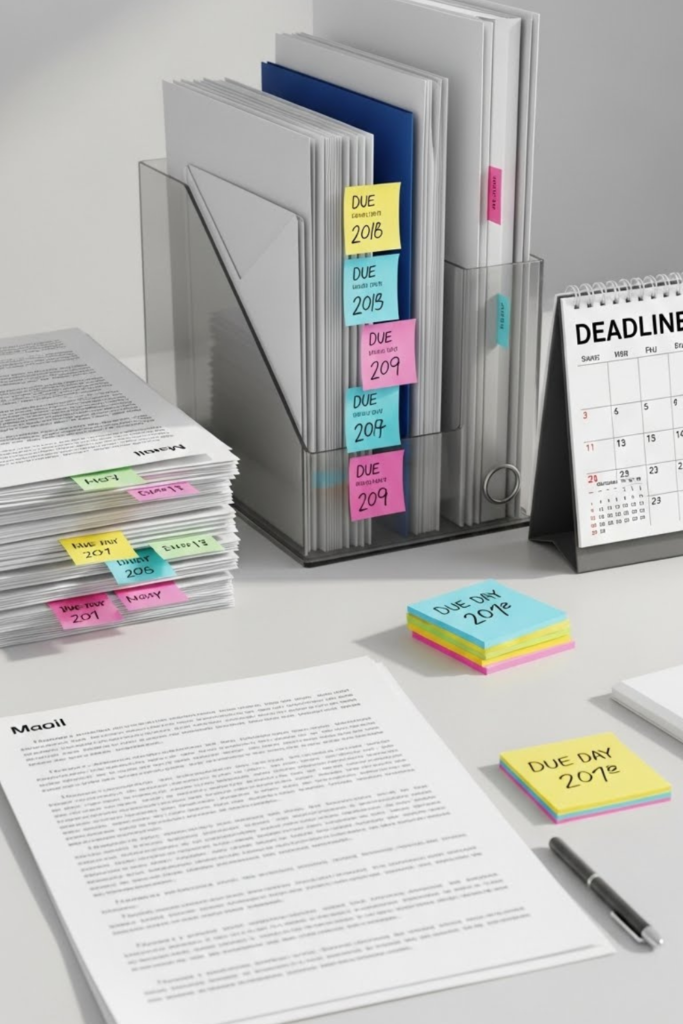
Outgoing Mail Bin
Outgoing mail often gets forgotten after preparation. Create a small bin only for items ready to send. Place it near the door or bag area.
Seeing outgoing mail daily increases follow-through and prevents missed replies or late payments, this method works well.
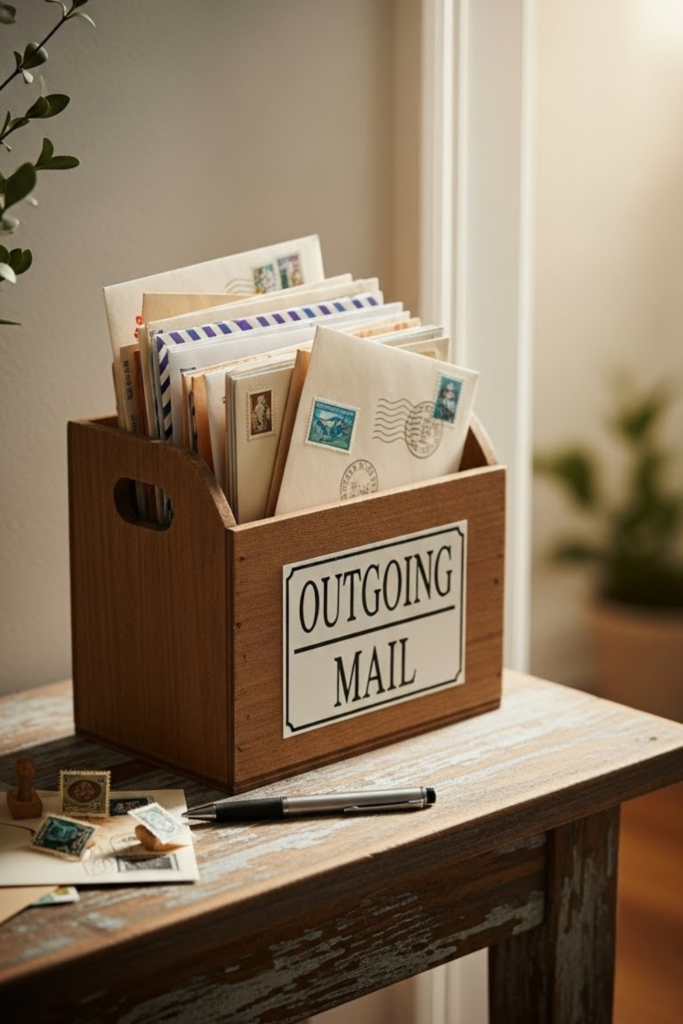
Minimal Folder Rule
Too many folders slow down decisions. Limit folders to only what you actually use. Broad categories work better than detailed ones.
Fewer choices mean faster sorting and less second-guessing, fits those people who abandon systems because they feel too complex.
End-of-Month Purge
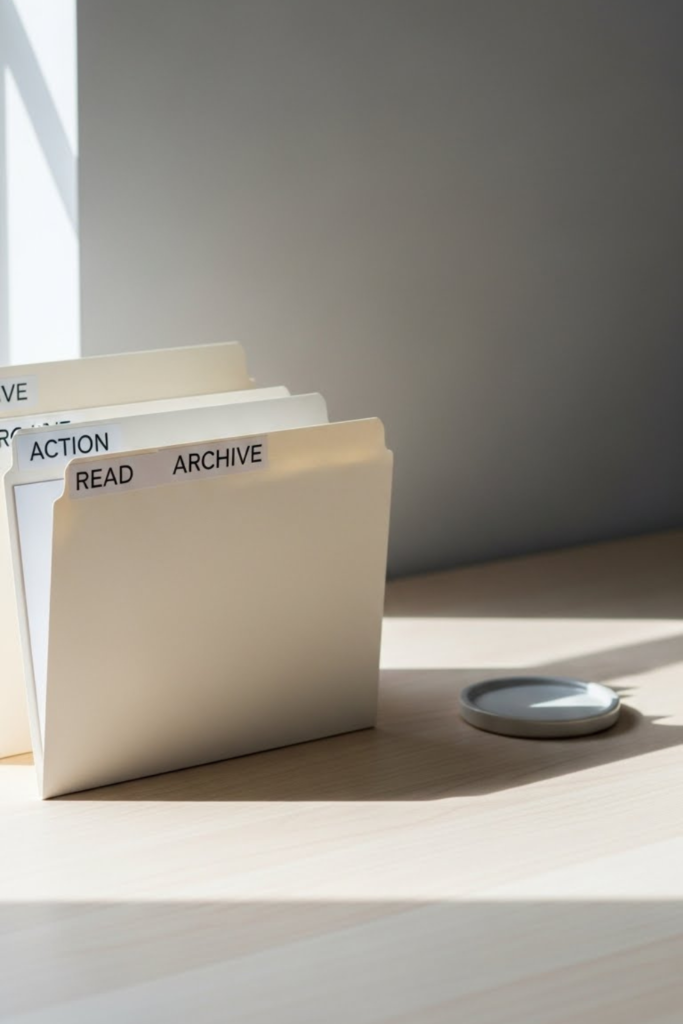
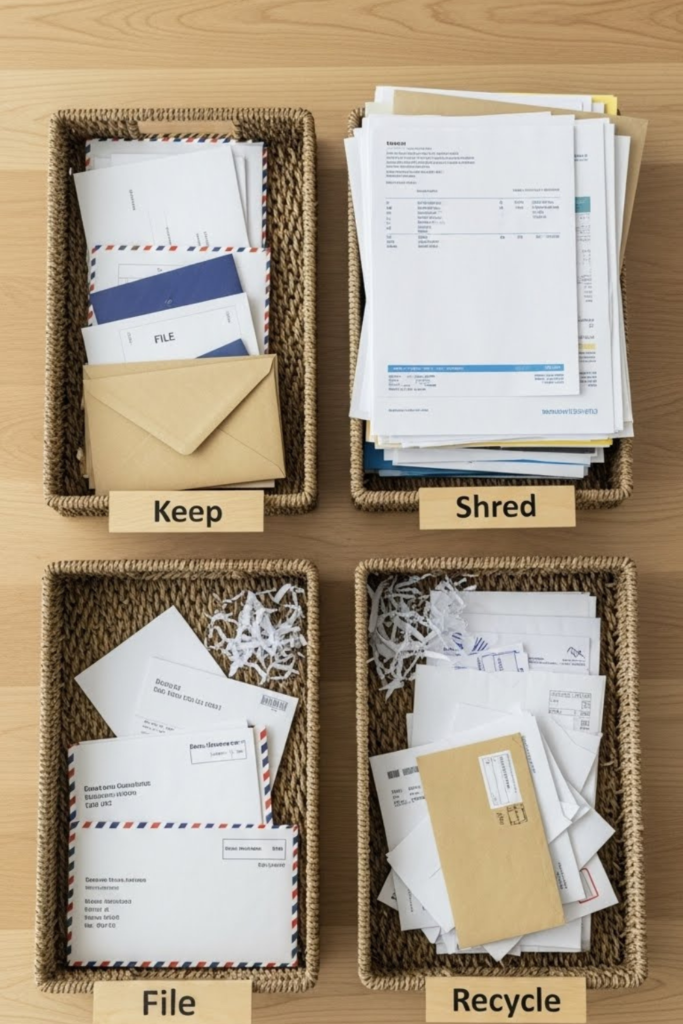
Old paper quietly piles up over time. Schedule a monthly purge to remove anything no longer needed from the system.
Shred, file permanently, or recycle. Regular cleanup keeps storage light and prevents small stacks from turning into long-term clutter.
FAQs
How do I choose a mail organizer?
Choose a mail organizer based on where your mail actually lands and how often you deal with it. Entryways need quick-access trays or wall pockets.
Desks work better with file boxes. Go vertical to keep papers visible. The right organizer should make sorting easier, not add extra steps.
What is the best email management system?
The best email management system is the one you will actually use every day. Keep it simple, use your inbox only for new messages, folders or labels for saving.
If a system feels complicated, you’ll avoid it. Simple rules, clear labels, and regular cleanup work better than any complex setup.
You may like to read!
- 27 Pantry Organization Ideas
- 24 Family Organization Wall
- 26 Kitchen Drawer Organization
- 20 Shelf Organization Ideas
- 21 Utensil Drawer Organization

Fasial is the founder of the Fizzy Flare. He has been a passionate blogger since 2021. He ran three different websites in the past few years. Now he is focusing on Fizzy Flare to build an audience and help them organize their life.