26 Japanese Organization Ideas for 2026
This post may contain affiliate links: full affiliate disclosure.
You clean, organize, and buy storage bins, yet your home still slips back into chaos. The mess isn’t because you’re lazy or bad at organizing.
It’s because most Western organizing methods focus on where to put things, not why you have them in the first place.
That’s why the results never last. Japanese organization works differently. It fixes the root problem before touching storage.
In this article, you’ll see exactly how the Japanese approach changes how you organize, and 26 Japanese organization Ideas.
Let’s jump in!
Contents
- 1 How is Japanese organization different from Western organizing methods?
- 1.1 Low-Profile Living
- 1.2 Closed Storage Calm
- 1.3 Contained Essentials
- 1.4 Shelf Zoning System
- 1.5 Curated Display Storage
- 1.6 Vertical Fold Method
- 1.7 Category Shelf Order
- 1.8 Clear Pantry Zones
- 1.9 Entryway Drop Zones
- 1.10 Wall Tool Layout
- 1.11 Flat Supply Stacks
- 1.12 Drawer Micro Zones
- 1.13 Open Utility Rack
- 1.14 Ritual Tea Box
- 1.15 Daily Outfit Rack
- 1.16 Basket Group Storage
- 1.17 Layered Vanity Drawers
- 1.18 Hidden Toy Storage
- 1.19 Clear Counter Rule
- 1.20 Seamless Cabinet Storage
- 1.21 Intentional Empty Shelves
- 1.22 Balanced Shelf Styling
- 1.23 Zonal Living Corners
- 1.24 Soft Drawer Order
- 1.25 Budget Storage Base
- 1.26 Purpose Storage Boxes
- 2 FAQs
How is Japanese organization different from Western organizing methods?
Japanese organization starts from a completely different place than Western organizations. You usually organize by adding solutions.
Use more shelves, more boxes, more storage, while keeping almost everything you already own. The goal is to fit your life into the space you have.
Japanese organization flips this around. You first reduce what you own, then design systems that support daily life with less effort.
Instead of asking, “Where should I put this?” you ask, “Do I need this at all?” This shift matters because clutter isn’t a storage problem, it’s a volume problem.
When you own less and give each item a clear purpose and place, your home stays organized naturally, without constant resetting or frustration.
Save this article for later! 👇👇
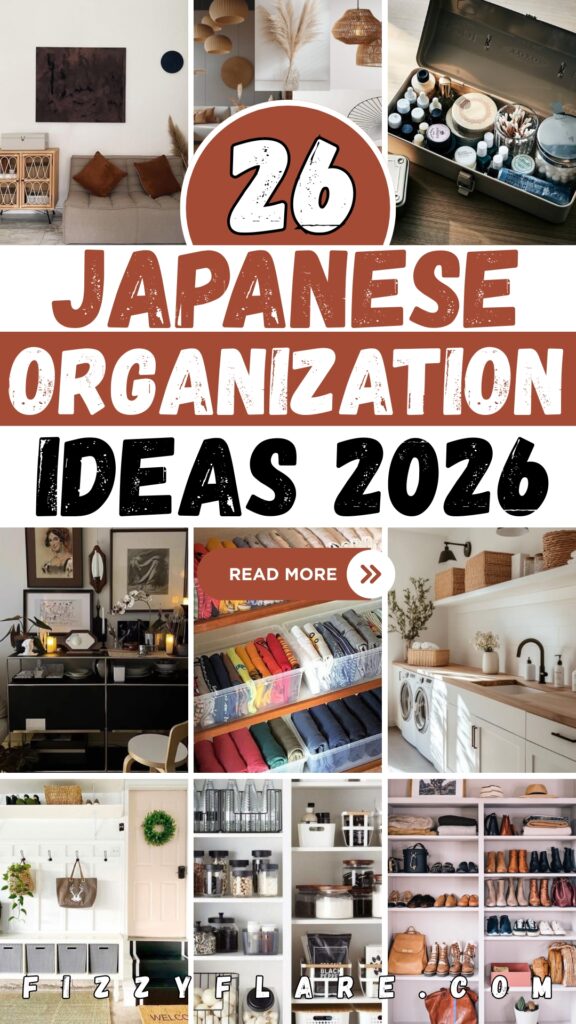
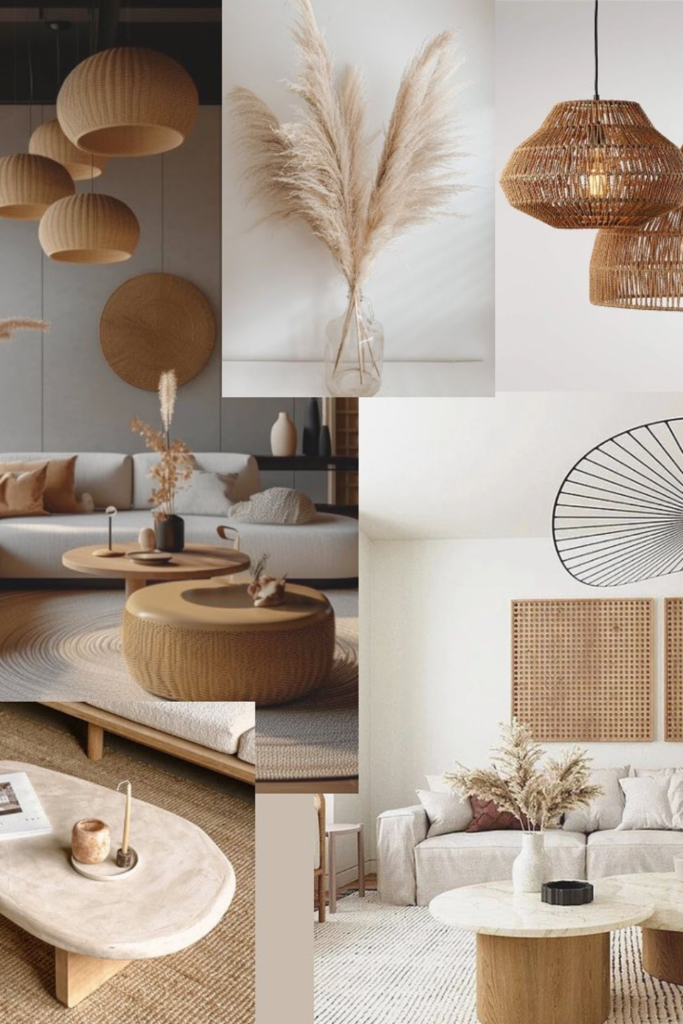
Low-Profile Living
Low seating and rounded tables keep sightlines open, which instantly reduces visual clutter in living rooms and lounges.
Visual calm starts at floor level. Choose furniture that sits closer to the ground and limiting surface items to one or two essentials.
Warm woven pendants provide soft ambient light, while daylight does most of the work, keeping the space calm.
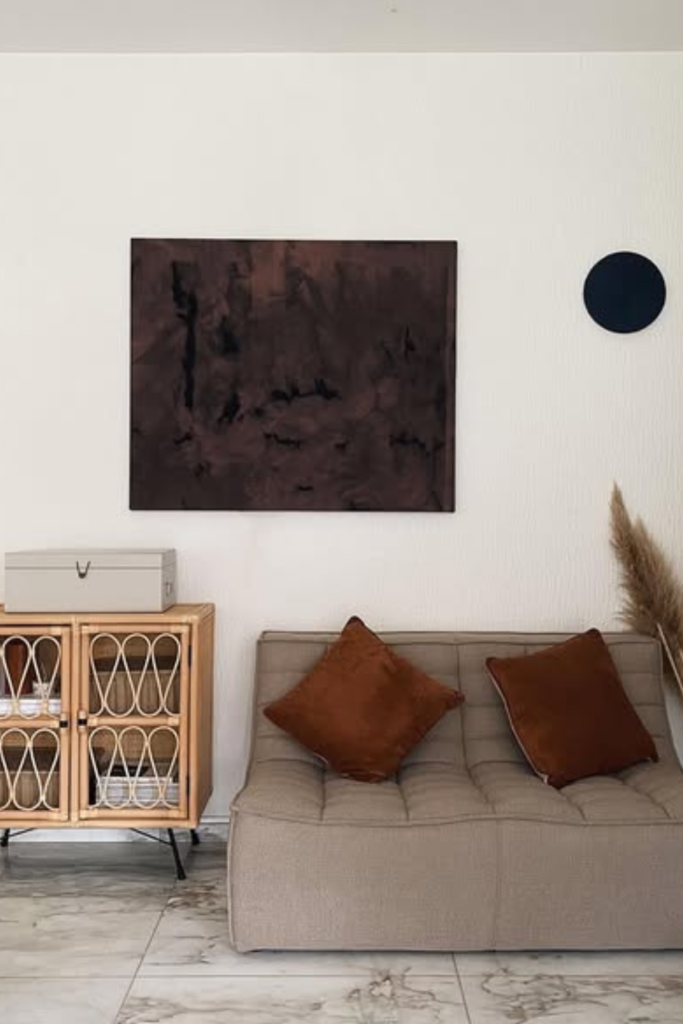
Closed Storage Calm
Mess disappears faster when it’s not on display. Copy this by storing cables, books, or extras behind doors rather than on open shelves.
Cane-front cabinets hide everyday items while still allowing air and light to move through the space, making them ideal.
Soft natural daylight sets the base, while subtle wall lighting keeps the room balanced without spotlighting clutter.
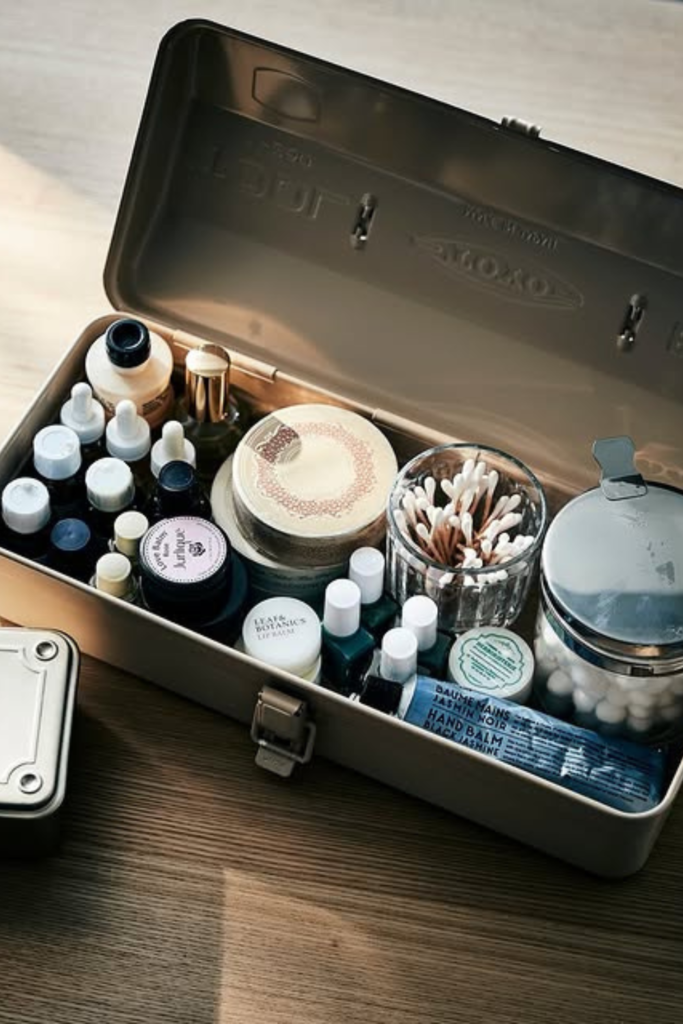
Contained Essentials
Daily-use items feel lighter once they live inside one defined box, recreate this by sorting items by frequency, not category.
Shallow metal container keeps skincare, cotton pads, and small bottles organized and easy to reset, making it perfect.
Natural window light highlights contents during use, while soft ambient lighting keeps the setup calm when closed.
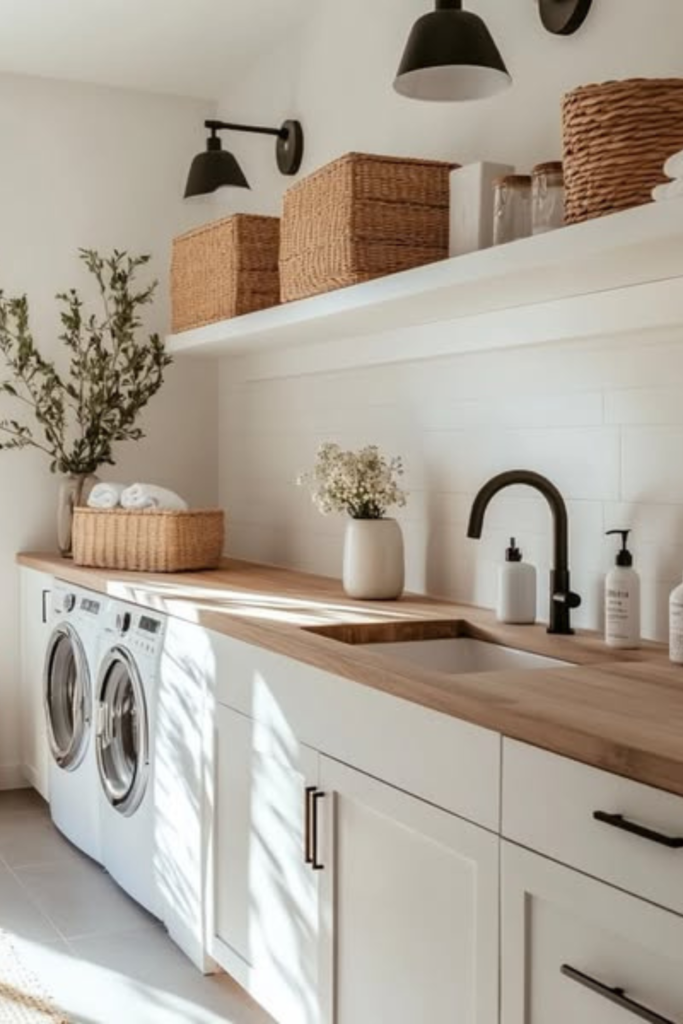
Shelf Zoning System
Laundry feels easier once supplies are grouped by task instead of scattered. Open shelves above machines work best for baskets.
Hold washing, drying, and folding items separately. Copy this by assigning one basket and leaving counter space clear for daily use.
Natural daylight keeps the room fresh, while wall sconces add soft task lighting without creating harsh shadows.
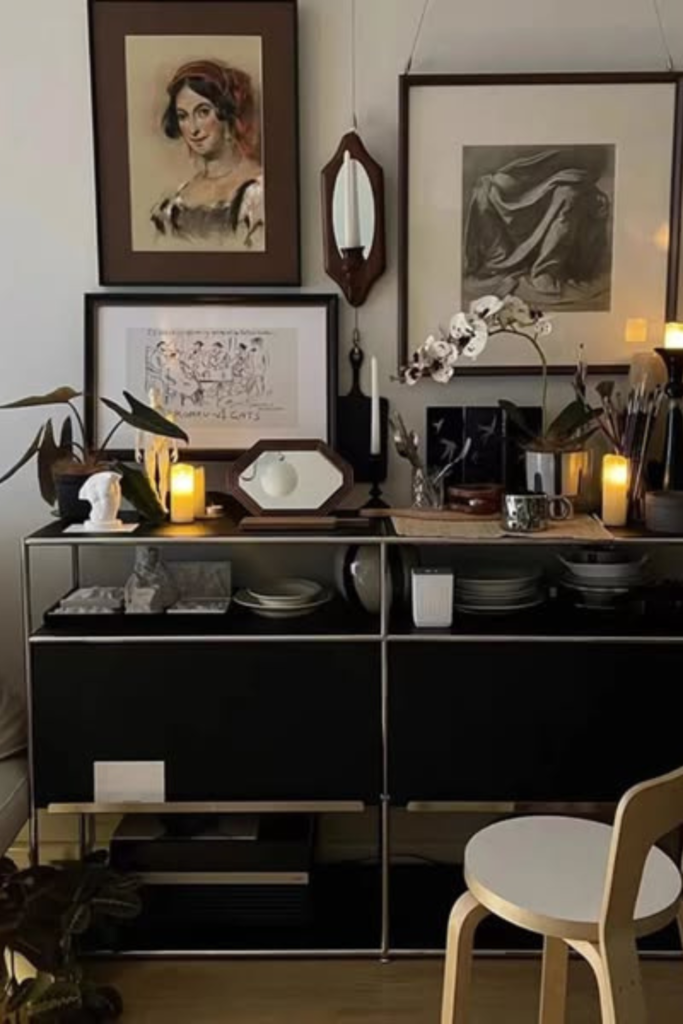
Curated Display Storage
Visual order improves once storage doubles as a controlled display, recreate by storing everyday dishes inside.
Keeping only a few meaningful pieces visible. Low cabinet with limited open shelving works best for dining areas or living corners.
Candlelight adds soft ambient glow, while low table lamps prevent harsh overhead lighting and keep the mood calm.
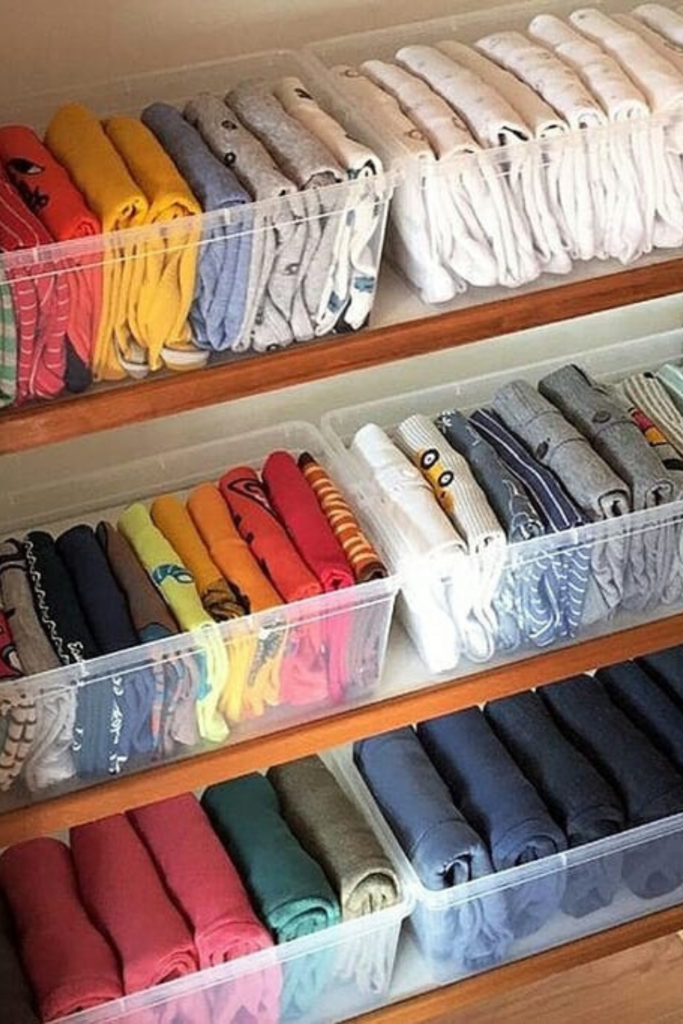
Vertical Fold Method
Drawer mess disappears once clothes are displayed instead of stacked. Vertical folding keeps every piece visible.
Making this ideal for wardrobes. Copy it by folding items into compact rectangles and placing them upright in clear bins.
Natural light helps with quick selection, while soft overhead lighting keeps colors easy to scan without digging or refolding.
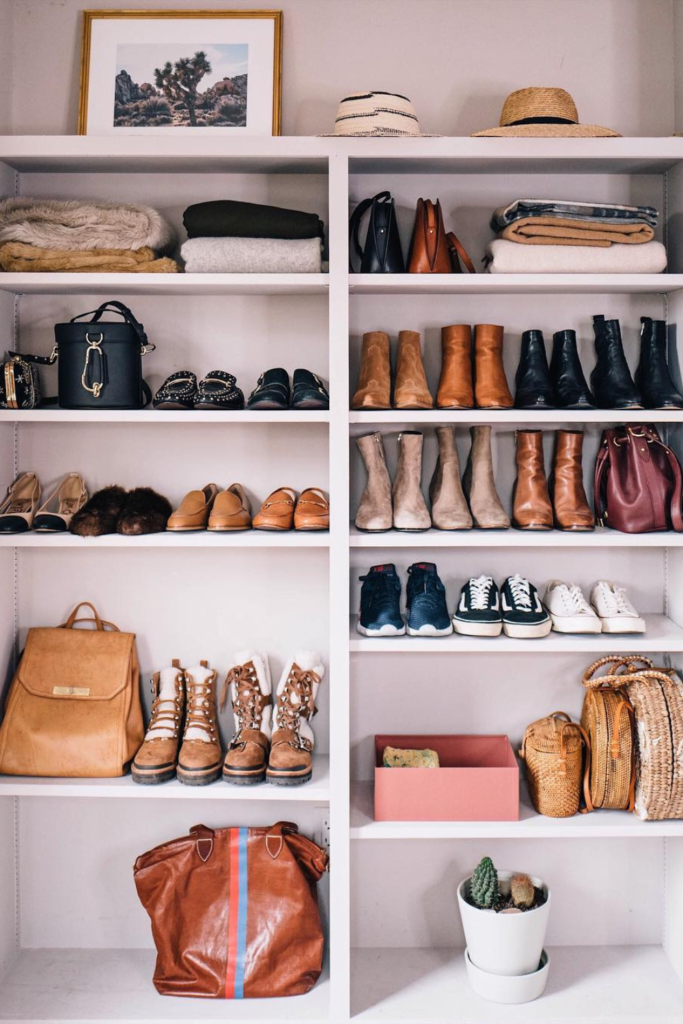
Category Shelf Order
Closets stay calm once items live by type, not by outfit. Shoes, bags, and folded pieces grouped on open shelves.
Make everything easy to see and return. Dedicating each shelf to a single category and keeping the color tones consistent.
Natural daylight keeps the setup readable, while soft overhead lighting prevents shadows from crowding the shelves.
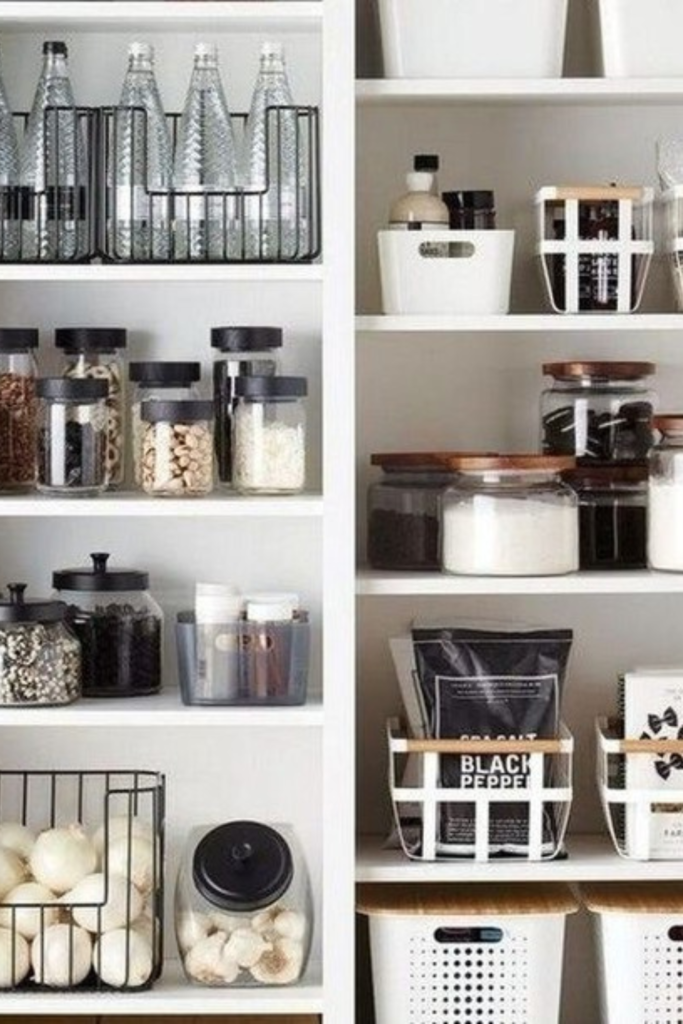
Clear Pantry Zones
Food stays under control once shelves work by category. Clear jars and open baskets make pantry items easy to see.
Useful in kitchens with limited cabinet depth. Decanting staples and grouping snacks, grains, and baking items separately.
Bright ambient lighting keeps labels readable, while shelf-level light reduces shadowed corners, this setup works best.
Entryway Drop Zones
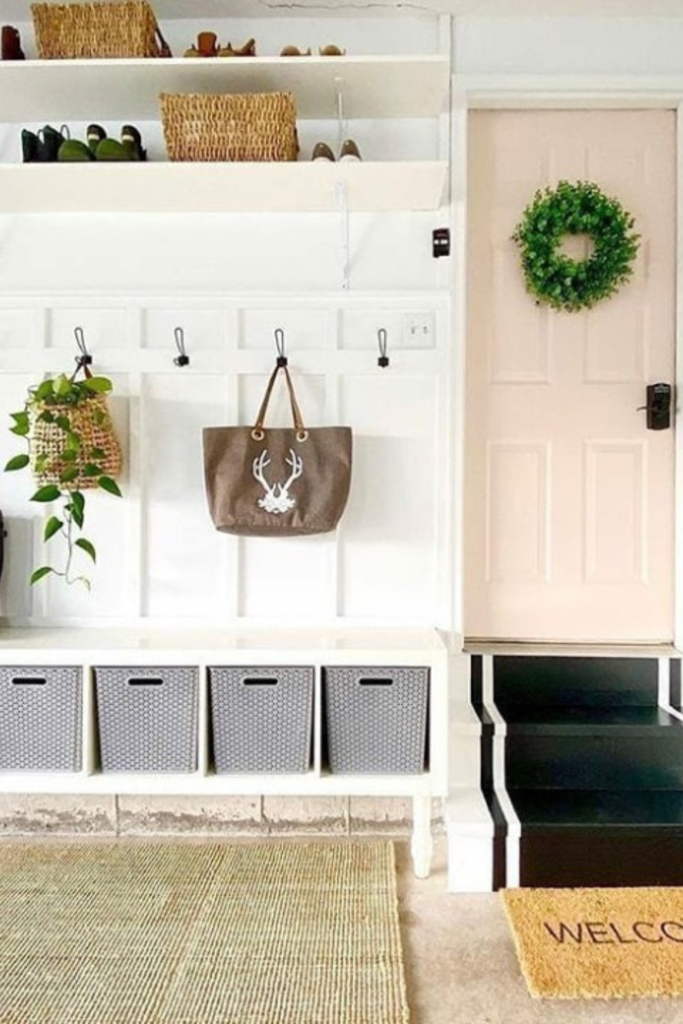
Daily clutter stops at the door once every item has a landing spot. Hooks, baskets, and open shelves work best in entryways.
Shoes, bags, and outdoor gear pile up fast. Assigning one hook to each person and one bin to each category.
Natural daylight keeps the space inviting, while simple overhead lighting ensures nothing gets missed during quick exits.
Wall Tool Layout
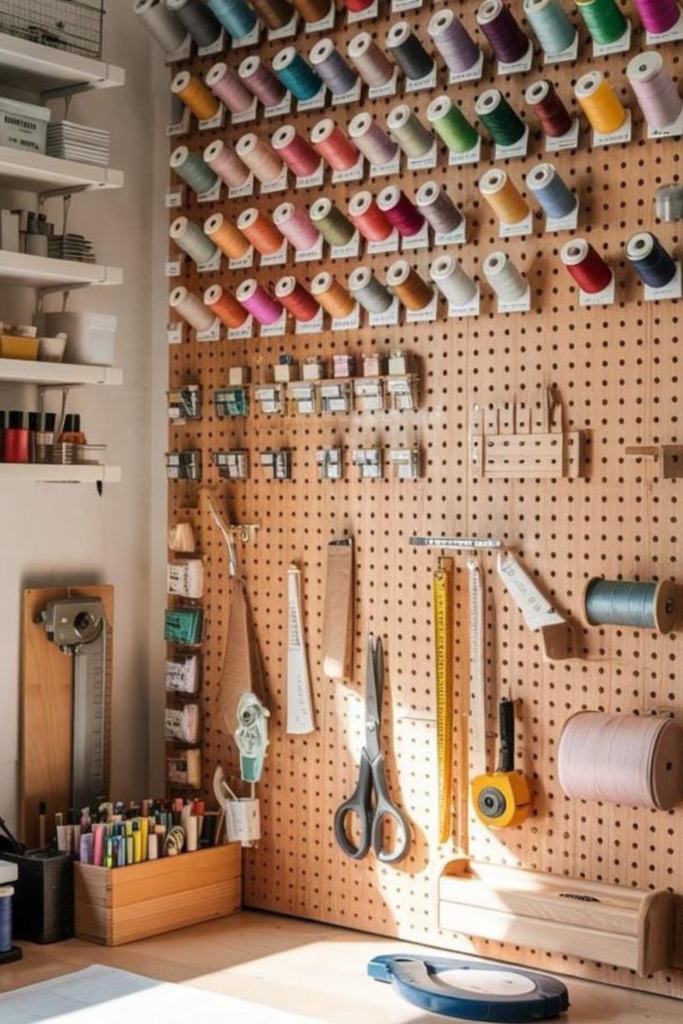
Creative work flows faster once tools stay visible and fixed in place. Pegboard walls work best in craft rooms or workspaces.
Small tools are easy to lose, assigning each tool a permanent hook and spacing items evenly to avoid crowding.
Daylight supports color work, while focused task lighting keeps details clear without harshly illuminating the whole room.
Flat Supply Stacks
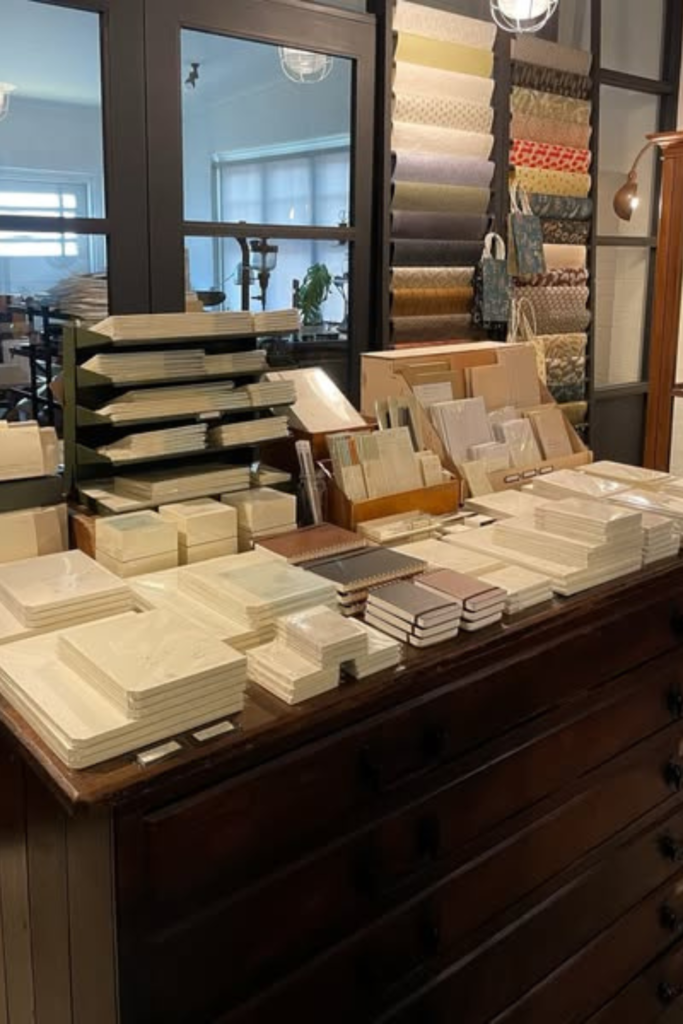
Paper chaos fades once supplies stay sorted by size and use. Flat stacking works best for studios, offices, or craft rooms.
Papers, notebooks, and materials pile up fast. Grouping items into low, even stacks and limiting each stack to one purpose.
Natural window light keeps materials visible, while soft overhead lighting prevents glare on clean surfaces.
Drawer Micro Zones
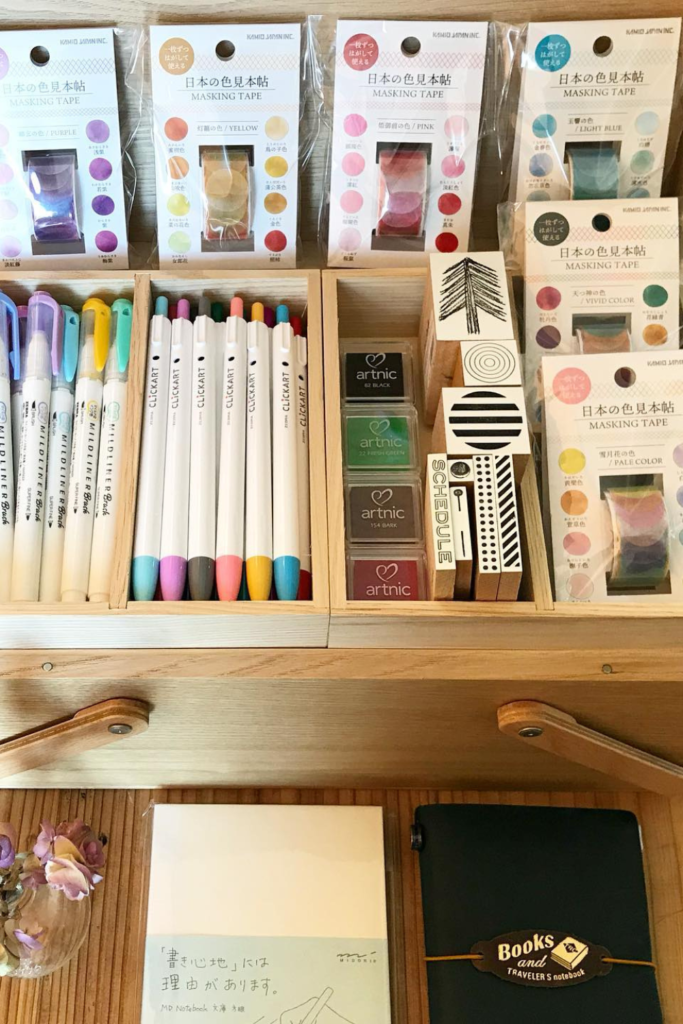
Creative supplies stay usable once small items stop mixing together. Shallow wooden dividers work best for desks or craft drawers.
Where pens, tapes, and stamps pile up fast. Recreate this by separating tools by size and function, not brand.
Natural top-down light keeps colors accurate, while soft ambient lighting prevents glare and eye strain during long sessions.
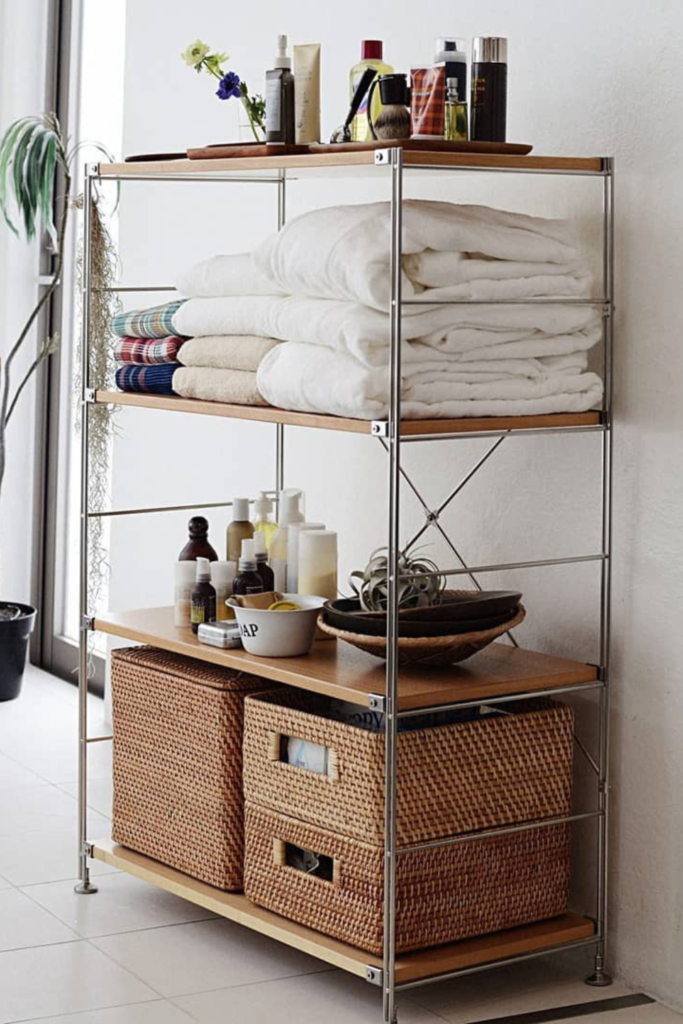
Open Utility Rack
Laundry and bath supplies feel easier to manage once everything stays visible but remains under control.
Recreate this by stacking towels by size, keeping daily products at eye level, and hiding backups in woven bins below.
Natural side light keeps the setup fresh, while soft ambient room lighting avoids harsh reflections on bottles.
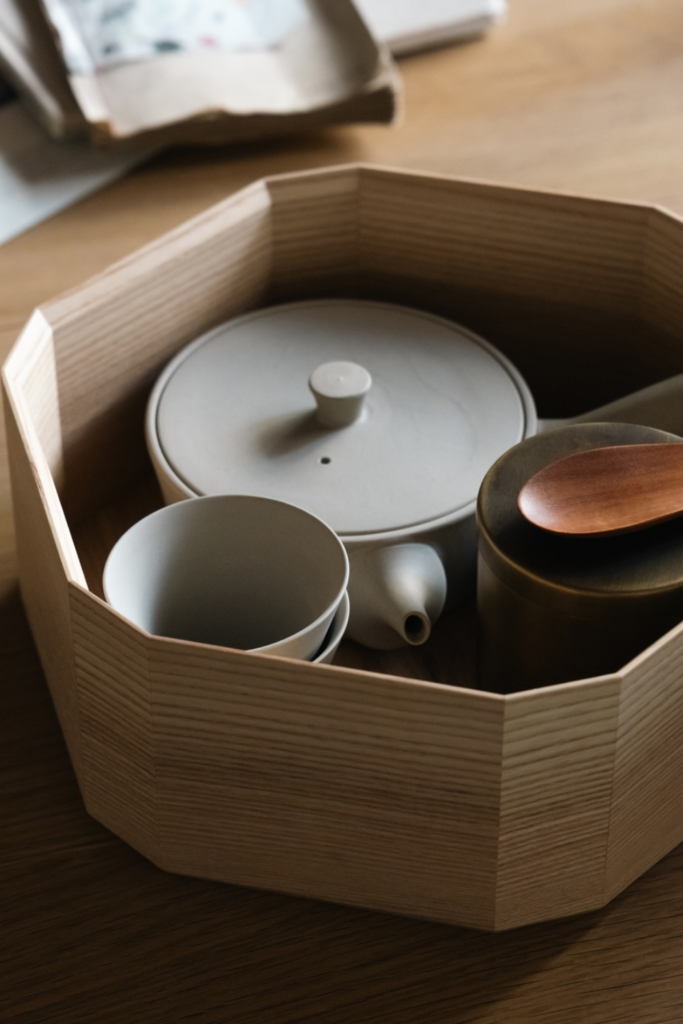
Ritual Tea Box
Daily habits feel calmer once tools stay together and protected. A lidded wooden box works best for tea sets, coffee tools.
Deserve one dedicated spot, and storing only what you actually use for that routine and leaving extra space inside the box.
Soft natural daylight adds warmth, while low ambient lighting keeps the moment slow and intentional.
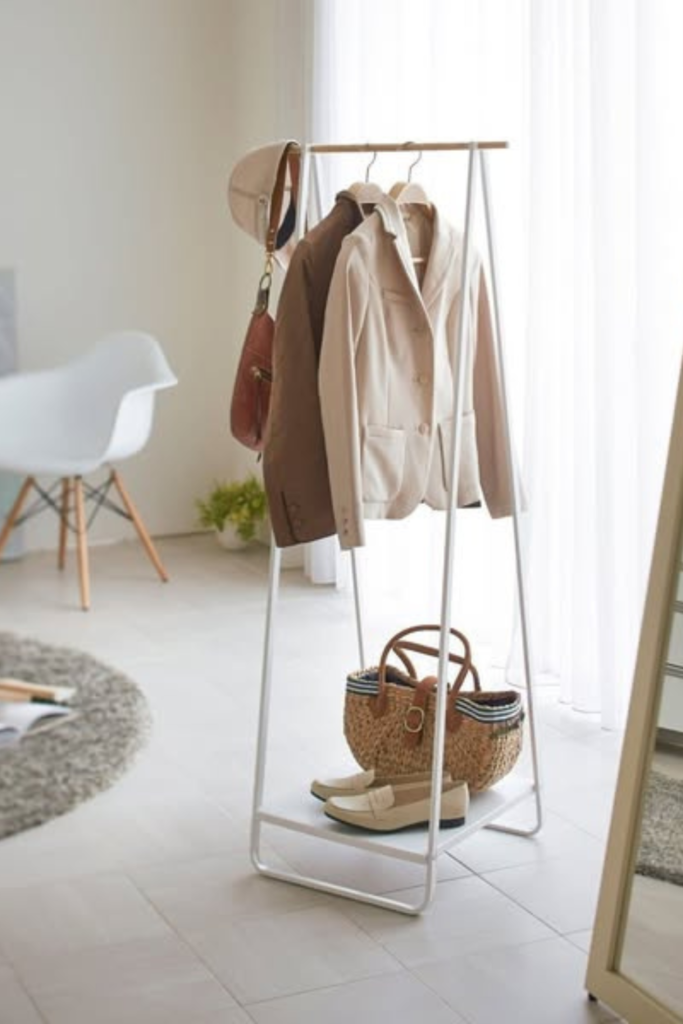
Daily Outfit Rack
Morning routines run more smoothly once tomorrow’s clothes are visible. Slim standing rack works best in bedrooms.
Closets feel crowded. Limiting the rack to one outfit, one bag, and one pair of shoes at a time for easy to grab.
Soft window light keeps colors accurate, while gentle ambient lighting avoids harsh shadows during early starts.
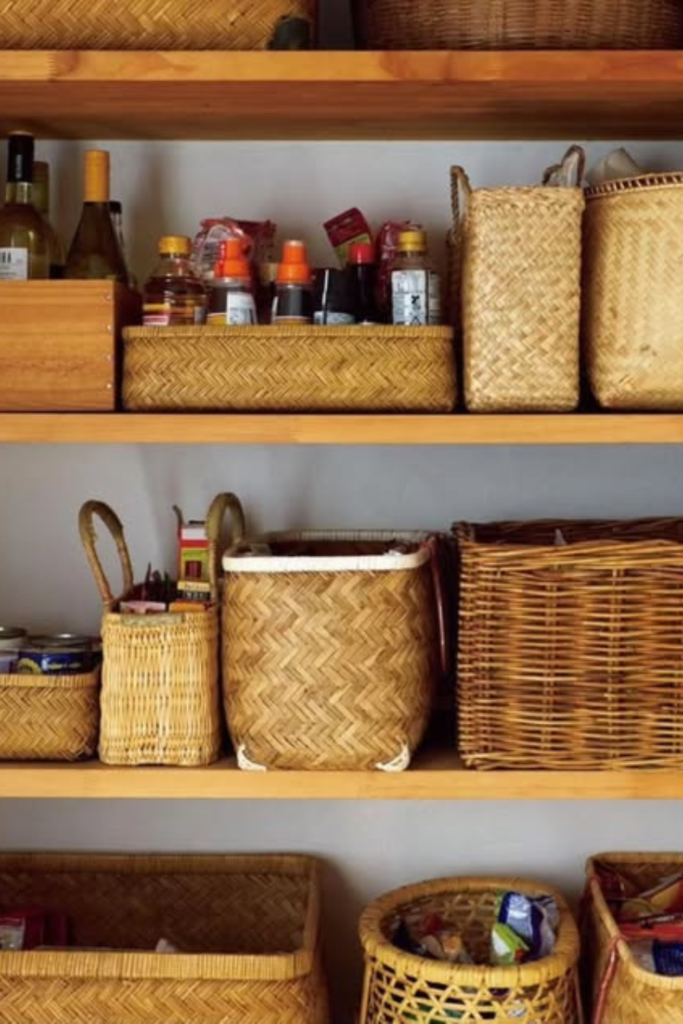
Basket Group Storage
Shelf clutter settles once loose items are stored in flexible containers. Woven baskets work best for pantries or kitchens.
Packaging shapes never match. Grouping sauces, snacks, or backups into baskets you can lift and return easily.
Warm ambient lighting highlights textures, while soft shelf-level light keeps contents visible without turning shelves into visual noise.
Layered Vanity Drawers
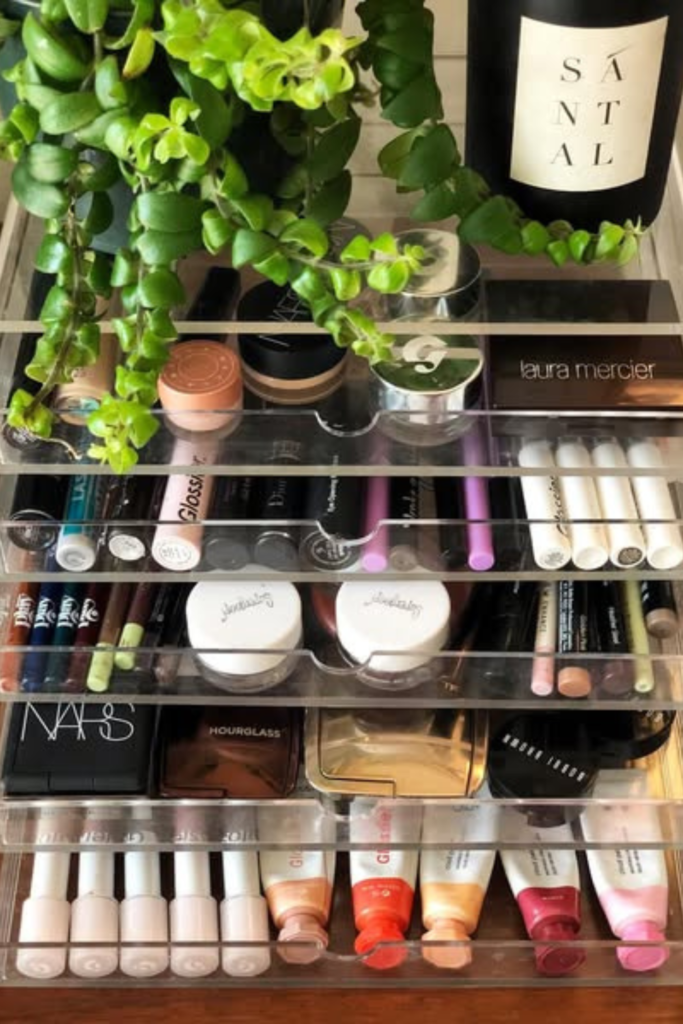
Makeup stays manageable when products are spread across shallow layers rather than a single deep pile.
Assigning one layer to the face, one to the eyes, and one to the lips, keeping favorites on top, tiered acrylic drawers work best.
Natural daylight improves color accuracy, while soft ambient lighting reduces harsh reflections on glossy surfaces.
Hidden Toy Storage
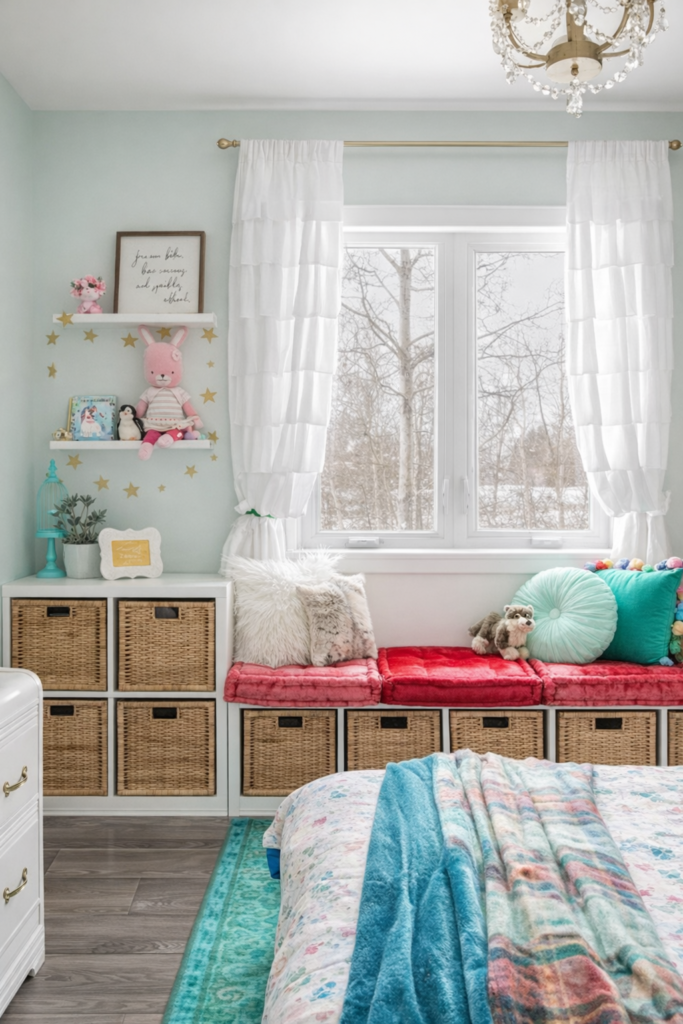
Kids’ rooms stay calmer once playthings are put away when not in use. Giving each bin one toy type, keep surface clear.
Cube shelving with woven bins works best under windows or along low walls where clutter builds fast.
Soft daylight keeps the space cheerful, while gentle ceiling light avoids overstimulating the room at night.
Clear Counter Rule
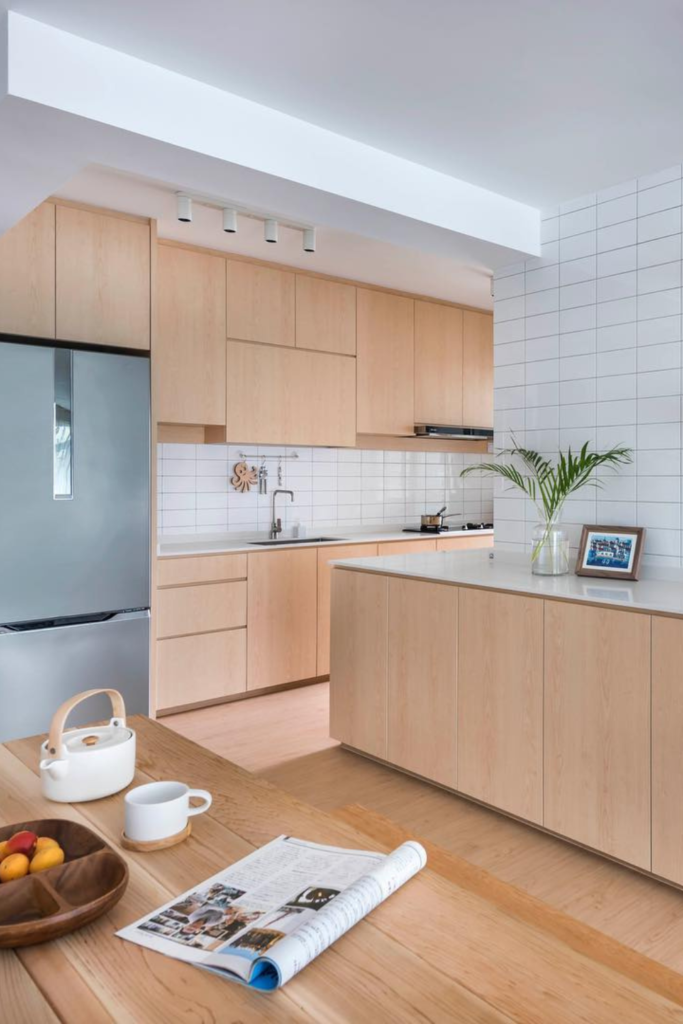
Kitchen calm starts once counters stop acting like storage. Flat, empty surfaces work best in kitchens.
Storing tools inside cabinets and leaving only one or two daily-use items out where visual noise builds fast during daily cooking.
Strong natural daylight keeps the space bright, while recessed ceiling lights provide even ambient lighting.
Seamless Cabinet Storage
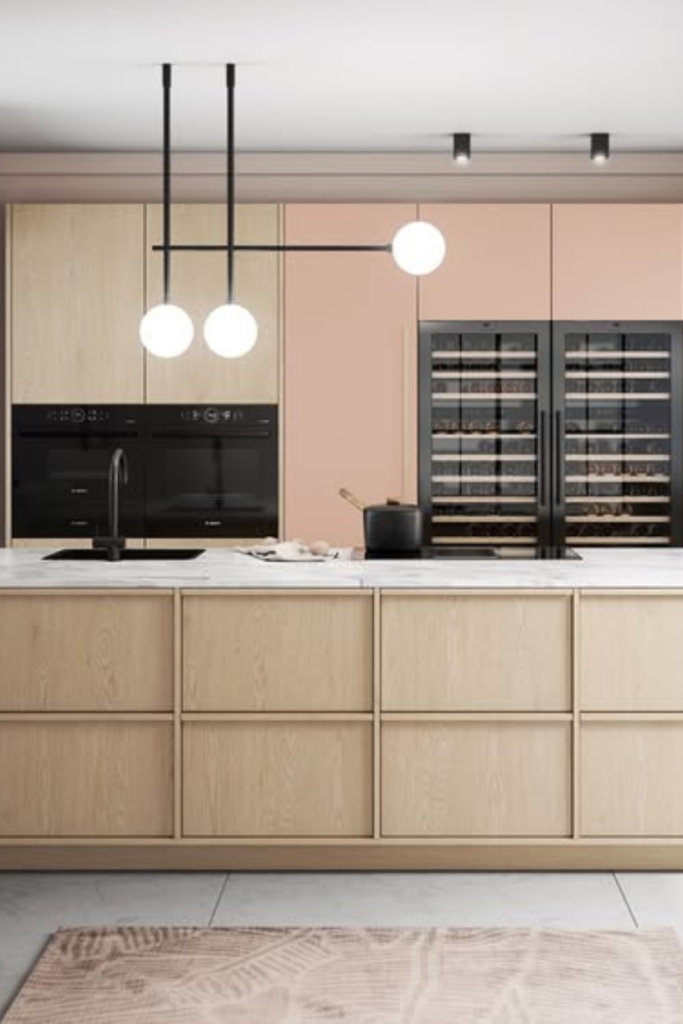
Visual clutter fades once storage blends into the architecture. Full-height, handle-free cabinets work best in kitchens.
Appliances and tools usually interrupt the flow, hiding everything behind uniform fronts and grouping items by task inside.
Soft pendant lighting adds warmth over work zones, while recessed ceiling lights keep the rest of the space evenly lit.
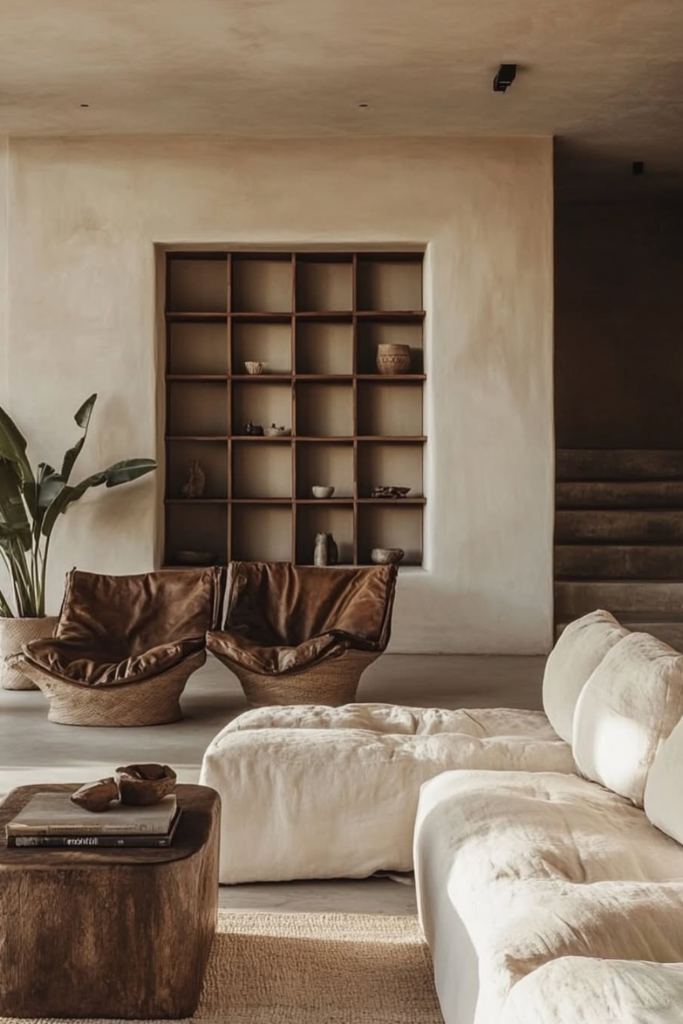
Intentional Empty Shelves
Rooms feel lighter once storage leaves breathing space. Built-in shelving works best in gentle living areas where too much décor quickly feels heavy.
Soft natural daylight creates gentle contrast, low, warm ambient lighting adds depth without pulling attention to the shelves themselves.
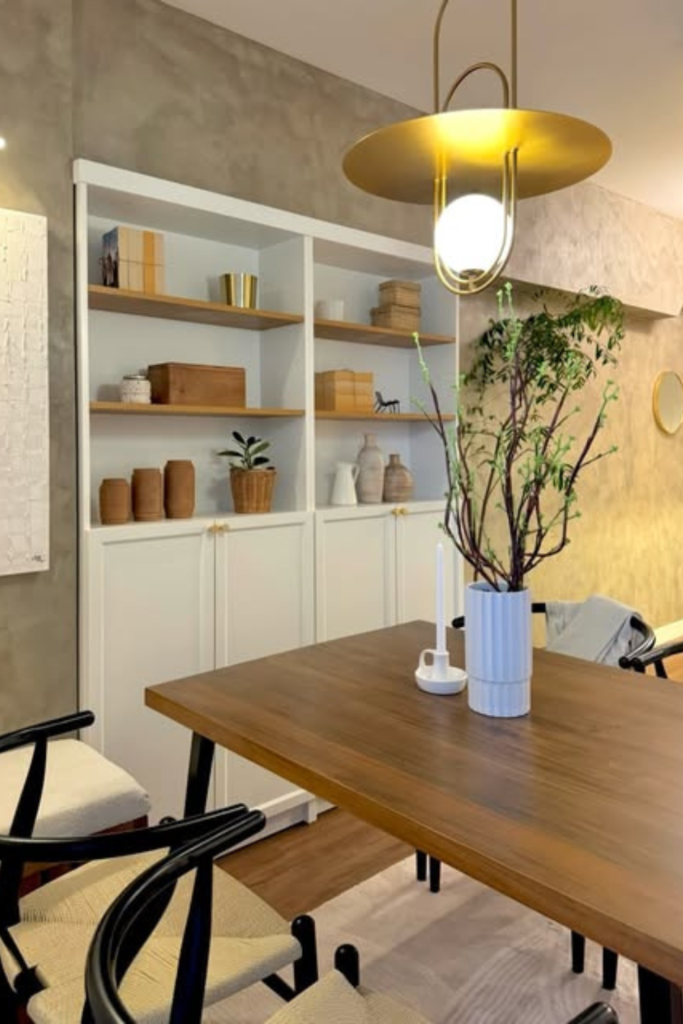
Balanced Shelf Styling
Storage feels calmer once shelves follow the rhythm. Mixed open-and-closed shelving works best in dining or living spaces.
Where function meets display. Recreate this by grouping objects in uneven numbers and spacing them with intention.
Warm pendant lighting adds a soft focal glow, ambient room lighting keeps the shelves visible and accessible.
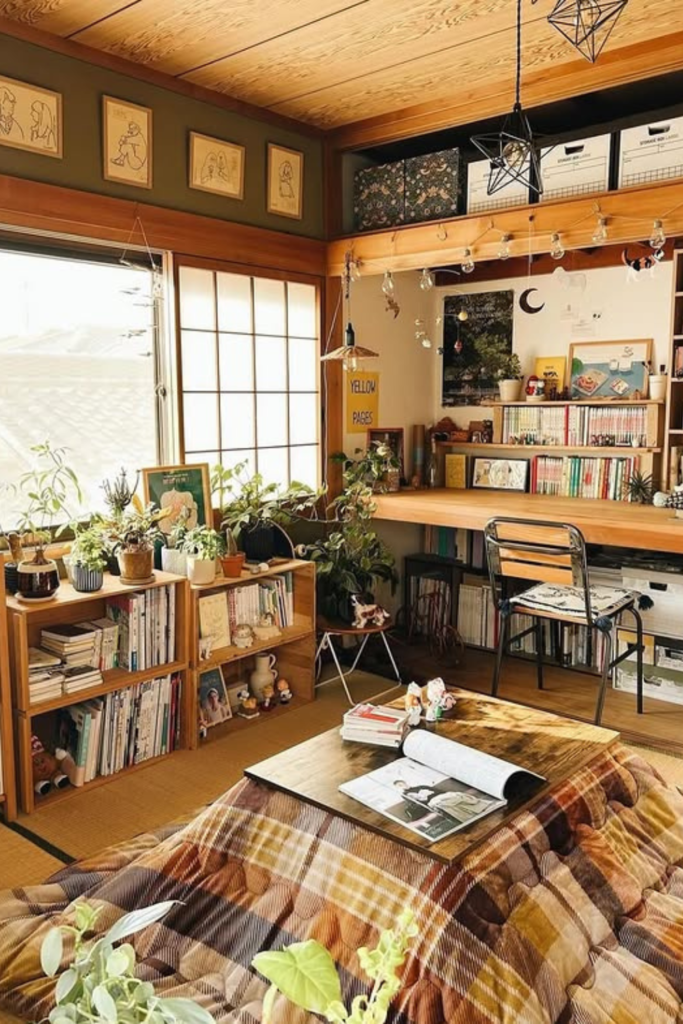
Zonal Living Corners
Shared spaces feel organized once each activity owns its own zone. Low shelves and desks work best in studios.
Assigning one corner for reading, one for work, and one for relaxation, with items kept in their respective zones only.
Soft daylight through screens sets the base, while string and task lights add warm layers without overpowering the room.
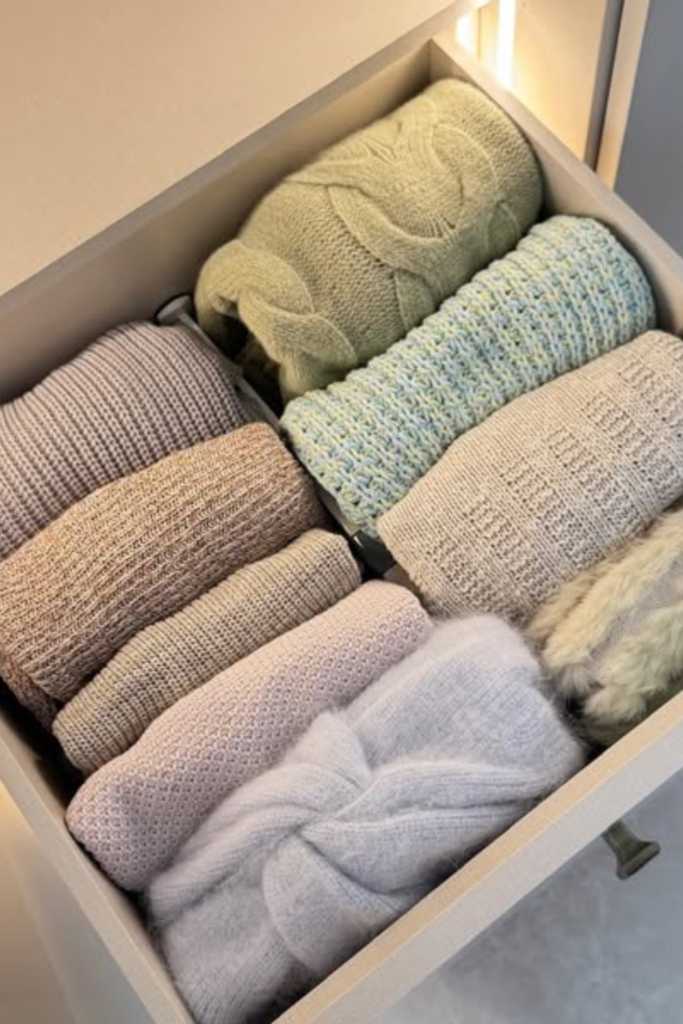
Soft Drawer Order
Seasonal knits stay usable once drawers stop turning into piles. Rolling or gentle folding works best for sweaters.
Recreate this by grouping items by weight and keeping similar textures together so drawers close easily.
Neutral daylight keeps colors true, while soft interior lighting helps everything stay visible without overpacking the space.
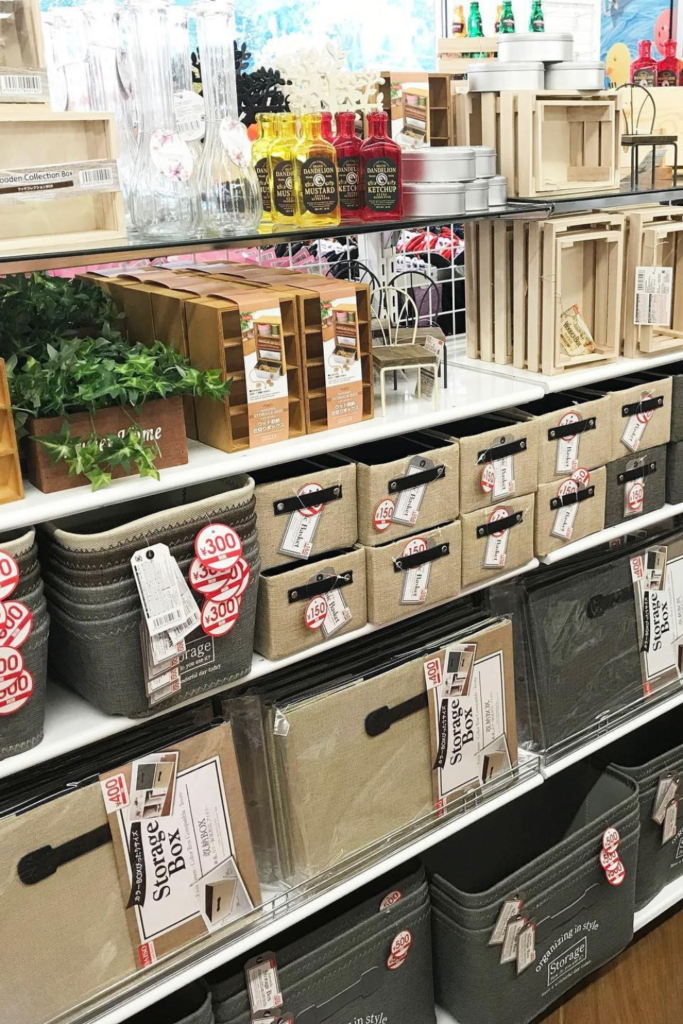
Budget Storage Base
An organization works better once storage stays simple and affordable. Recreate this by choosing one box size.
Repeating it across a space. Modular boxes and bins like these fit best in closets, pantries, or under beds where flexibility matters.
Bright store lighting clearly shows function, while soft home ambient light keeps the setup from feeling busy once placed.
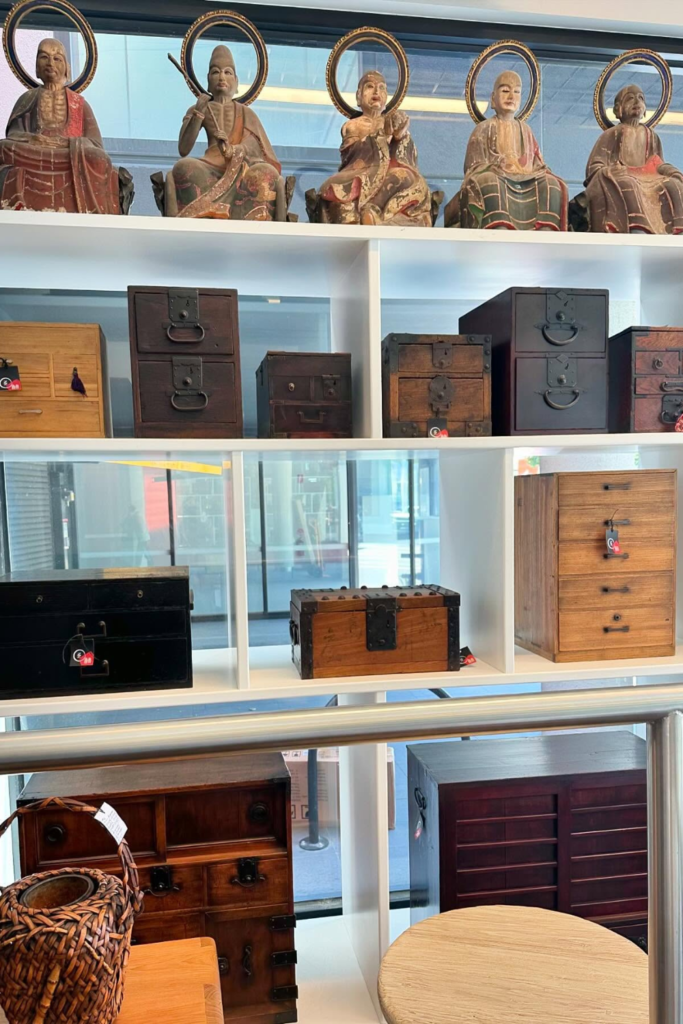
Purpose Storage Boxes
Storage feels intentional once containers match what they hold. Solid wooden boxes work best for keepsakes, documents.
ou don’t need daily access to. Recreate this by assigning one box to one purpose and stacking only what you can lift easily.
Soft natural light highlights texture, while gentle ambient lighting keeps shelves calm without turning storage into display clutter.
FAQs
How can Japanese organizations stay organized longer?
A Japanese organization lasts because you remove excess first, then assign every remaining item a single, fixed home.
Daily reset stays short, put things back right after use, and spend five minutes tidying once a day. Since storage stays simple.
Uncluttered, mess never grows big enough to require long cleanup sessions or constant re-organizing.
Which Japanese organization idea works best for small apartments?
Zoning works best in small spaces. Give each area one clear purpose sleeping, working, dressing, or entry, and keep only related items there.
Use one closed bin per zone for loose items and leave one surface empty. This limits clutter spread and makes even small apartments feel more open and manageable.
You may like to read!
- 26 Dresser Organization Ideas
- 24 Family Organization Wall
- 22 Junk Drawer Organization
- 22 Junk Room Organization
- 27 Fridge Organization Ideas

Fasial is the founder of the Fizzy Flare. He has been a passionate blogger since 2021. He ran three different websites in the past few years. Now he is focusing on Fizzy Flare to build an audience and help them organize their life.