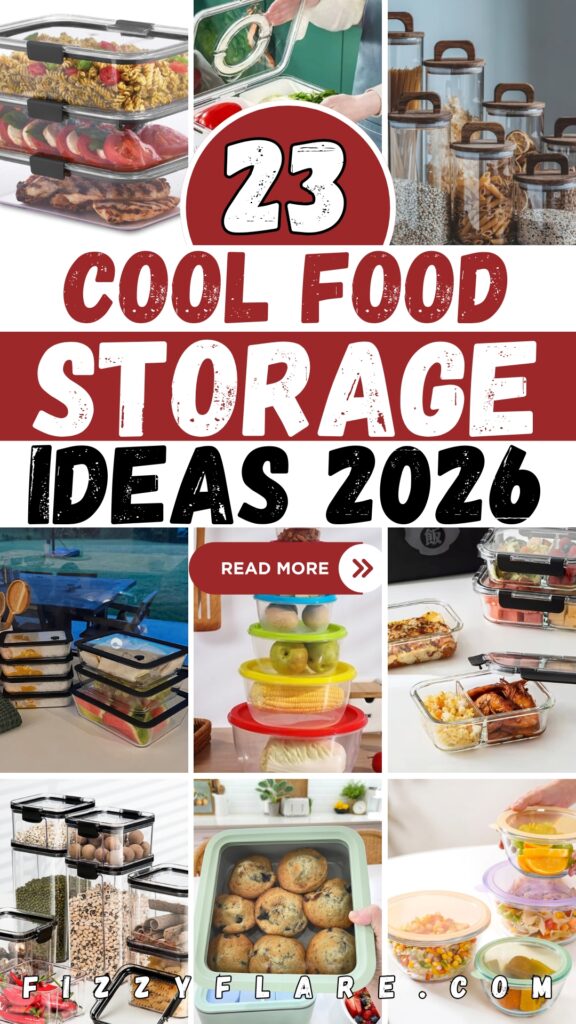
23 Food Storage Ideas for 2026
This post may contain affiliate links: full affiliate disclosure.
If your food keeps going bad faster than you expect, you’re not imagining it. Fruits turn soft too soon, leftovers dry out, and pantry items lose freshness even when they look fine.
You end up throwing food away and buying it again, which wastes both time and money. The issue usually isn’t the food itself. It’s how and where it’s stored.
In this article, you’ll learn the main methods of food storage, how each one works, and when to use them so your food lasts longer and stays safe without guesswork.
In this article, you’ll explore 23 Food Storage ideas that perfectly work in 2026.
Let’s jump in!
Contents
- 1 What are the methods of food storage?
- 1.1 Stackable Airtight Containers
- 1.2 Fridge Zone Containers
- 1.3 Labeled Pantry Jars
- 1.4 Meal Prep Stack
- 1.5 Color-Coded Sizes
- 1.6 Divided Glass Boxes
- 1.7 Small Portion Bowls
- 1.8 Soft Snack Storage
- 1.9 Tall Dry Storage
- 1.10 Open Shelf Jars
- 1.11 Flat Stack Meals
- 1.12 Produce Drain Boxes
- 1.13 Mixed Container Stack
- 1.14 Category Shelf Sorting
- 1.15 Protein P roduce Stack
- 1.16 Pour-Top Canisters
- 1.17 Countertop Cereal Box
- 1.18 Glass Lid Stack
- 1.19 Tall Counter Canisters
- 1.20 Prepped Veg Stack
- 1.21 Cabinet Pantry Reset
- 1.22 Dried Food Library
- 1.23 Wall Cabinet Bins
- 2 FAQs
What are the methods of food storage?
Food storage works when you match each food with the right method, rather than treating everything the same. Some foods need cold temperatures to slow spoilage.
Others stay fresh only when kept dry and sealed. Refrigeration helps keep short-term items like leftovers and dairy fresh, freezing pauses spoilage for long periods.
Pantry storage works for dry foods when air and moisture are controlled. Canning, drying, and airtight containers add extra protection by blocking bacteria, oxygen, or humidity.
Once you understand what each method does, you stop guessing and start storing food in a way that actually keeps it usable longer.
Save this article for later! 👇👇
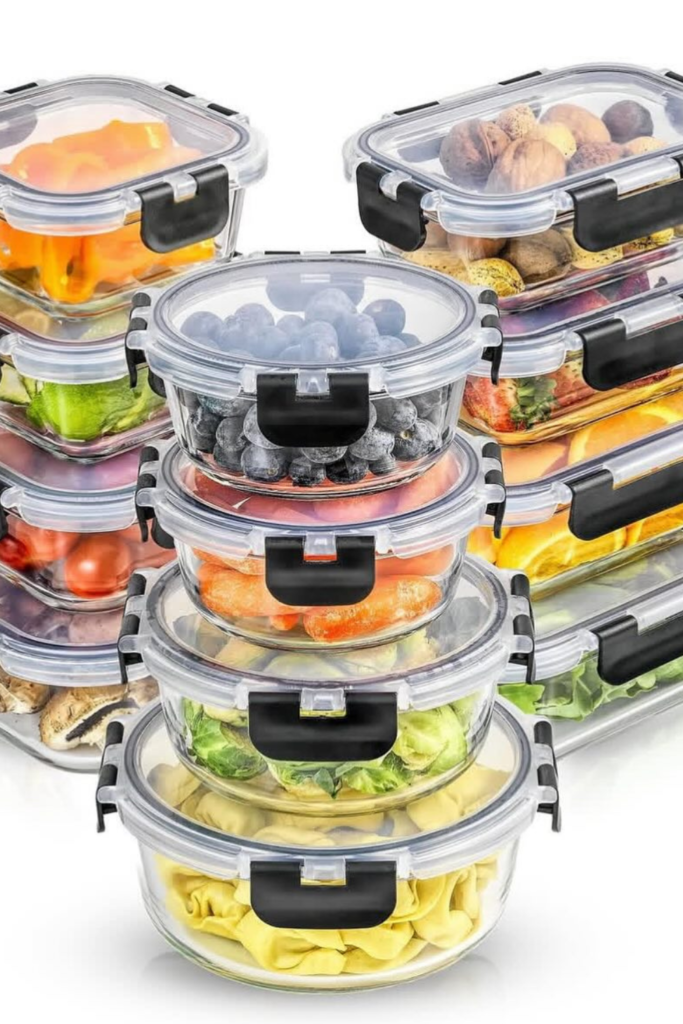
Stackable Airtight Containers
Your fridge turns chaotic fast, this setup fixes it. Use matching, stackable boxes so everything lines up and stays visible. Airtight locks slow moisture.
Keeping produce and leftovers fresher longer. Clear sides let you spot food instantly, and bright, even lighting makes contents easy to see.
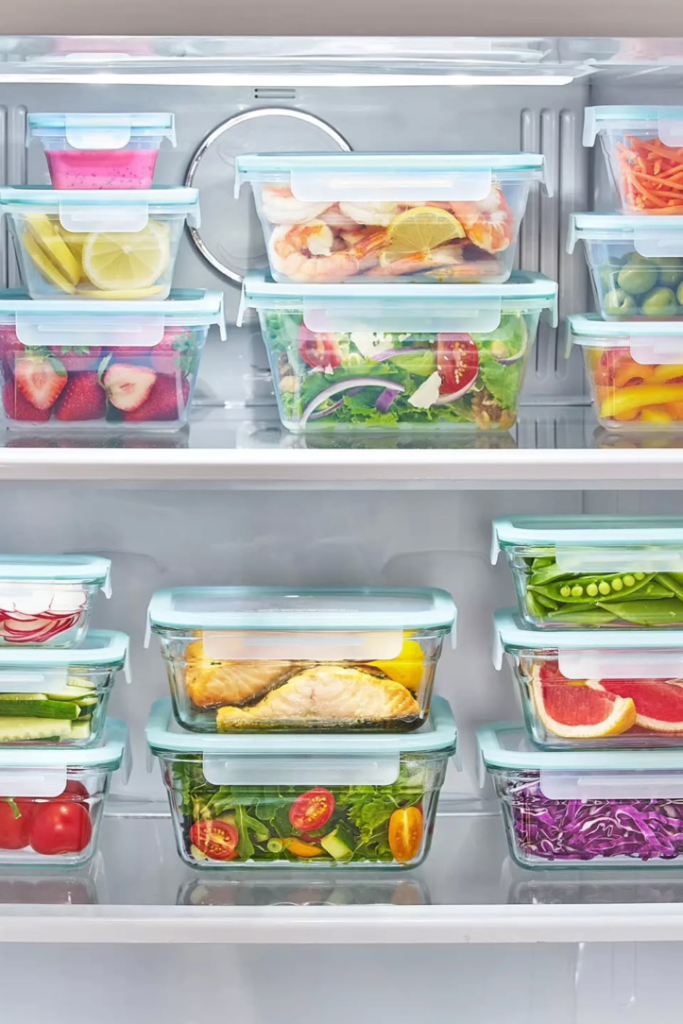
Fridge Zone Containers
You’re tired of shuffling shelves just to find one thing, this setup solves it. Group similar foods in clear containers.
Assign each shelf a purpose. Stack by height so air flows evenly. This works best in family fridges where food moves fast.
Bright fridge LEDs and clear lids keep everything visible, preventing food from getting forgotten in the back.
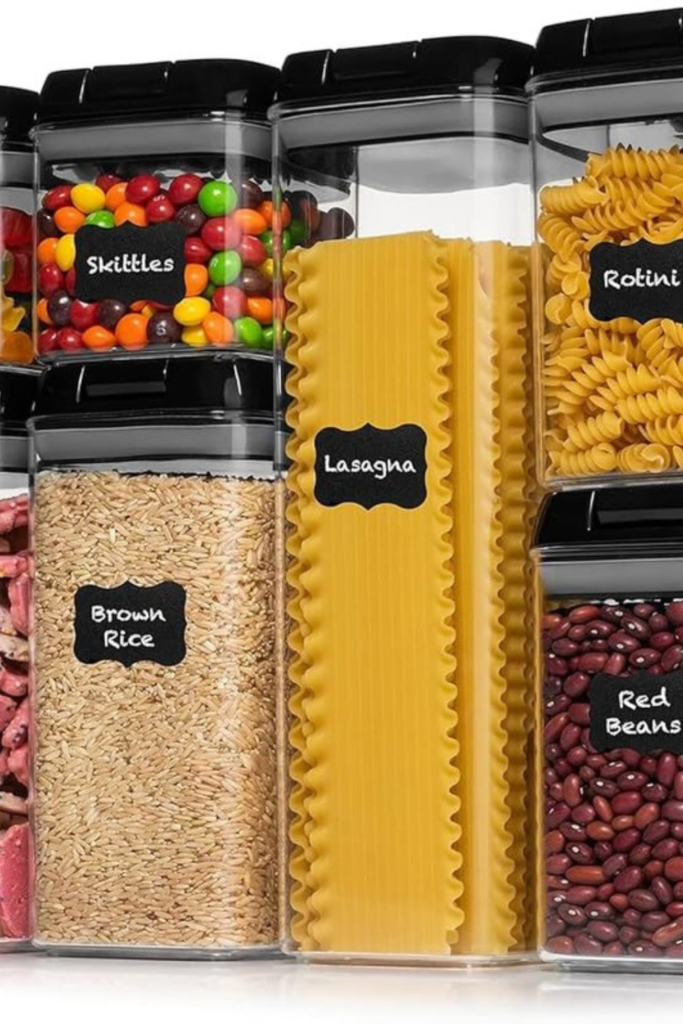
Labeled Pantry Jars
You keep rebuying dry foods you already own, this fixes that. These containers work best in pantries and cabinets.
Transfer snacks, grains, pasta, and beans into clear jars and label them clearly, airtight lids protect against moisture.
The labels remove guesswork. Even shelf lighting helps you scan quantities quickly and restock before you run out.
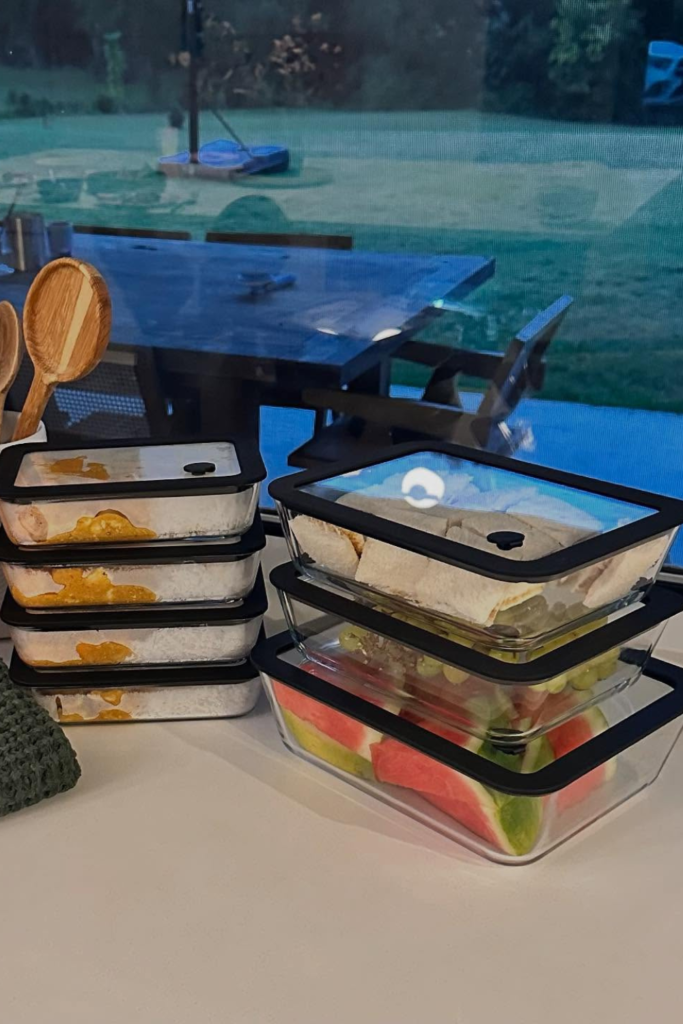
Meal Prep Stack
If weekdays feel rushed, this setup saves you, works best on a kitchen counter or fridge shelf where you prep food in advance.
Use uniform containers so meals stack neatly. Prep grains, proteins, and fruit ahead of time and portion them out.
Natural daylight from nearby windows, plus clear lids, make it easy to grab the right box without opening everything.
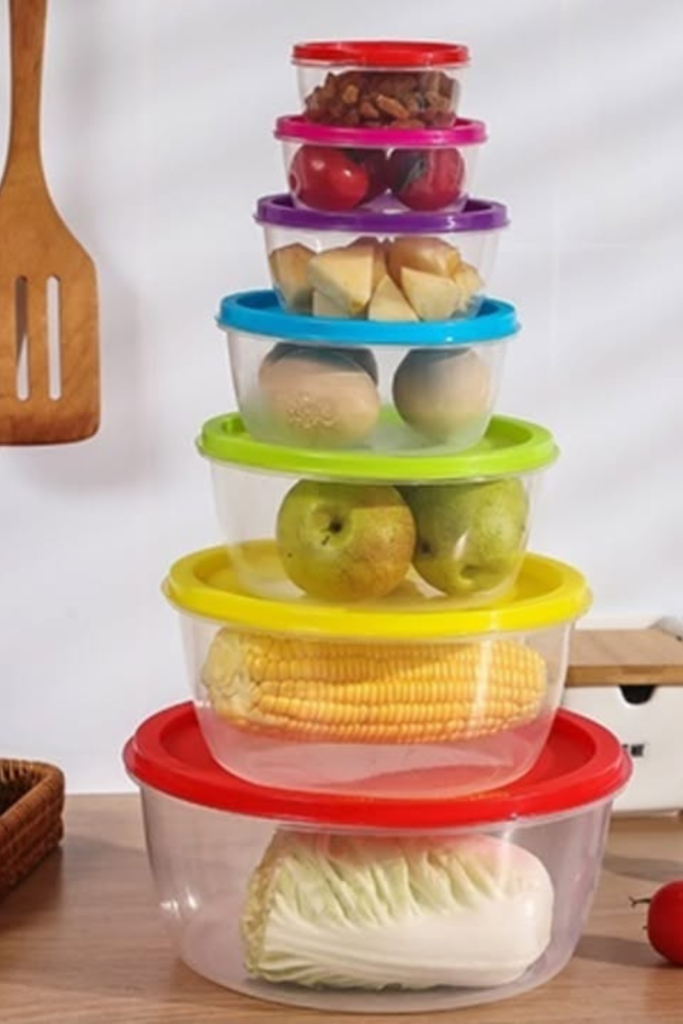
Color-Coded Sizes
You’re always hunting for the right lid, this setup ends that struggle, fits in busy kitchens where containers get used daily.
Use different lid colors to match container sizes, everything pairs fast. Stack larger bowls at the bottom and smaller ones on top.
Bright colors and soft natural light make sizes easy to spot at a glance, keeping drawers from turning chaotic.
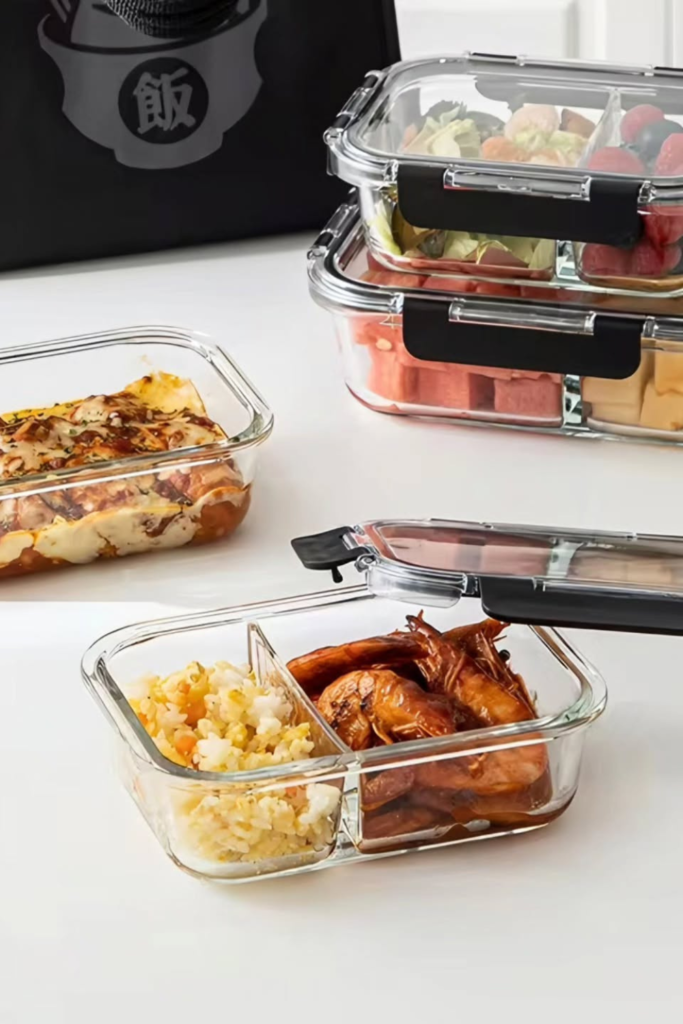
Divided Glass Boxes
Leftovers keep mixing and turning unappetizing, this fixes that. These containers work best for cooked meals.
Use divided sections to keep sauces, sides, and mains separate. Glass handles heat up more evenly and don’t hold smells.
Clean, even overhead lighting plus clear lids make portions easy to see and grab without opening every container.
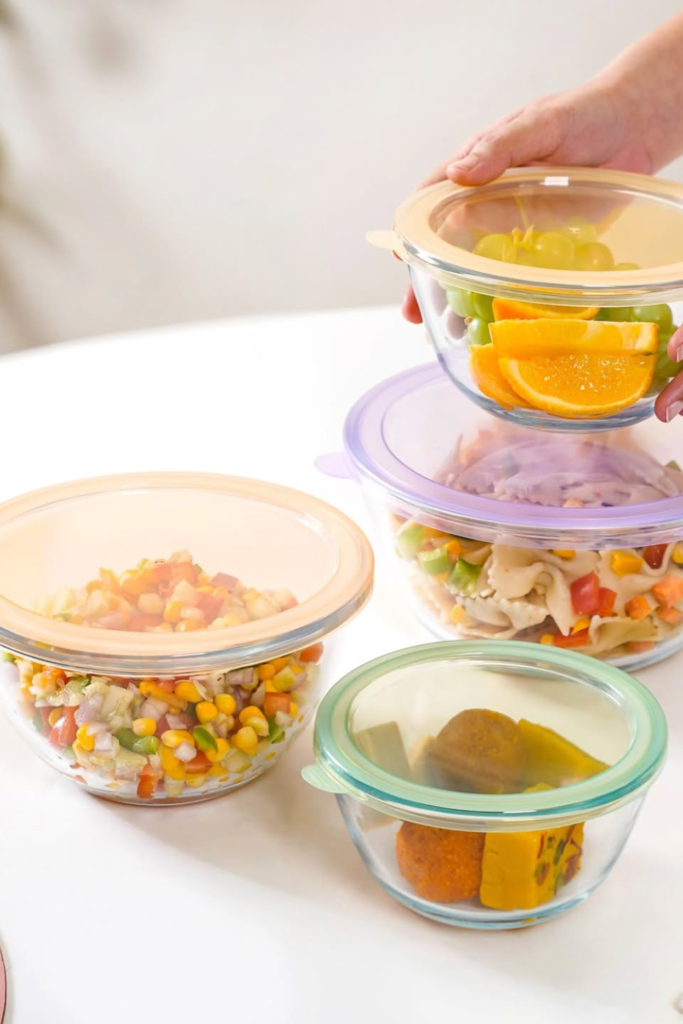
Small Portion Bowls
Leftovers keep piling up but never get eaten, this setup helps. Portion food right after cooking, you don’t overfill containers.
Smaller sizes cool faster and stay fresher longer, best for single servings, chopped veggies, or quick snacks stored in the fridge.
Soft, natural table lighting, combined with clear glass, makes contents easy to recognize and reuse rather than forget.
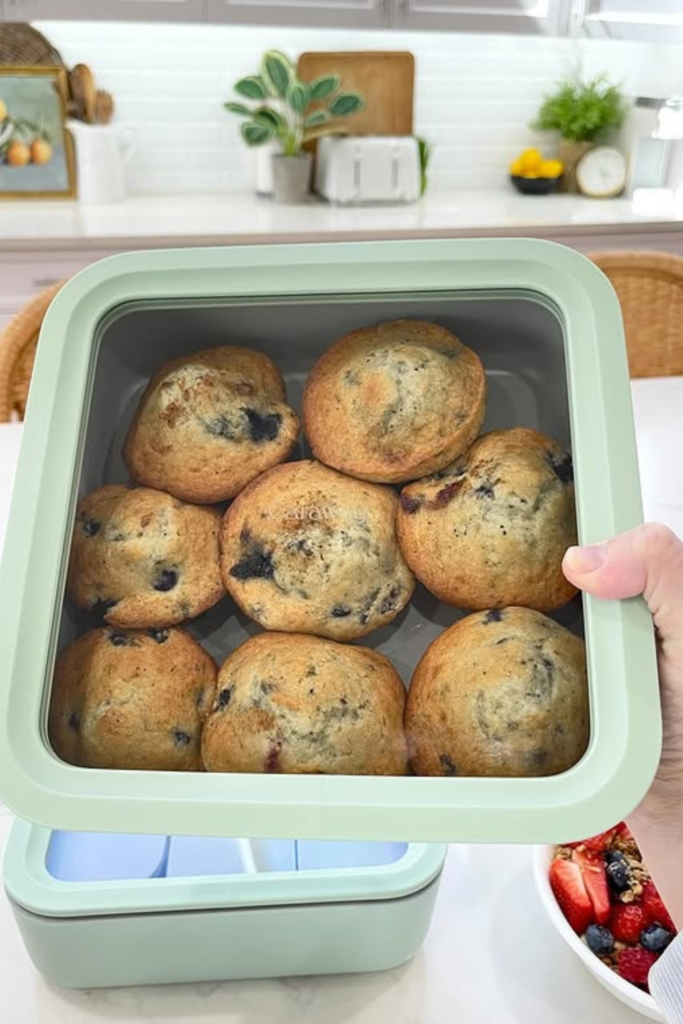
Soft Snack Storage
Baked snacks go stale too fast, this works best for muffins, cookies, and homemade treats kept on the counter or fridge.
Use wide, shallow containers so items don’t stack and crush each other. A snug lid keeps air out without trapping moisture.
Bright kitchen lighting plus a clear top make snacks visible, so they actually get eaten instead of forgotten.
Tall Dry Storage
Your pantry shelves feel crowded fast, this setup uses vertical space better. Tall, narrow jars let you stack upward. Airtight lids block moisture.
Side lighting or natural window light makes contents easy to identify, even when containers are packed close together.
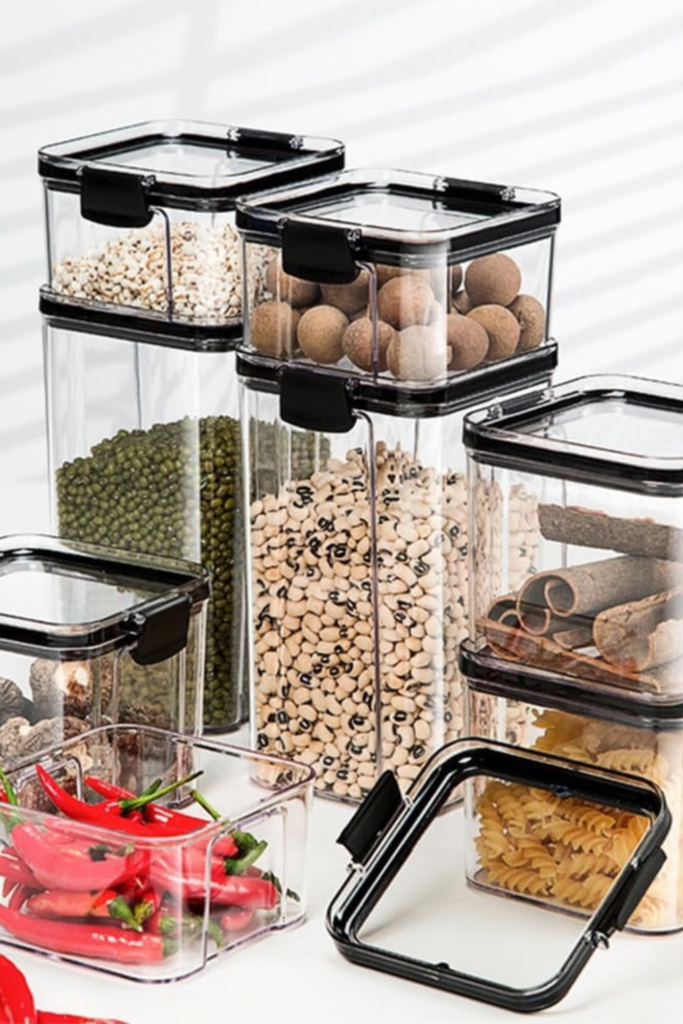
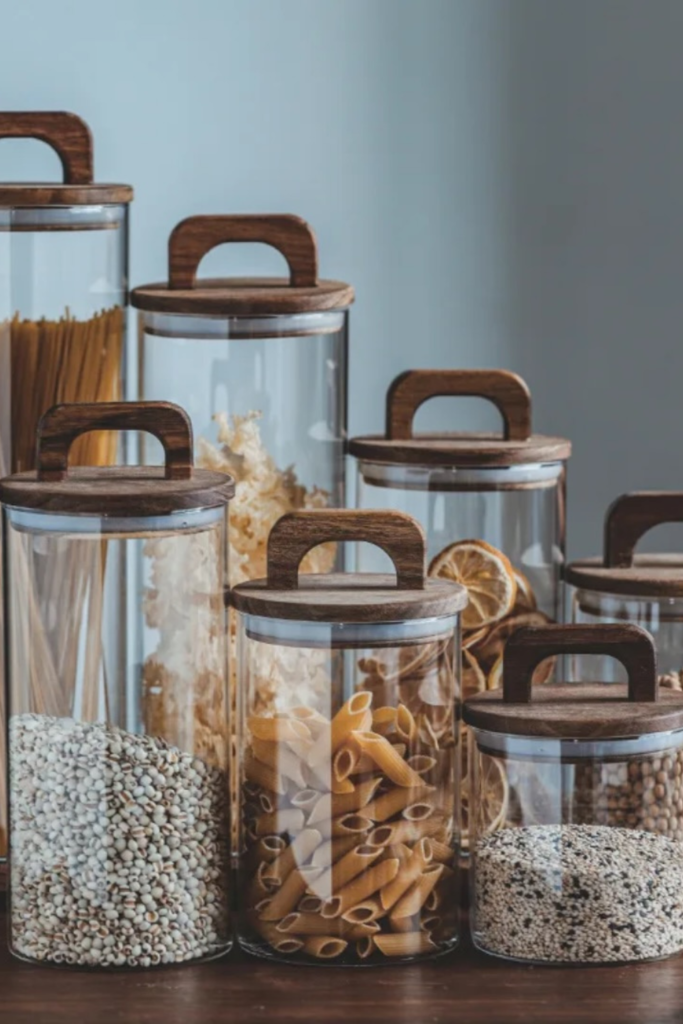
Open Shelf Jars
You want pantry storage that looks neat without hiding everything, this works well. These jars are best for open shelves.
Store dry staples you use often so nothing sits too long. Wood lids seal tightly while keeping the setup warm and simple.
Soft ambient lighting or daylight highlights contents and makes refilling easy without pulling everything down.
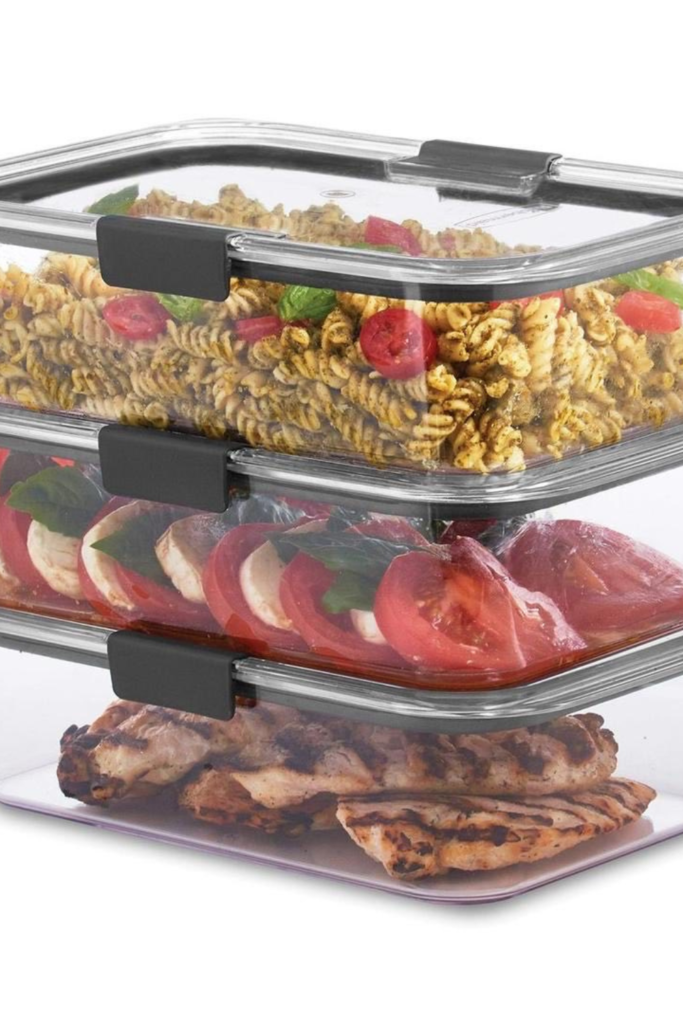
Flat Stack Meals
Your fridge shelves feel wasted, this setup fixes that. These containers work best for leftovers and pre-cooked meals.
Need to stack cleanly. Use flat, wide boxes so food spreads evenly and cools faster. Stack by meal type to avoid digging.
Bright fridge lighting and clear lids make each layer visible, so nothing gets pushed to the back and forgotten.
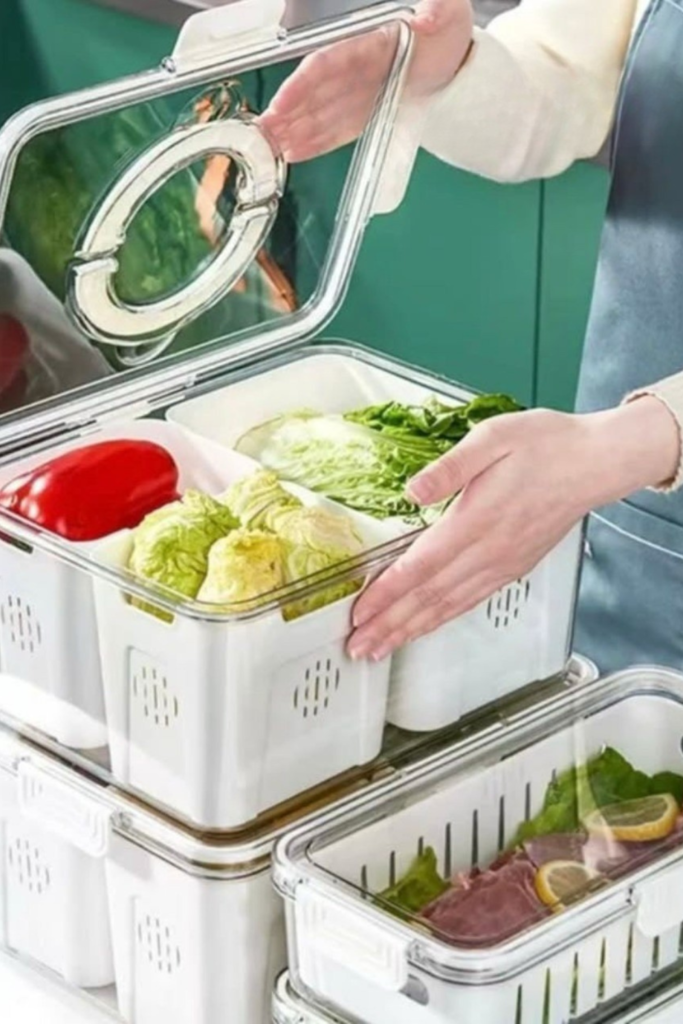
Produce Drain Boxes
Your leafy greens go slimy too fast, this setup helps. These containers work best for vegetables stored in the fridge.
The inner basket lifts produce above excess moisture, which slows rot. Wash greens first, let them drain, then store them.
Clear lids plus bright fridge lighting make it easy to check freshness without opening and disturbing everything.
Mixed Container Stack
Your pantry holds all kinds of foods, this setup keeps it flexible, best for shelves that store both bulk items and everyday staples.
Combine jars for loose grains with flat containers for pasta and beans. Stack heavier items lower and lighter ones above.
Warm shelf lighting or daylight makes labels and textures easy to read without having to pull containers out.
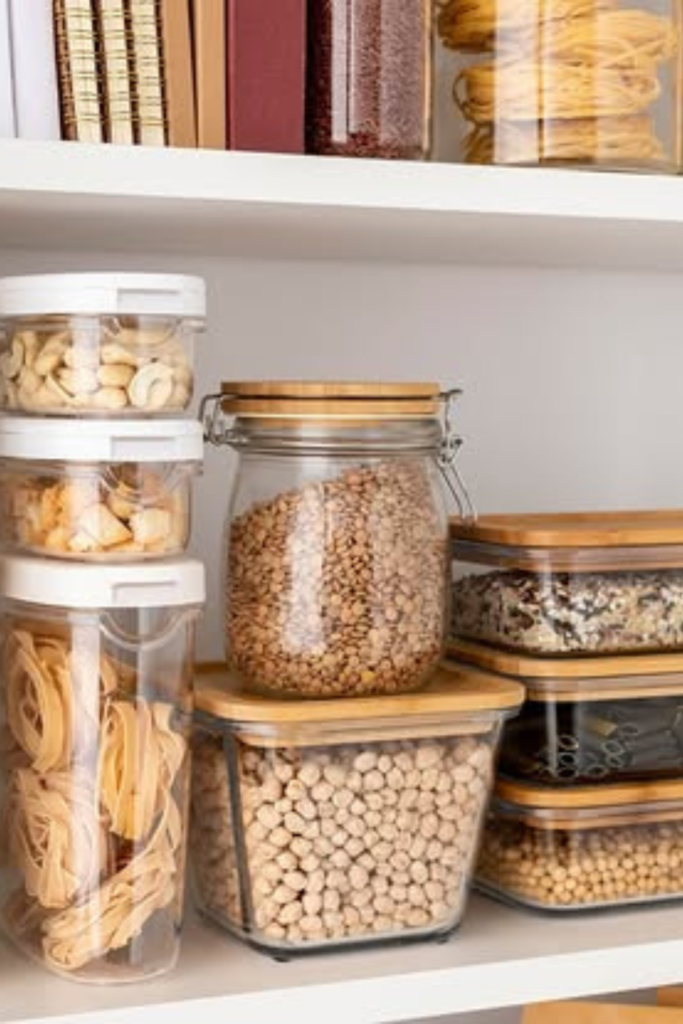
Category Shelf Sorting
Your pantry feels stocked but hard to manage, this setup brings clarity, this method works best on wide shelves.
Many items share the same space. Group foods by category: grains, beans, snacks, baking items, you always know where to look.
Use similar containers to keep rows clean. Even shelf lighting and clear glass help you spot gaps before you run out.
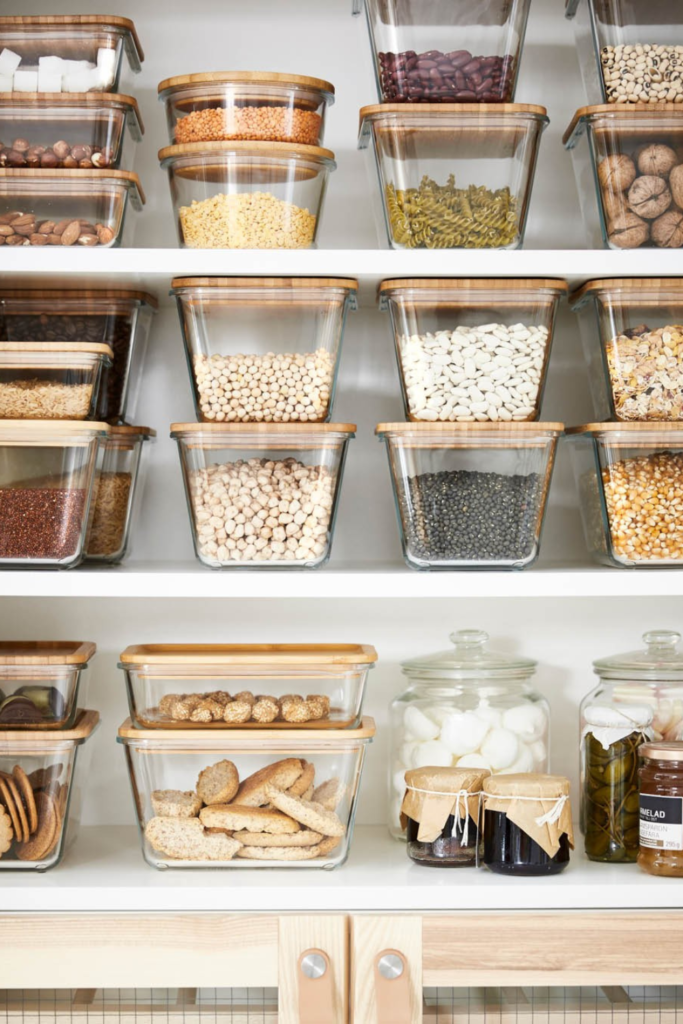
Protein P roduce Stack
Keeps things controlled when raw food storage feels risky or messy, works best in fridges that store both fresh produce.
Use separate, sealed containers for meat, eggs, and vegetables to avoid cross-contact. Stack heavier items lower for stability.
Bright fridge lighting plus clear sides make it easy to check freshness and grab without opening every box.
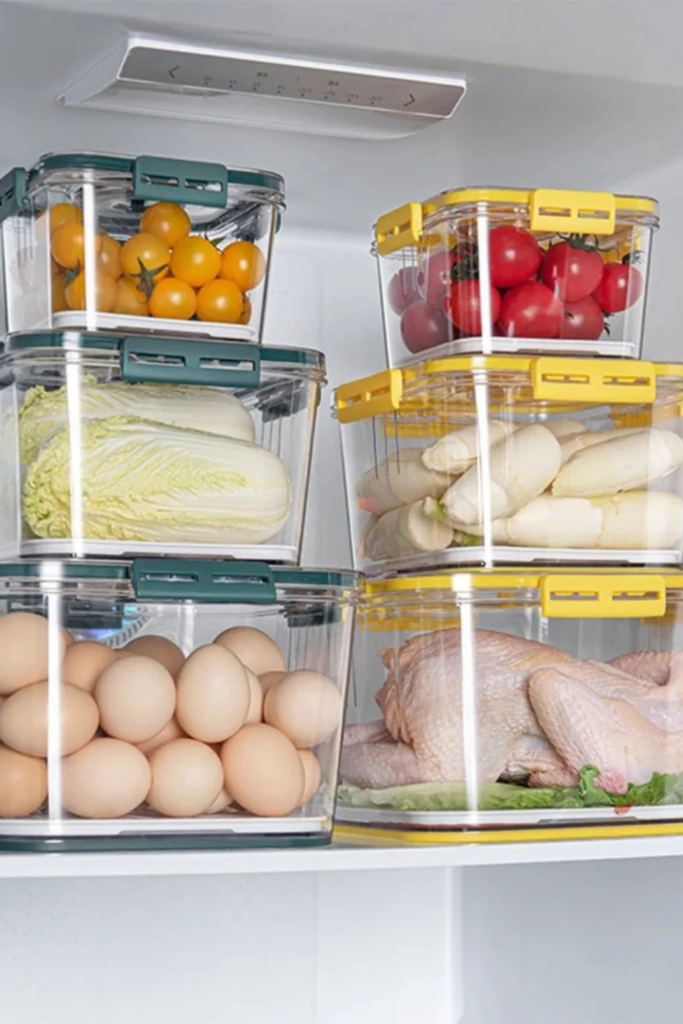
Pour-Top Canisters
Pouring grains or spices always makes a mess, this setup fixes that. The flip-top spout lets you pour straight into pots without scooping.
Keep them on mid-level shelves for easy reach. Clean shelf lighting and clear sides help you control portions and see when it’s time to refill.
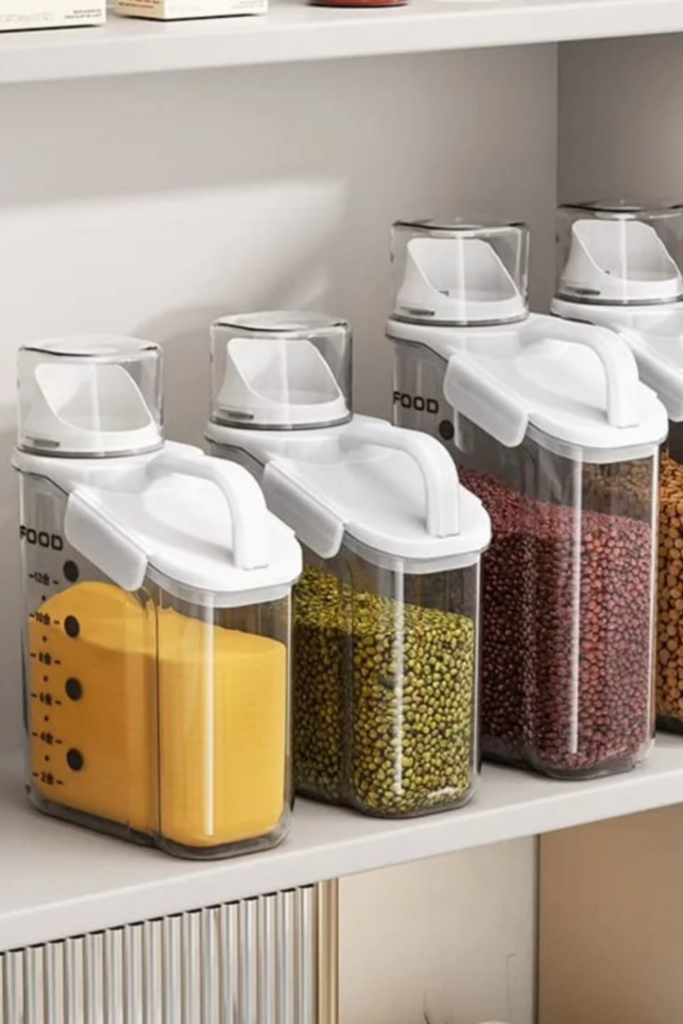
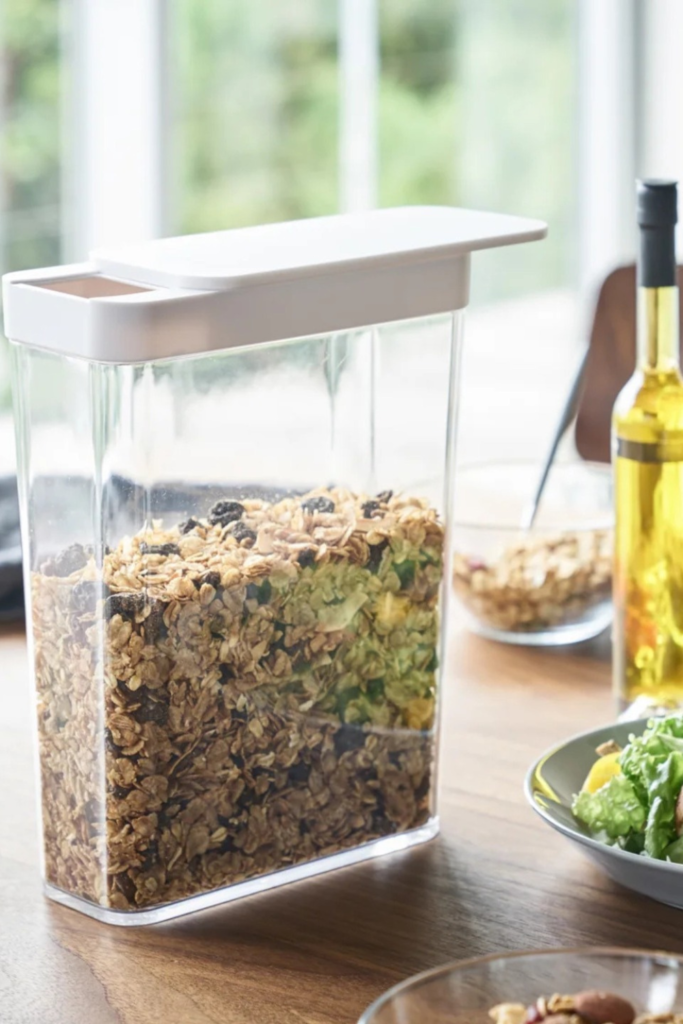
Countertop Cereal Box
Breakfast feels rushed every morning, this setup speeds things up. The wide opening lets you scoop fast without spilling.
A tight lid keeps crunch intact. This setup works best for cereals, granola, and oats kept on the counter.
Natural daylight from nearby windows, plus a clear container, make it easy to see levels and refill before you run out.
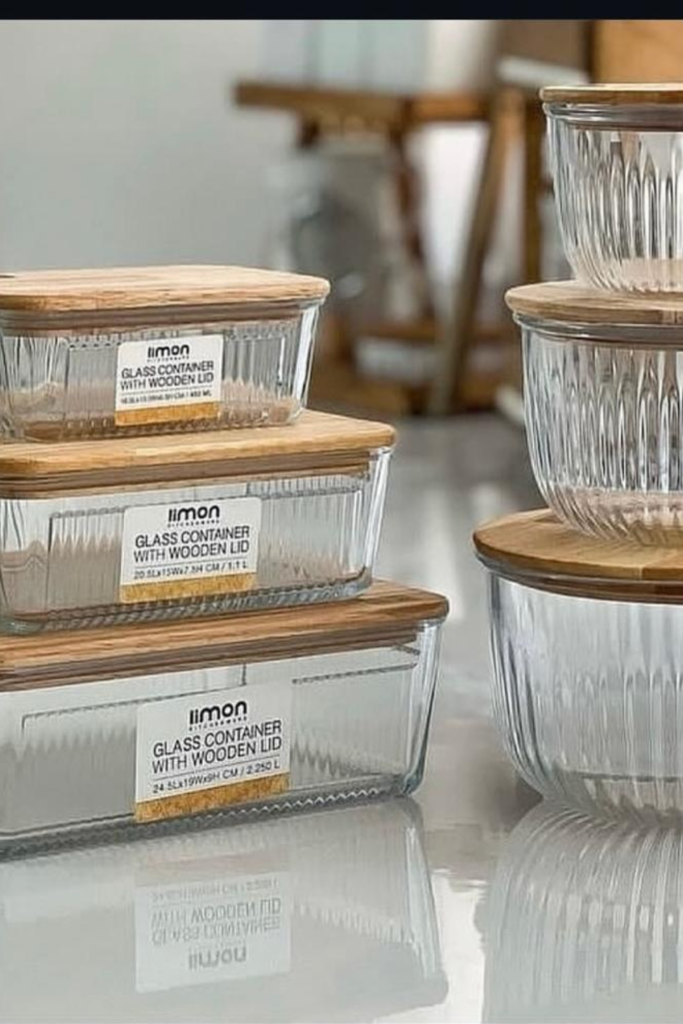
Glass Lid Stack
Plastic containers stain or smell over time; this setup is a clean upgrade, work best for leftovers, prepped meals, and fridge storage.
Glass stays neutral and reheats evenly, wooden lids seal tight. Stack by size, smaller pieces are easy to grab. Soft natural light keep food visible.
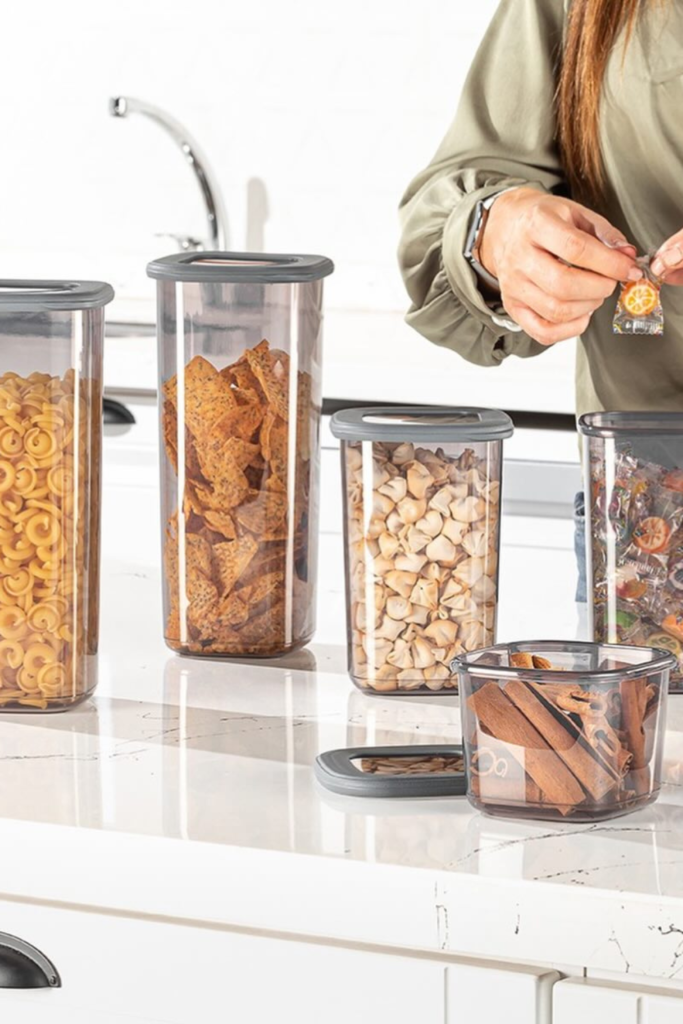
Tall Counter Canisters
Your pantry overflows, but you still need daily items close by, work best on countertops for pasta, snacks, and dry add-ins you use often.
Keep lids sealed between uses to protect freshness. Bright task lighting and clear walls make portions easy to judge while cooking.
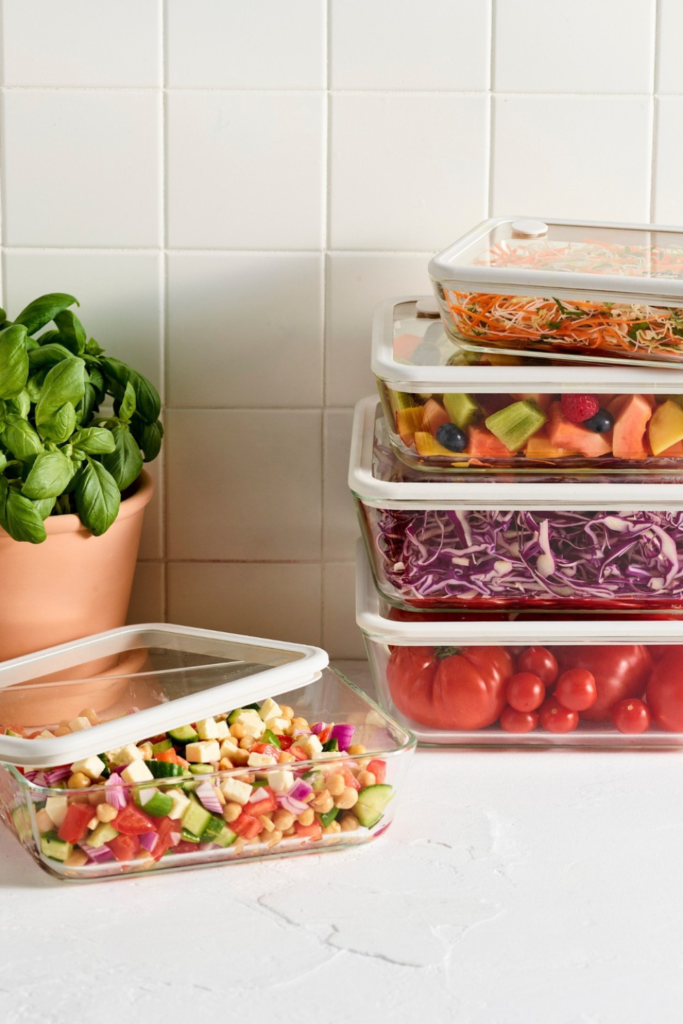
Prepped Veg Stack
Speeds everything up when cooking feels slower, work best for washed and chopped vegetables stored in the fridge. Prep once, then stack by type.
Flat shapes keep shelves neat and cool. Clean counter lighting or daylight plus clear lids let you grab easily what you need.
Cabinet Pantry Reset
Your cabinets feel full but still unorganized, which works best for upper cabinets, where visibility usually gets lost.
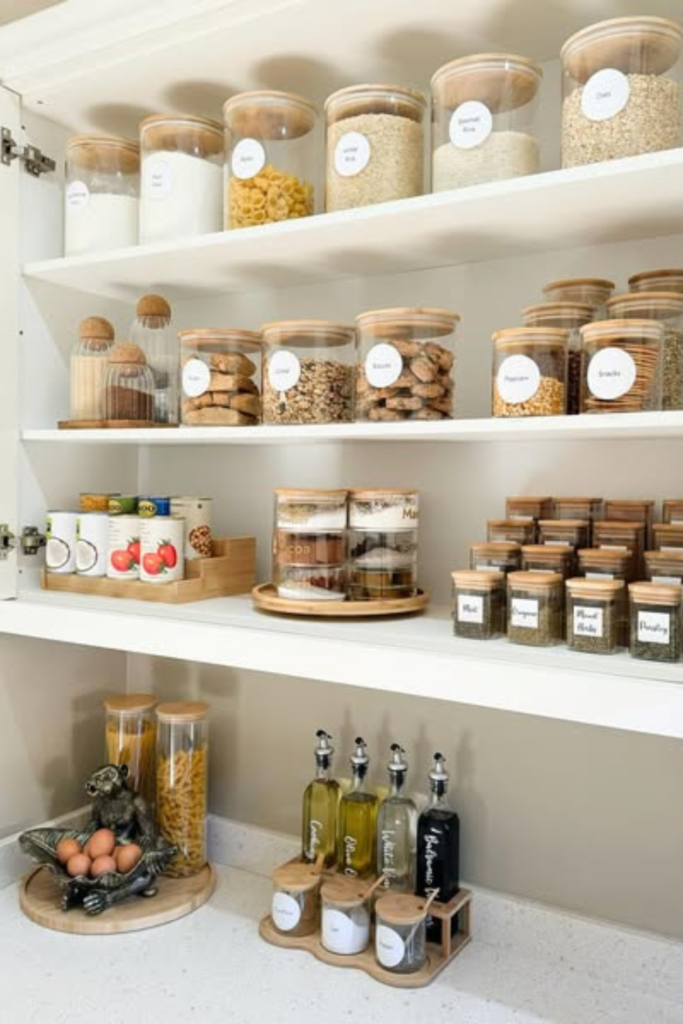
Use matching jars with clear labels so every item has a clear home. Keep everyday foods at eye level.
Less-used items higher. Warm under-cabinet lighting and uniform containers make shelf scanning quick and stress-free.
Dried Food Library
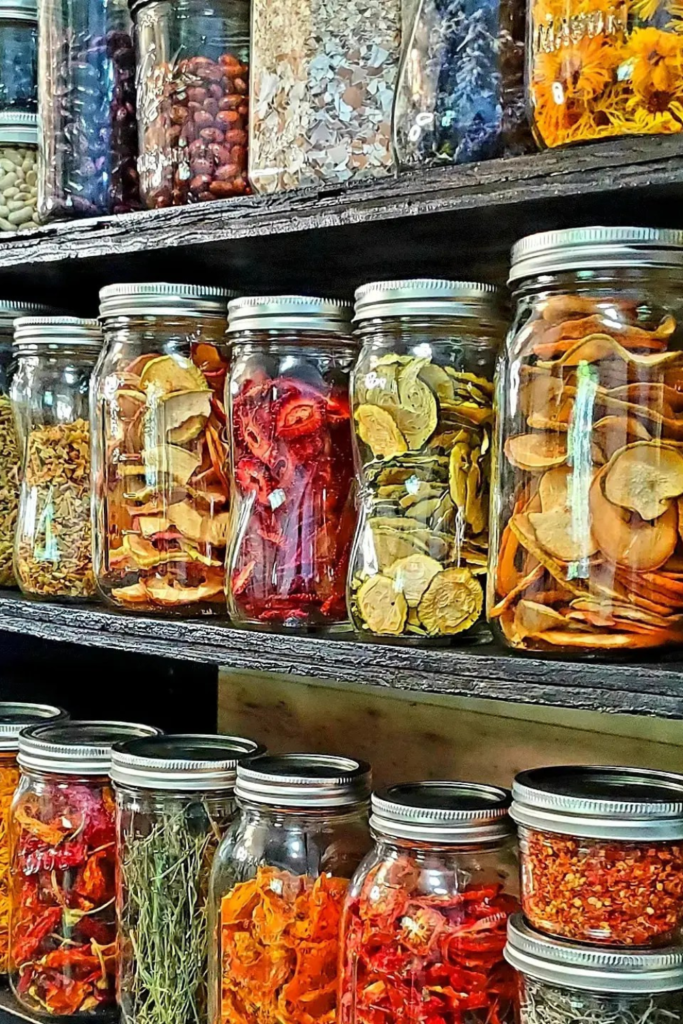
Dried foods tend to get forgotten or mixed together; this setup keeps them usable. It works best for long-term storage.
Store herbs, dried fruits, spices, and dehydrated vegetables. Use clear jars with tight lids so moisture stays out.
Group by type, keep shelves shallow to avoid hiding items behind others. Soft shelf lighting and glass jars make colors visible.
Wall Cabinet Bins
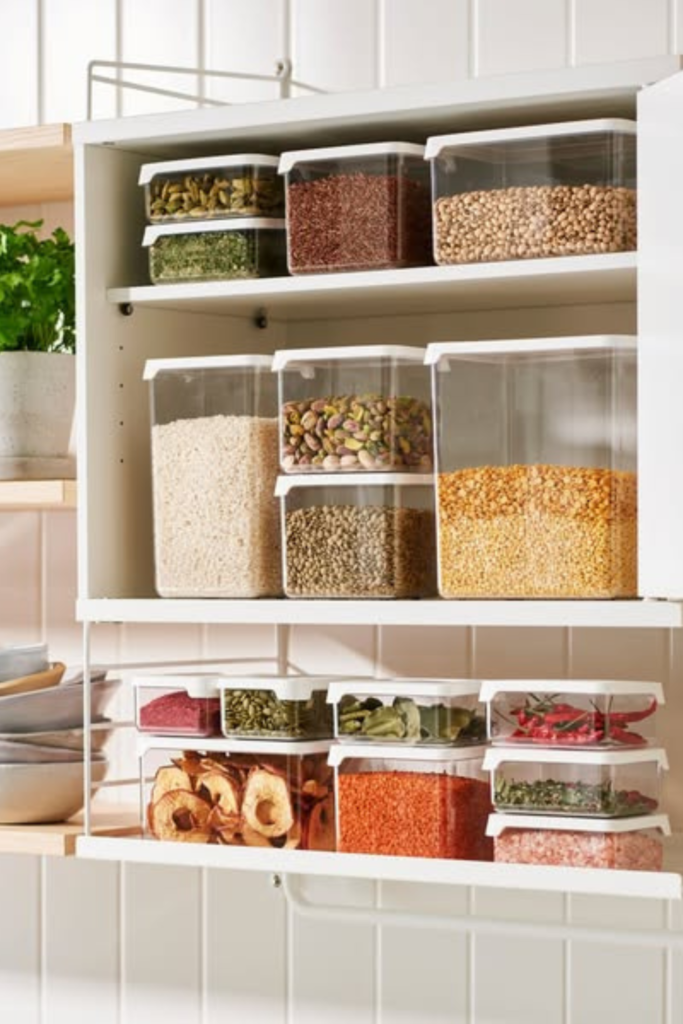
Shelf space runs out fast, it works best inside wall cabinets or open rack systems. Use rectangular bins that slide in and out, nothing gets trapped at the back.
Store dry staples and spices you use often. Bright cabinet lighting plus clear fronts make it easy to spot amounts and restock before you run out.
FAQs
How long does food actually stay fresh when stored properly?
Food lasts longer when you match it with the right storage method. Dry foods like rice and beans can last months.
In airtight containers, while leftovers usually stay safe in the fridge for 3–4 days. Fresh produce varies, but moisture control.
Sealed containers slow spoilage. If food smells off or changes texture fast, than storage is usually the reason.
It’s better to store food in glass or plastic containers?
Glass works best for cooked meals and leftovers because it doesn’t absorb smells or stains and reheats evenly. Plastic is lighter and fine for dry foods.
Short-term fridge use. If you use plastic, make sure it seals tightly and is food-safe. The right choice depends on how often you reheat and what you store.
You may like to read!
- 20 Dress Up Storage Ideas
- 18 Blanket Storage Ideas
- 21 Vinyl Record Storage Ideas
- 24 Sunglasses Storage Ideas

Fasial is the founder of the Fizzy Flare. He has been a passionate blogger since 2021. He ran three different websites in the past few years. Now he is focusing on Fizzy Flare to build an audience and help them organize their life.