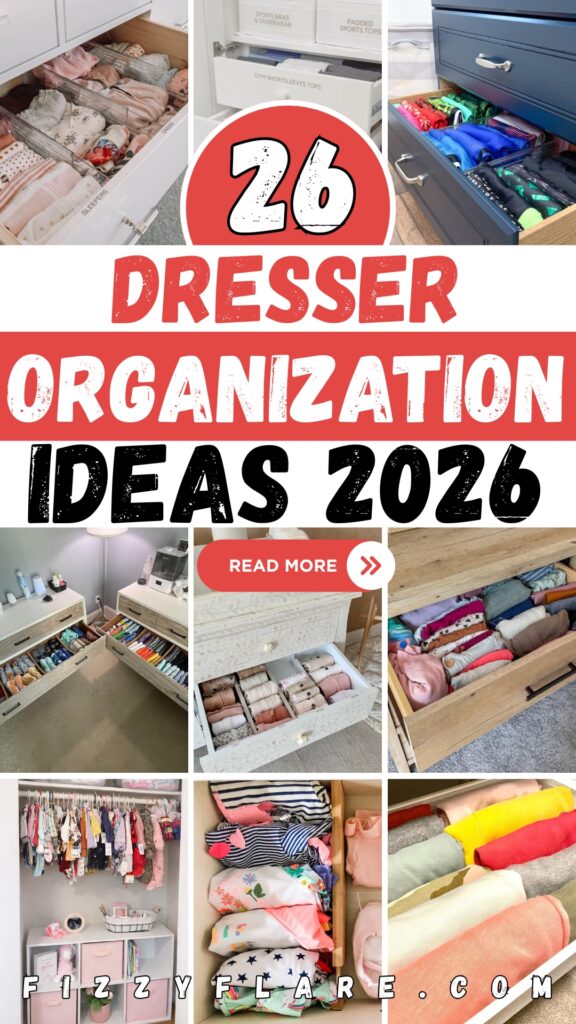
26 Dresser Organization Ideas for 2026
This post may contain affiliate links: full affiliate disclosure.
Your dresser top probably starts the day looking fine, then slowly turns into a mess of bottles, jewelry, keys, and random stuff you don’t know where else to put.
You clean it, but a few days later, the clutter comes back. That’s not because you’re messy. It’s because the surface has no system.
When you don’t decide what belongs there and why, everything ends up there. In this article, you’ll learn how to organize the top of your dresser in a way that makes daily life easier.
In this article, you’ll find 26 Dresser Organization ideas that work in 2026.
Let’s jump in!
Contents
- 1 How to Organize a Dresser Without Losing Space?
- 1.1 Drawer Zoning
- 1.2 Vertical Rolling
- 1.3 Clear Labeling
- 1.4 Controlled Styling
- 1.5 Soft Categorization
- 1.6 Color Grouping
- 1.7 File Folding
- 1.8 Hybrid Storage
- 1.9 Outfit Sections
- 1.10 Bin Containment
- 1.11 Compartment Control
- 1.12 Drawer Expansion
- 1.13 Tray Anchoring
- 1.14 Deep Drawer Planning
- 1.15 Category Mapping
- 1.16 Uniform Folding
- 1.17 Minimal Surface
- 1.18 Sectioned Storage
- 1.19 Layered Drawers
- 1.20 Product Grouping
- 1.21 Tiered Inserts
- 1.22 Color Blocking
- 1.23 Monochrome Sorting
- 1.24 Balanced Sections
- 1.25 Shallow Sorting
- 1.26 Mixed Zoning
- 2 FAQs
How to Organize a Dresser Without Losing Space?
You lose space in a dresser when items sit loosely or get stacked the wrong way. To avoid that, you need to make every inch work on purpose.
Start by grouping similar items together so nothing floats around. When you store clothes upright instead of piling them.
You can see everything at once and use the full depth of the drawer. Avoid overstuffing, as tight drawers waste space.
Make things hard to access. If each item has room to breathe and a clear spot, your dresser holds more while feeling less crowded.
Save this article for later! 👇👇
Drawer Zoning
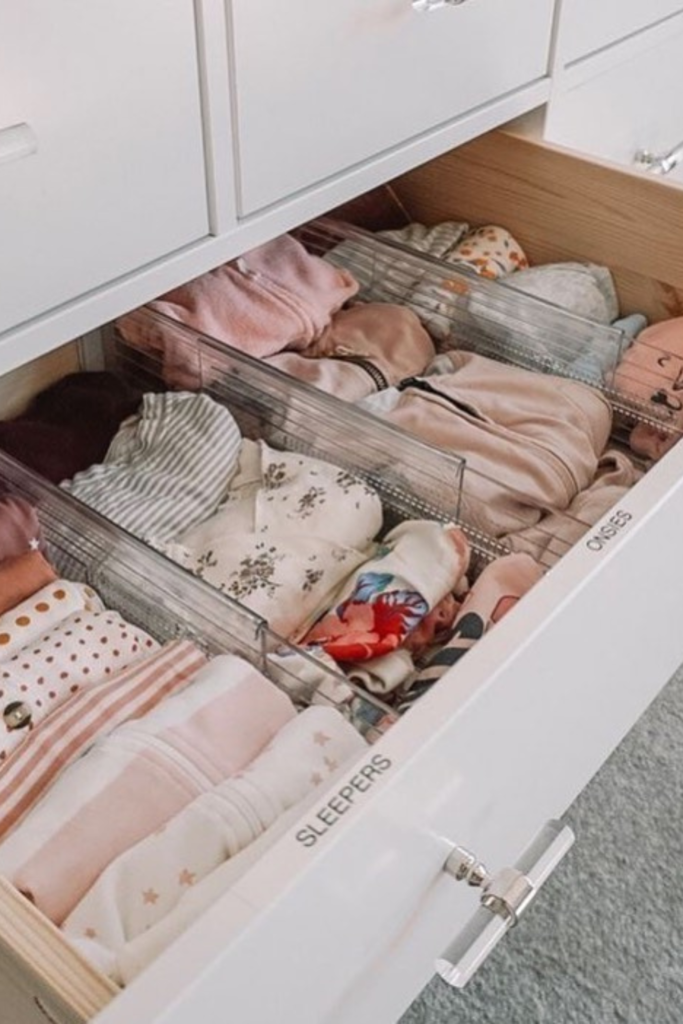
When clothes pile up, space disappears fast. Dividing the drawer into clear sections fixes that immediately.
Use transparent dividers to separate categories so each item stays in its lane, works best for small clothing items.
Like baby wear, and sleepwear. Soft ambient room lighting is enough here since visibility comes from the layout.
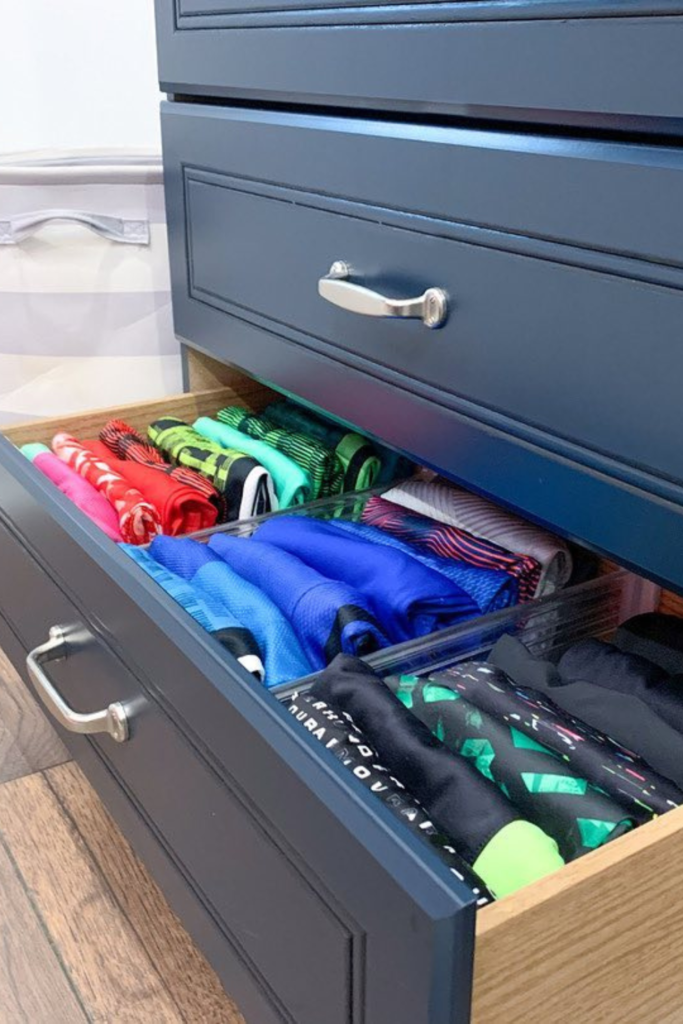
Vertical Rolling
Loose stacks waste depth and hide half your clothes. Rolling items upright turns the drawer into a visual grid.
Keeping everything visible. This setup works best for activewear, t-shirts, and casual tops that get used often.
Use slim, clear bins to keep rows from collapsing. Natural or overhead ambient lighting is enough, keeps every piece in sight.
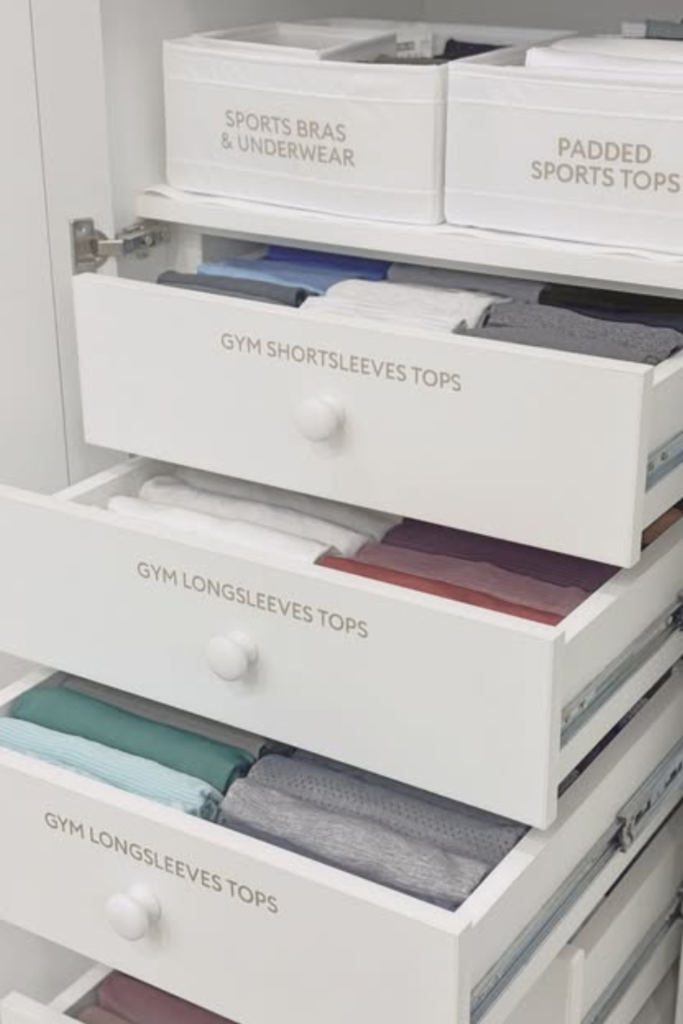
Clear Labeling
When you open a drawer and instantly know what’s inside, you stop digging and undoing your own system.
Labeling works best for categories. Use simple text labels on drawer fronts or bins to keep placement consistent.
Overhead ambient lighting supports clarity here, while labels do the real organizing work, ideal for busy routines.
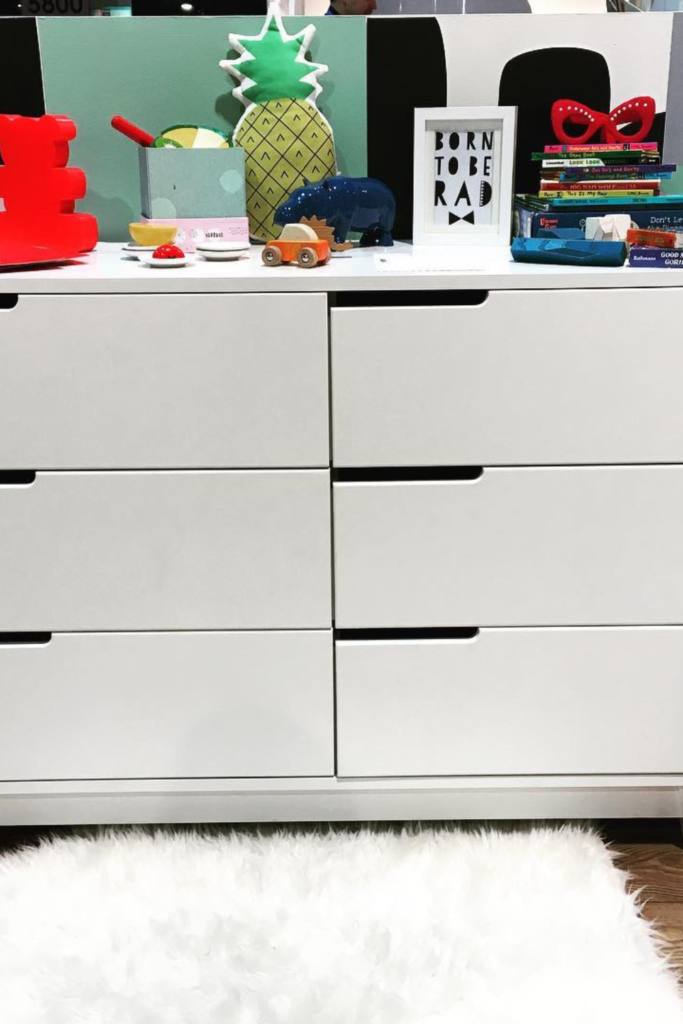
Controlled Styling
A dresser looks cluttered when decoration has no limit. Keeping only a few intentional pieces creates balance.
Stick to one or two decorative clusters and leave open space between them so the surface can breathe.
Soft ambient lighting or nearby natural light highlights the objects without turning the setup into visual noise.
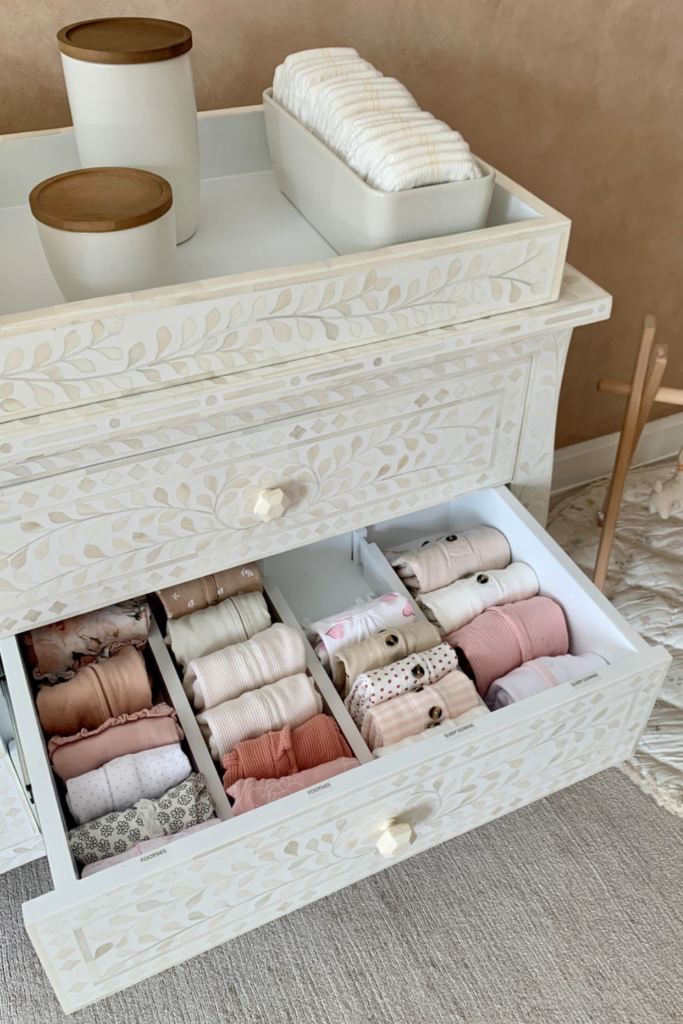
Soft Categorization
Mixing similar items creates clutter even when everything is folded. Separating clothes by type using slim inserts.
Keeps the drawer calm and predictable. Use shallow dividers so items stay upright without pressure.
Natural daylight or soft ambient lighting complements this setup by keeping colors easy to distinguish at a glance.
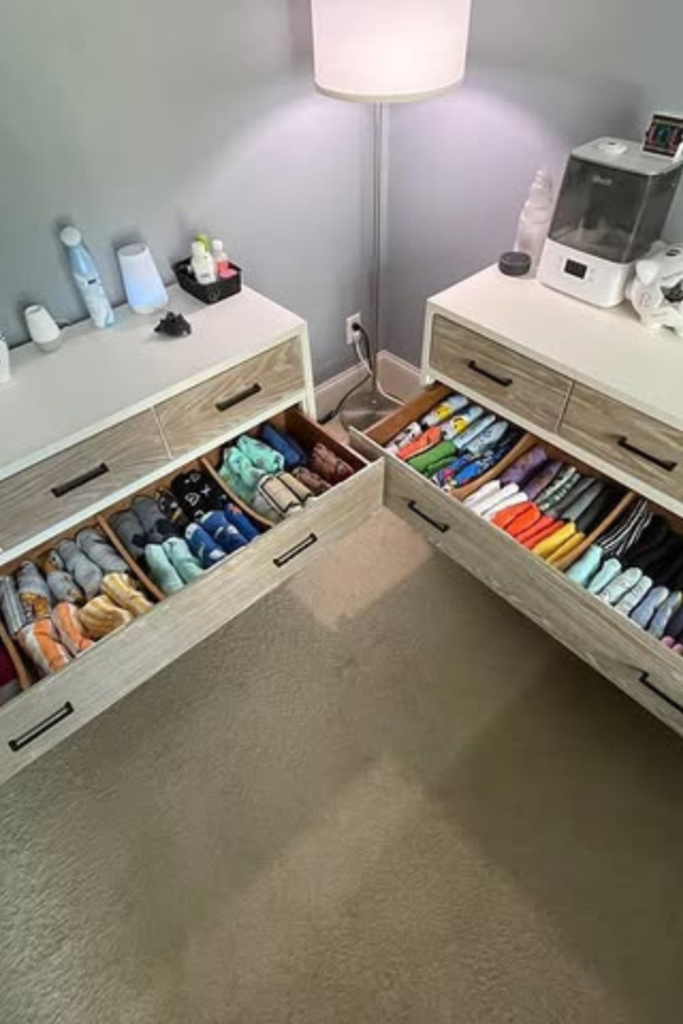
Color Grouping
Finding clothes gets easier when color does the sorting for you. Start by lining colors from light to dark so gaps stand out.
Arranging items by shade works best for drawers packed with similar pieces, such as socks, baby clothes, or tees.
Warm ambient lighting or a nearby floor lamp enhances color contrast without needing extra task lights.
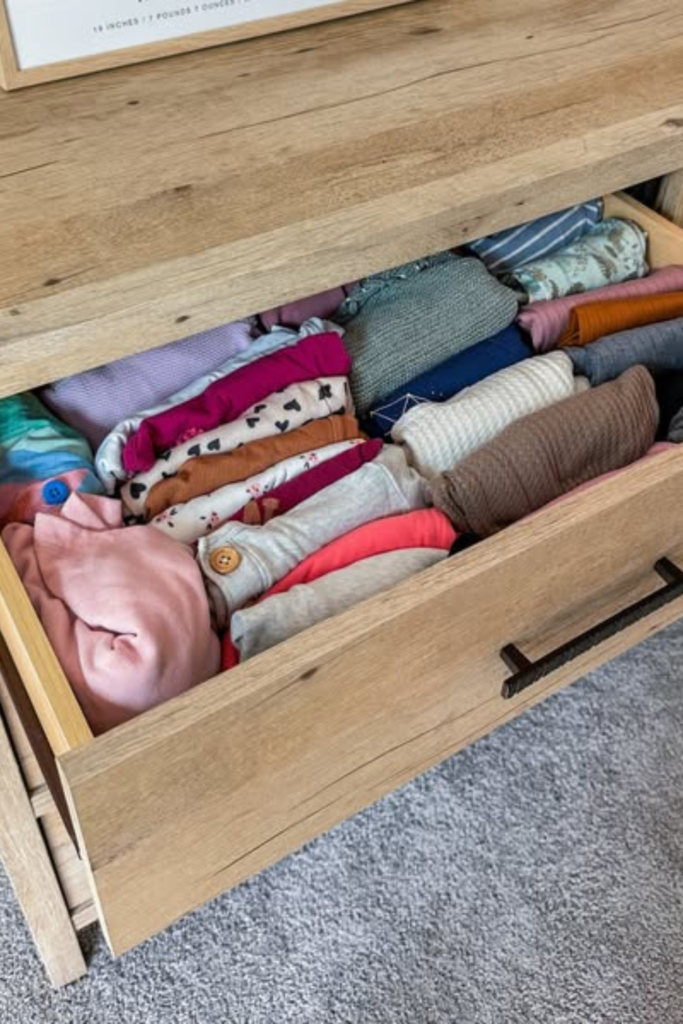
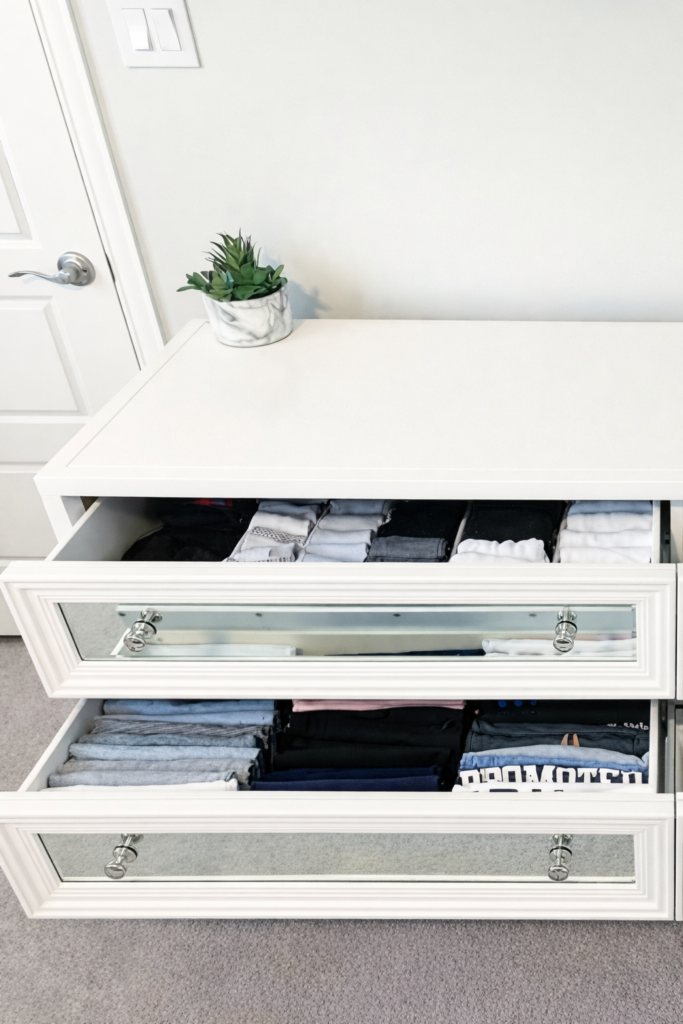
File Folding
Stacked clothes hide what you own and waste drawer depth. Folding items upright fixes both problems at once.
Keep folds firm, a wide drawer makes this even easier to maintain, This method works best for everyday tops.
Natural daylight or soft overhead lighting is enough since visibility comes from the layout, not extra fixtures.
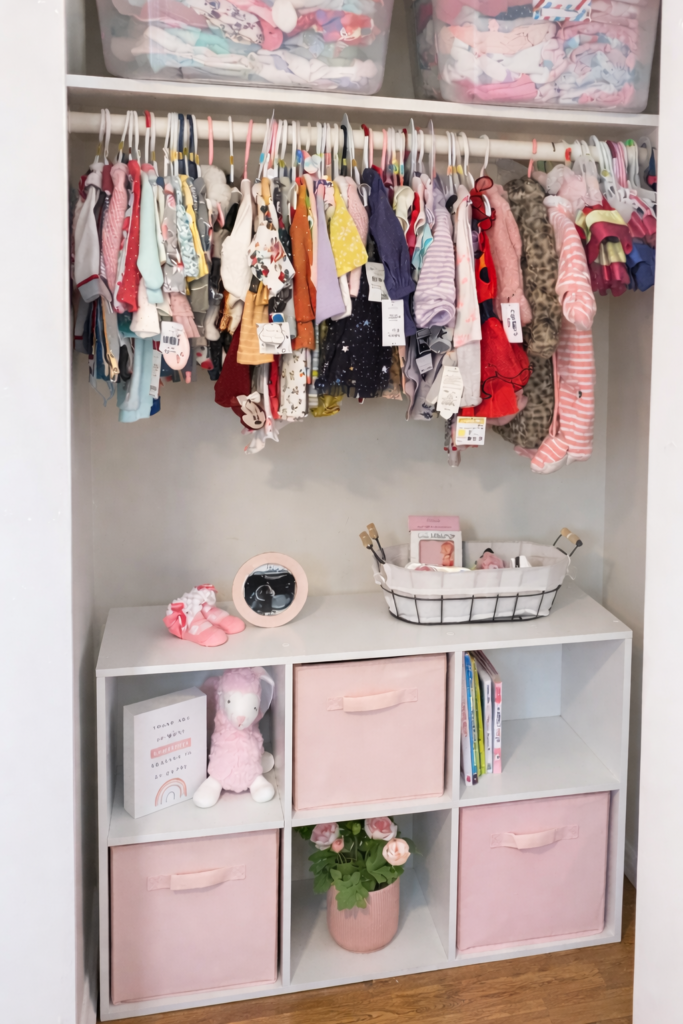
Hybrid Storage
Running out of drawer space usually means relying on just one storage type. Mixing hanging space with drawer-style cubbies.
Solves that in a snap, use drawers for small items, this setup works best for baby clothes or fast-growing wardrobes.
Hang daily outfits above to free up space. Soft lighting keeps everything visible, natural light makes picking outfits easier.
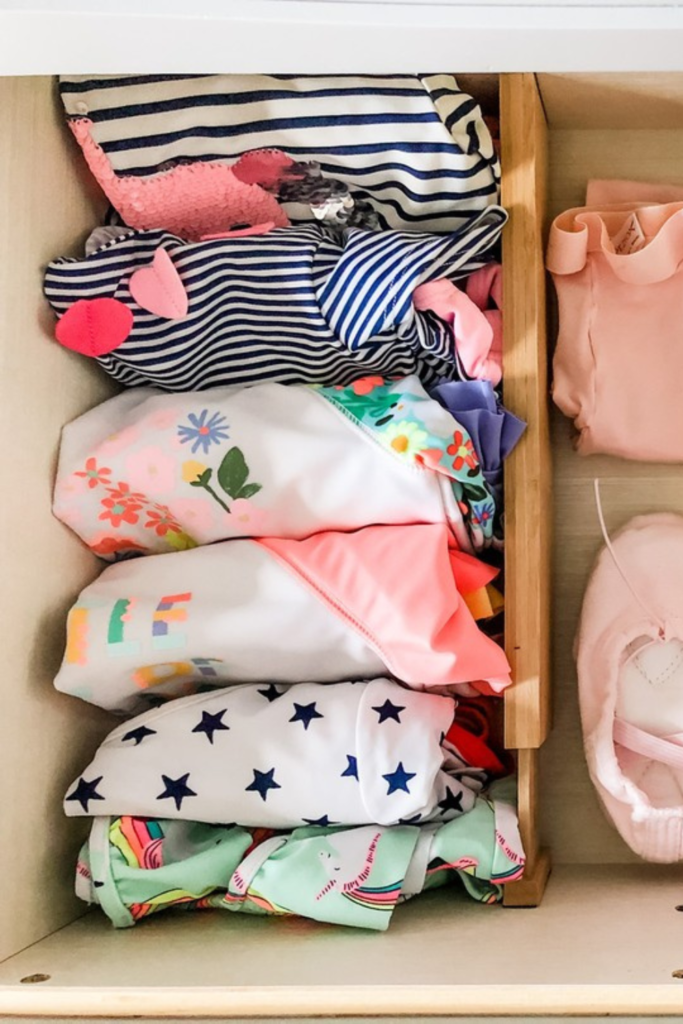
Outfit Sections
Special pieces lose their shape when mixed with everyday clothes. Separating outfits by use keeps delicate items protected and easy to grab.
Slim wooden dividers help define sections. Gentle ambient lighting works best here, since soft fabrics and colors stay visible.
Bin Containment
Drawers fall apart when soft clothes shift every time you open them. Using shallow bins keeps rolled makes it easy to reset.
Choose breathable mesh or fabric bins so clothes stay fresh. Overhead ambient lighting is enough here since structure.
Keeps everything organized, works best for lounge wear, sweaters, or seasonal basics that don’t need daily reshuffling.
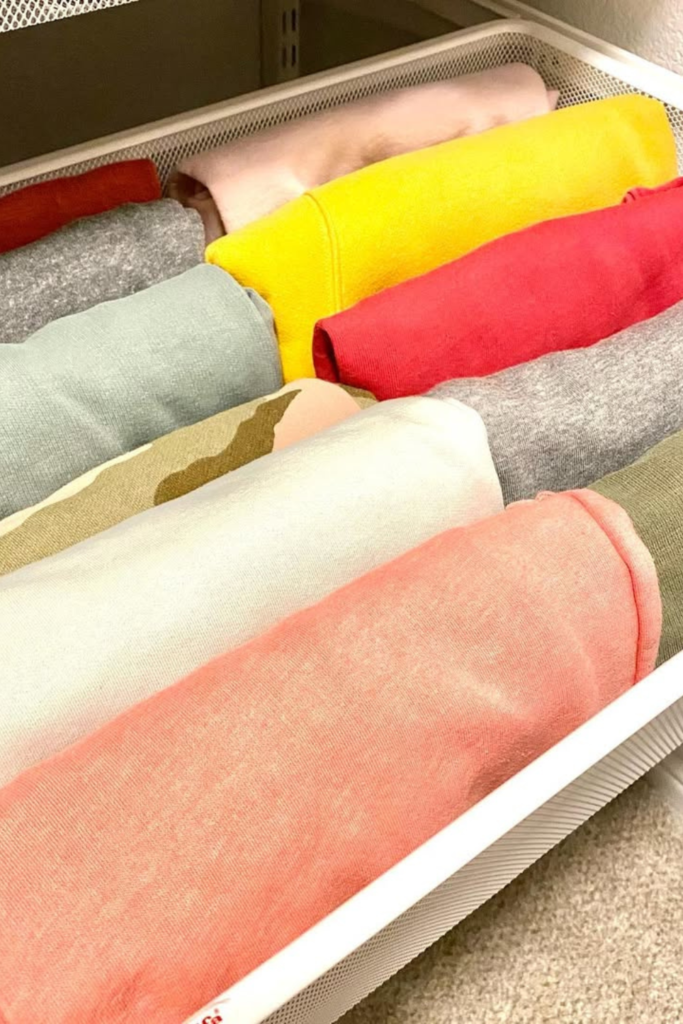
Compartment Control
Tiny items create the most chaos when they don’t have boundaries. Breaking a drawer into small compartments.
Keeps socks, accessories, from blending together. Use adjustable inserts so sections can change as needs shift.
Soft ambient lighting is enough here, since clear separation makes everything easy to spot without extra effort.
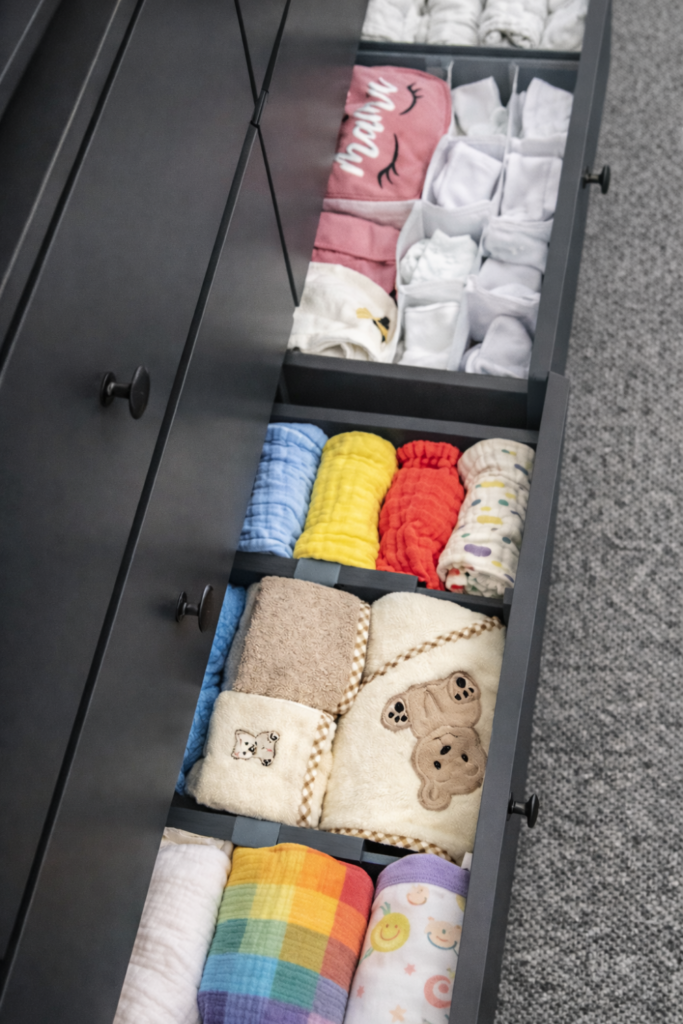
Drawer Expansion
Running out of space doesn’t always mean owning too much. Adding a compact drawer unit inside a closet extends storage.
Use it for folded clothes, accessories, or overflow items that don’t need daily access, works best for bedrooms.
Overhead closet lighting or soft ambient light keeps everything visible while maintaining a clean, tucked-away look.
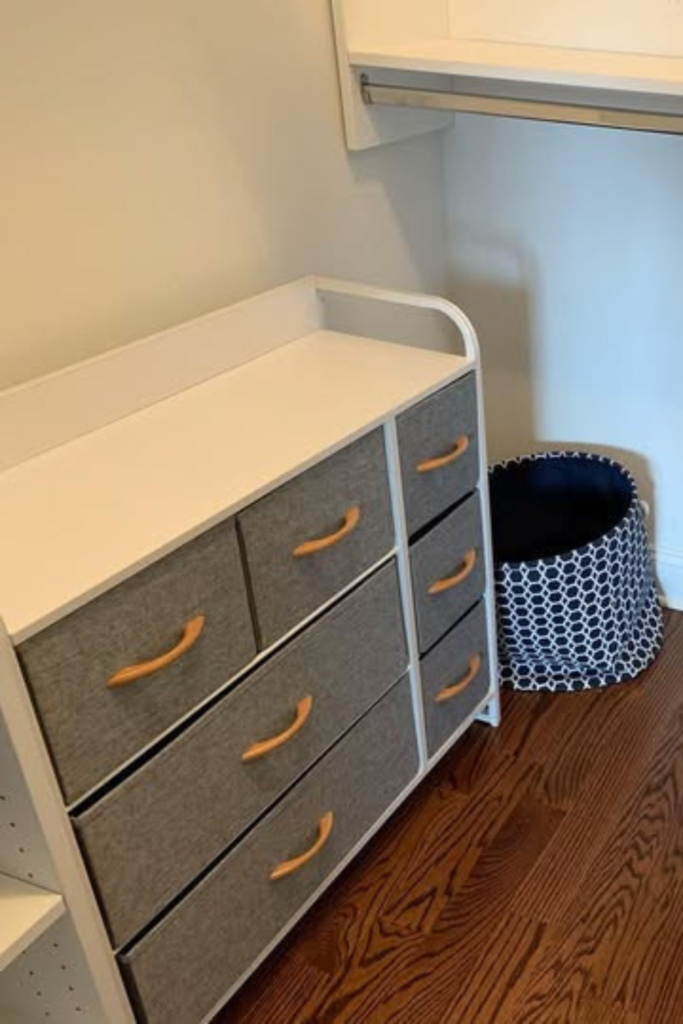
Tray Anchoring
Loose items spread fast when nothing defines their boundary. Using a tray creates a clear landing zone.
Keeps everyday essentials contained. Choose a low-sided tray so items stay visible but controlled, works well.
Soft ambient light from a floor lamp or nearby window keeps the setup calm and functional without adding visual clutter.
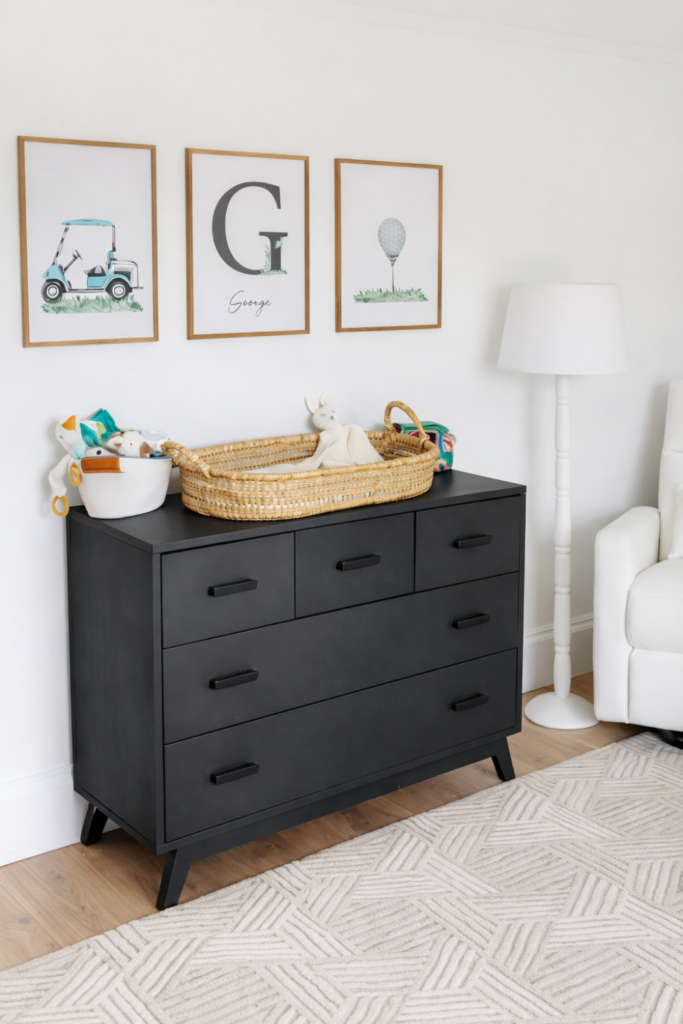
Deep Drawer Planning
Deep drawers turn chaotic when everything sinks into one pile. Rolling clothes side by side uses the full depth.
This setup works best for pants, hoodies, or travel gear that takes up more space. Keep heavier items toward the back.
The drawer opens smoothly. Overhead ambient lighting is enough here, since the layout keeps each item visible and easy to grab.
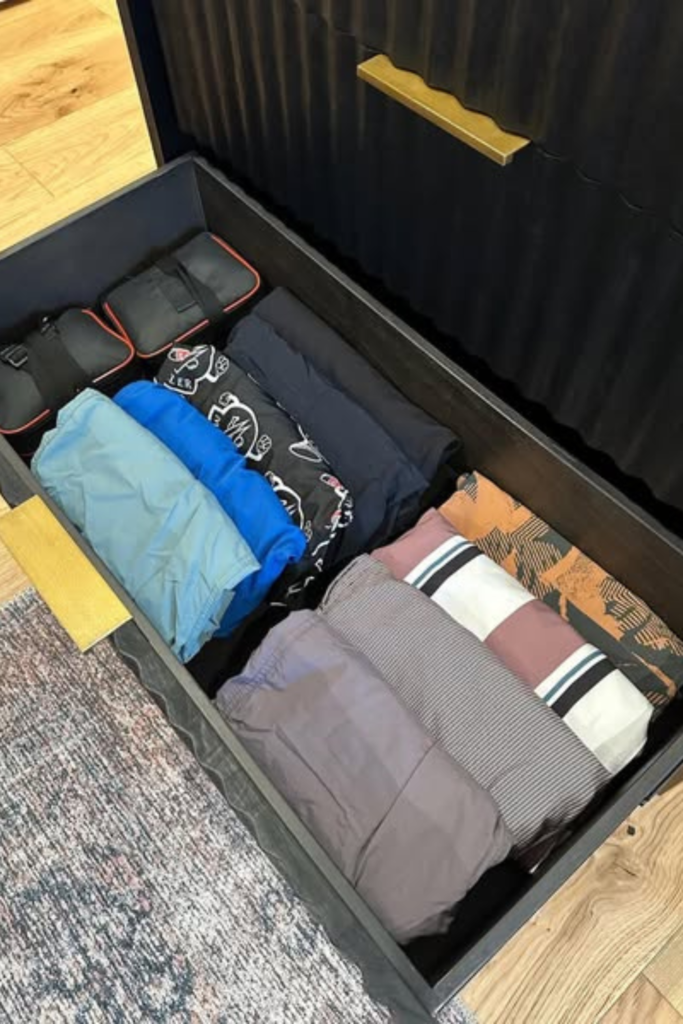
Category Mapping
Random placement wastes time every single day. Use slim dividers to define each category without shrinking space.
Assigning each drawer section to a clear clothing type reduces decision fatigue and maintains order.
Soft ambient bedroom lighting supports quick scanning, while the structure itself keeps everything easy to maintain.
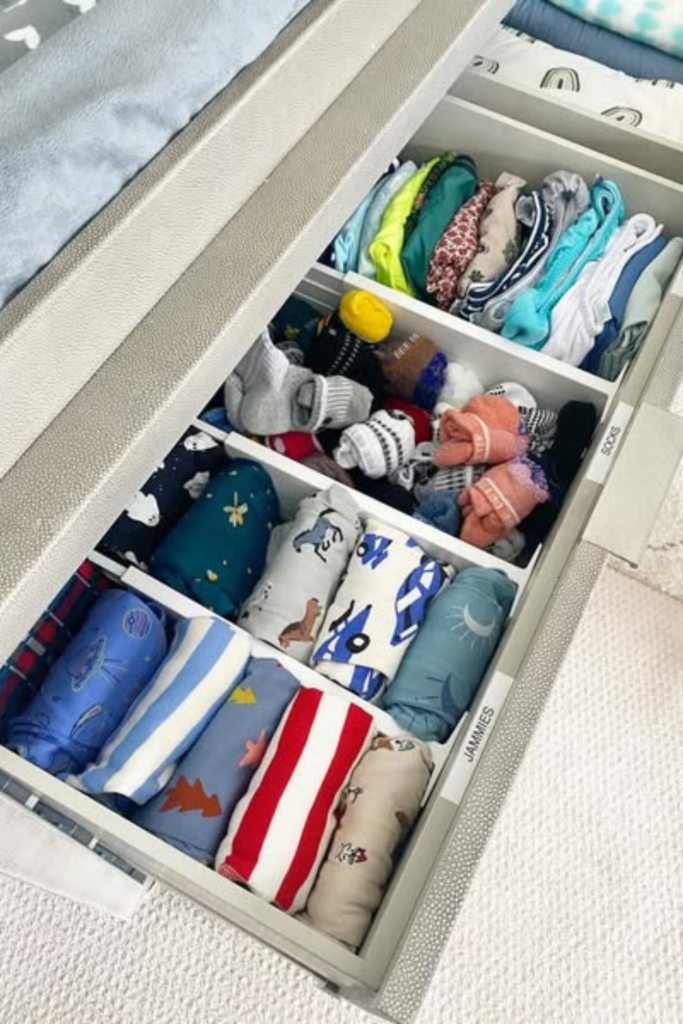
Uniform Folding
Visual clutter drops fast when everything follows the same fold. Keeping clothing folded to one consistent size.
Makes drawers feel calmer and easier to manage. Use shallow drawers so rows stay upright without pressure.
Soft ambient nursery lighting complements this look, while the uniform layout handles most of the organizing.
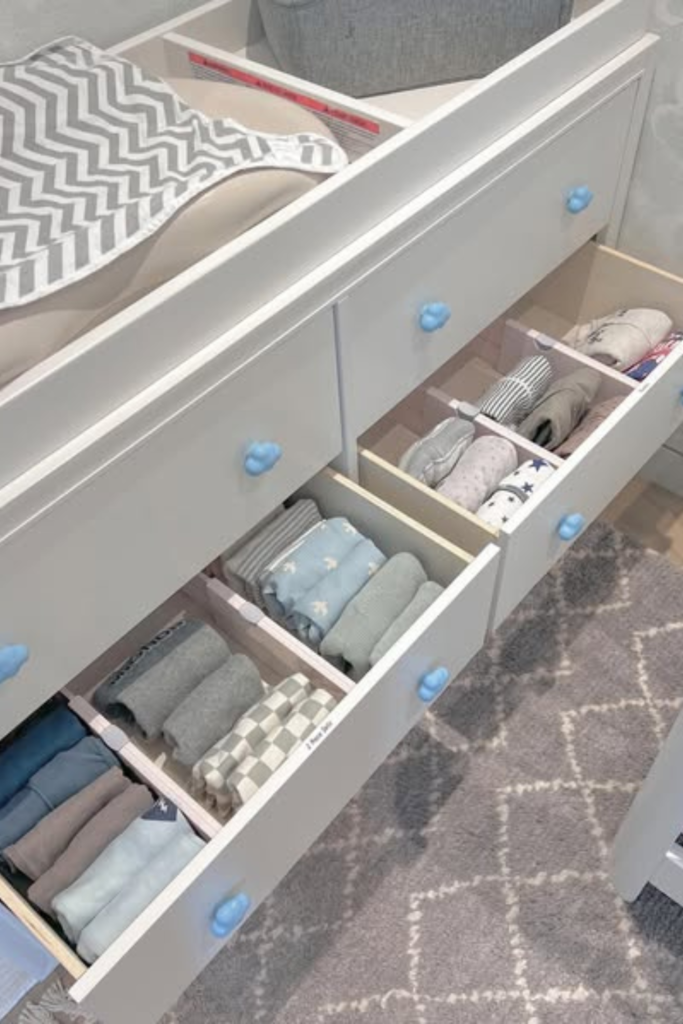
Minimal Surface
Too many items on a dresser make the whole room feel busy. Limiting the surface to one or two statement pieces.
Keeps the focus clean and intentional. Choose objects with varying heights so the space feels styled without crowding.
Natural daylight or soft ambient lighting highlights textures and shapes without the need for extra layers.
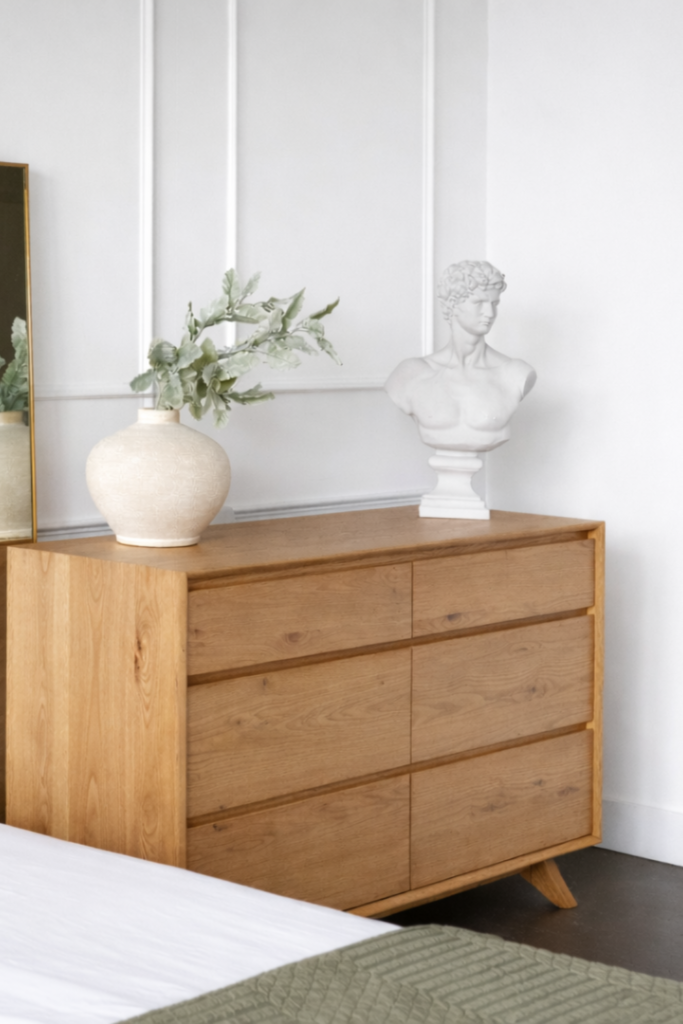
Sectioned Storage
Wide drawers lose control fast when everything shares the same space. Breaking them into clear sections.
Keeps each clothing type contained and easy to reach. Use fitted dividers that match drawer depth so rows stay upright.
Soft ambient room lighting supports quick scanning, while the sectioned layout does the heavy lifting.
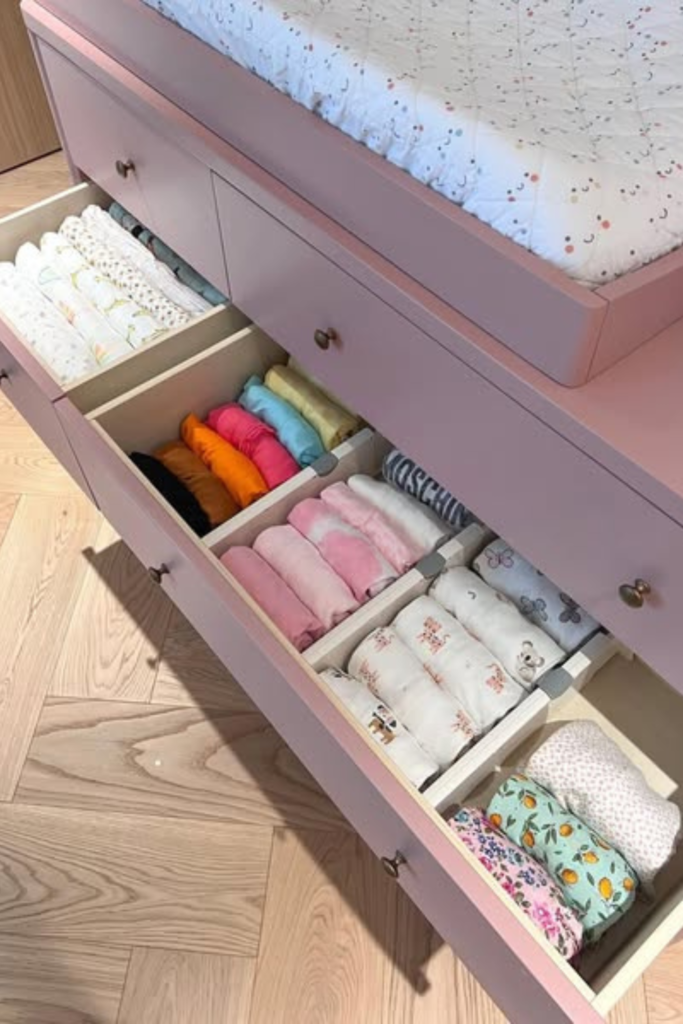
Layered Drawers
Using every drawer the same way wastes potential. Assigning each level a specific purpose keeps the system predictable.
Easy to maintain, works best when upper drawers hold daily basics, keep folds consistent so rows stay intact.
Overhead ambient lighting enhances visibility, while the layered setup prevents clutter from drifting between drawers.
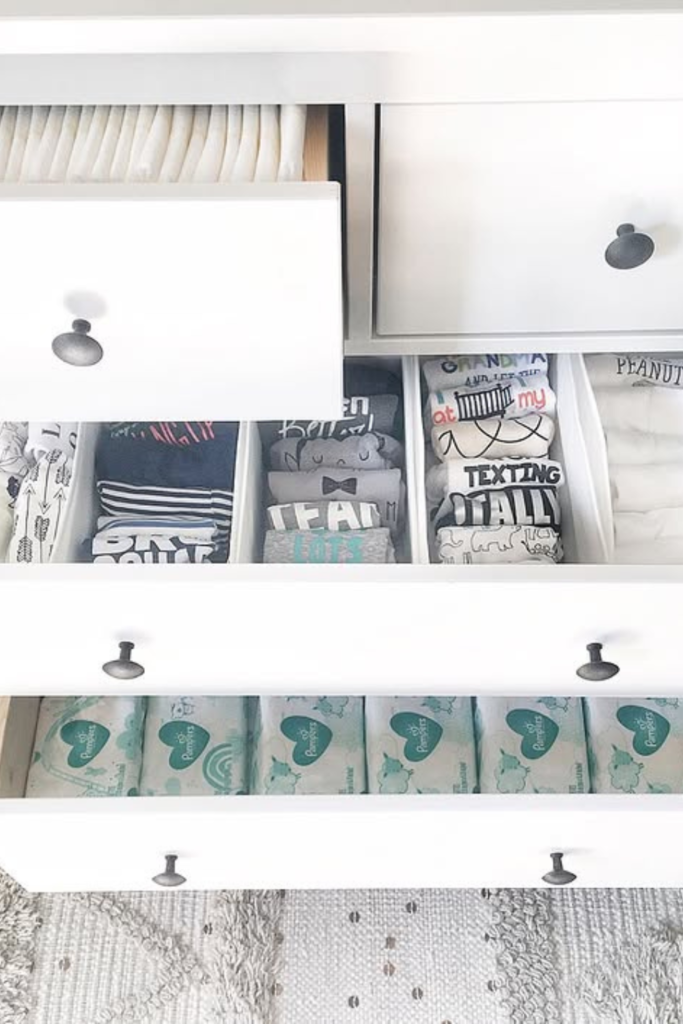
Product Grouping
Daily products create clutter when they live everywhere at once. Grouping them by function keeps routines smooth.
Use open bins or baskets so items stay visible but contained. This setup works best for dressers, or self-care routines.
Soft ambient lighting from a lamp supports easy access, clear grouping prevents bottles from spreading across the space.
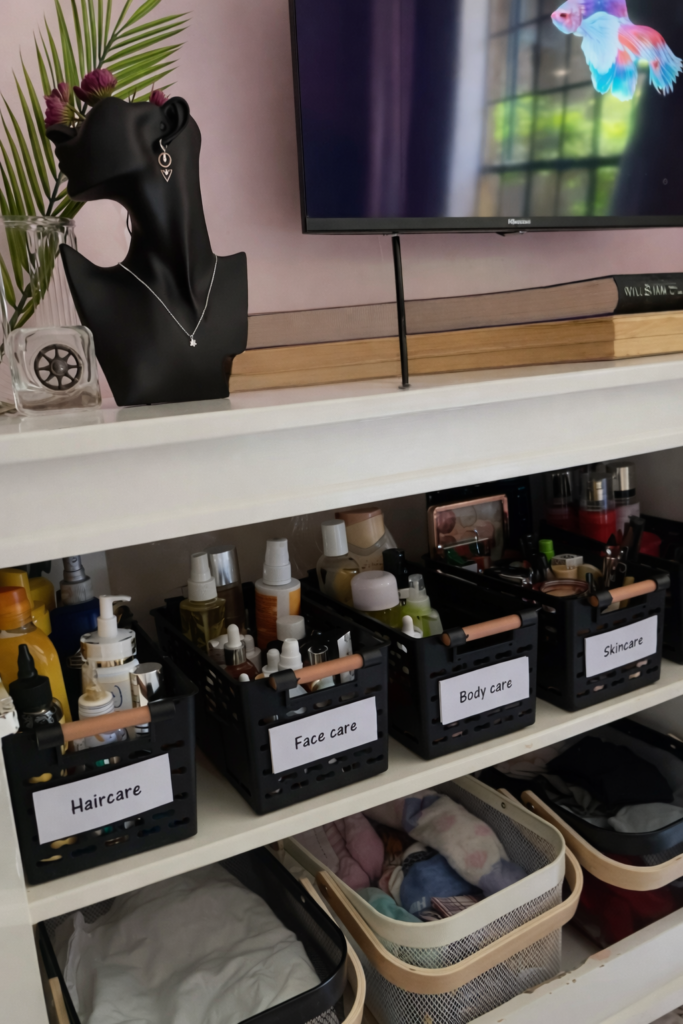
Tiered Inserts
Flat drawers waste vertical space when everything sits at one level. Adding tiered inserts creates layers.
Keep heavier items on the lower tier so inserts stay stable, works best for small garments, that are used daily.
Soft ambient lighting works well here, since the tiered layout keeps each layer visible without extra brightness.
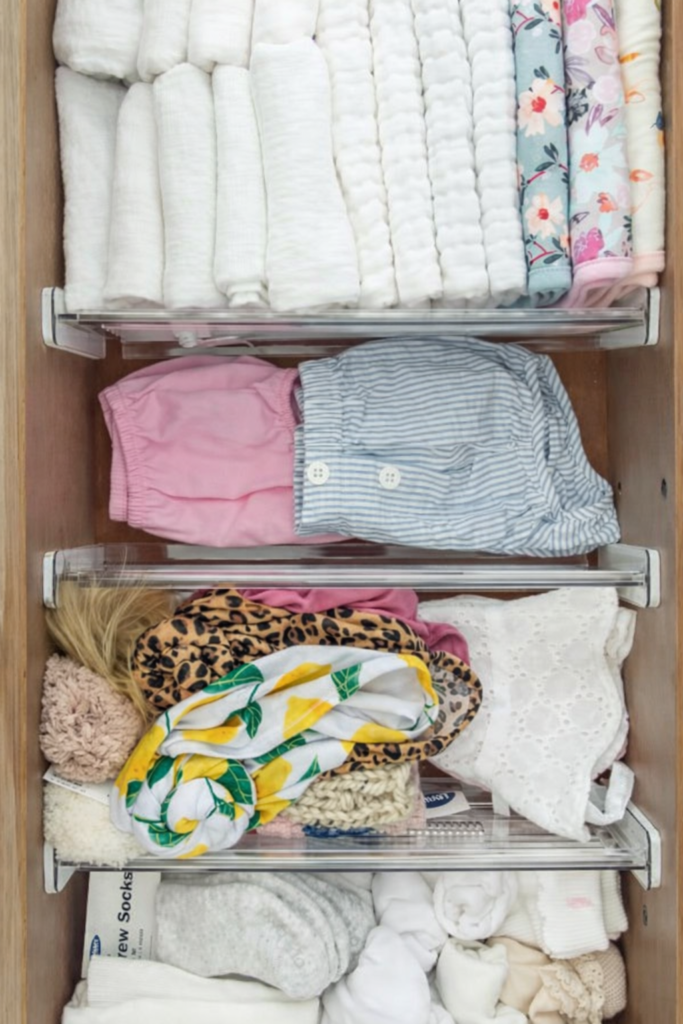
Color Blocking
Drawers feel chaotic when colors mix without order. Grouping clothing by color blocks creates instant visual calm.
Speeds up daily choices, use bins to keep each color group contained and upright, this approach works best.
Natural daylight or soft ambient lighting enhances contrast, making it easy to spot gaps, keep the system balanced over time.
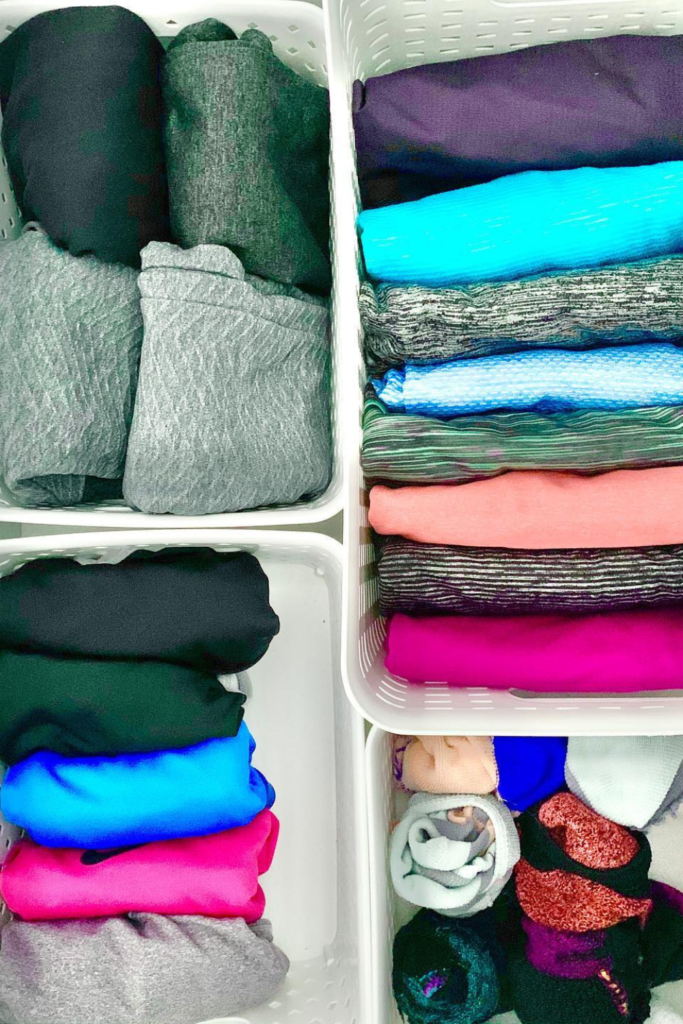
Monochrome Sorting
Dark drawers feel calmer when shades stay together rather than compete. Grouping similar tones creates order.
Makes it easier to spot what you need. This setup works best for wardrobes heavy on neutrals, basics, or winter layers.
Roll items tightly so rows stay clean from front to back. Soft ambient lighting is enough here, since contrast comes from texture.
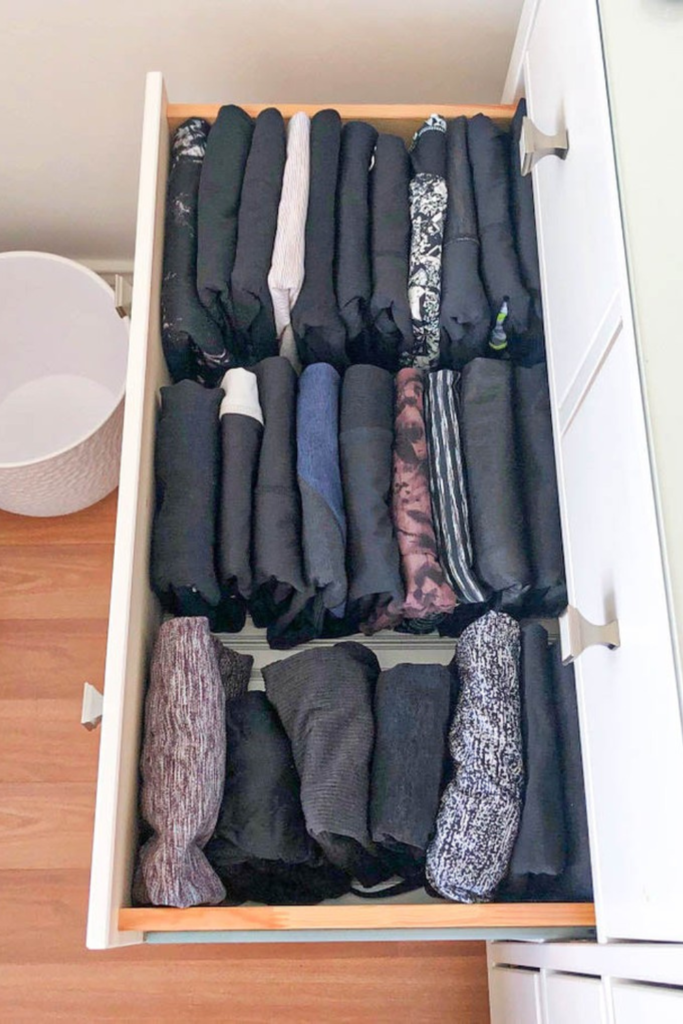
Balanced Sections
Crowding one side of a drawer throws the whole system off. Keeping sections evenly filled makes the drawer easier to use.
Adjust dividers so each section holds the same volume, not the same number of items, works best for baby clothes.
Soft ambient lighting supports quick checks, while the balanced layout keeps clutter from creeping back.
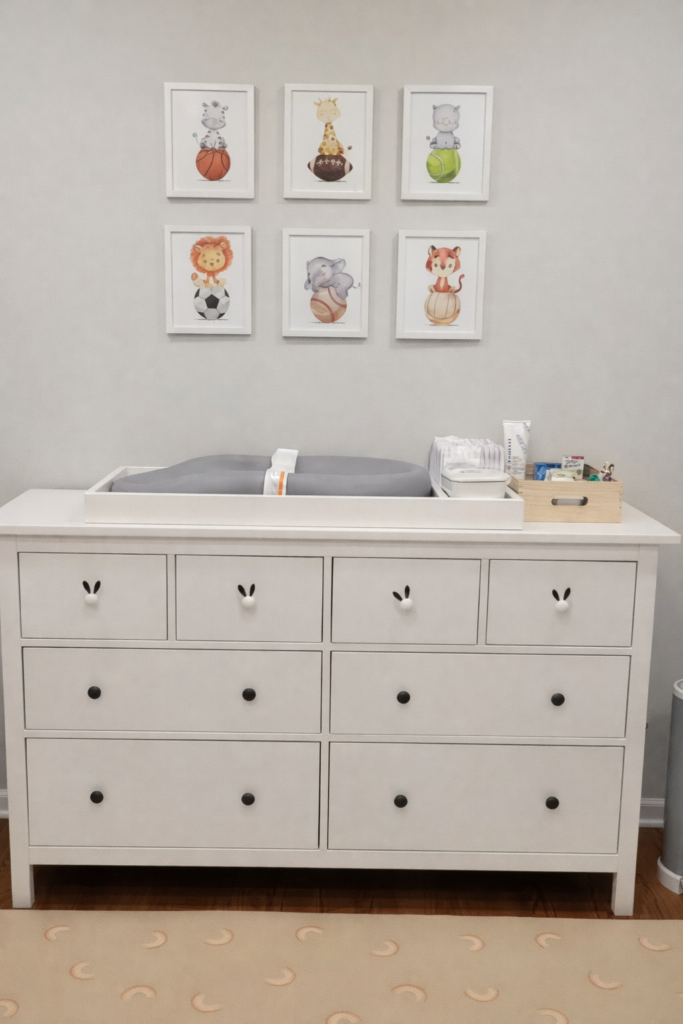
Shallow Sorting
Deep drawers aren’t always the answer for small clothing. Using a shallow top drawer keeps frequently used items visible.
Keep folds tight and sections defined. Soft ambient room lighting is enough here, since quick visibility matters more than layered light.
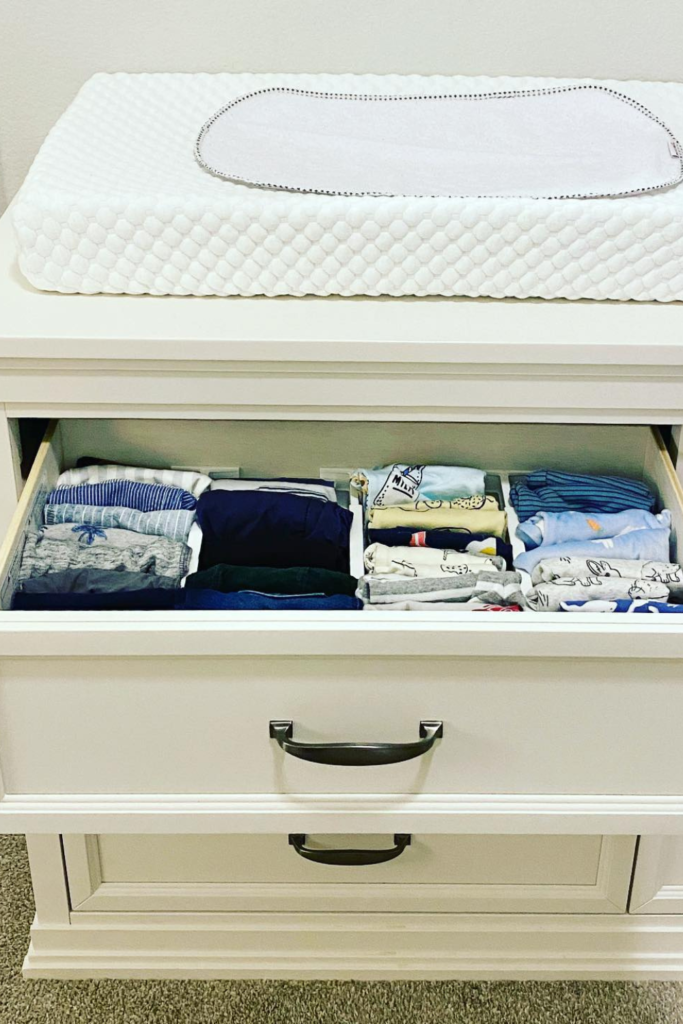
Mixed Zoning
Combining open sections with compartmented inserts keeps each category organized without forcing a one-size-fits-all system.
Use open zones for folded basics and divided areas for smaller pieces, works best for dressers that store clothing.
Soft ambient lighting from a lamp keeps everything usable, the zoning itself prevents clutter from spreading across drawers.
FAQs
How many items should go in one dresser drawer?
A drawer works best when it’s not packed tight. If you have to push items down to close it, there’s too much inside. Leave enough space so clothes can stand.
This makes everything easier to see and keeps the drawer organized longer because nothing shifts every time you open it.
What should not be stored in a dresser?
Avoid storing items you rarely use or anything bulky that doesn’t fold well. Heavy seasonal clothing, extra linens, or random clutter will quickly take over valuable space.
When you keep drawers reserved for everyday essentials, your dresser stays functional instead of turning into overflow storage.
You may like to read!
- 27 Pantry Organization Ideas
- 24 Family Organization Wall
- 22 Junk Drawer Organization
- 22 Cord Organization Ideas
- 23 Skincare Orgaization Ideas

Fasial is the founder of the Fizzy Flare. He has been a passionate blogger since 2021. He ran three different websites in the past few years. Now he is focusing on Fizzy Flare to build an audience and help them organize their life.