22 DIY Bookends Ideas for 2026
This post may contain affiliate links: full affiliate disclosure.
If you’ve ever made a DIY bookend that looked great but couldn’t hold your books upright, you know how annoying that feels. Everything seems stable until the books start leaning.
You add more weight, but now it looks bulky and out of place on your shelf. Most homemade bookends fail because the weight isn’t placed correctly.
In this article, you’ll learn exactly how to add weight without ruining the design, and 22 DIY Bookends ideas.
Let’s jump in!
Contents
- 1 How Do I Add Weight to Homemade Bookends Without Making Them Look Bulky?
- 1.1 Oversized Letter Block
- 1.2 Vase Style Holders
- 1.3 Concrete Rose Blocks
- 1.4 Chess Piece Ends
- 1.5 Mini Scene Nook
- 1.6 Gold Figure Support
- 1.7 Live Edge Blocks
- 1.8 Sculpted Hand Hold
- 1.9 Wooden Letter Frames
- 1.10 Dragon Claw Ends
- 1.11 Sculpted Stone Arches
- 1.12 Rounded Bamboo Blocks
- 1.13 Giant Pencil Ends
- 1.14 Resin Wood Cubes
- 1.15 Hidden Forest Shelf
- 1.16 Half Moon Ends
- 1.17 Playful Worm Ends
- 1.18 Built-In Shelf Stops
- 1.19 Striped Clay Blocks
- 1.20 Pencil Edge Blocks
- 1.21 Painted Rock Ends
- 1.22 Wood Slice Stop
- 2 FAQs
How Do I Add Weight to Homemade Bookends Without Making Them Look Bulky?
If your DIY bookends keep tipping over, the problem usually isn’t size; it’s balance. Most people think adding weight means making the base thicker.
That’s why their shelves end up looking clunky. In reality, you don’t need more bulk. You need better weight placement.
When you position the weight low and toward the back, you create resistance where the pressure from the books actually hits.
That small shift makes a big difference. You can hide steel plates inside the base, fill hollow sections with sand.
Attach thin metal underneath without altering the exterior design. The goal isn’t to make your bookend bigger. It’s to make it harder to tip.
Once you understand where the pressure comes from, you can control it without ruining the clean look you worked so hard to create.
Save this article for later! 👇👇

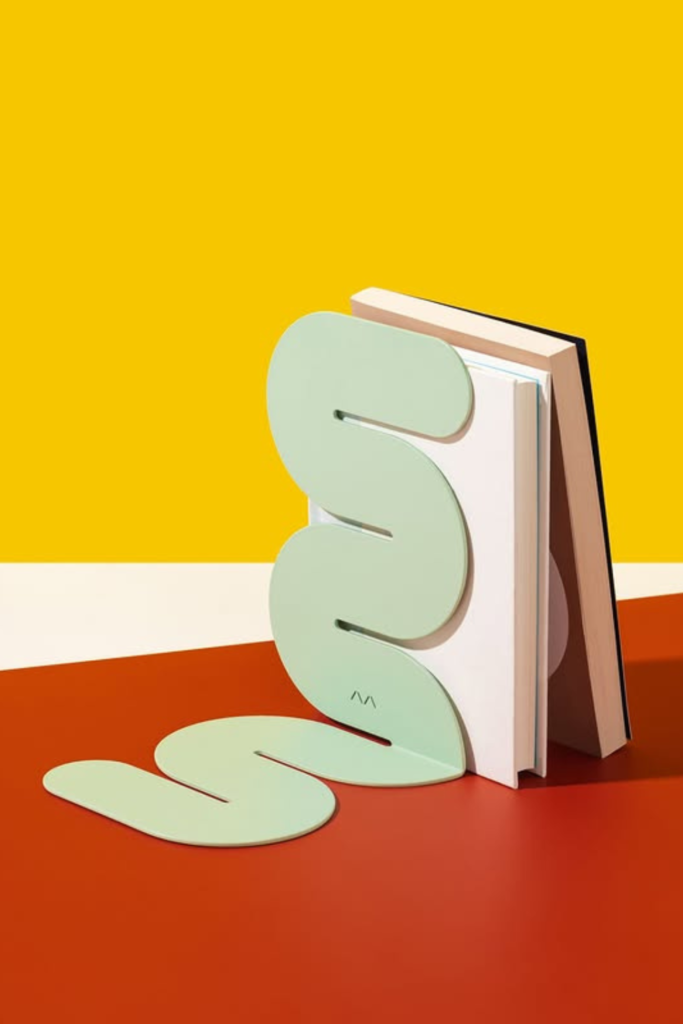
Oversized Letter Block
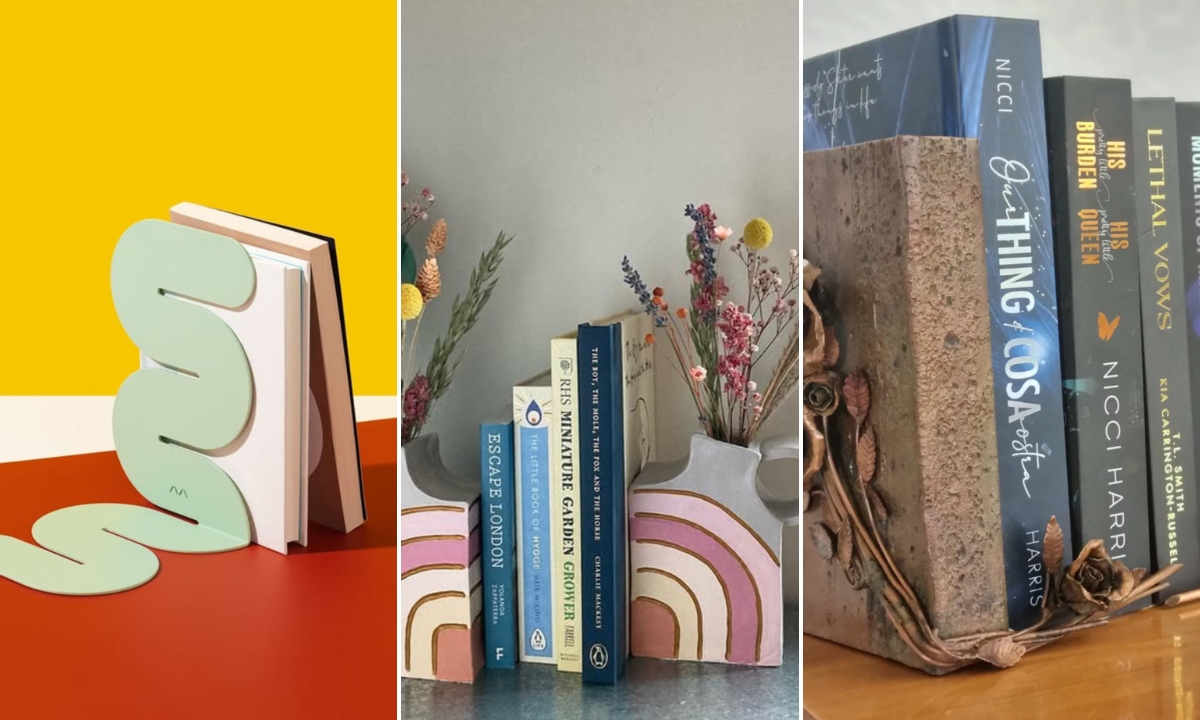
One bold letter can hold more than books it can define the whole shelf. Thick cut-out alphabet piece works beautifully in a home office.
Layering the two plywood sheets for the upright shape, then extend a flat base piece slightly under the books for stability.
Hidden weight can sit inside a routed cavity at the bottom or as a thin metal plate screwed underneath.
Clean matte paint keeps it modern, side lighting creates soft shadows around the curves. Strong support stays invisible.
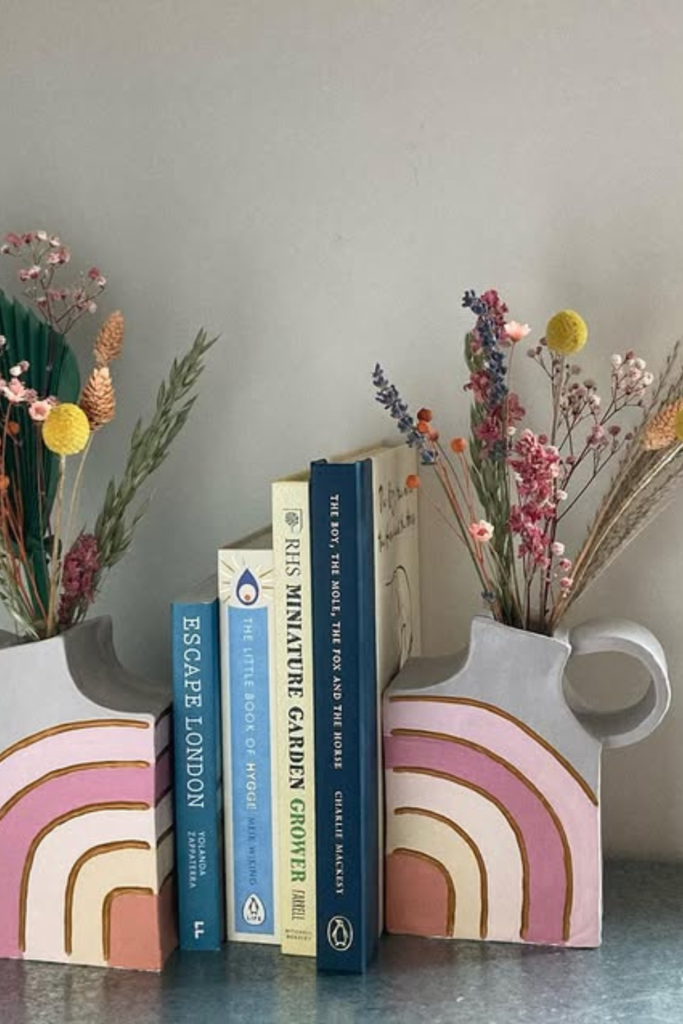
Vase Style Holders
Shelves feel softer when storage doubles as décor. Ceramic vase-shaped bookends like these work beautifully in living rooms.
Use hollow ceramic molds or concrete casts, pour sand or small gravel into the bottom before sealing it to add hidden weight.
Extra grip comes from clear silicone pads underneath. Dried florals add height and balance, especially under natural daylight.
Strength stays low and concealed, while the top stays light and decorative, so the shelf feels styled instead of weighed down.
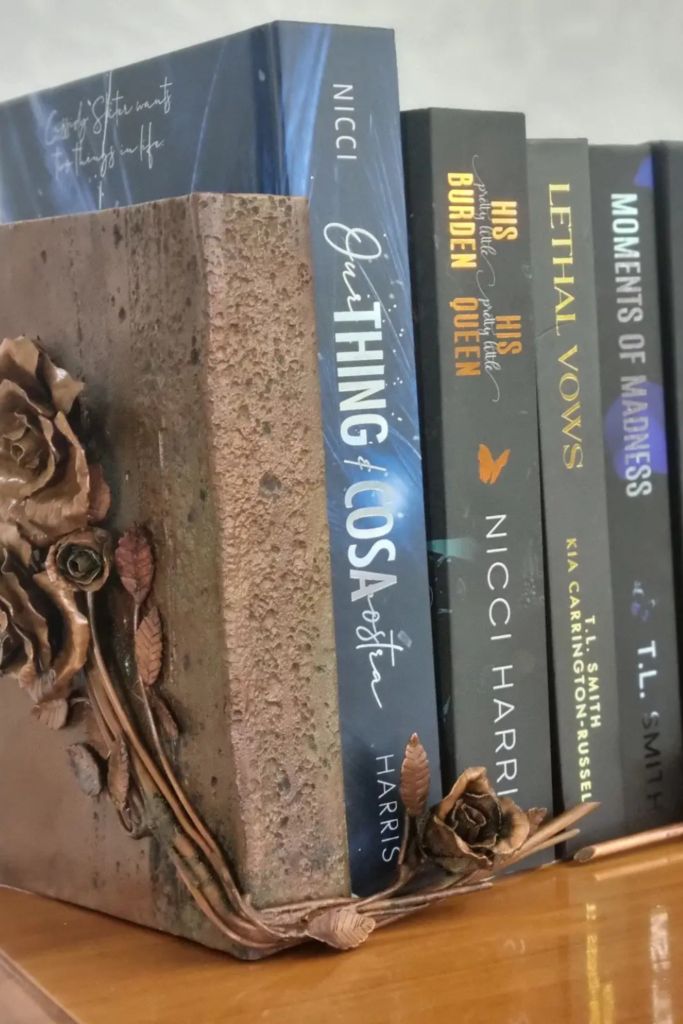
Concrete Rose Blocks
Nothing beats real weight when you’re holding thick hardcovers. Felt pads underneath prevent scratches and slipping.
Solid concrete bookends like these work best in offices, study rooms, or dark wood shelves where you want something bold.
Pour quick-set concrete into simple square molds, then press metal floral pieces into the surface before it fully cures for texture.
Since concrete is naturally heavy, you don’t need to bulk it up; just keep the base wide enough to balance it.
Warm side lighting enhances the rough texture and metallic details, giving the whole setup a dramatic, sculpted look.
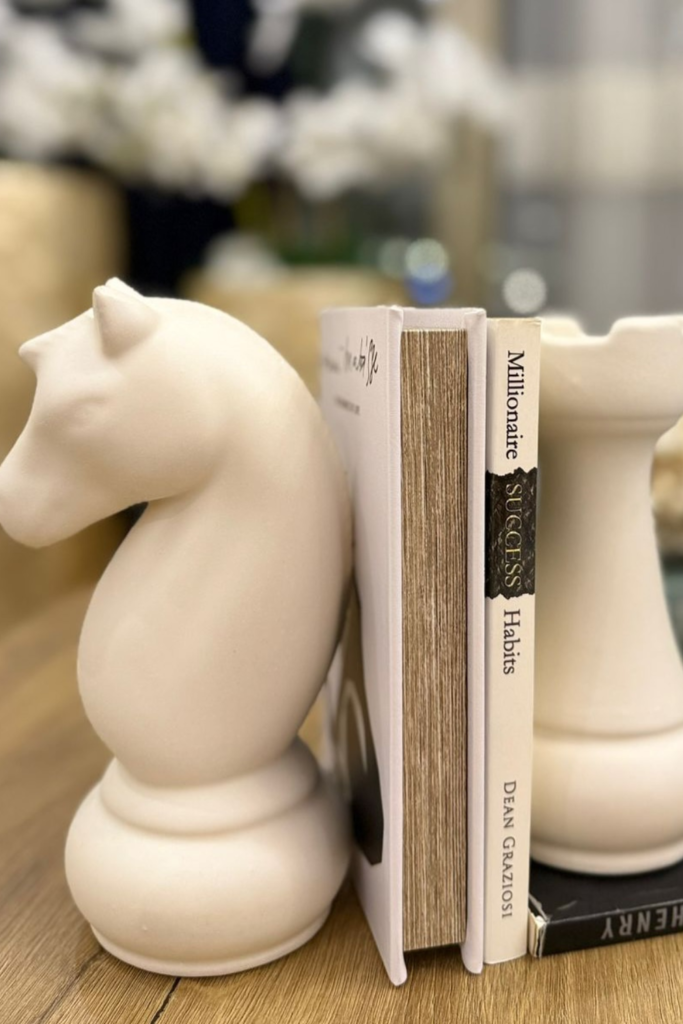
Chess Piece Ends
Instant character without visual clutter. Strong enough to hold thick hardcovers, yet refined enough to feel decorative.
Oversized chess pieces, like a knight and rook, work perfectly in a study room, game corner, or masculine office setup.
Hollow resin or plaster versions keep the shape clean, but real stability comes from filling the bottom cavity with sand.
Small metal weights before sealing it. Extra balance can be added by attaching a flat metal plate to the underside of the base.
Soft warm lighting enhances the curves and matte finish, while darker shelves make the sculptural form stand out.
Mini Scene Nook
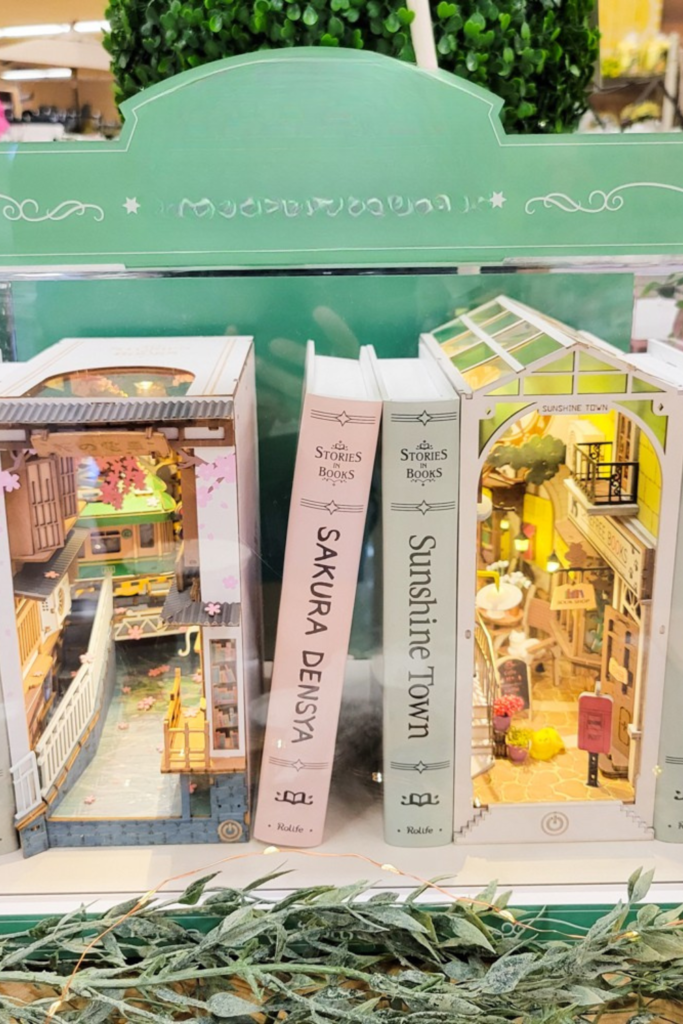
A 3D miniature book nook like this works beautifully on floating shelves, reading corners where you want something magical.
Recreate it using a wooden box frame sized like a thick book, then build a small scene inside with craft wood, printed backdrops, and tiny LED strip lights.
Real stability comes from adding a steel plate at the base of the box or extending a hidden L-shaped bracket behind it.
Books can hide a whole world between them. Warm LED lighting layered inside the scene creates depth and glow, especially in dim rooms.
Decorative on the outside, weighted low and solid underneath, so it holds books without looking heavy.
Gold Figure Support
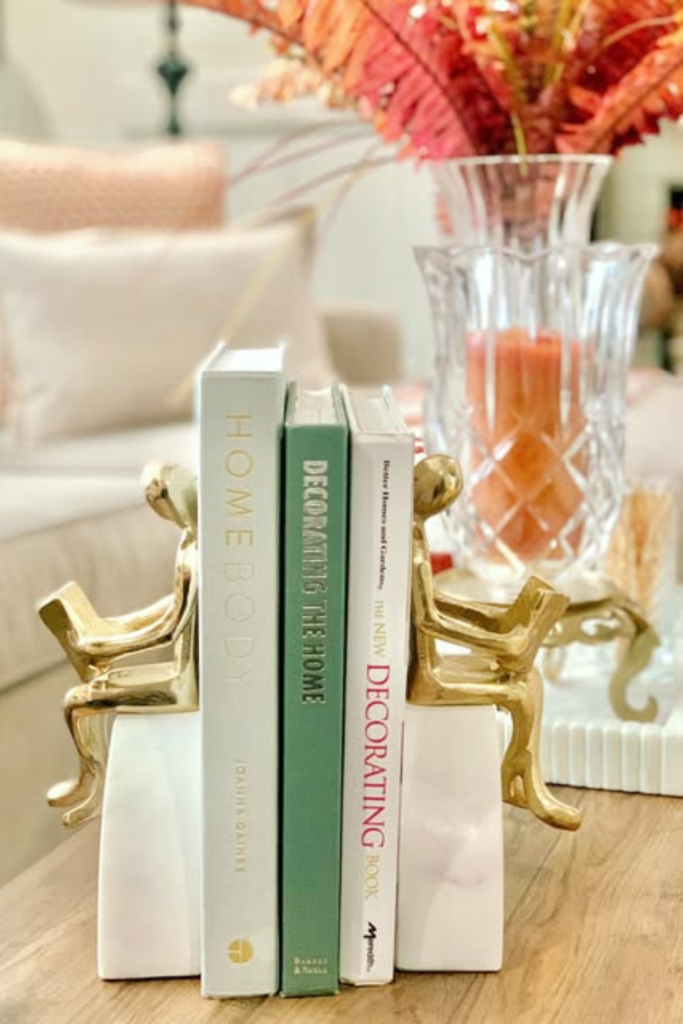
Sculpted figures pushing against books work beautifully in modern living rooms, coffee tables, or styled office shelves.
Attach small resin or metal figurines to a solid marble or MDF block. Stability should come from the base, not the arms.
Embed a steel plate inside the block or use a thick stone slab underneath. Weight stays low and hidden, the figures create visual drama.
Glossy finishes reflect warm lamp light beautifully, especially in soft ambient lighting. Decorative from the front, strong underneath.
Live Edge Blocks
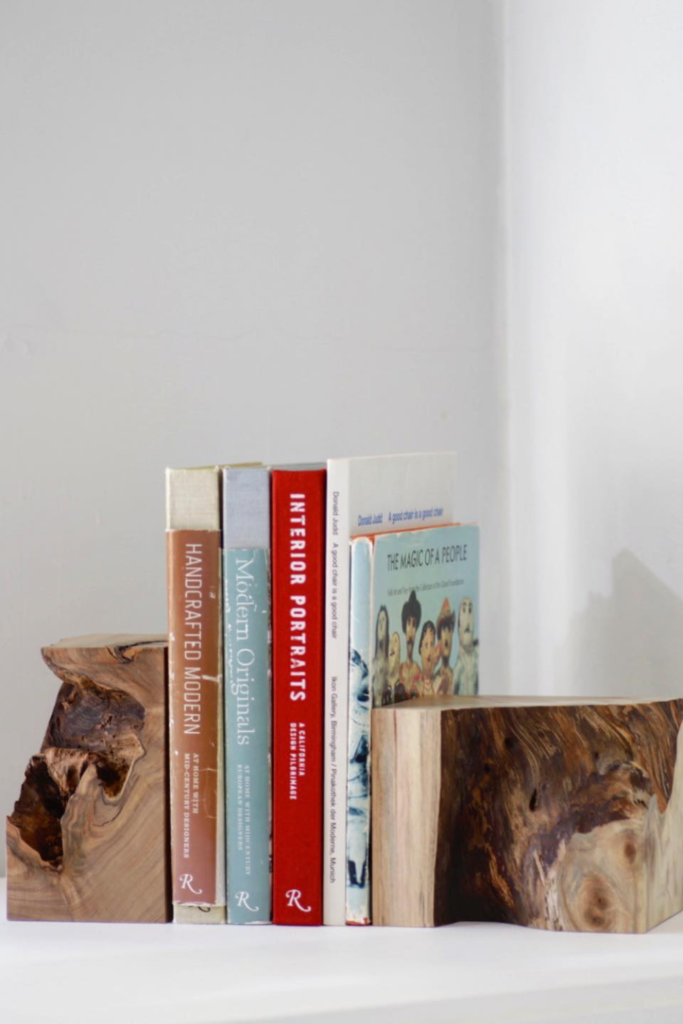
Raw wood brings warmth without trying too hard. Clear matte finish highlights the grain under soft daylight or warm wall lighting.
Chunky live-edge blocks like these fit beautifully in minimalist homes, Scandinavian spaces, or neutral reading corners.
Solid hardwood already carries natural weight, so focus on keeping the base flat and wide enough to resist pressure from stacked books.
Extra stability can be achieved by routing a shallow cavity beneath and inserting a thin steel plate before sealing it.
Organic shape feels sculptural and calm, while hidden reinforcement keeps everything upright without adding bulk.
Sculpted Hand Hold
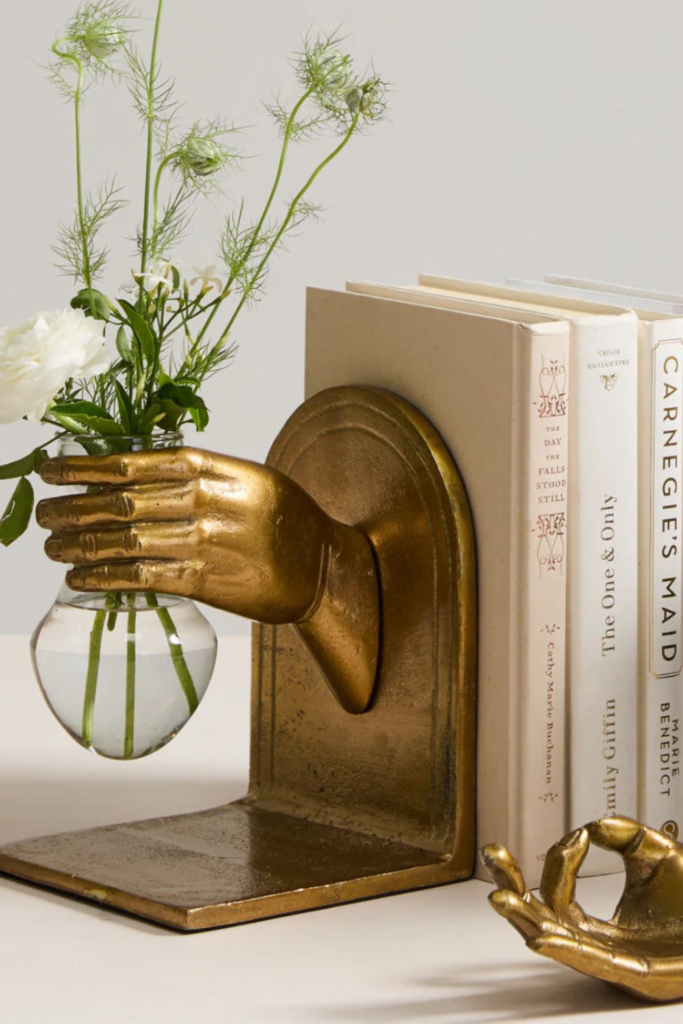
Art that actually works. Metallic finishes reflect warm ambient lighting beautifully, especially against neutral books.
Sculpted hand, mounted on a solid L-shaped base, fits beautifully in eclectic living rooms, creative studios, or glam shelves.
You want something unexpected. Build it using a heavy metal or resin hand attached to a thick steel or stone base.
Real strength should lie in the bottom plate, not the decorative arm, so choose a dense material for the bottom plate.
Add rubber grips for traction. Functional support stays grounded at the base, while the extended hand creates drama.
Wooden Letter Frames
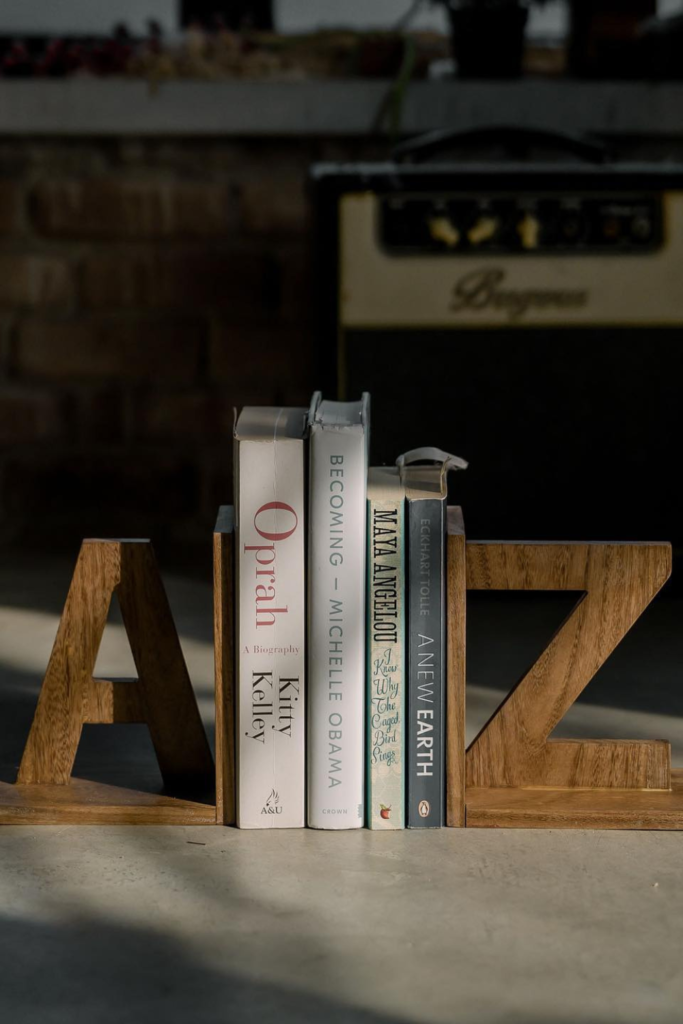
Initials instantly personalize a shelf. Solid wooden letter bookends like these work beautifully in home offices, kids’ rooms, or gift setups.
Cut thick hardwood into bold letter shapes, then attach each to a flat base that extends slightly under the books.
Hidden strength can come from inserting a steel strip inside the bottom base or screwing a thin metal plate underneath.
Natural wood grain looks best under warm sunlight or soft lamp lighting, especially against darker backdrops.
Personal on the outside, reinforced low where pressure hits, so the design stays clean but strong enough for everyday use.
Dragon Claw Ends
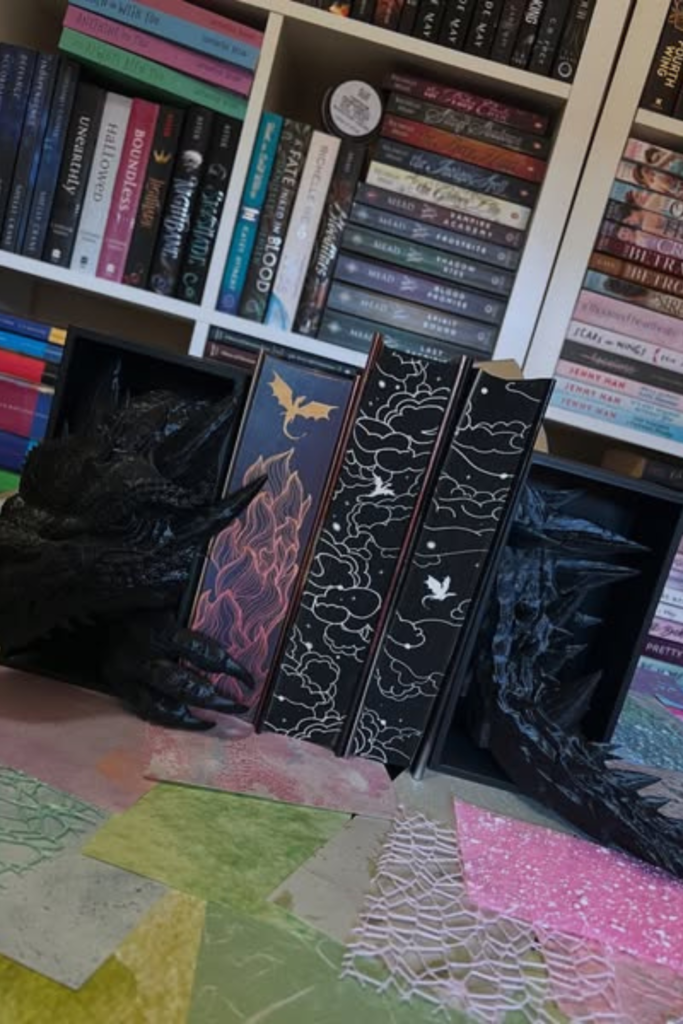
Fantasy fans don’t want subtle. Sculpted dragon claws gripping books work perfectly in gaming rooms, or dark libraries.
Build the claws using resin casts or foam coated in hard epoxy, then attach them to a solid wooden or metal L-shaped base.
Where bold themes shine hidden behind the design. Real stability should sit in that back plate, not in the claw itself.
Add extra weight by embedding steel inside the base so heavy hardcovers don’t push it backward, with low, moody lighting.
Soft spotlight enhances the texture and shadows, giving the setup a dramatic edge while the hidden structure keeps everything firmly upright.
Sculpted Stone Arches
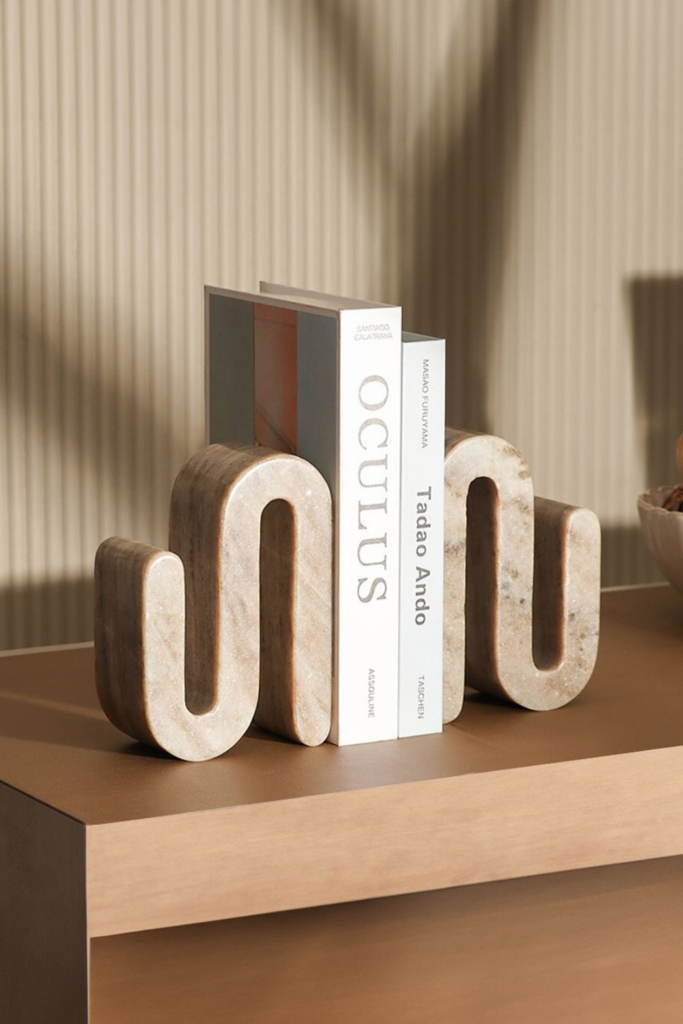
Thick stone or concrete arch shapes like these work beautifully in modern, neutral interiors where texture matters more than decoration.
Cast the form using cement or gypsum in a smooth mold, keeping the bottom edge wide and flat for balance.
Natural density already provides strength, but you can increase stability by embedding a steel strip inside the base before it fully sets.
Matte, sandy finishes look best under warm, indirect lighting, especially against ribbed or textured backdrops.
Rounded silhouette keeps the design minimal and calm, while hidden reinforcement keeps heavy art books upright.
Rounded Bamboo Blocks
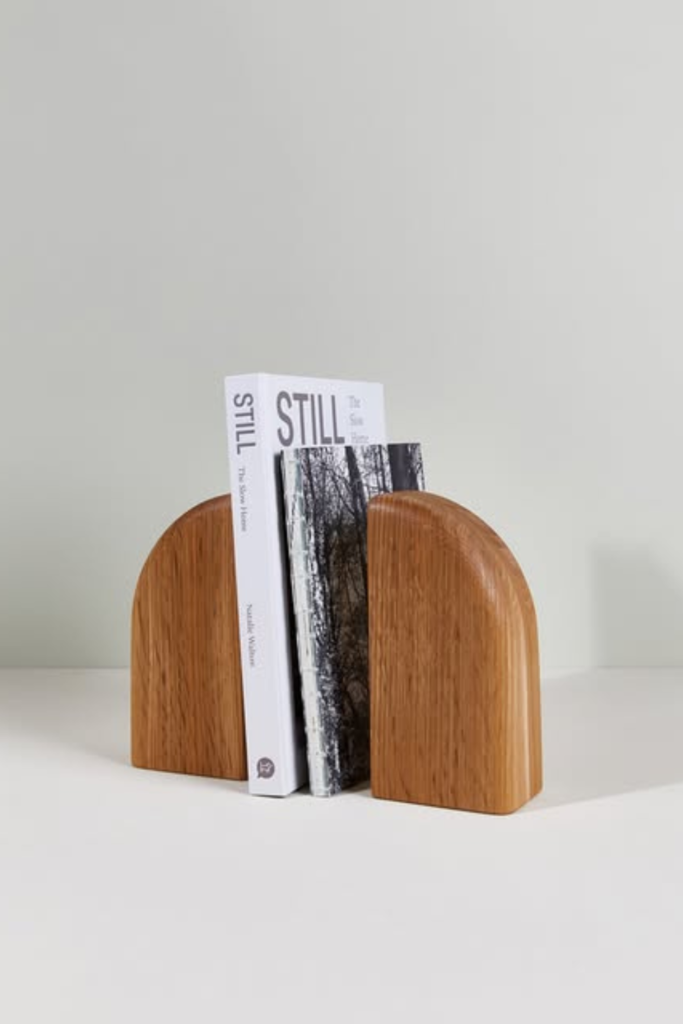
Curves instantly soften a shelf. Dense bamboo already carries decent weight, so focus on keeping the base thick and perfectly flat.
Solid bamboo half-arch bookends like these fit beautifully in minimalist bedrooms, Scandinavian offices, or calm reading nooks.
Extra reinforcement can be achieved by inserting a thin steel bar into the bottom before sealing the piece.
Clear matte oil enhances the natural grain under soft daylight or warm table lamps. Rounded edges prevent the design from feeling heavy.
Hidden weight at the base keeps even larger books standing straight without making the shape bulky or oversized.
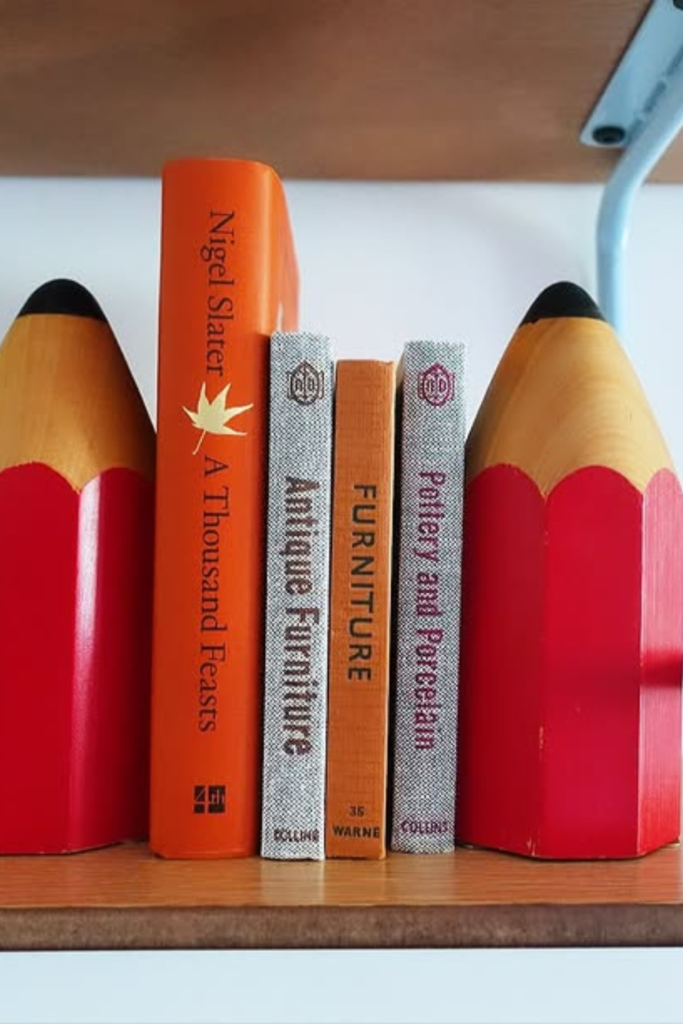
Giant Pencil Ends
Oversized pencil bookends like these are perfect for kids’ rooms, classrooms, or creative studios where color adds energy.
Use solid wood blocks shaped into a pencil form, hollow out the bottom section slightly to insert a metal weight before sealing it back up.
Wide flat bases are key, so pressure from textbooks doesn’t tip them backward. Bright paint pops under natural daylight.
Softer indoor lighting keeps the colors warm instead of harsh. Fun on the outside, reinforced low where it counts.
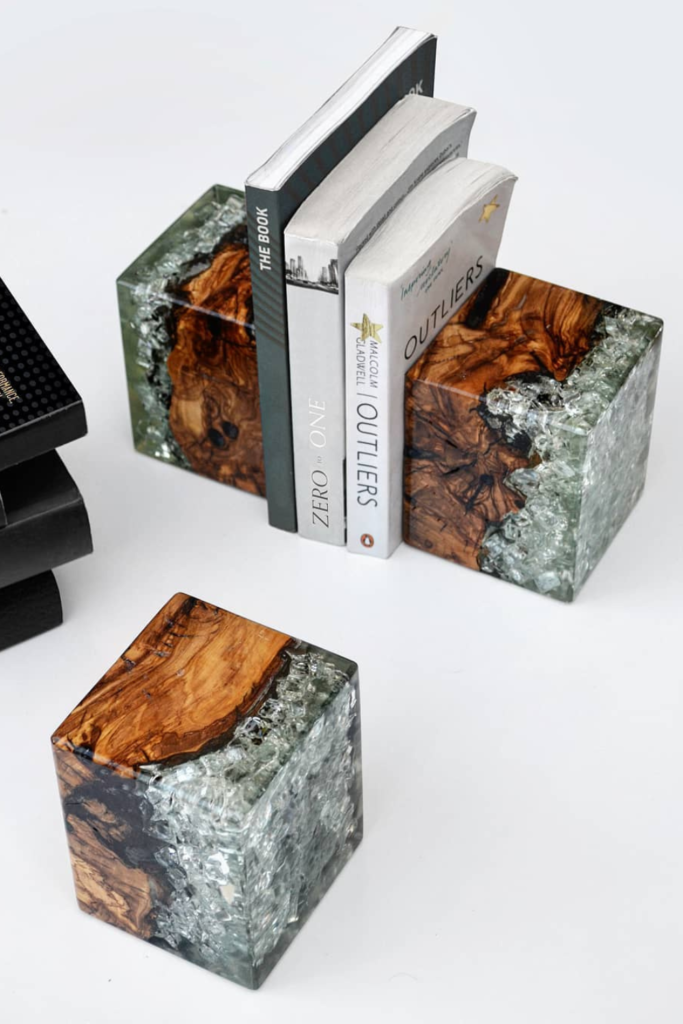
Resin Wood Cubes
Natural meets modern in one solid block. Glossy resin catches light from overhead or side lamps, while the wood grain adds warmth.
Resin and wood cube bookends like these fit beautifully in contemporary offices or minimalist shelves that need texture.
Build them by pairing a dense hardwood chunk with clear or tinted epoxy resin, then pouring the mixture into a square mold.
Weight usually isn’t an issue because solid wood and resin are already heavy, but you can embed small steel pieces at the base.
The compact shape keeps everything clean and structured, while the mass inside keeps heavy books from shifting.
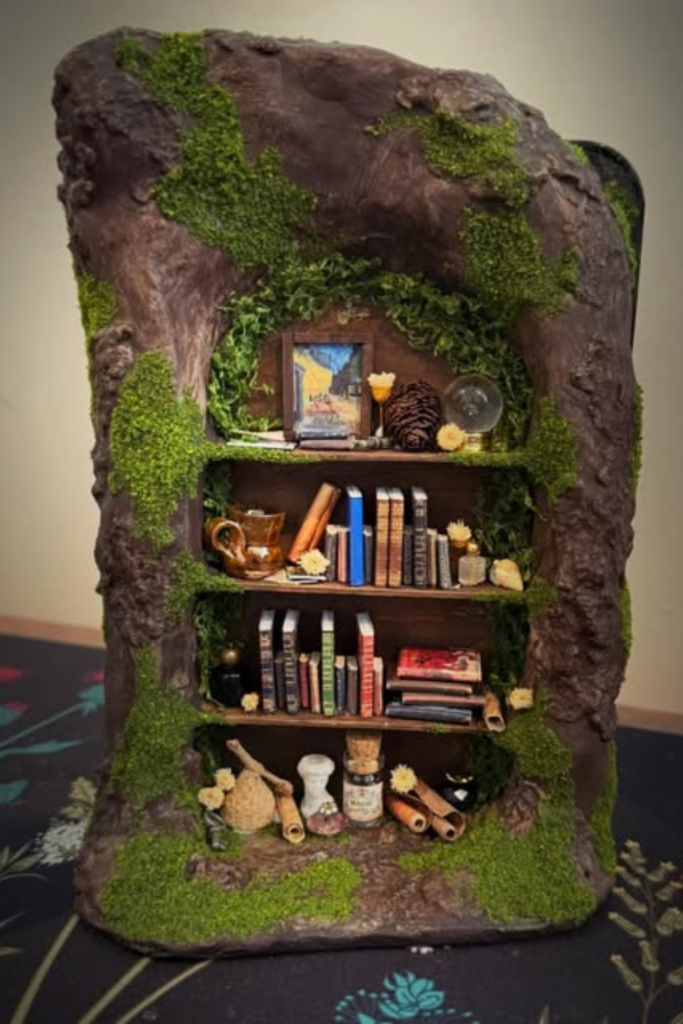
Hidden Forest Shelf
Looks like a rock, works like a wall. A carved cave-style bookend like this fits perfectly in fantasy libraries, reading corners.
Build the outer shell using foam carved into a rock shape, then coat it with textured plaster or resin for strength.
Real stability should come from a thick wooden or metal L-frame hidden inside the back panel so the weight stays low.
Warm lighting that creates shadows in the crevices. Dramatic on the outside, reinforced underneath.
Even heavier books stay firmly in place. Artificial moss and mini shelves add depth, especially under soft.
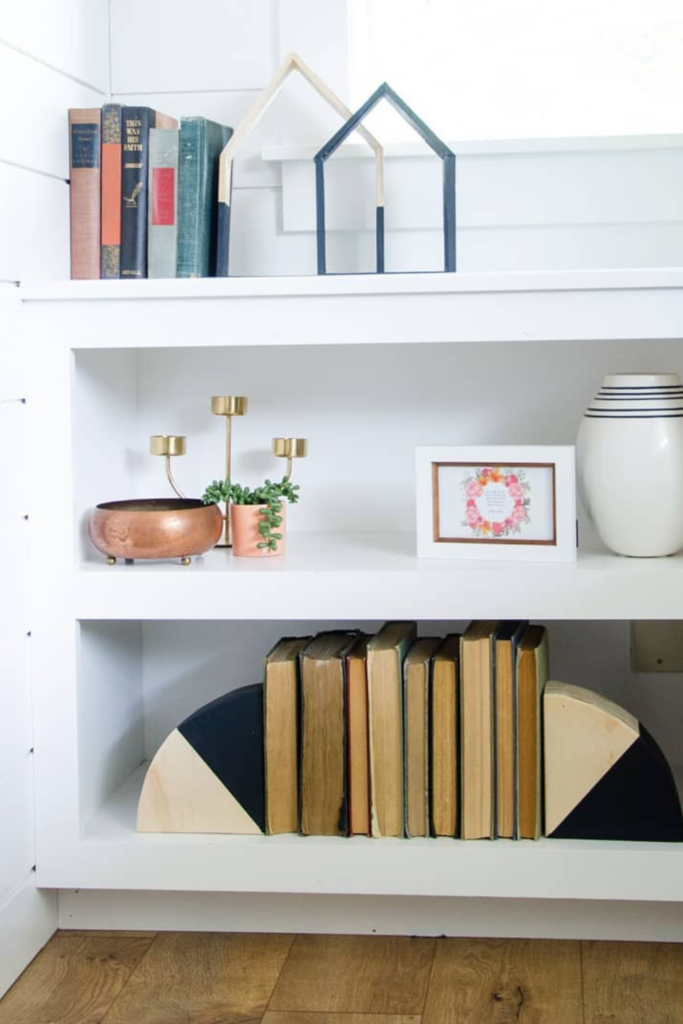
Half Moon Ends
Clean shapes can still do heavy work. Extra strength comes from embedding a thin steel strip inside the bottom before sealing it.
Half-circle wooden bookends like these fit beautifully in modern living rooms, built-in shelves, or minimalist spaces.
Cut thick plywood or hardwood into semi-circles, then attach each to a flat base that extends slightly under the books for leverage.
Two-tone paint pops nicely under natural daylight, while soft, warm lighting keeps the contrast calm in the evening.
Rounded silhouette keeps the design playful, but the hidden weight at the base is what actually keeps those vintage hardcovers standing straight.
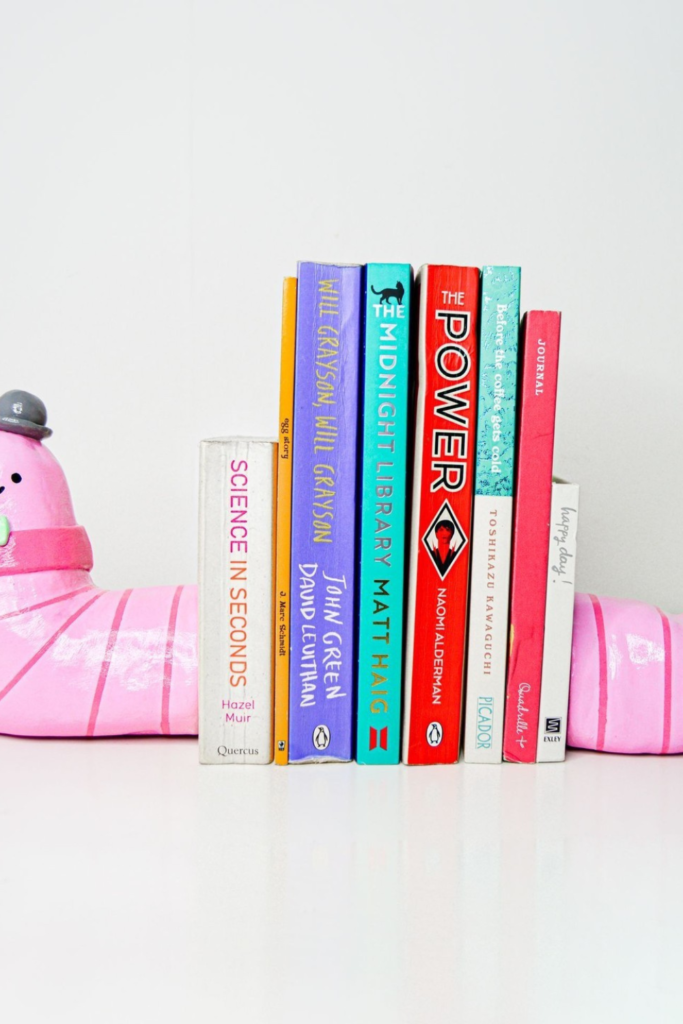
Playful Worm Ends
Serious shelves don’t always need serious designs. Weight should run low across the entire base so pressure from books doesn’t twist it backward.
Long, sculpted worm like this works perfectly in kids’ rooms where personality matters more than minimalism.
Shape it from dense foam coated in resin from solid wood, insert a hidden steel rod along the bottom length to add stability.
Glossy paint reflects bright daylight beautifully, while soft indoor lighting keeps the colors warm and friendly.
Fun on the outside, reinforced underneath, so even stacked chapter books stay upright without sliding.
Built-In Shelf Stops
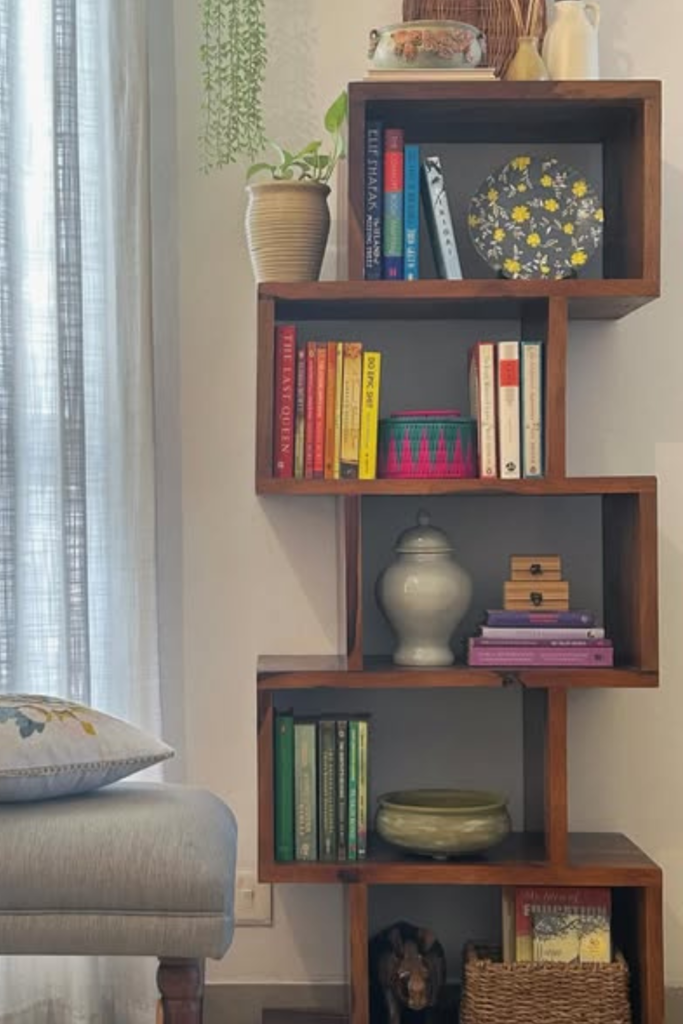
Sometimes the smartest bookend doesn’t look like one at all. Build vertical side panels directly into the shelf structure.
Integrated wooden dividers inside a custom shelf work perfectly in living rooms or reading corners where you want everything to feel seamless.
Real strength comes from anchoring those dividers into the main frame, not just screwing them to the surface.
Solid hardwood or thick plywood keeps the support sturdy. Natural daylight highlights the warm wood tones.
Soft interior lighting keeps the shelves cozy at night. Clean lines stay uninterrupted, and books remain perfectly contained.
Striped Clay Blocks
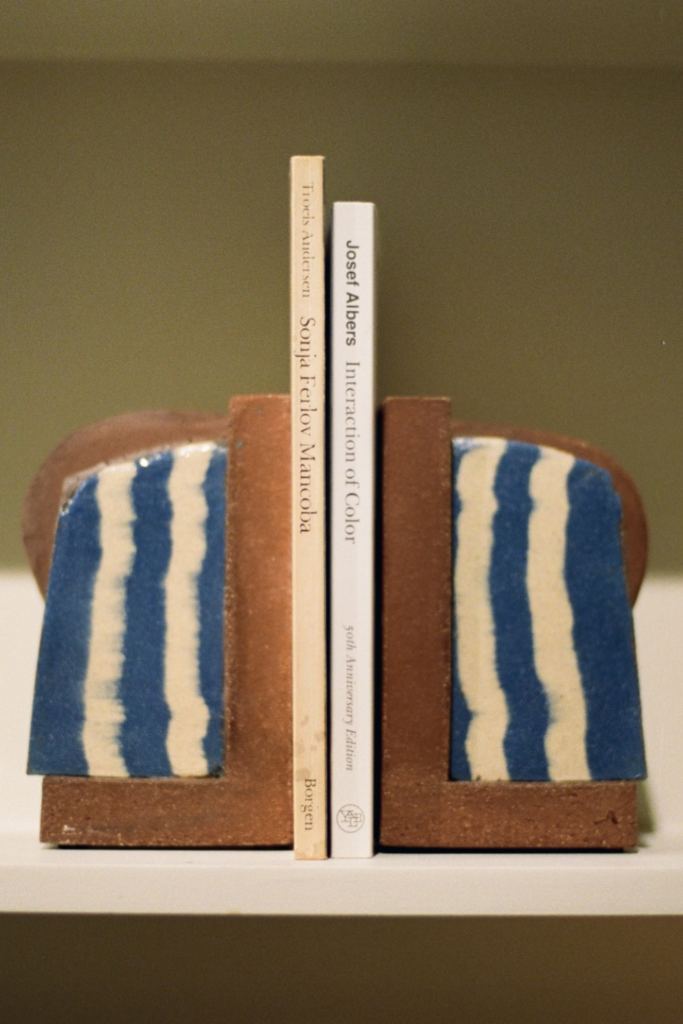
Handmade texture changes the whole mood of a shelf. Real strength should come from keeping the base solid and slightly wider.
Clay bookends with bold striped inlays like these work beautifully in artistic spaces, studios, or modern homes.
Shape thick clay slabs into curved forms, then press patterned tiles or colored clay panels into the front before firing.
Extra weight can be added by embedding small metal plates inside the bottom. Artistic on the outside, grounded low.
Books stay upright without bulky support. Matte ceramic surfaces look best under soft, warm lighting, where the stripes stand out.
Pencil Edge Blocks
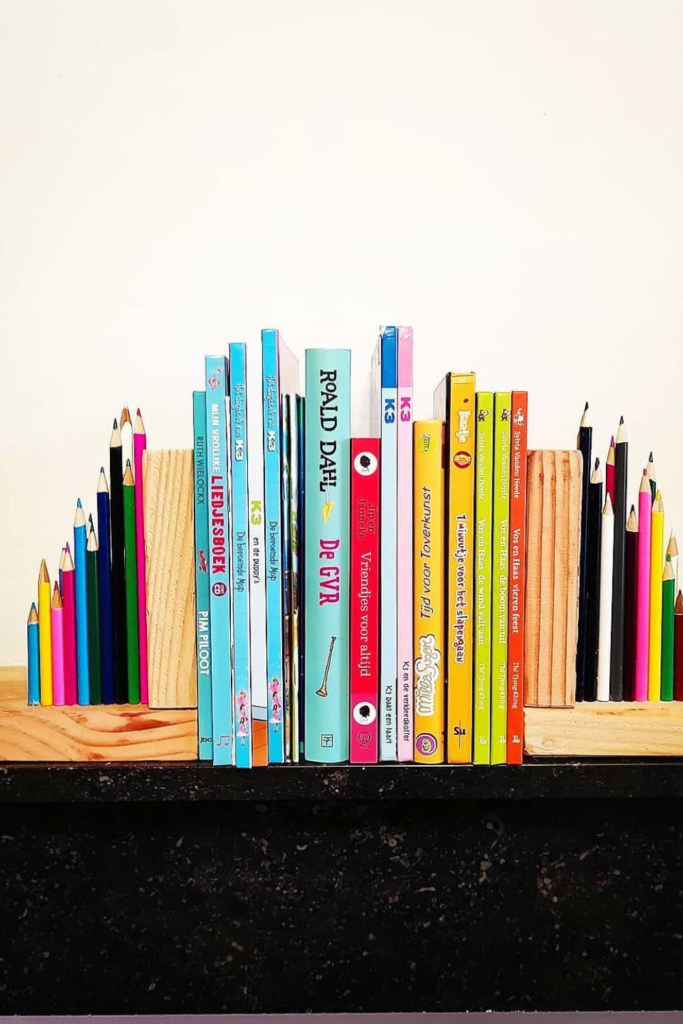
Color can double as structure. Extra weight can be added by attaching a thin steel strip underneath the base.
Wooden blocks lined with upright colored pencils like these are perfect for kids’ desks, art studios, or playful reading corners.
Build a thick wooden base first, because that’s where the real strength should sit. Drill shallow holes along the edge.
Glue pencils tightly in place for the decorative layer. Stability comes from the solid wood block behind the pencils.
Bright daylight makes the colors pop, while soft indoor lighting keeps the look warm and creative without feeling cluttered.
Painted Rock Ends
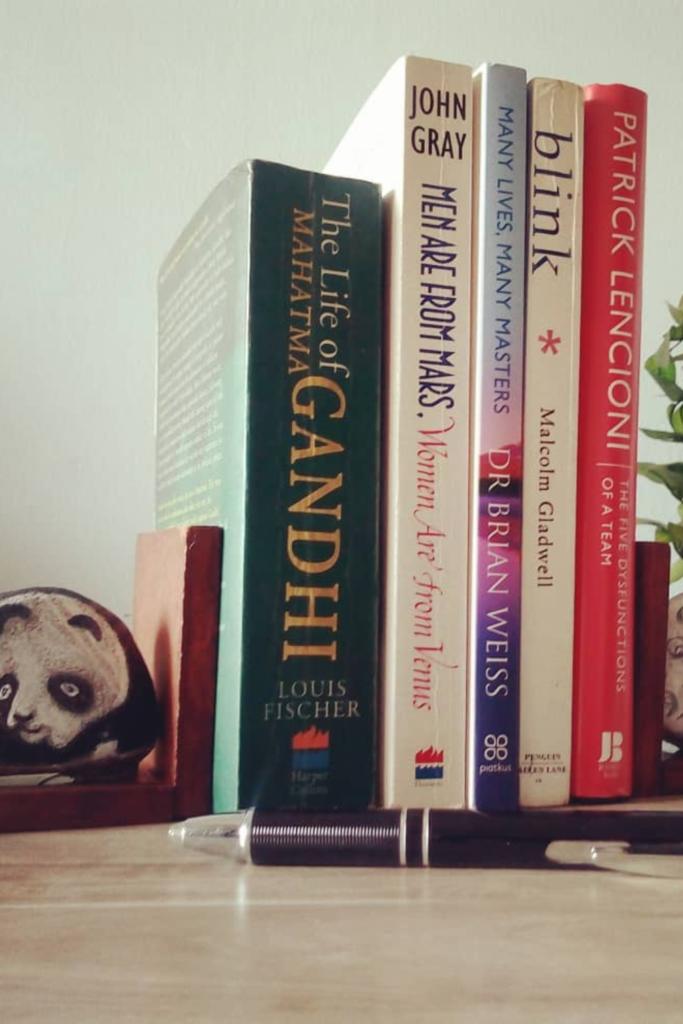
Small details can still carry real weight. Choose naturally heavy stones with one flat side so they sit firmly against books.
Hand-painted rock bookends like these work beautifully on bedside tables, compact desks, or cozy reading corners.
Extra support can be provided by attaching each rock to a thin wooden base that extends slightly beneath it for leverage.
Clear sealant protects the paint while preserving the natural texture. Soft warm lighting highlights the artwork without glare.
Compact and decorative on the outside, dense at the core, so even thicker hardcovers stay steady without bulky frames.
Wood Slice Stop
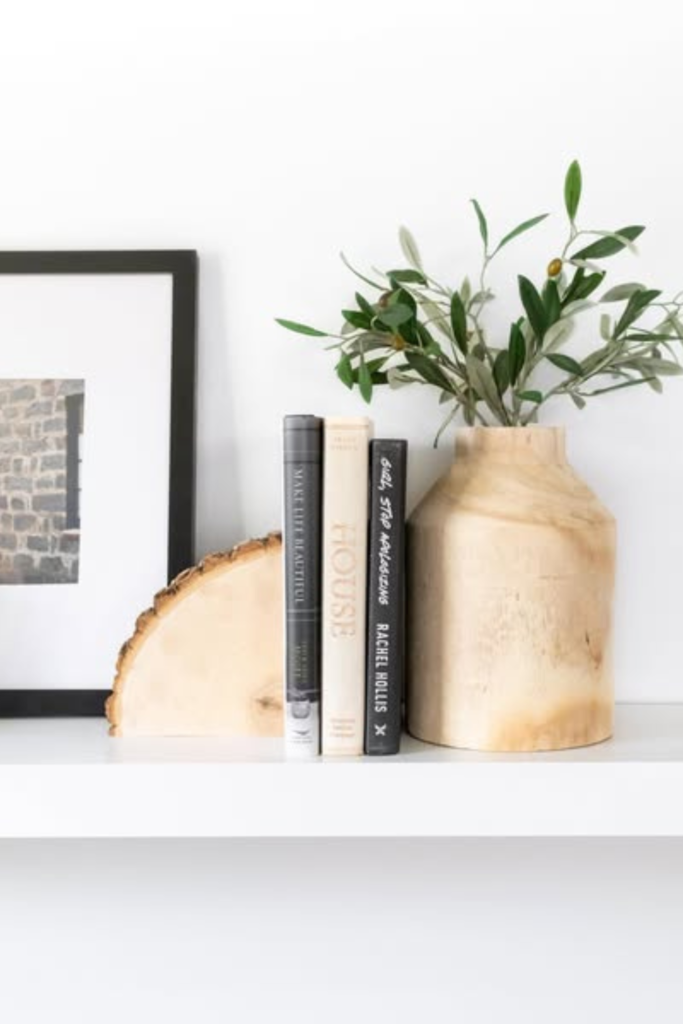
Thick tree slice works beautifully on farmhouse shelves, neutral living rooms, or rustic kitchen nooks where organic texture feels right.
Choose a solid hardwood round with one flat-cut side so it presses firmly against the books. Real stability comes from thickness and density.
Extra grip can be added with small rubber pads underneath to prevent sliding on smooth shelves. Soft daylight highlights the raw bark edge.
Warm evening lighting deepens the grain pattern. Simple and natural on the outside, heavy at the base so your books stay upright.
FAQs
Can Lightweight Bookends Still Hold Heavy Books?
Yes, but only if the weight sits low and grips the shelf. Most lightweight designs fail because they rely on height instead of balance.
Add a thin steel plate underneath, extend the base slightly under the books, or attach non-slip pads so friction works in your favor.
You don’t need a thick block of concrete. You need resistance at the bottom. Once the pressure from the books pushes down.
What’s the Best Way to Stop Bookends From Sliding?
Sliding happens when the shelf surface is smoother. Add rubber or silicone pads underneath, or line the bottom with a thin strip of grip tape.
Increasing friction often works better than adding more weight. If the shelf is glossy, even a heavy bookend can move.
Improve grip at the contact point, and the whole setup instantly feels more stable without making the design look bulky.
You may like to read!

Fasial is the founder of the Fizzy Flare. He has been a passionate blogger since 2021. He ran three different websites in the past few years. Now he is focusing on Fizzy Flare to build an audience and help them organize their life.