22 Cord Organization Ideas for 2026
This post may contain affiliate links: full affiliate disclosure.
If dealing with messy cords feels stressful, you’re not alone. Cables pile up fast. Chargers get tangled. Important cords disappear right when you need them.
You waste time untangling wires instead of using your space properly. Most people don’t struggle because they have too many cords they struggle.
This article shows you how to organize your cords so you can keep your space clean, safe, and under control.
In this article, you’ll find 22 Cord Organization ideas that work in 2026.
Let’s jump in!
Contents
- 1 How Can I Organize My Cords?
- 1.1 Travel Cord Kit
- 1.2 Labeled Cable Storage
- 1.3 Wall Plug Wrap
- 1.4 Category Cable Box
- 1.5 Zippered Charging Case
- 1.6 Drawer Cable Sorting
- 1.7 Length-Labeled Cords
- 1.8 Drawer Zone System
- 1.9 Hidden Charging Hub
- 1.10 Stacked Cable Drawers
- 1.11 Cable Box Station
- 1.12 Modular Drawer Pods
- 1.13 Under-Desk Tray
- 1.14 Cable Raceway Wall
- 1.15 Magnetic Cord Clips
- 1.16 Pegboard Cable Wall
- 1.17 Bedside Charging Shelf
- 1.18 Velcro Cable Spine
- 1.19 Label Both Ends
- 1.20 Furniture Cable Grommet
- 1.21 Rolling Cable Cart
- 1.22 Color-Coded Cables
- 2 FAQs
How Can I Organize My Cords?
You organize your cords by creating a simple system instead of fixing things randomly. Start by unplugging everything.
Removing any cords you no longer use, since unused cables are the main source of clutter. Group cords based on what they power.
Decide where each group should run so they stay out of sight and out of the way. Use clips, ties, or sleeves to keep cords together.
Prevent tangling, when every cord has a clear path and purpose, your setup stays organized instead of falling apart again.
Save this article for later! 👇👇

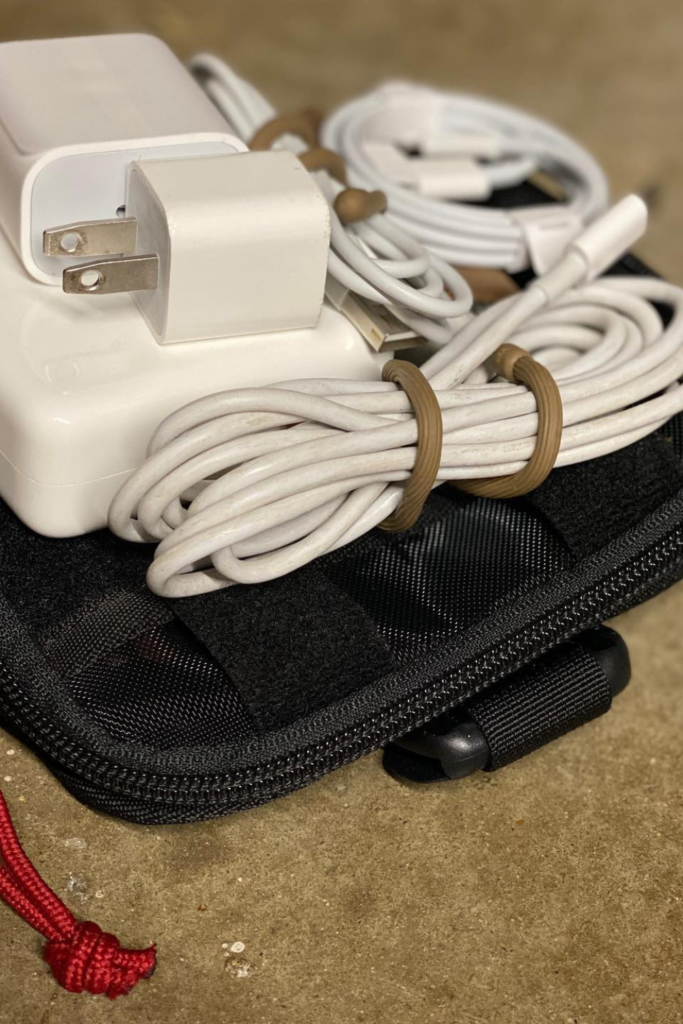
Travel Cord Kit
Tired of digging through your bag for the right charger? Turn all your travel cables into one grab-and-go kit.
Wrap each cord neatly with reusable ties, then store everything in a slim zip pouch so nothing shifts or tangles.
Soft ambient light keeps the look clean, while natural light highlights the simple, clutter-free setup, best for travel.
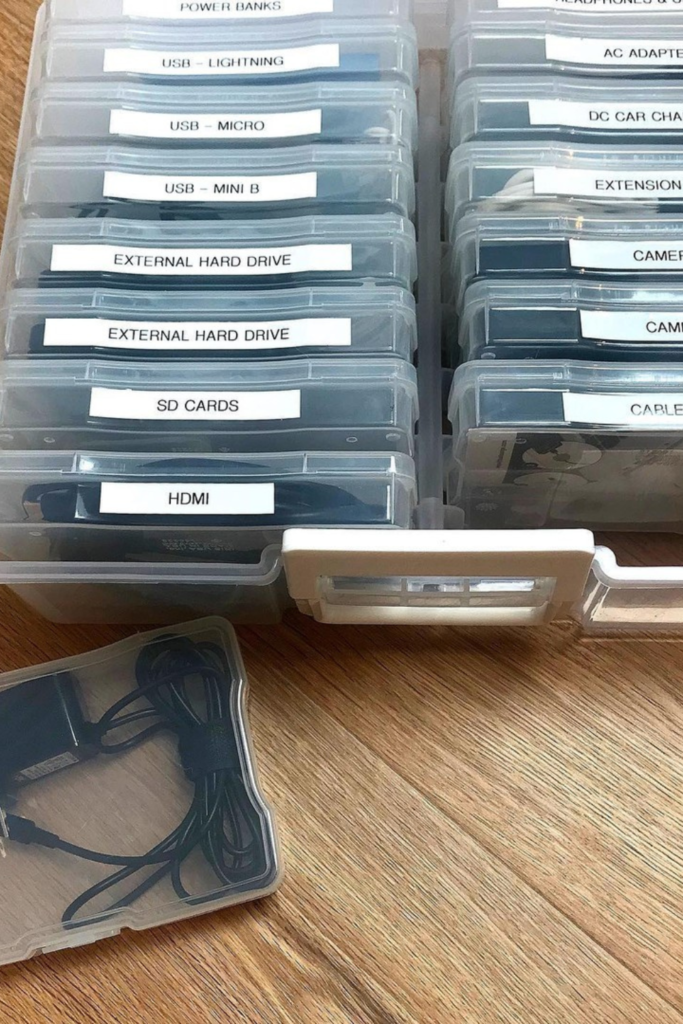
Labeled Cable Storage
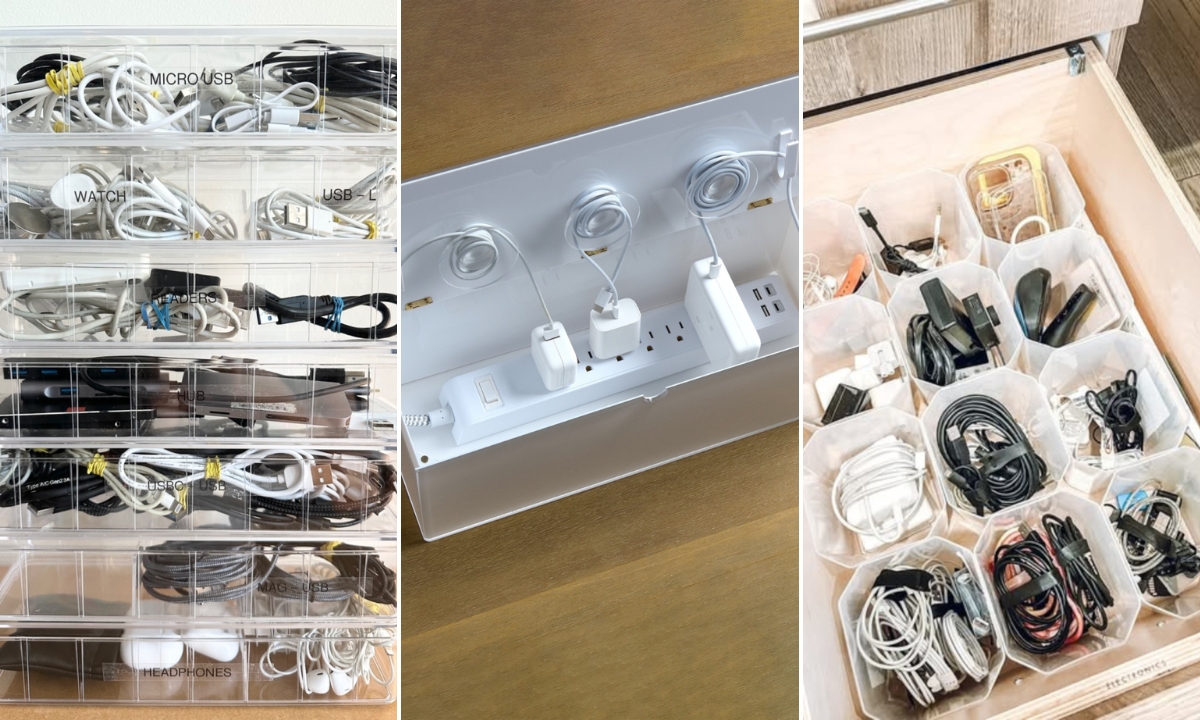
Finding the right cord stops being a guessing game once everything has a name. Use small compartment boxes.
Label each section based on cable type or device. Clear boxes make scanning easy, use simple overhead lighting.
Keeps everything readable and functional, works best for home offices, studios, or tech drawers with lots of accessories.
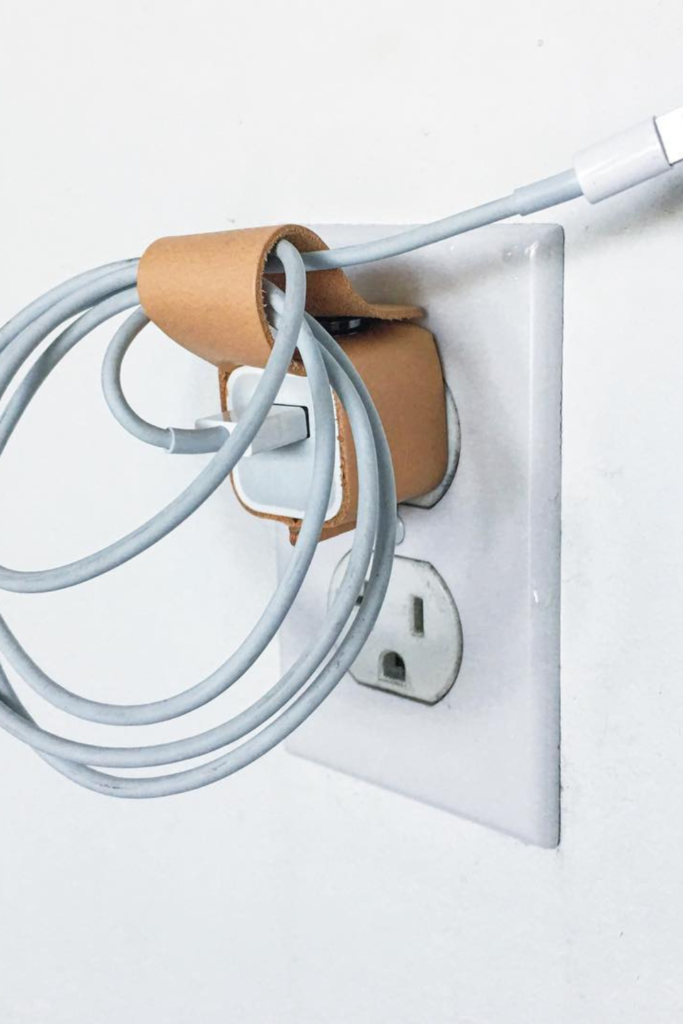
Wall Plug Wrap
Loose charging cables turn outlets into instant clutter. Keep things tight by looping the cord around a simple wrap attached to the adapter.
Using leather, silicone, or Velcro wraps. Soft ambient lighting keeps the setup clean, while white walls bounce light for a minimal, calm look.
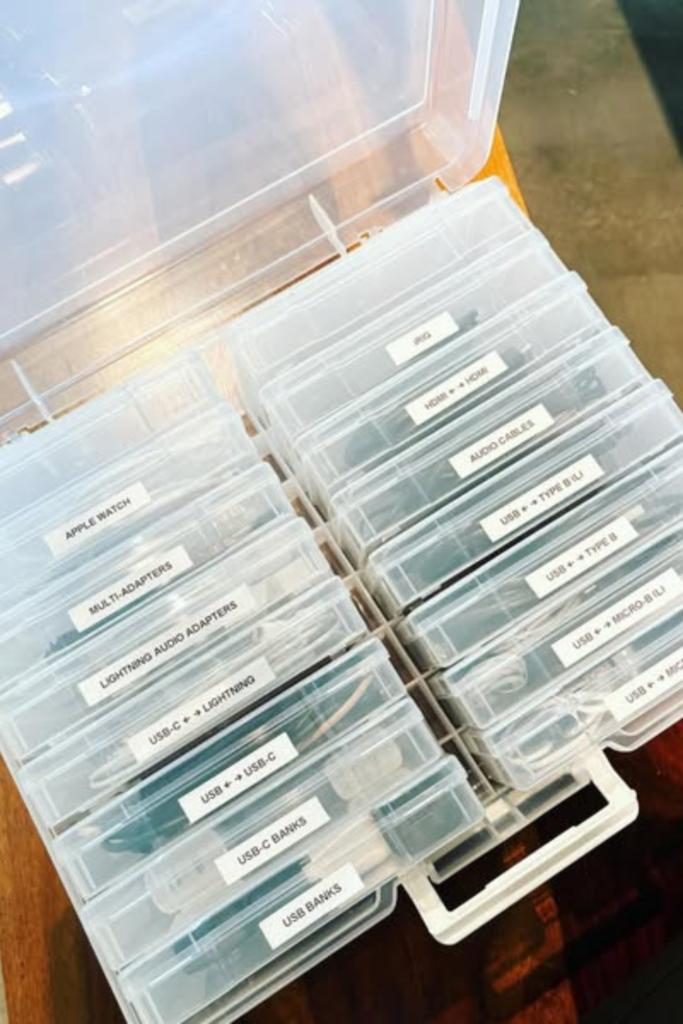
Category Cable Box
Tech drawers spiral out of control. Break the chaos by sorting cords into labeled compartments based on use.
Home offices, studios, and shared households benefit most from this approach. Build it using stackable plastic cases.
Natural daylight paired with overhead room lighting keeps everything visible and easy to scan at a glance.
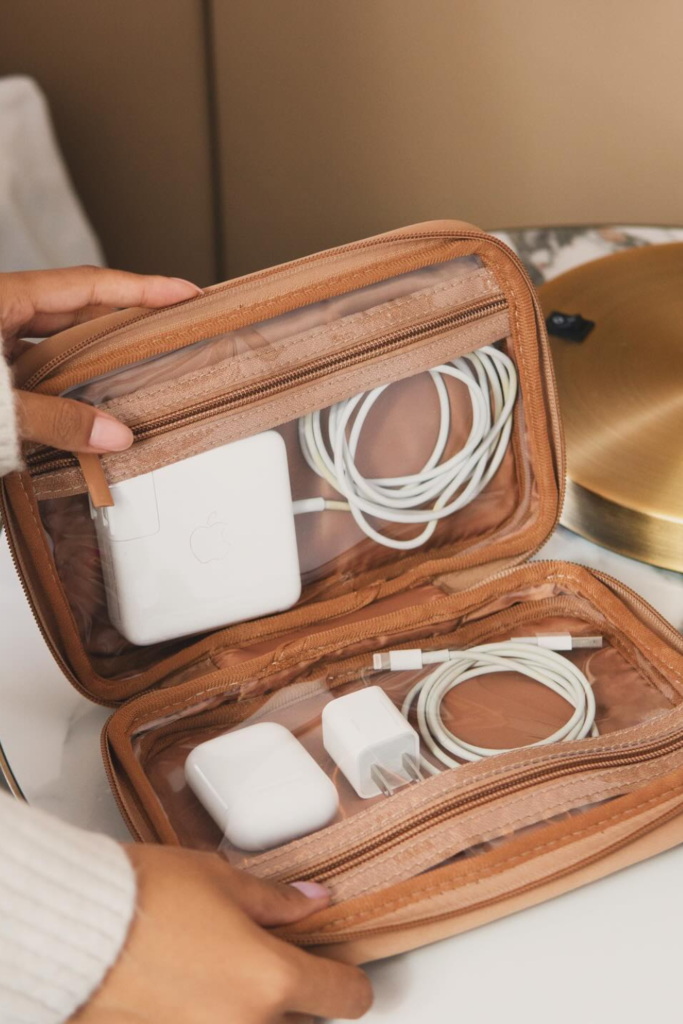
Zippered Charging Case
Digging through bags becomes a thing of the past. Store cords and adapters in a structured zip case.
This works best for travel, bedside tables, or work totes, using a padded organizer with mesh sections.
Warm table lighting adds a soft, cozy feel, while soft ambient light keeps the setup calm and intentional.
Drawer Cable Sorting
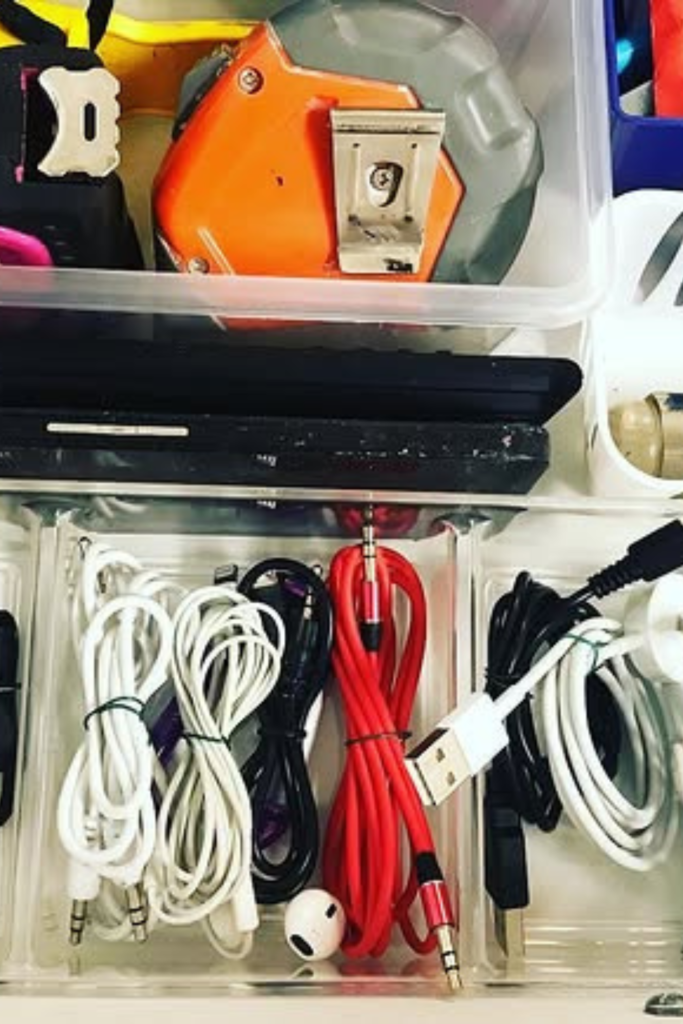
Messy drawers waste time every single day. Assign each cable its own small compartment so nothing overlaps.
This method works best for office drawers, tool cabinets, or shared family storage. Use modular drawer bins and simple ties.
Bright overhead lighting keeps everything visible, while clear containers prevent cables from disappearing into clutter.
Length-Labeled Cords
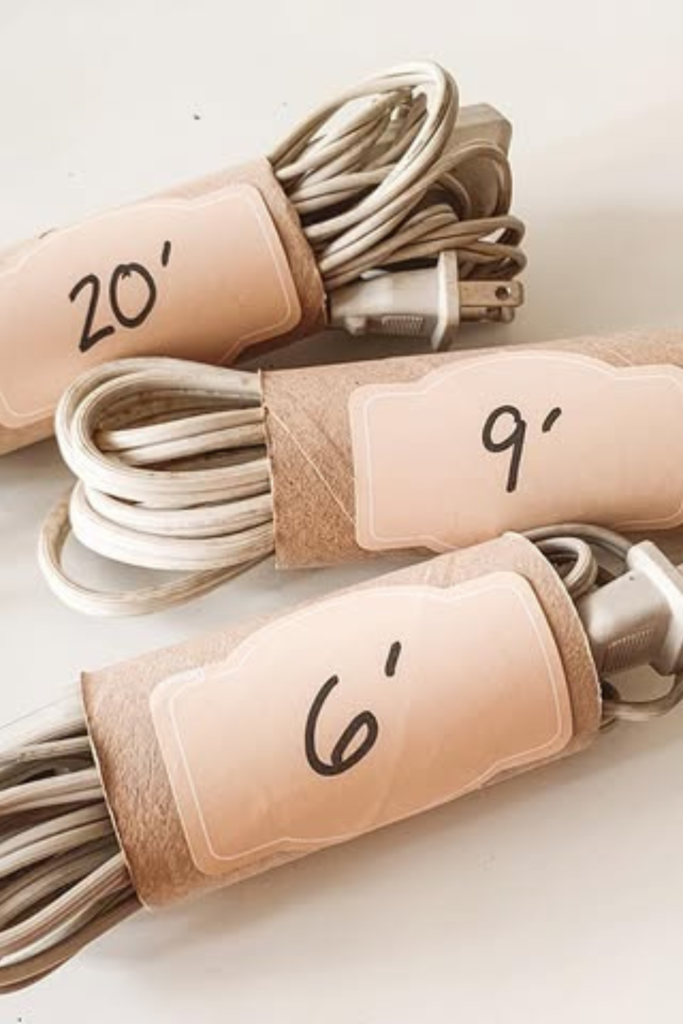
Long cables become a headache when you don’t know which one fits the job. Mark cords by length so you grab the right one.
Use paper wraps or Velcro straps and handwritten labels. Soft neutral lighting keeps the setup calm, this works best.
Drawer Zone System
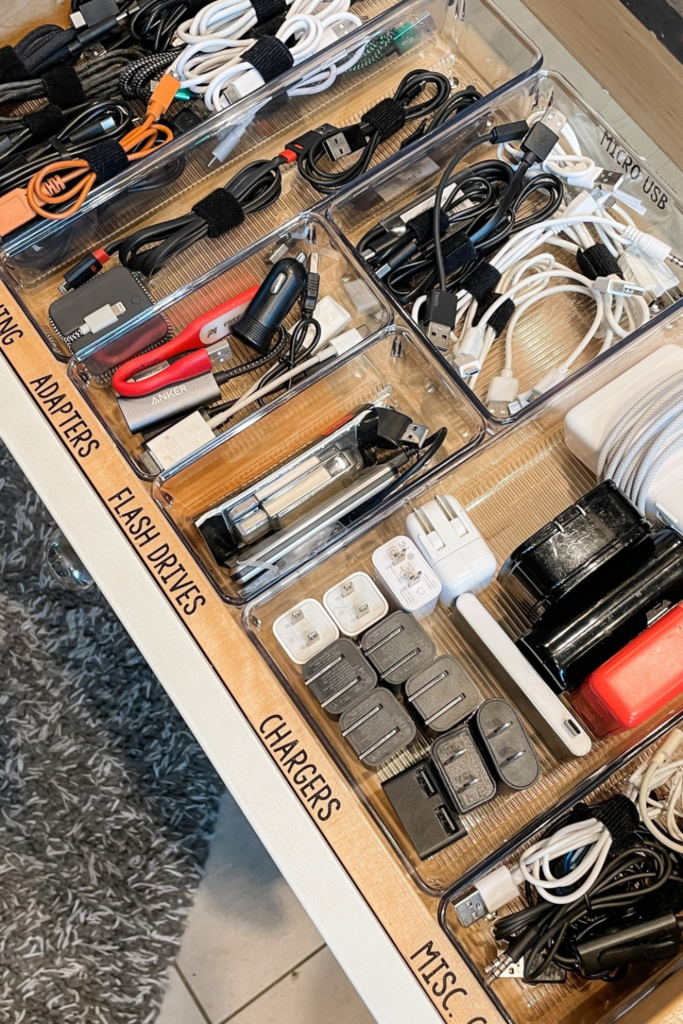
Too many cables feel manageable once each type lives in its own zone. Split a deep drawer into clear sections.
For chargers, adapters, flash drives, and daily-use cords. This setup works best for home offices or shared tech drawers.
Bright overhead lighting handles visibility, while ambient room light keeps the setup practical and easy to maintain.
Hidden Charging Hub
Charging stations fall apart when cords hang loose under the desk. Pull everything into one enclosed hub.
Cables drop straight down and stay separated. This idea works best for desks, consoles, or shared charging areas.
Soft ambient light keeps the setup calm, while indirect task lighting highlights the clean before-and-after result.
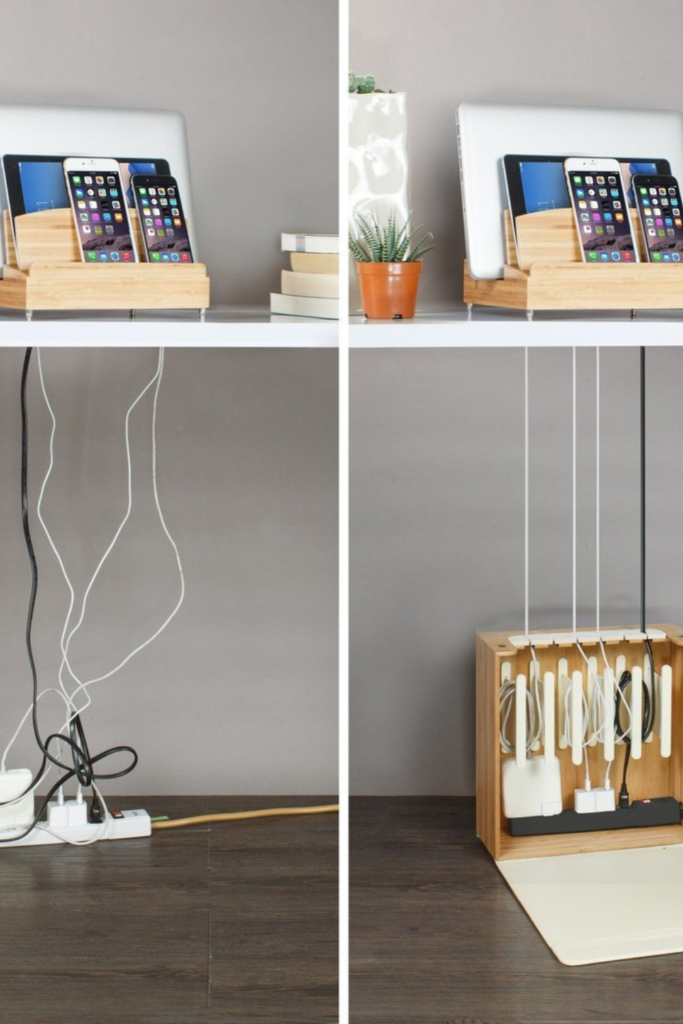
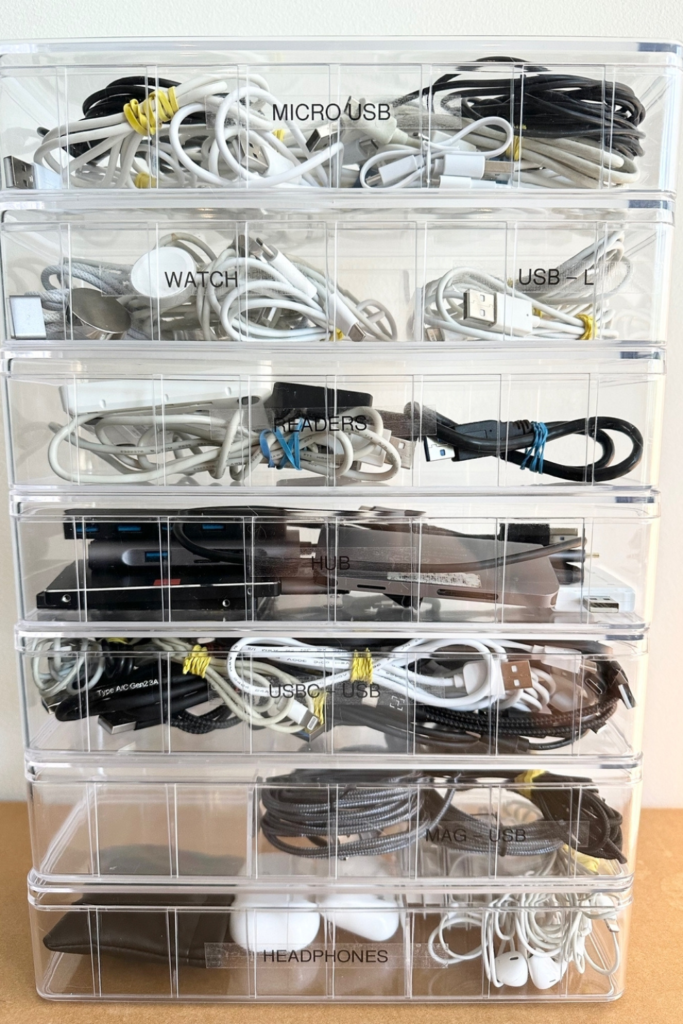
Stacked Cable Drawers
Cables stop feeling overwhelming once they’re spread vertically. Use slim drawer units to separate cords by type.
Each drawer has one clear purpose, recreate it with clear stackable drawers and simple labels, works best for closets.
Even Natural daylight makes scanning easy, while soft ambient room light keeps the setup clean and calm.
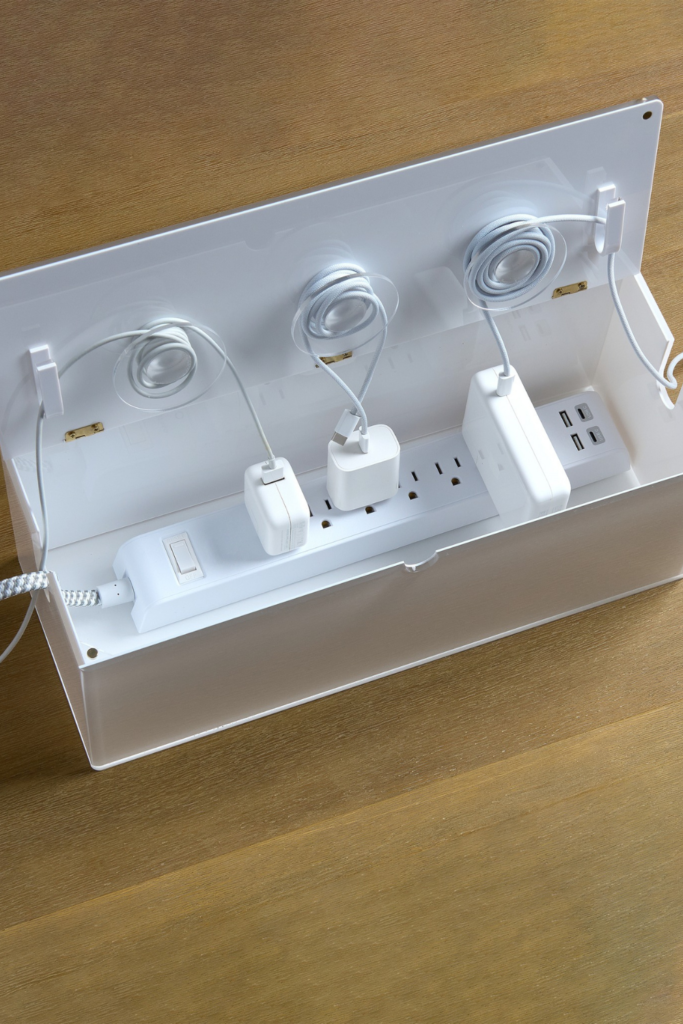
Cable Box Station
Power strips look chaotic when cords spill in every direction. Turn the mess into a clean station by housing.
Everything inside a cable box and routing cords through dedicated exits, works best for desks, TV consoles.
Use ventilated box and short cables. Natural daylight keeps it crisp, while soft ambient light maintains a clean.
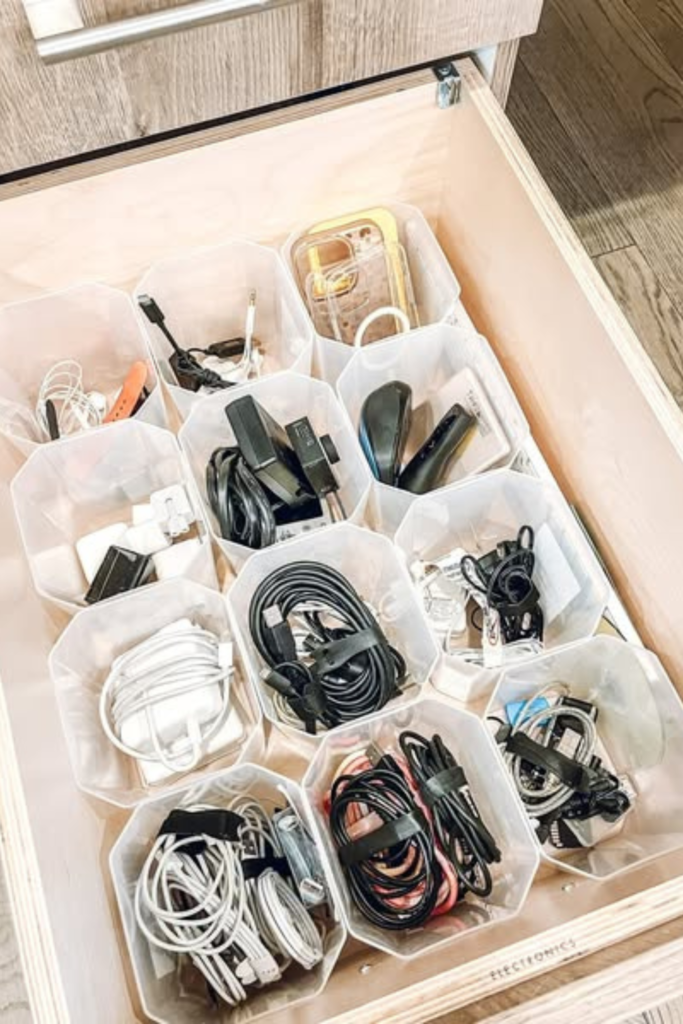
Modular Drawer Pods
Cables stay under control when each type gets its own container. Break a deep drawer into small pods.
Cords don’t mix or tangle, recreate it using fabric or plastic bins sized to the drawer, best for electronics drawers.
Overhead lighting keeps everything visible, while soft ambient light makes the setup feel clean and intentional.
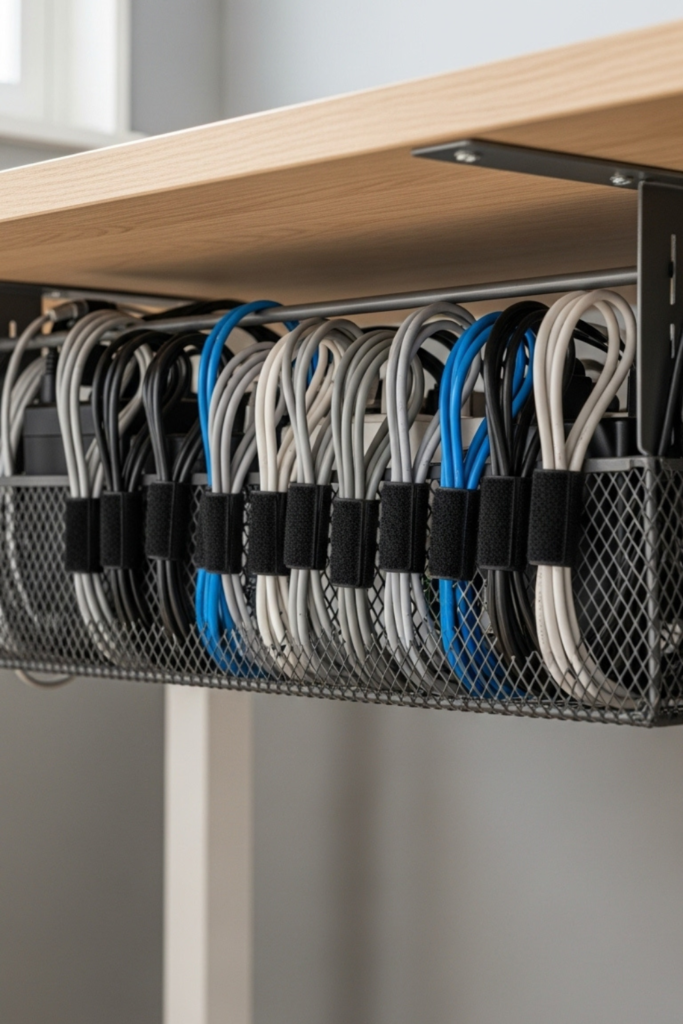
Under-Desk Tray
Cords feel out of control when they hang freely below your desk. Mount a slim tray underneath to lift power strips.
Excess cable length off the floor. Secure the tray with screws or clamps, then coil extra slack inside, this works.
Task lighting under the desk helps during setup, while cozy, soft, ambient light keeps it invisible day to day.
Cable Raceway Wall
Dangling wall cords instantly ruin a clean setup. Route cables through paintable raceways to blend them into the wall.
Measure first, cut raceways to size, and snap cords inside. Natural side light hides shadows, indirect lighting keeps lines looking intentional.
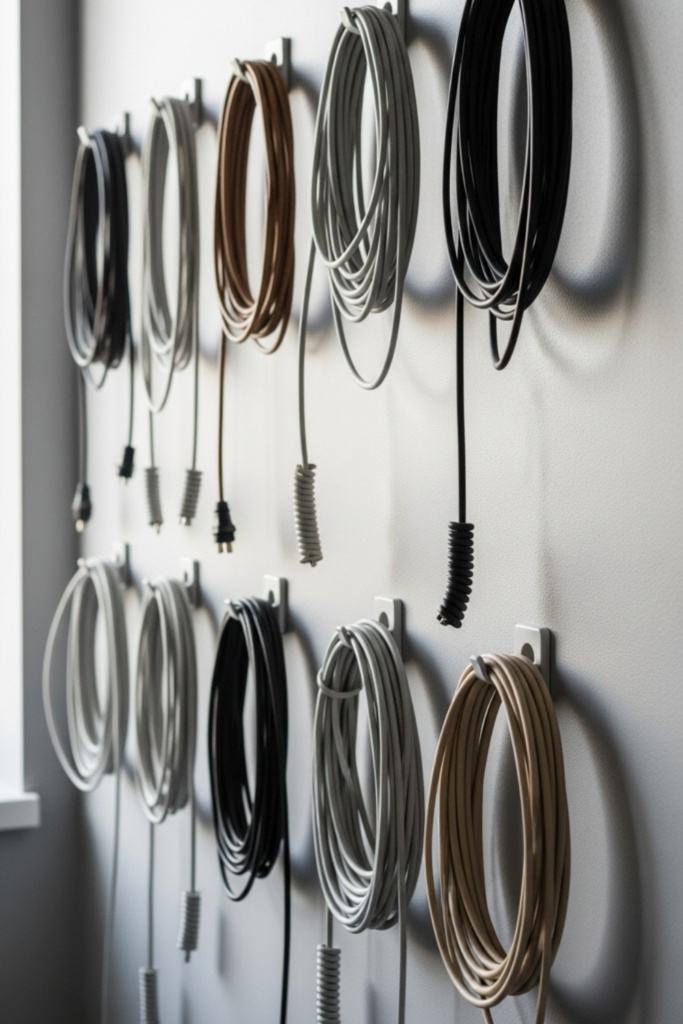
Magnetic Cord Clips
Charging cables disappear quickly when they get caught behind furniture. Lock them in place with magnetic clips near desks.
Stick clips where your hand naturally reaches. Soft bedside lighting highlights the clean edge, while ambient room light keeps cords subtle.
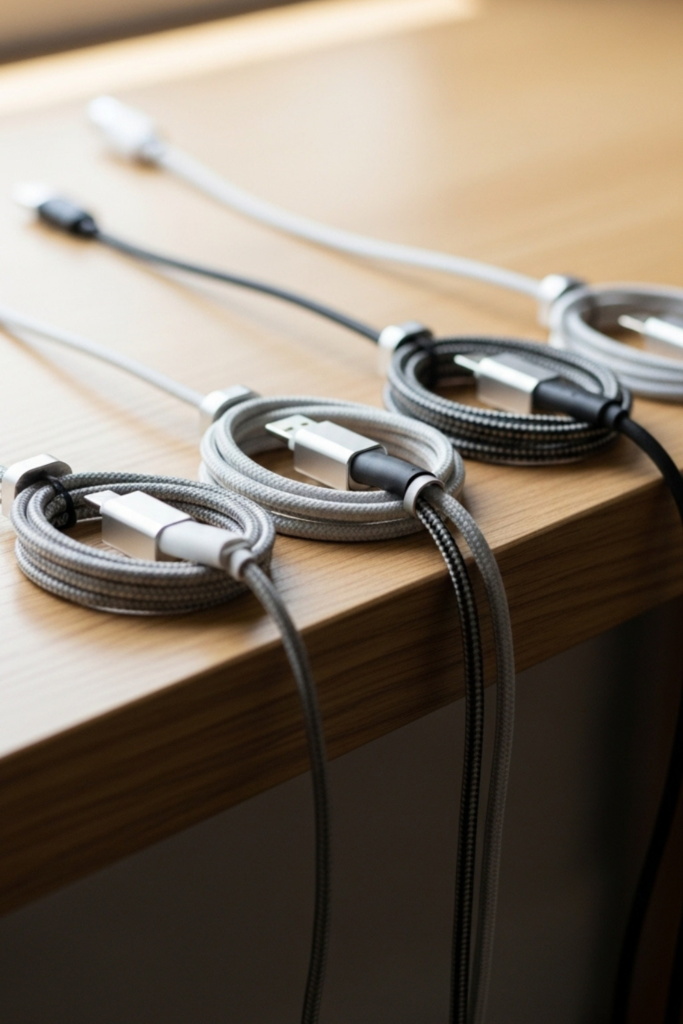
Pegboard Cable Wall
Storage runs out quickly when cords live only in drawers. Hang frequently used cables on a pegboard.
So each one stays visible and untangled. This works best for garages, studios, or tech closets, use hooks.
Sized to cable thickness. Bright task lighting makes grabbing easy, while overhead light keeps the wall organized.
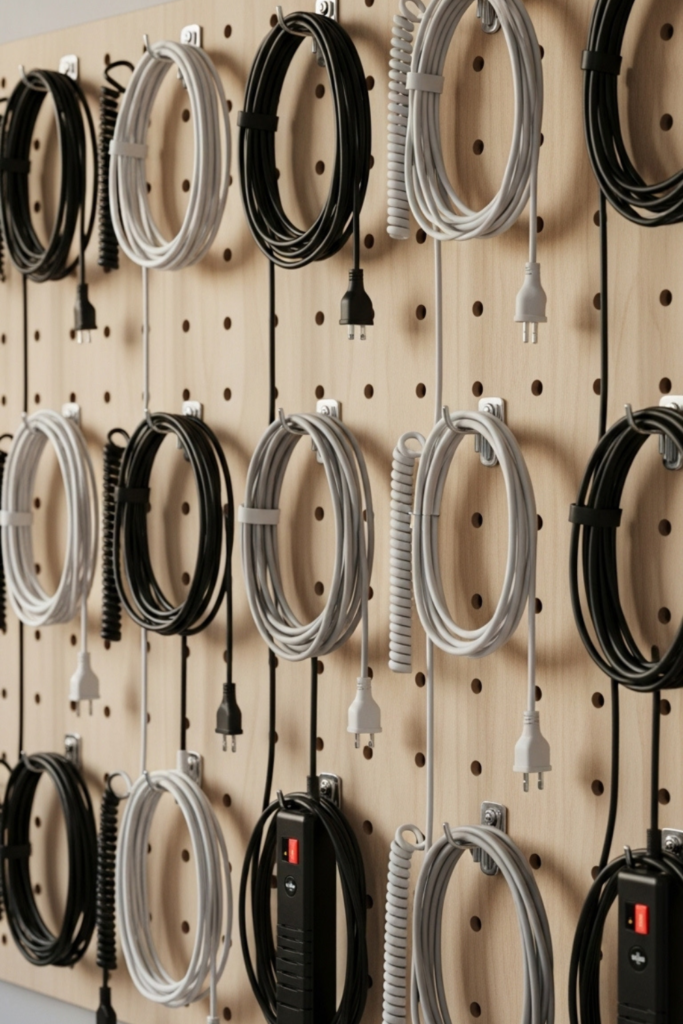
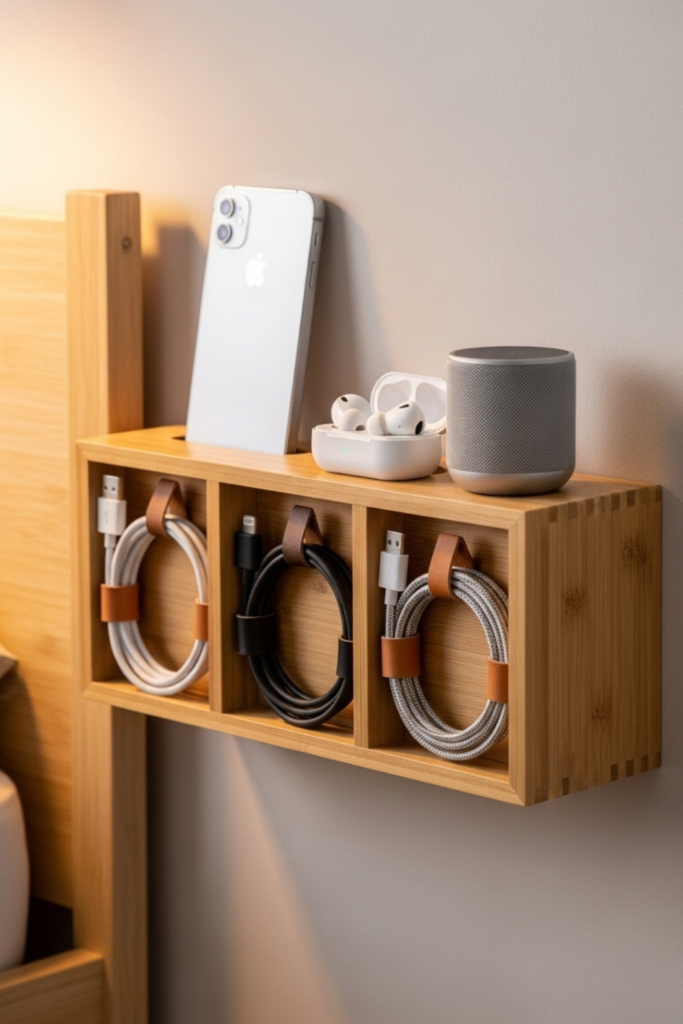
Bedside Charging Shelf
Nightstands clutter fast with loose chargers. Mount a small shelf with built-in cord slots to lift everything off the surface.
Route cords through the back and keep only short cables visible. Warm bedside lighting keeps the setup calm and intentional.
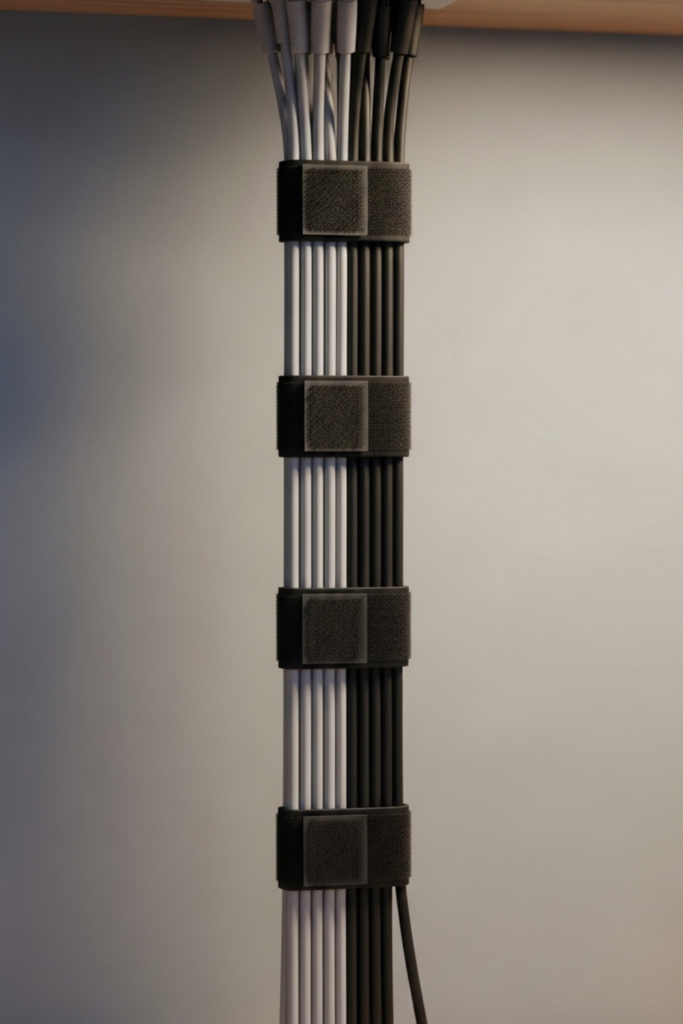
Velcro Cable Spine
Long cables turn messy when slack spreads everywhere. Create a single cable spine using Velcro straps to bundle cords vertically.
Anchor the spine at the top, then add cords as needed. Soft ambient light hides the bundle, while indirect light keeps the area clean.
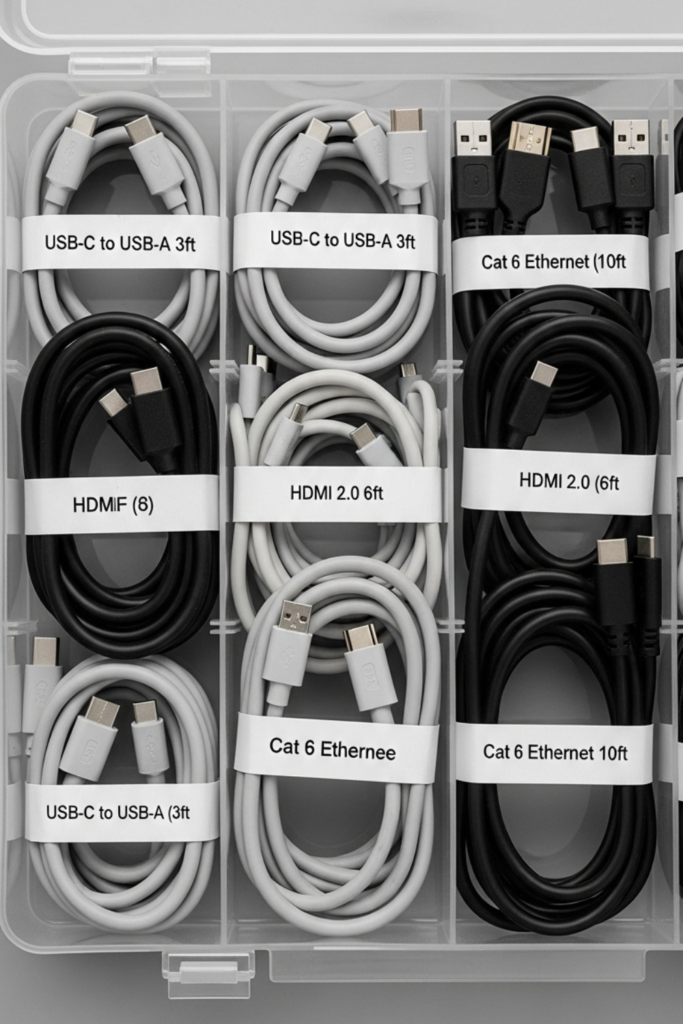
Label Both Ends
Confusion starts when both ends of a cable look identical. Label each end so unplugging and reconnecting stay effortless.
Use small wrap labels near connectors. Even overhead lighting keeps text readable this works best for office, servers, or shared setups.
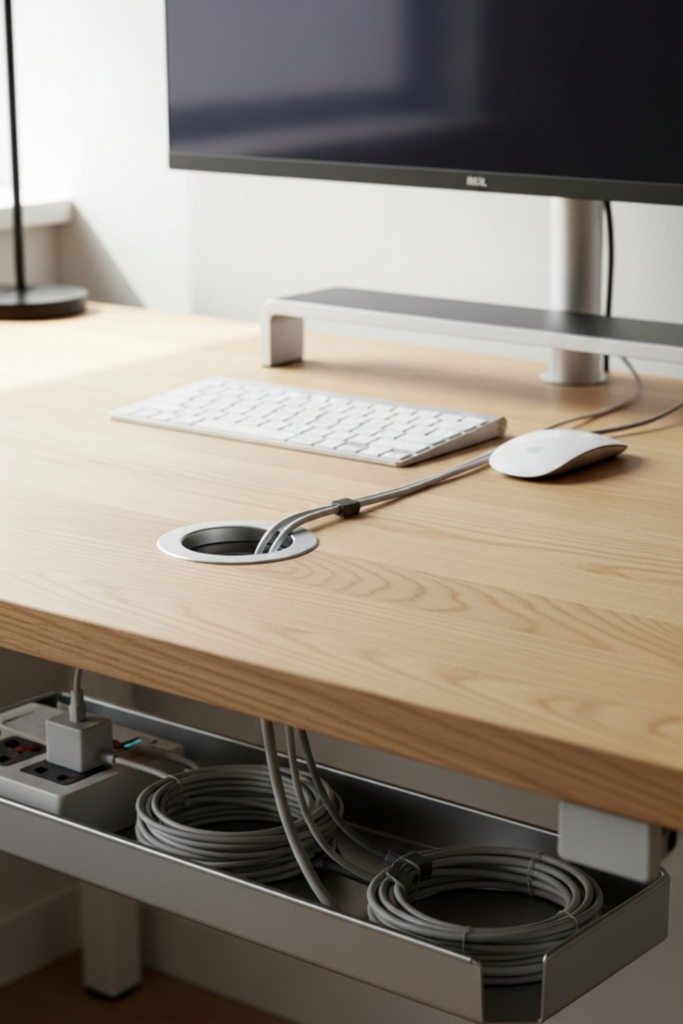
Furniture Cable Grommet
Cords pile up when desks lack exit points. Add grommets so cables drop straight down instead of bending around edges.
Drill once, insert the grommet, and route cables cleanly. Top-down task lighting highlights the surface while cords stay hidden.
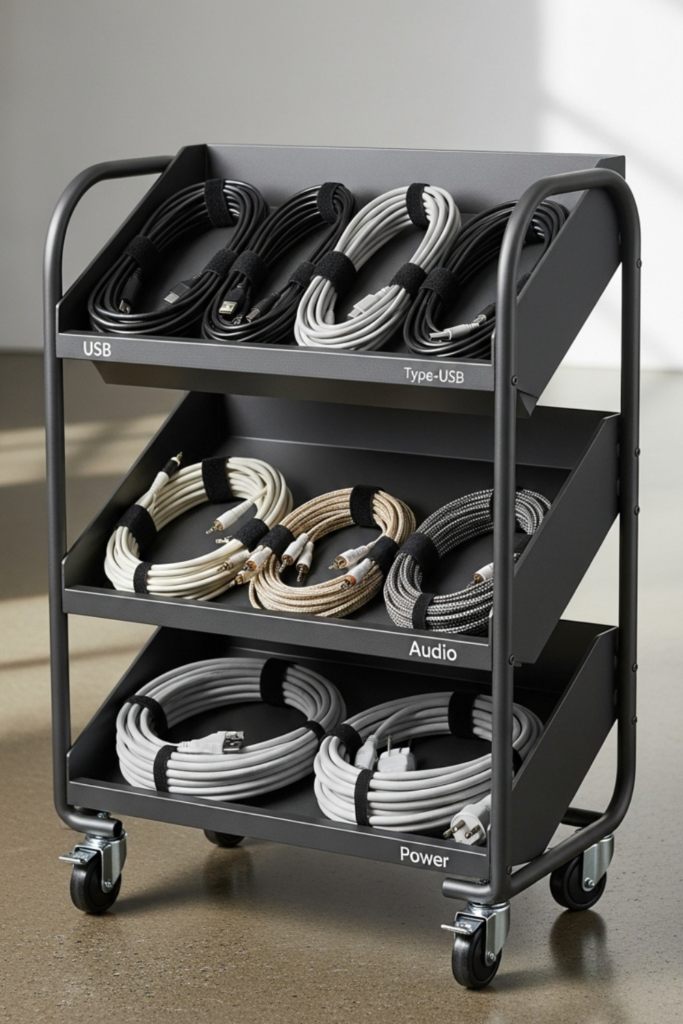
Rolling Cable Cart
Tech moves often when you work across rooms. Store chargers and power strips on a small rolling cart so everything travels together.
Secure cords with ties and keep outlets accessible. Ambient room lighting keeps the cart discreet and functional, works best for homes.
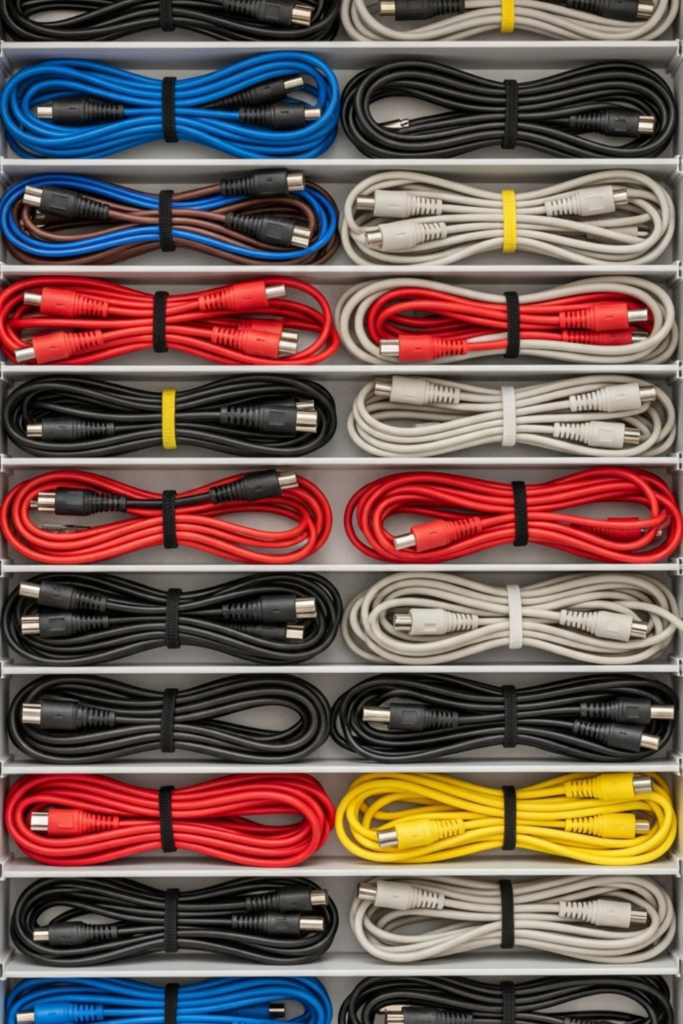
Color-Coded Cables
Mistakes happen when every cable looks the same. Assign colors by device or room so identification is instant.
Use colored ties or sleeves instead of replacing cables. Balanced lighting keeps colors readable without overpowering the space.
FAQs
How to make cords less messy?
Cords get messy when they don’t have a clear path or purpose. Start by unplugging everything and removing cables you no longer use.
Group the remaining cords by where they’re used, then decide where each group should run so they stay out of the way.
Use clips, ties, trays, or boxes to control slack and prevent tangling. Once every cord has a place, the mess stops coming back.
What are the benefits of cord management?
Good cord management makes your space easier to use and less stressful. You find the right cable faster, clean without fighting wires.
Reduce tripping or safety risks. Organized cords also protect cables from damage and make rooms look cleaner.
And more intentional. When cords stay controlled, your desk, TV area, or charging station works better every day.
You may like to read!
- 27 Pantry Organization Ideas
- 24 Family Organization Wall
- 26 Kitchen Drawer Organization
- 22 Cleaning Supplies Organization
- 25 Rolling Cart Organization

Fasial is the founder of the Fizzy Flare. He has been a passionate blogger since 2021. He ran three different websites in the past few years. Now he is focusing on Fizzy Flare to build an audience and help them organize their life.