26 DIY Dog House Ideas For 2026
This post may contain affiliate links: full affiliate disclosure.
You want to make a dog house, but you don’t want to have to guess how to do it. If the size, wood, or airflow is off, your dog might not be comfortable or, worse, never use it.
Most of the DIY dog home ideas you find online appear fine, but they don’t explain why they work.
In this article, I’ve gathered 26 modern DIY Dog House Ideas you can try without overthinking in 2026.
You’ll find out what really makes a dog home comfy, which materials are best, and how to avoid the mistakes that most people don’t even know they’re committing.
Contents
- 1 What Makes a Dog House Truly Comfortable?
- 2 What Material to Use for a Dog House?
- 2.1 Seasonal Styling
- 2.2 Holiday Theme
- 2.3 Modern Shelter
- 2.4 Crate Upgrade
- 2.5 Fabric Shelter
- 2.6 Furniture Crate
- 2.7 Wicker Retreat
- 2.8 Outdoor Kennel
- 2.9 Backyard Bedroom
- 2.10 Mobile Shelter
- 2.11 Porch Design
- 2.12 Slatted Shelter
- 2.13 Crate Corner
- 2.14 Bed Frame
- 2.15 Entry Focus
- 2.16 Built-In Nook
- 2.17 Smart Access
- 2.18 Indoor Cottage
- 2.19 Modern Porch
- 2.20 Cabinet Crate
- 2.21 Pallet Build
- 2.22 Insulated Box
- 2.23 Rooftop Deck
- 2.24 Fold Flat
- 2.25 Earth Shelter
- 2.26 Heated Den
- 3 FAQs
What Makes a Dog House Truly Comfortable?
It’s not about sophisticated design when it comes to comfort. It’s about how your dog really feels in the house. Cold and damp air can get in if the floor is on the ground.
You can remedy the problem right away by raising it. Heat builds up quickly in the house, especially in the summer, if there is no airflow.
The area becomes breathable when you add little vents. The size is important too. It won’t keep warm if it’s too big.
Your dog won’t utilize it if it’s too small. Comfort takes care of itself when you balance size, ventilation, elevation, and shelter.
Save this article for later! 👇👇

What Material to Use for a Dog House?
The material you use will affect how long the dog home lasts and how cozy it is. Wood is the greatest choice as it stays less hot in the summer compared to in the wintertime.
Plastic that is thin warms up quickly and breaks over time. Metal looks tough, but when the sun shines on it, it gets hot.
If you utilize wood, don’t use scraps that haven’t been treated and soak up water. Plywood with a sealed finish that is made for the outside can tolerate the weather better.
The appropriate material keeps the inside dry, prevents you from having to make repairs, and lets you use the house all year.
Seasonal Styling
Seasonal décor works best indoors, where soft details stay clean and safe. A basic wooden dog house turns into a cozy corner once you add a plush base, a personalized name sign.
And light ornaments on the roof. Make sure everything can be taken apart so that cleaning is easy.
This solution works for tiny dogs and homes where the dog house needs to blend in with the rest of the house without looking out of place.

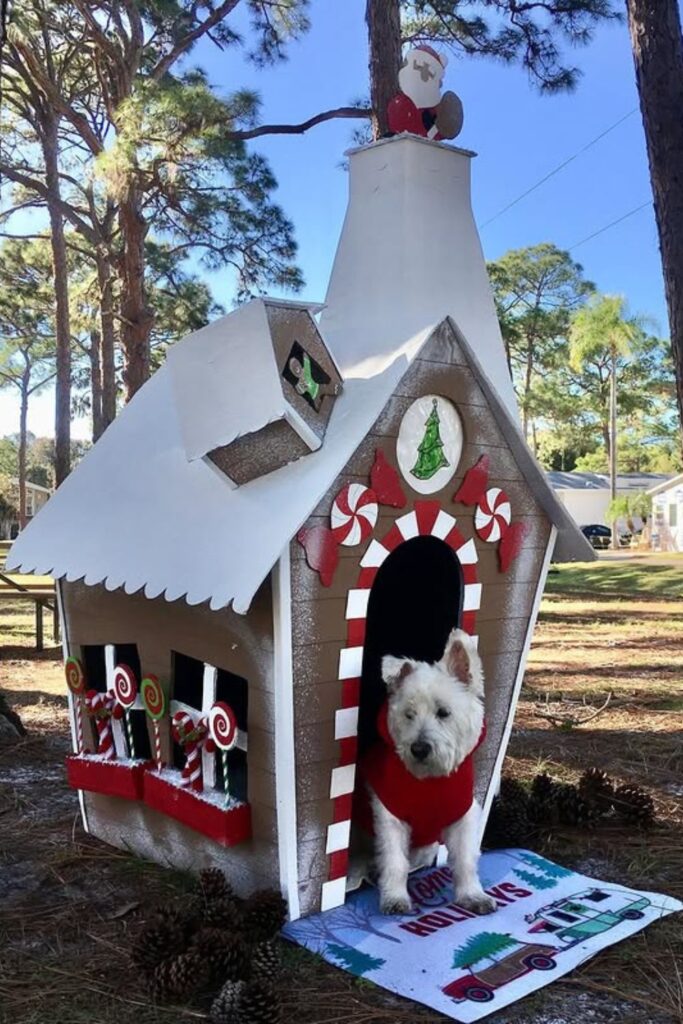
Holiday Theme
Festive builds shine in outdoor yards where bold details won’t overwhelm the space. Candy-striped trim, cutout windows.
And a fake chimney may make a simple wooden building look like a festive attraction. Use external paint, lightweight foam decorations.
And sealed edges to make it again so that rain can’t get in. Keep the inside simple and warm so that comfort is the most important thing, and the exterior is where the enjoyment is.
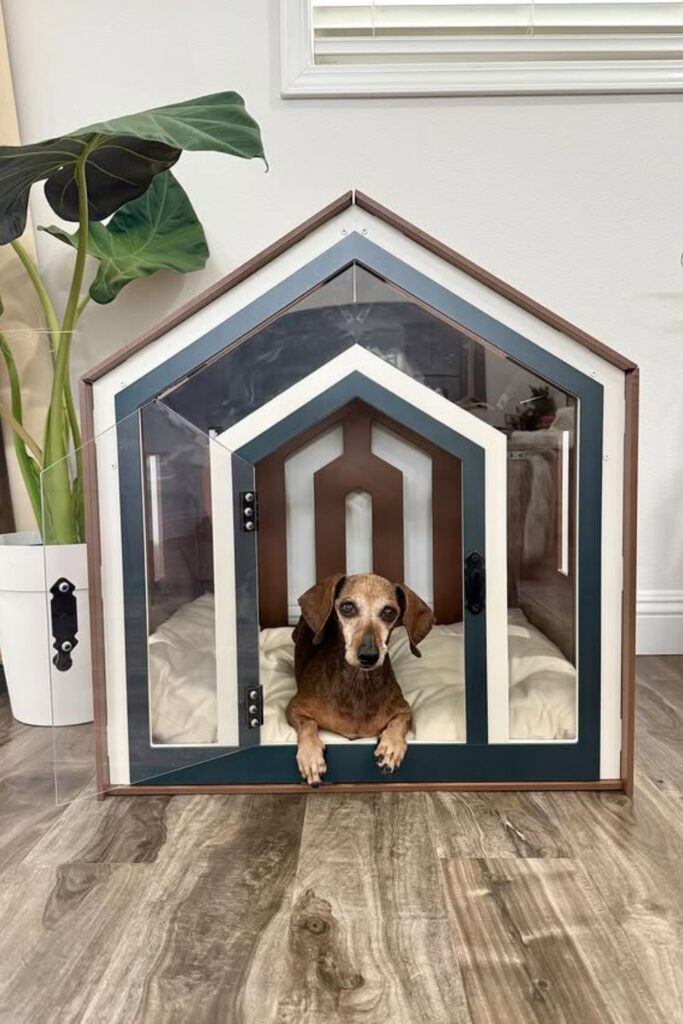
Modern Shelter
Clean lines and layered framing make this style feel more like furniture than a pet accessory.
Clear panels are great for inside because they let in light but keep out drafts. Use plywood, acrylic sheets, and a simple gable form to make the look again.
The neutral hues make it fit well with modern houses, and the big cushion inside keeps it comfortable without making it look cluttered.
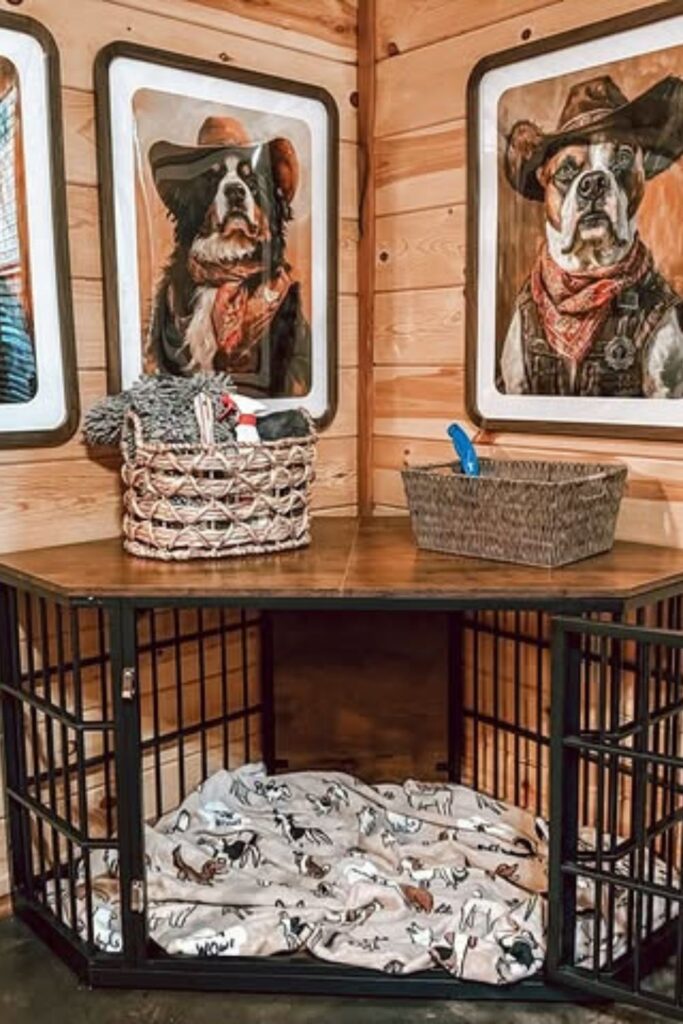
Crate Upgrade
Furniture-style crates solve the problem of ugly wire cages sitting in living spaces.
You can keep your dog safe by turning a metal crate into a table with a wood frame. This gives you space to use on top.
To make it again, use plywood panels, corner brackets, and a solid wood top. This design works well indoors for calm dogs that are already used to being in a crate.
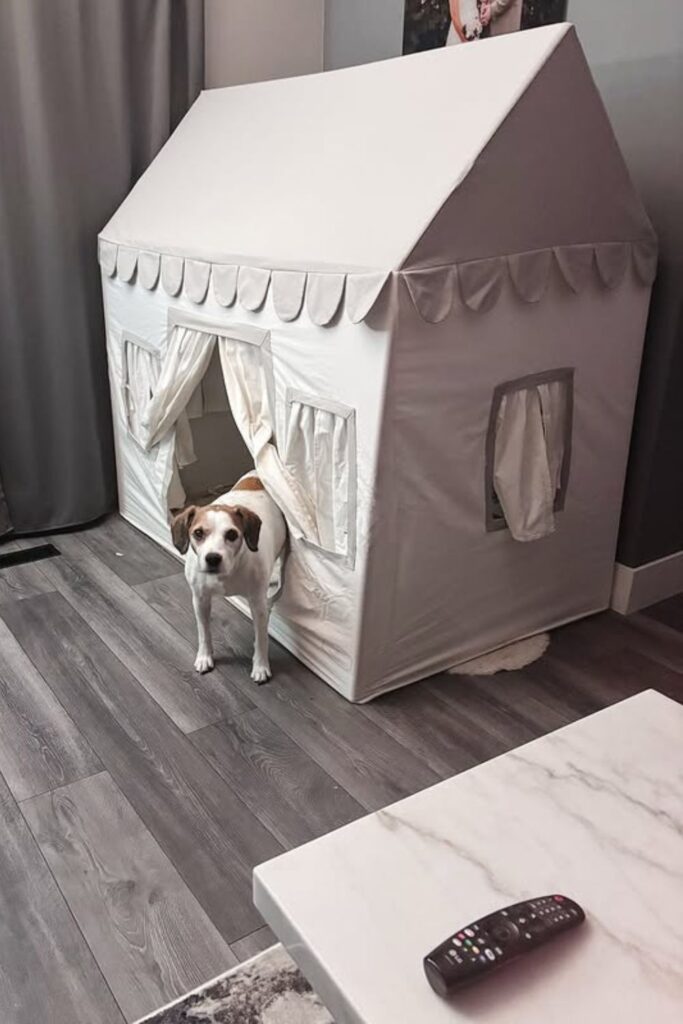
Fabric Shelter
Soft-sided builds make sense for indoor dogs that want a quiet, den-like space. A lightweight frame paired with washable fabric panels keeps things simple and flexible.
Use PVC pipes or a foldable frame to make it again, and then drape strong cloth over it.
Curtains at the entryway provide you privacy while still letting air flow through. This makes them great for apartments or rental homes.
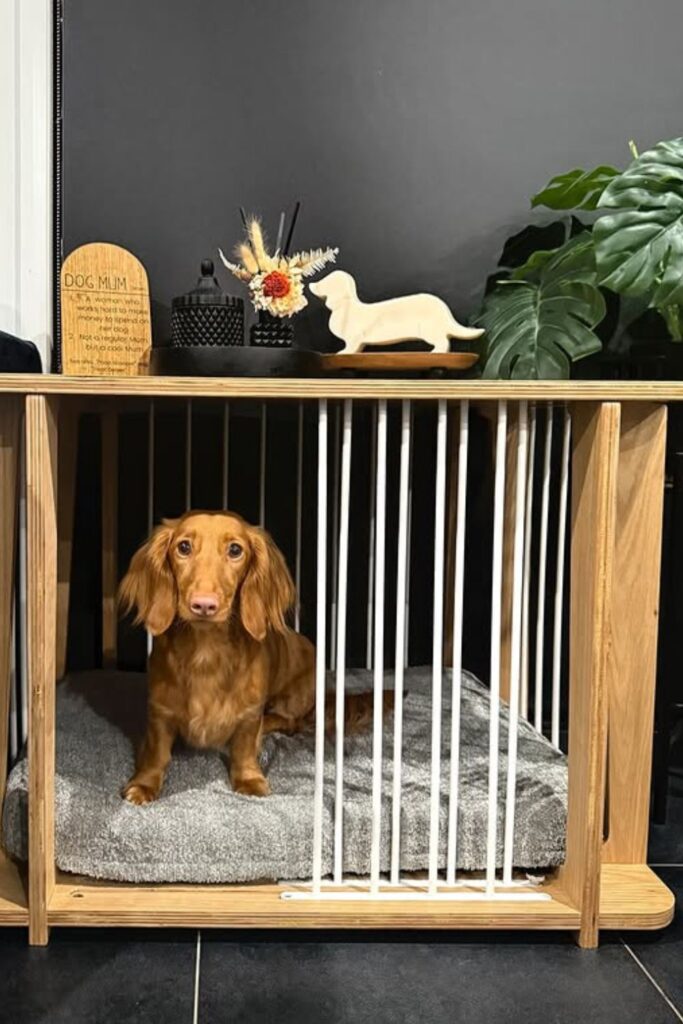
Furniture Crate
Living rooms benefit from dog spaces that don’t look like pet gear. A wooden frame with vertical bars keeps airflow open while doubling as a side table or console.
Use hardwood panels, dowels or metal rods, and a strong top that can hold decorations to make it.
This system works well indoors for little canines and in shared spaces where every element needs to prove itself.
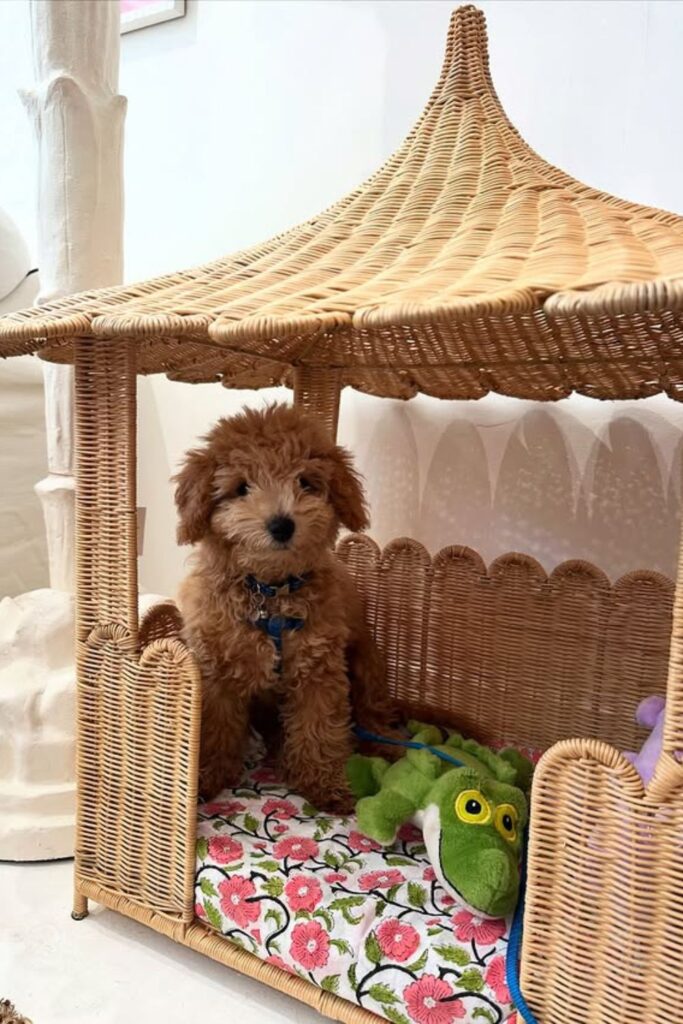
Wicker Retreat
Natural textures bring warmth to indoor corners where wood might feel too heavy. Wicker framing keeps the structure breathable while still giving a sheltered, nest-like feel.
You may do the same thing using a woven rattan foundation or by wrapping cane around a light frame.
Add a large cushion inside to make it more comfortable and balance out the airy design. This makes it perfect for little dogs that only live indoors.
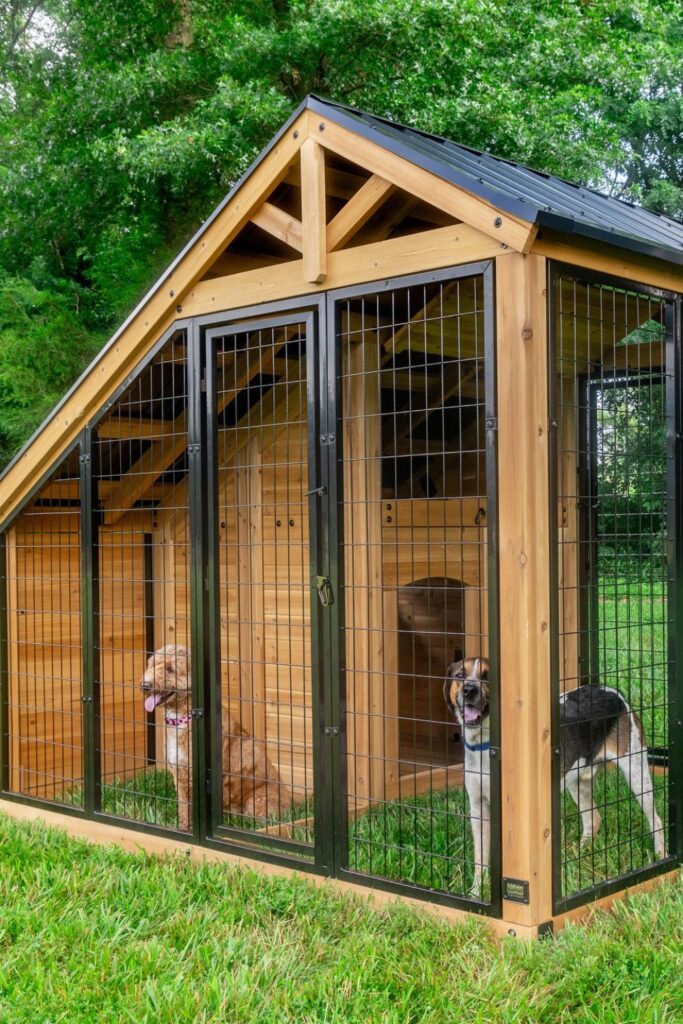
Outdoor Kennel
Space becomes the real advantage with a combined house-and-run setup. A covered sleeping area attached to an open enclosure lets dogs move freely without leaving the yard.
Use pressure-treated wood, welded wire panels, and a slanted metal roof to make it again.
This construction is perfect for big or active dogs that spend a lot of time outside and require a place to stay without feeling trapped.
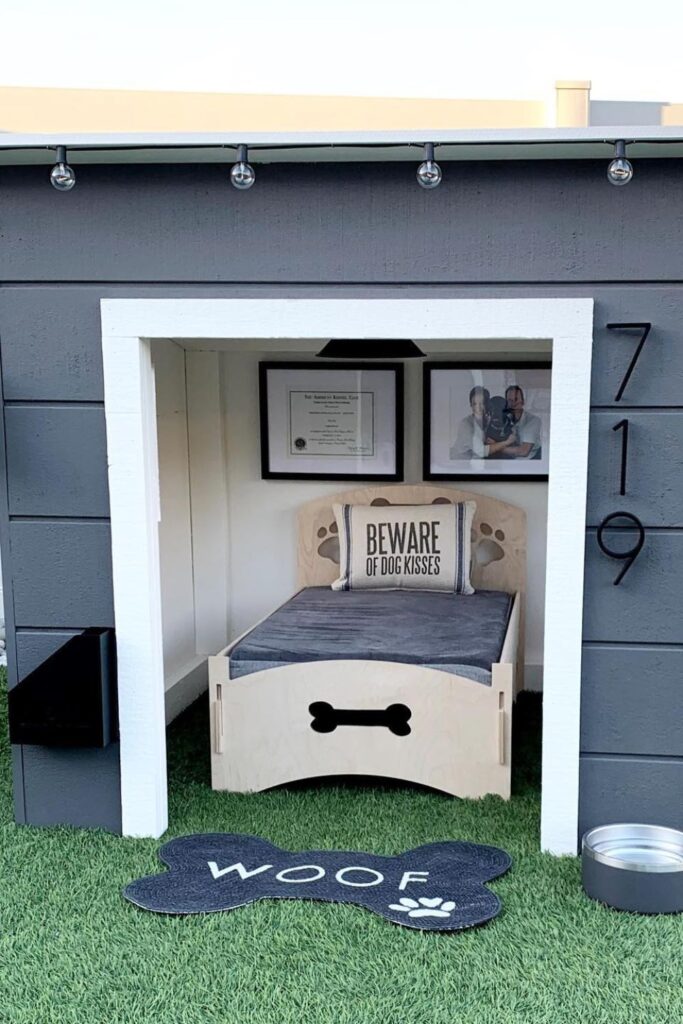
Backyard Bedroom
House-style builds work well outdoors when comfort gets treated like a priority, not an extra. And a deep entrance, real bedding and raised floor turn the space into a true rest zone.
Make it again with wood that can stand up to the weather, sealed seams, and a large roof overhang to keep the rain out.
This design works well for fenced-in yards where the dog can spend the day outside in peace.
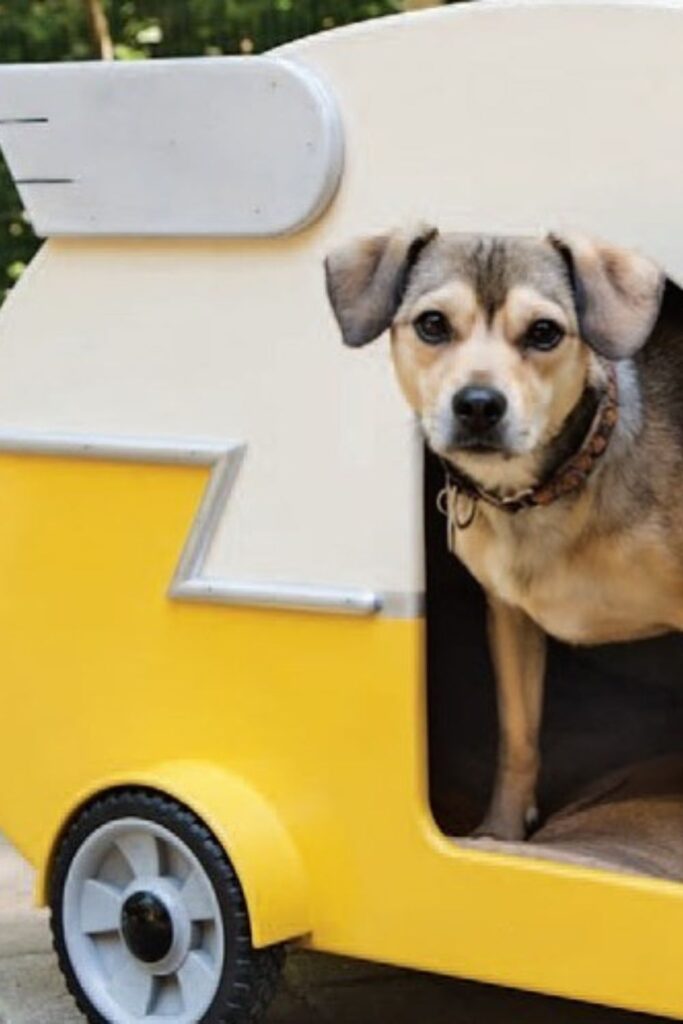
Mobile Shelter
Movement becomes the main advantage with a rolling dog house. Wheels make it easy to shift shade during hot days or move the shelter under cover when weather turns bad.
Use a light wooden shell, external paint, and lockable caster wheels to make the idea come to life again.
This configuration works well on patios or yards where flexibility is more important than permanence. It suits medium-sized dogs.
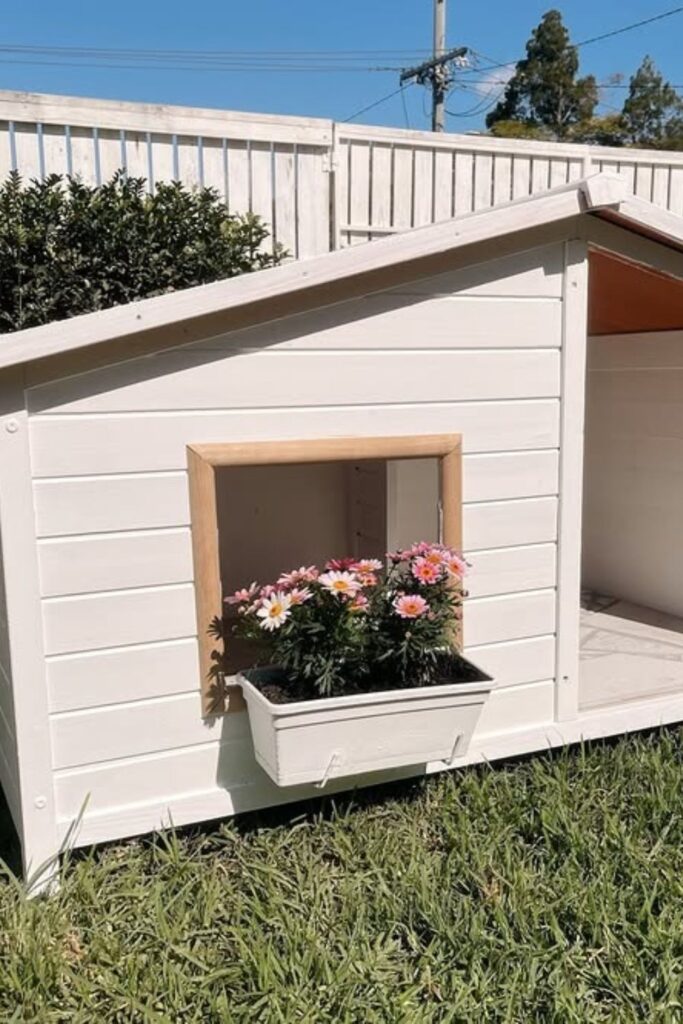
Porch Design
Covered side sections add flexibility without increasing the footprint. One enclosed area gives shelter, while the open porch creates shade and airflow during warmer days.
Use exterior-grade wood, a split-roof design, and a base that is slightly raised to keep water out.
This plan works well for backyards because dogs want to move around and find new places to rest without leaving their area.
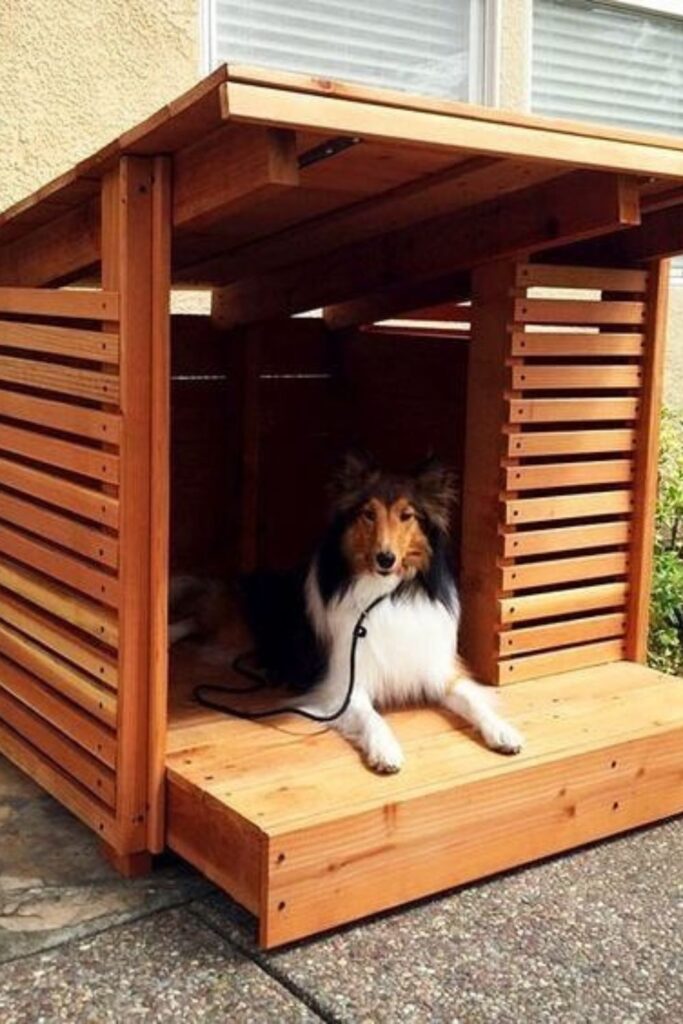
Slatted Shelter
Airflow takes the lead with a slatted build like this. Spaced wooden panels block direct sun while letting heat escape from all sides.
Use exterior-grade wood, a split-roof design, and a base that is slightly raised to keep water out.
This plan works well for backyards because dogs want to move around and find new places to rest without leaving their area.
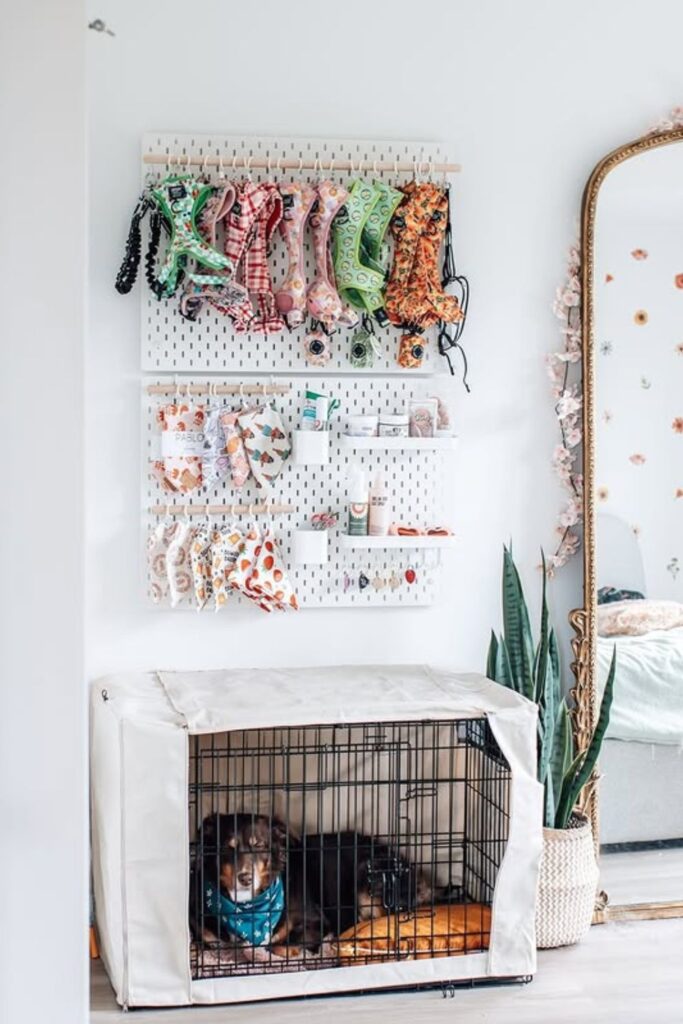
Crate Corner
In configurations like this, storage and shelter fit together perfectly. A wire crate becomes a peaceful place to rest when you add a fitted fabric cover and keep materials organized on top of it.
Make it again with a cover that lets air through, a pegboard on the wall, and soft bedding inside.
This is great for small homes where dog gear needs a clear location but doesn’t take up too much room.
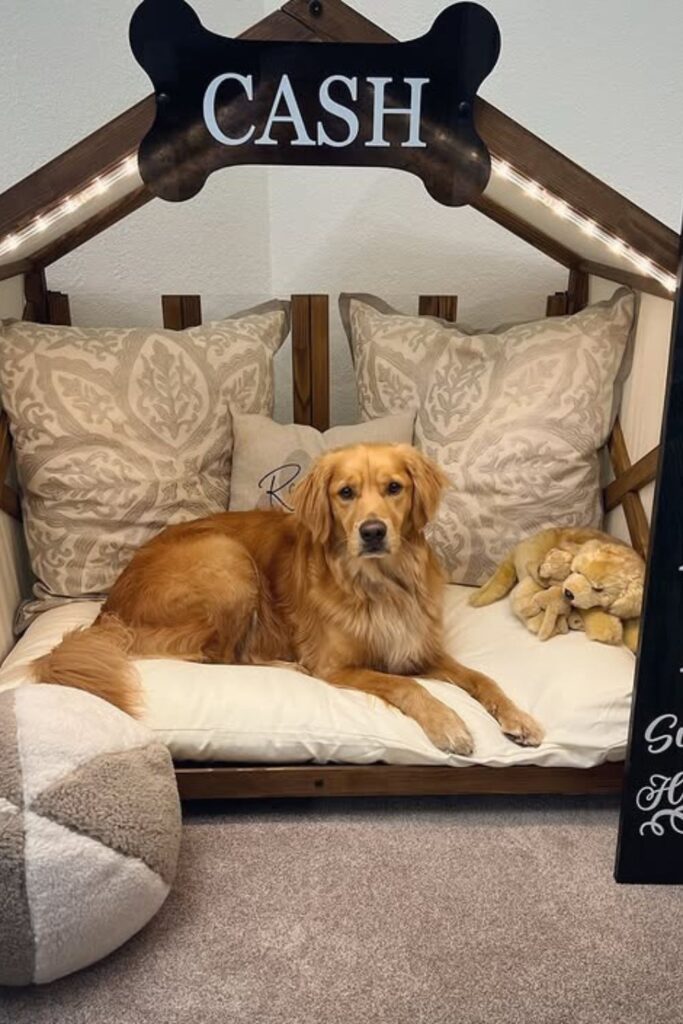
Bed Frame
Sleeping comfort comes first with house-shaped bed frames like this. The structure gives a sense of enclosure, while the open front keeps it inviting instead of cramped.
Use inexpensive lumber, a minimal roof outline, and LED strips for mild illumination to make it again.
This approach works for indoor dogs that like beds but feel more at ease when they have a clear, den-like space surrounding them.
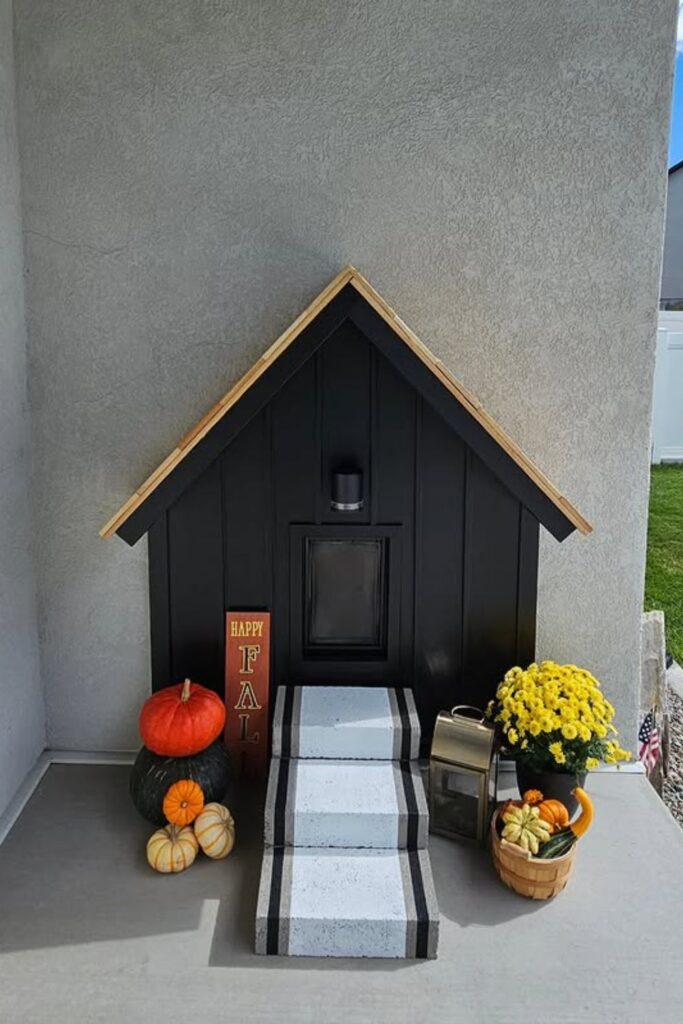
Entry Focus
Putting a dog house on the front porch makes it feel like a part of the house instead of something you forgot about.
A little building with a door in the middle fits nicely in tight spaces outside and still looks like it was planned.
To make it look like it did before, use painted outside panels, a steep roofline, and a small slope.
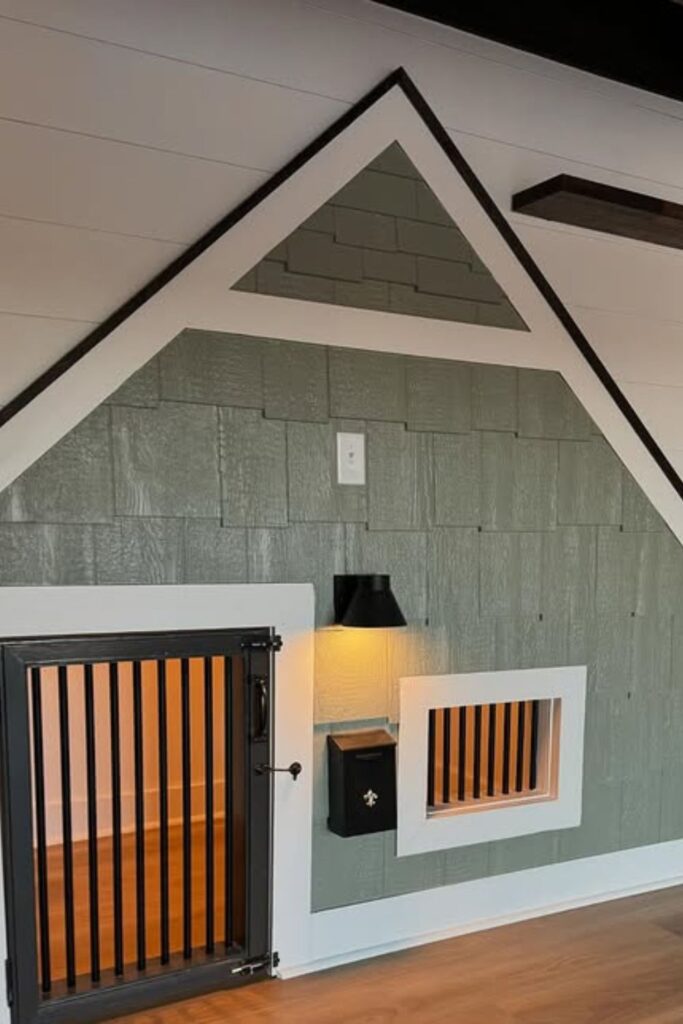
Built-In Nook
Unused space finally gets a purpose with an under-stair dog house like this. Framing the opening into the wall creates a permanent.
A quiet place to get away that feels planned rather than thrown together. Put up a fence around the area, add a gate.
And cover the inside with strong flooring and comfortable bedding to make it again. This layout is great for dogs that like to snooze in quiet, low-traffic areas inside.
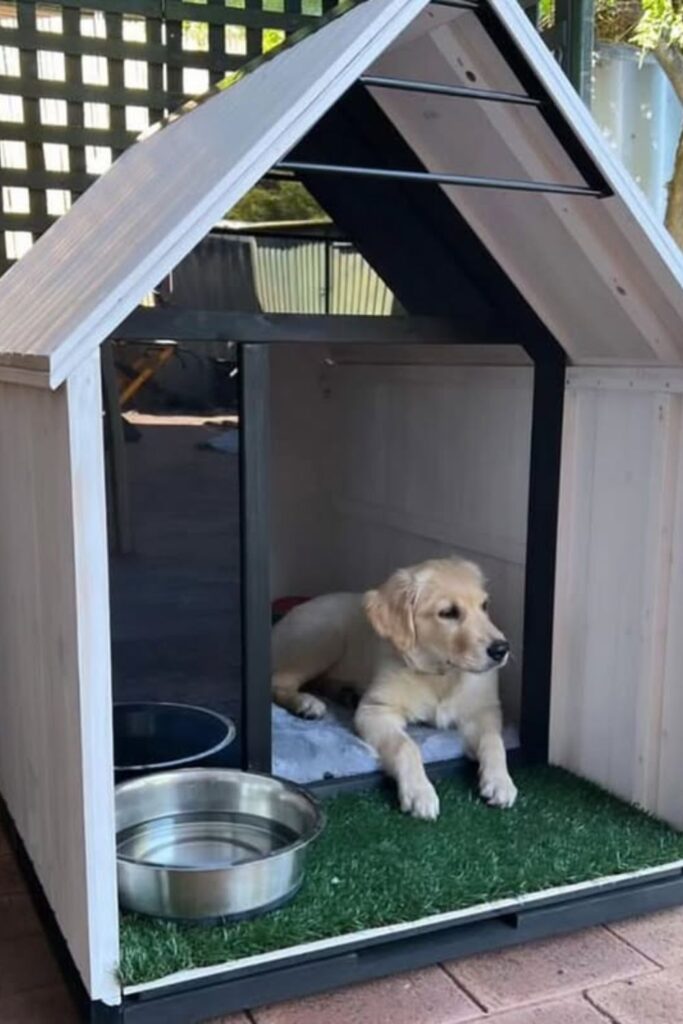
Smart Access
Easy cleaning drives this design. A wide front opening and hinged roof panels let you reach every corner without dragging the house around.
Use a simple gable frame, outside panels, and roof parts that lift up and are held in place by support arms to make it again.
This structure works well for outdoor use where cleanliness is important and bigger dogs require room to move about without having to squeeze through small doors.
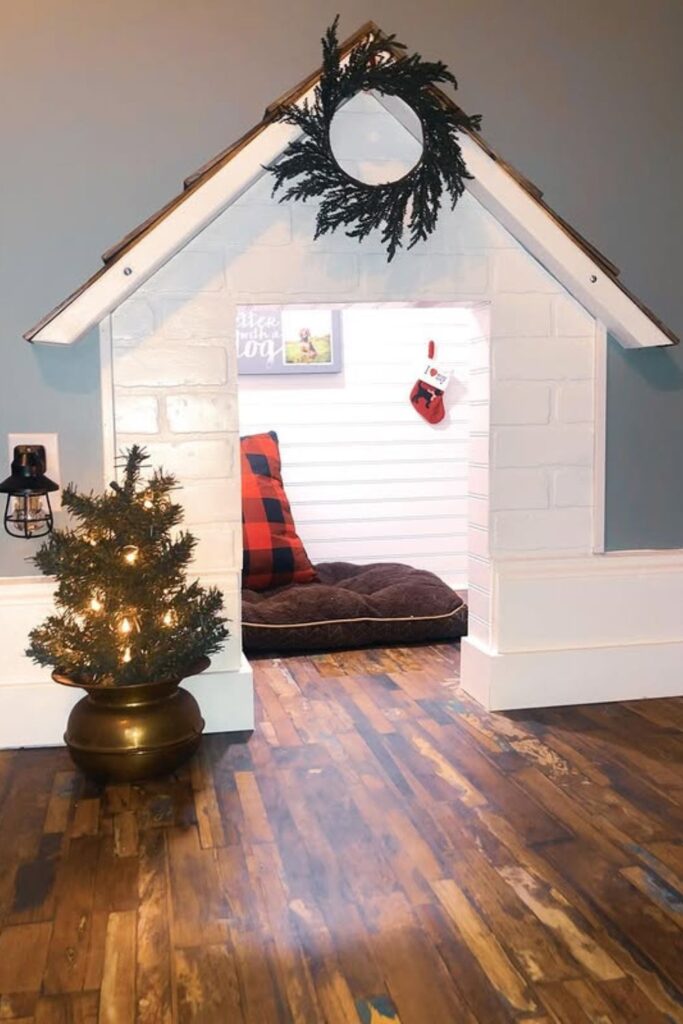
Indoor Cottage
Dog houses that are built into walls convert empty areas into useful spaces. A big aperture makes it welcoming, and sturdy walls make dogs feel safe without making them feel trapped.
To make this, put a simple home form against the wall, add paneling or faux brick for texture, and finish with soft lighting.
This notion works for dogs that live inside and appreciate peaceful, cozy places that aren’t too busy.
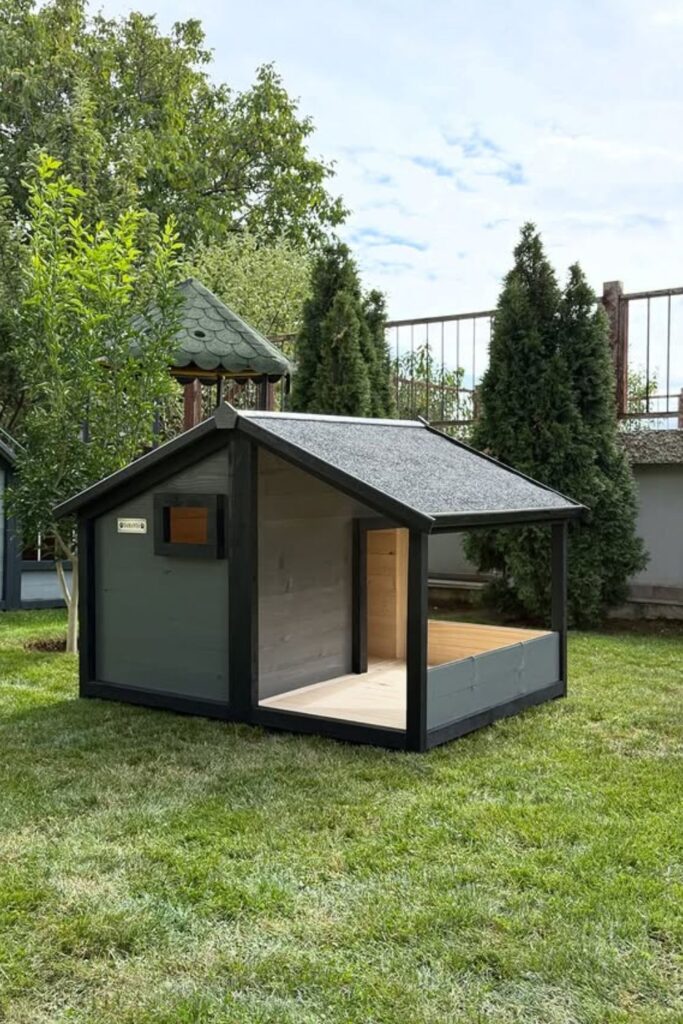
Modern Porch
Shelter and openness work together in designs like this. A solid enclosed section gives protection, while the extended porch creates shade and airflow during warmer hours.
Use panels that are made for the outside, a slanted roof, and a raised deck bottom to keep water out.
This system is good for medium to large dogs and works best in backyards where dogs can relax outside but still have room to move about.
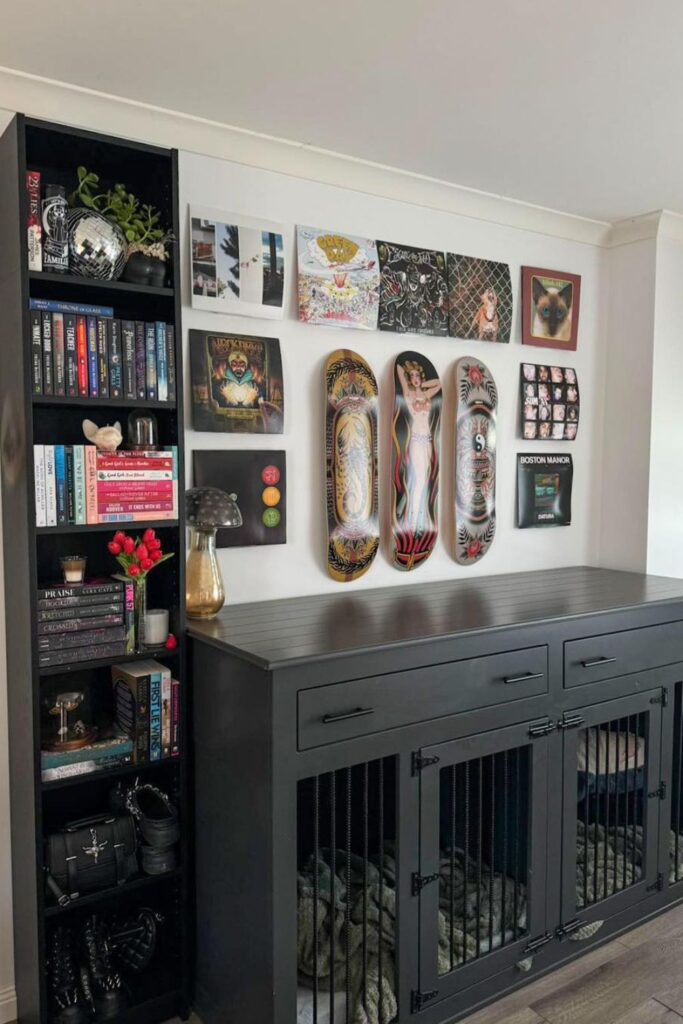
Cabinet Crate
Hidden functionality makes this setup work. A long cabinet disguises multiple crates while offering real storage on top and shelves at the side.
Use plywood panels, metal box doors, and a strong surface that can hold books or decorations to make it.
This idea works for shared living rooms when pets need their own place but don’t want to make the whole room a pet zone.
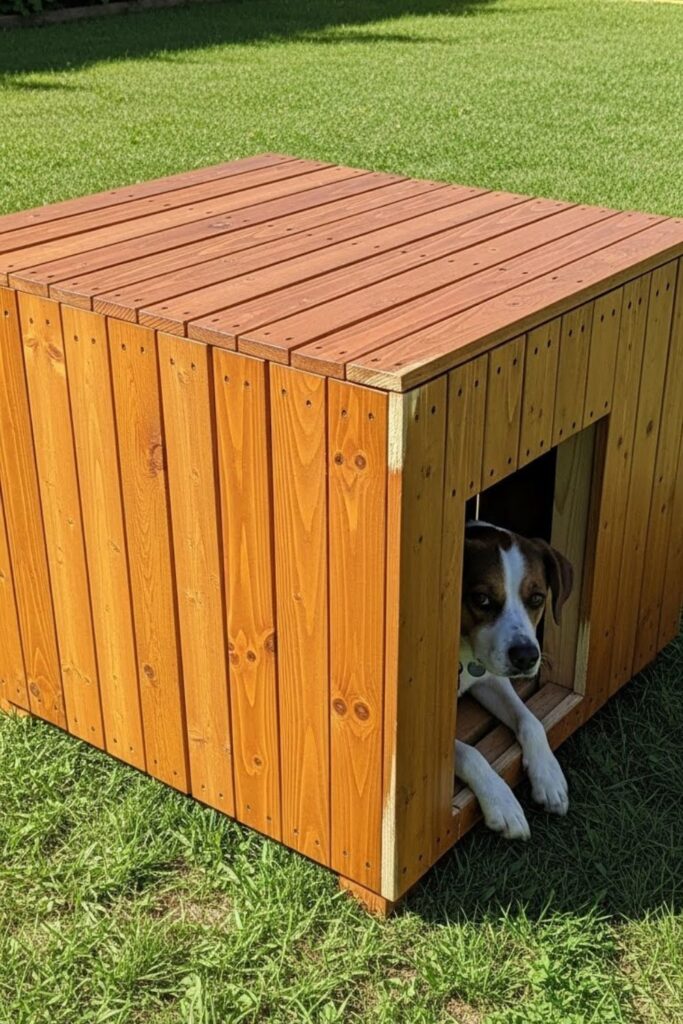
Pallet Build
Budget builds work when structure comes first. Pallet wood holds up well outdoors if gaps stay tight and boards get sealed properly.
Before putting them together, take the pallets apart completely, sand them smooth, and make sure each component is waterproof.
This design is good for backyards where looks aren’t as important as affordability and the goal is to have a sturdy shelter that can endure everyday wear and tear without breaking apart.
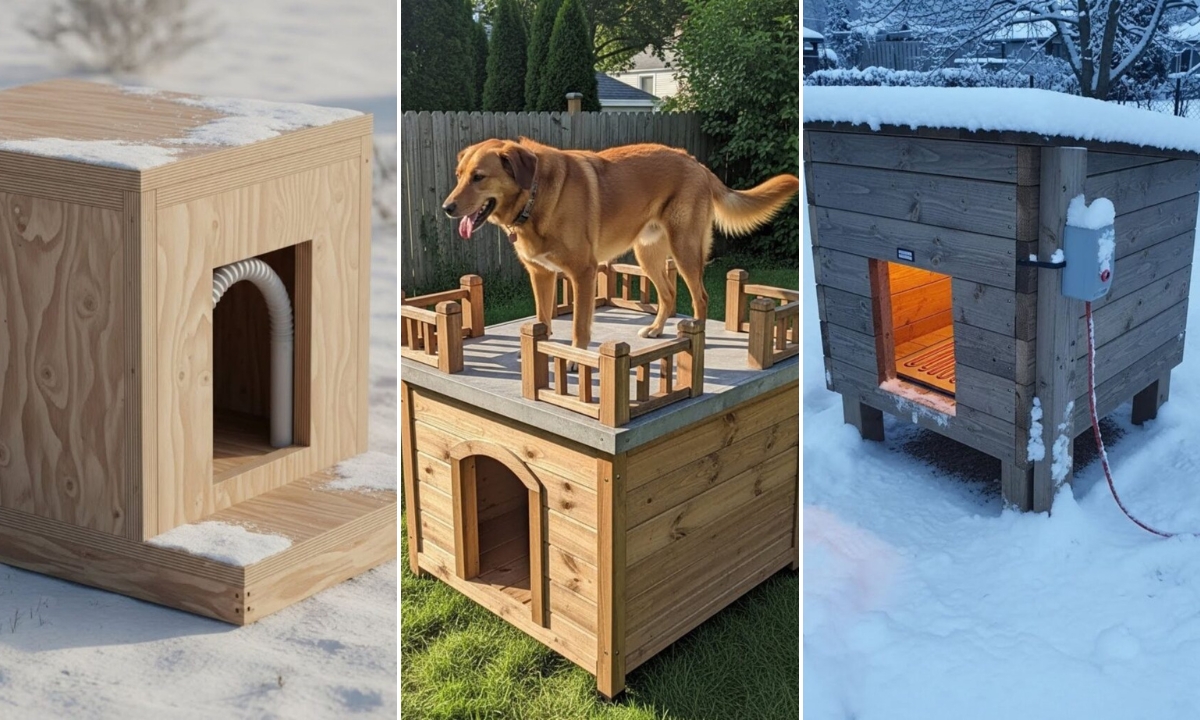
Insulated Box
Cold weather rewards simple shapes. A compact box holds warmth far better than complex designs with extra corners.
Foam board between plywood walls keeps heat in, and a smaller door cuts down on drafts. Adding a door flap that can move makes it much more comfortable.
This construction is good for places with cold winters when insulation does most of the work without heaters.
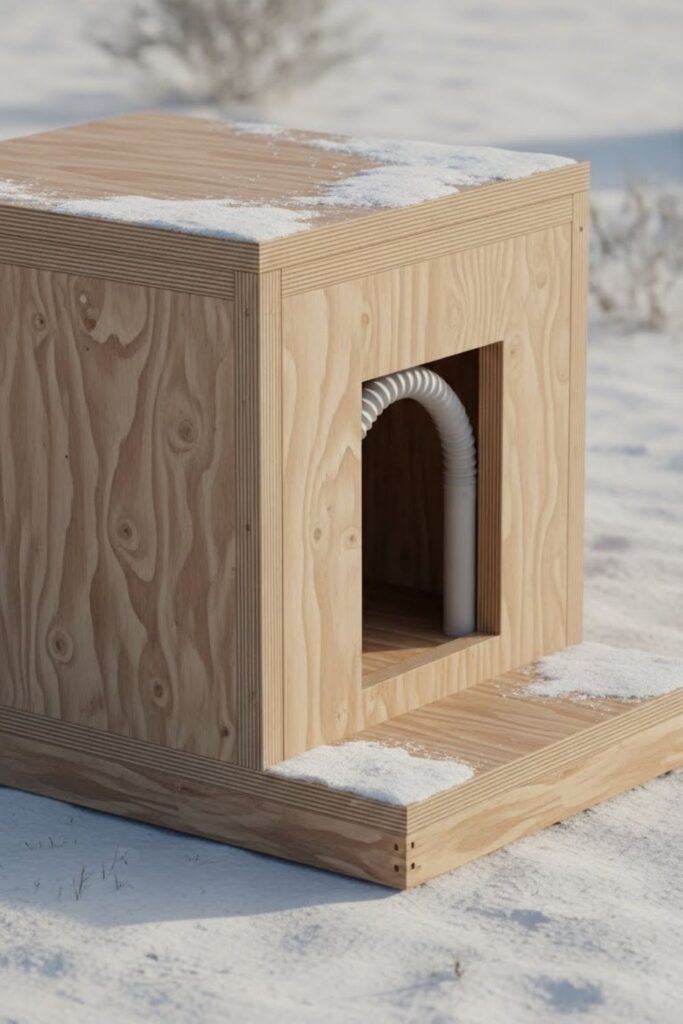
Rooftop Deck
Dogs stay longer when they are taller. The flat, reinforced roof serves as a place to rest, and the covered area below keeps safe.
For safety, add low edge rails, make the top structure stronger, and seal all surfaces to keep moisture out.
This pattern is perfect for dogs that want to be up high and gated yards.
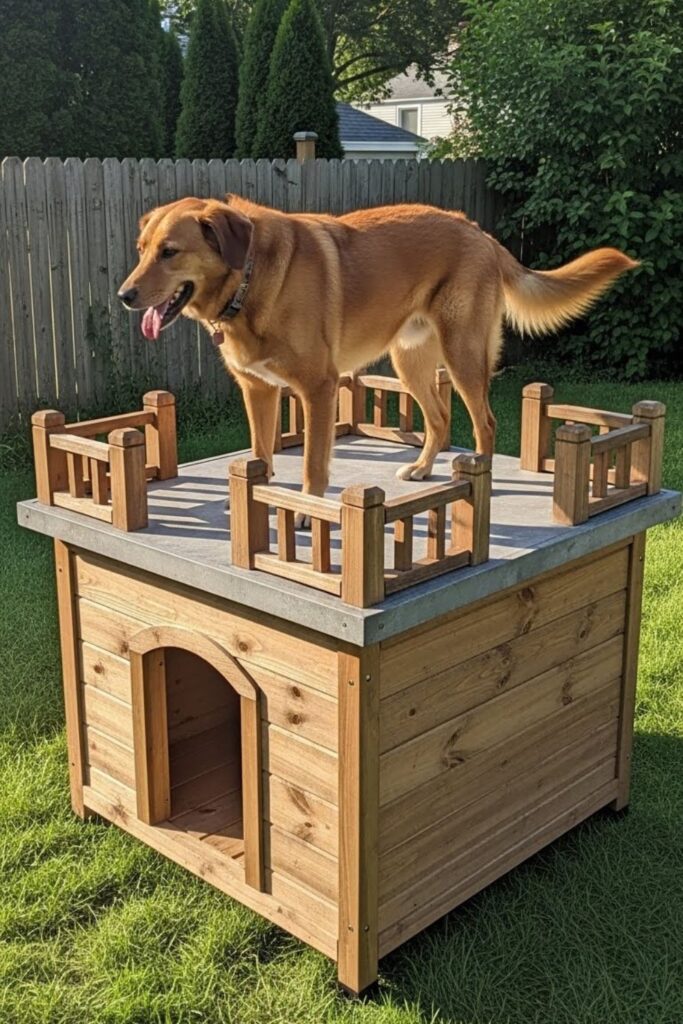
Fold Flat
Limited space changes how you build. Hinged panels allow the dog house to collapse when it’s not needed, freeing up storage instantly.
The construction is strong but easy to move because it is made of lightweight plywood, piano hinges, and a roof that can be taken off.
This method works well for renters or people who need a temporary arrangement when flexibility is more important than a permanent fixture in the backyard.
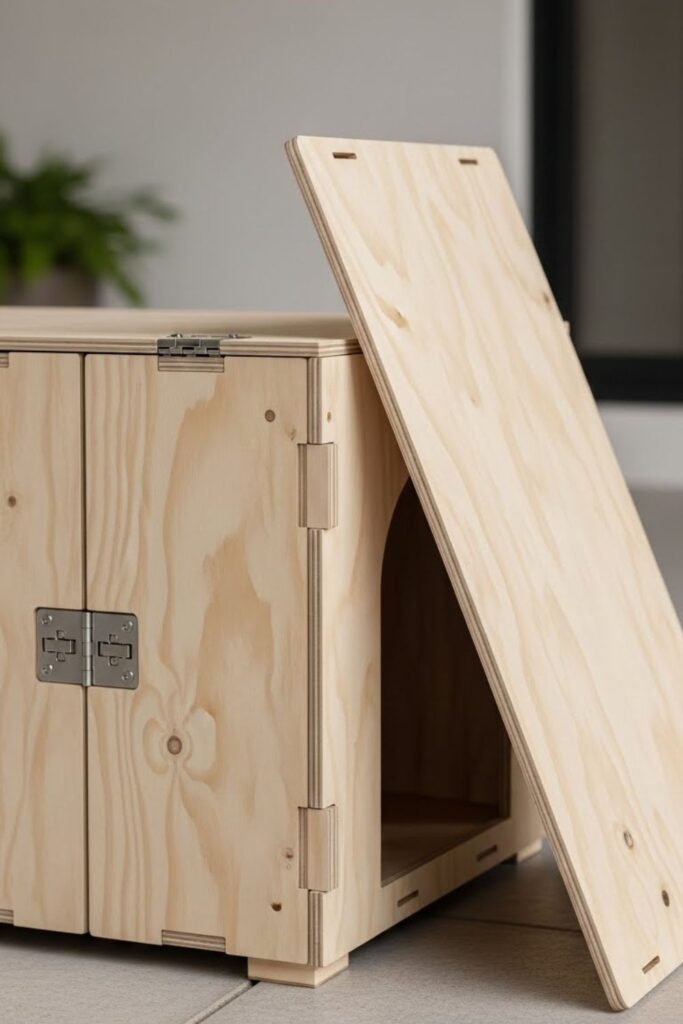
Earth Shelter
Natural cooling becomes the advantage here. A partially recessed base and thick outer walls help control heat without relying on fans or shade structures.
Keep the floor inside high so that moisture doesn’t get in, and then protect the outside with dirt or stone.
This strategy works best in hot, arid places where keeping the temperature stable is more important than being able to move it.
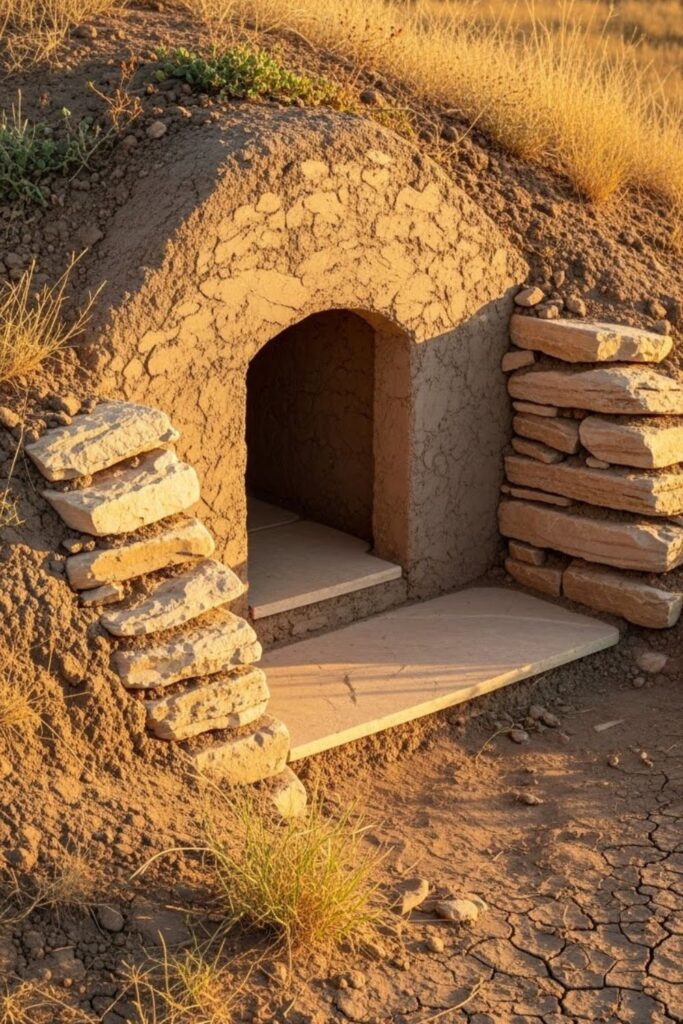
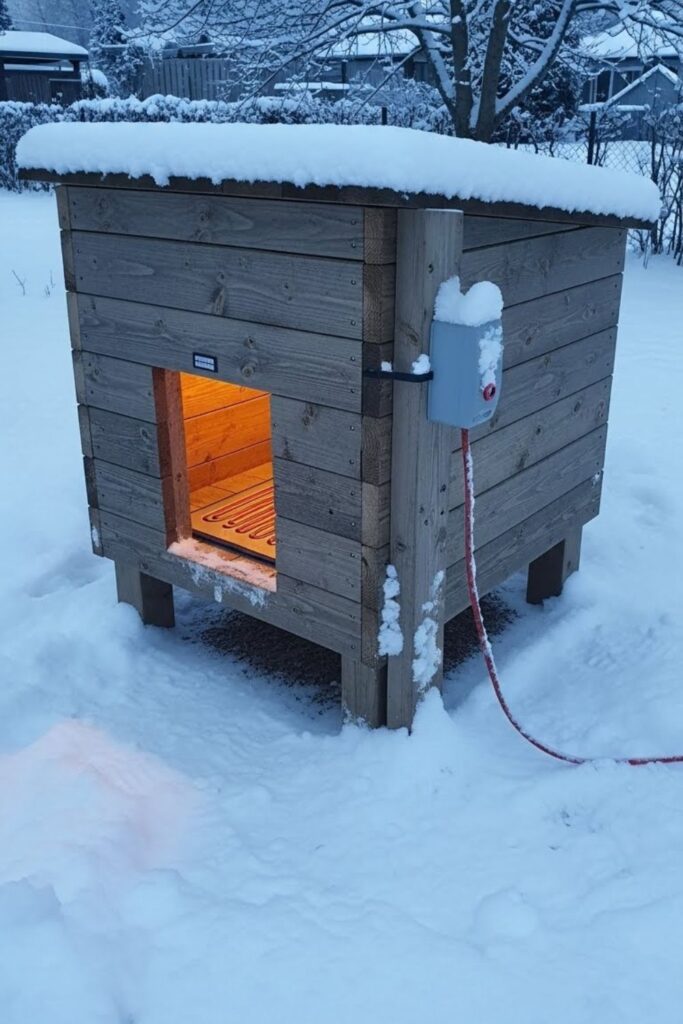
Heated Den
Freezing temperatures demand more than insulation alone. A tightly sealed wooden shell combined with a low-voltage heated mat keeps warmth consistent without overheating.
To stay dry, run electrical wires through covered conduits and raise the floor above the level of the snow.
This solution works for outdoor dogs in areas with harsh winters when safe, controlled heat is needed.
FAQs
How Do You Choose the Right Dog House Before Building One?
The design of the dog house doesn’t matter as much as your dog. Make sure the size is right so that you can stand, turn, and rest comfortably.
When choosing materials and ventilation, think about the weather in your area.
Placement is also important because settings for indoors, porches, and yards all perform differently. Once you understand the basics, it’s easy to choose the proper build.
What Are the Most Common DIY Dog House Mistakes People Make?
Planning is better than guessing when it comes to building a dog house yourself. People build too big, which makes the cold worse.
Some people don’t ventilate their homes, which makes them hot in the summer. Putting the home right on the ground lets in moisture and rot.
Using the improper materials, like flimsy plastic or wood that hasn’t been treated, will make it endure less long.
You may like to read!
- 20 DIY Cat Toy Ideas
- 26 DIY Christmas Ornaments Ideas
- 19 DIY Lamp Shade Ideas
- 14 DIY Abstract Canvas Art Ideas

Fasial is the founder of the Fizzy Flare. He has been a passionate blogger since 2021. He ran three different websites in the past few years. Now he is focusing on Fizzy Flare to build an audience and help them organize their life.