22 Junk Room Organization Ideas for 2026
This post may contain affiliate links: full affiliate disclosure.
If your junk room is small, opening the door probably feels stressful. You see piles, boxes, and random stuff with nowhere to go.
You close the door again because you don’t even know where to start. You might think the room is too small to fix or that organizing it will take days.
The lack of a clear plan is. Once you know what to do first and what actually matters, the overwhelm fades fast, and this room becomes manageable.
In this article, you’ll find 22 Junk Room Organization ideas that work in 2026.
Let’s jump in!
Contents
- 1 How do I organize a small junk room without feeling overwhelmed?
- 1.1 Folded Shelf Reset
- 1.2 Garage-Style Layout
- 1.3 Purpose-Driven Reset
- 1.4 Closet Zone Split
- 1.5 Vertical Supply Stack
- 1.6 Closet Drop Zone
- 1.7 Pantry Logic Storage
- 1.8 Repurposed Furniture Storage
- 1.9 Basement Aisle System
- 1.10 Walk-In Storage Lanes
- 1.11 Pull-Out Shelf System
- 1.12 Mixed Material Balance
- 1.13 Countertop Clear Stack
- 1.14 Closet Cubby System
- 1.15 Bookcase Zone Reset
- 1.16 Kid-Friendly Cubbies
- 1.17 Rolling Rack Storage
- 1.18 Built-In Storage Wall
- 1.19 Room Purpose Flip
- 1.20 Clear Floor Win
- 1.21 Zone-Based Reset
- 1.22 Cubby Grid System
- 2 FAQs
How do I organize a small junk room without feeling overwhelmed?
Start by accepting that you don’t need to organize everything at once. If you try to handle the whole room in one go, you’ll freeze and quit.
Instead, clear one small area, even if it’s just a corner. When you see empty space, your brain calms down, and you can think clearly.
Remove anything that doesn’t belong in this room. If something has a real home elsewhere, take it there immediately.
Don’t buy storage yet; it only works after you know what you’re keeping. Group similar items together so you can see how much you actually have.
Once the clutter shrinks, simple shelves and labeled bins are enough to keep things under control without turning the room back into a dumping zone.
Save this article for later! 👇👇
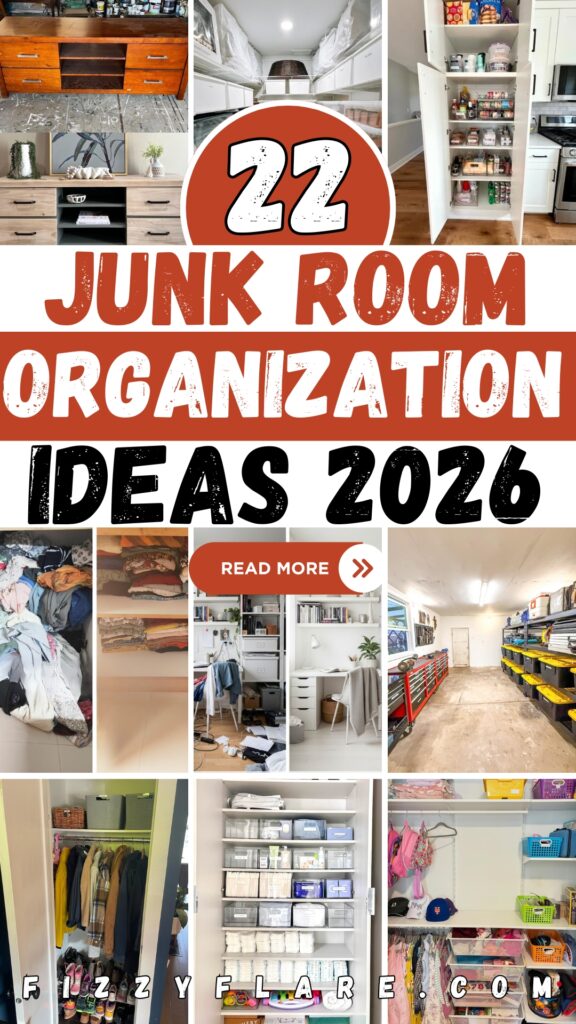
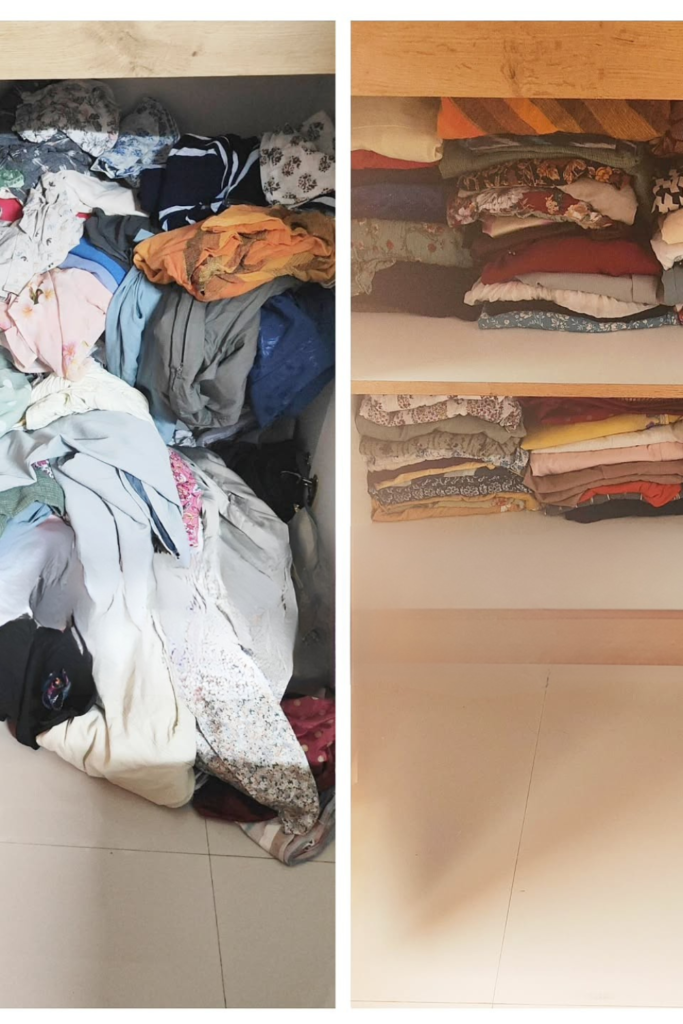
Folded Shelf Reset
Overflowing clothes turn a junk room into instant chaos, when shelves have no structure. Limit stack height to prevent toppling.
Reset the space by emptying one shelf at a time, then refold items into neat, uniform stacks so every piece stays visible.
Strong overhead lighting makes sorting easier, keep clothes from creeping back into messy heaps, this setup works well.
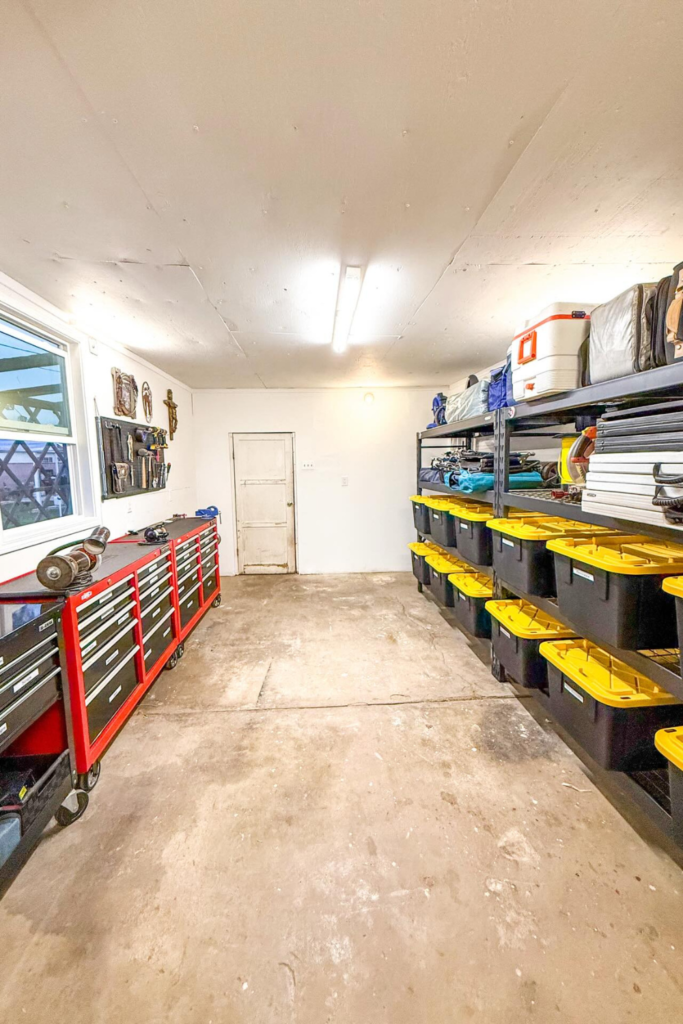
Garage-Style Layout
Wide junk rooms stay functional when storage runs along the walls, and the center stays open, this works best.
Set this up by lining one side with heavy-duty shelving and using matching lidded bins, everything stacks cleanly.
Bright ceiling-mounted lights provide full coverage, open floor space lets light spread evenly, keeps the room easy to move.
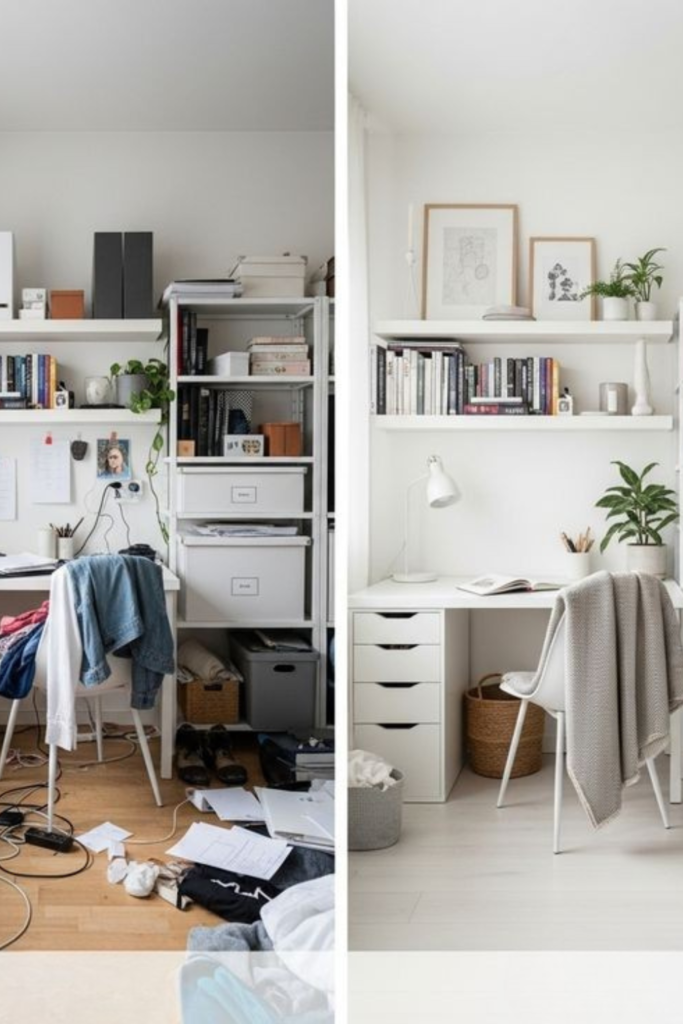
Purpose-Driven Reset
Rooms stop feeling like junk rooms once they’re given a clear job. Use closed drawers for loose supplies, open shelves for daily essentials.
Turn a cluttered space into an office by pushing storage vertically and keeping only work-related items within arm’s reach.
Bright overhead lighting sets the foundation, while a focused desk lamp provides task lighting that makes the space feel intentional.
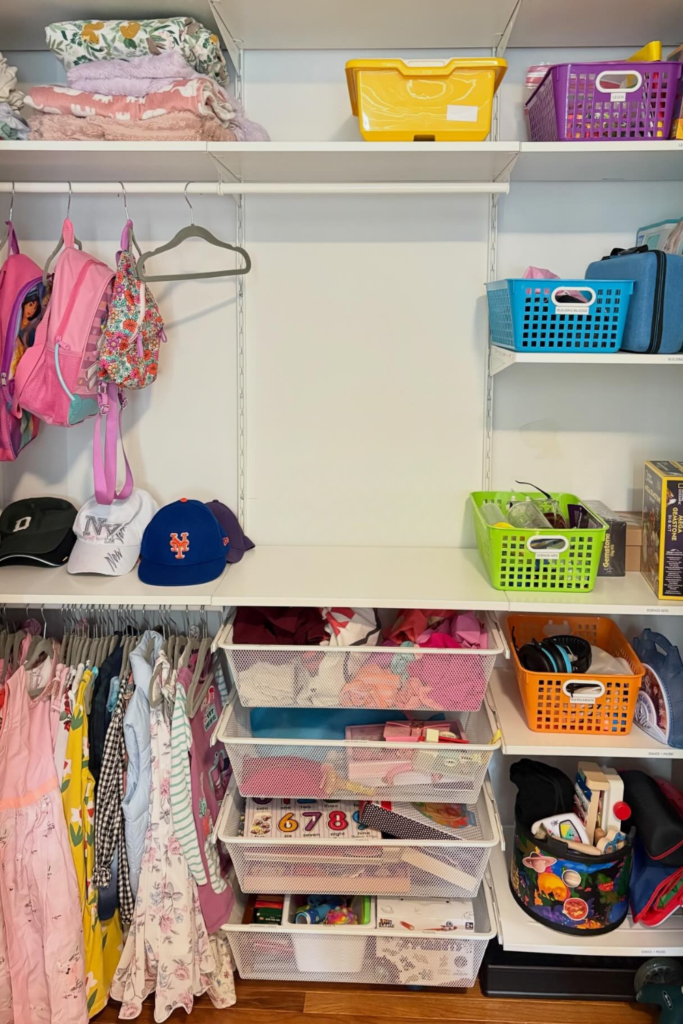
Closet Zone Split
Shared junk rooms work better when closet space is divided by function. Recreate it with adjustable closet rails for quick sorting.
Assign hanging space for clothes, shelves for folded items, and bins for toys or extras so nothing competes for room.
Bright overhead lighting covers the space, while open shelving keeps light moving and prevents dark, forgotten corners.
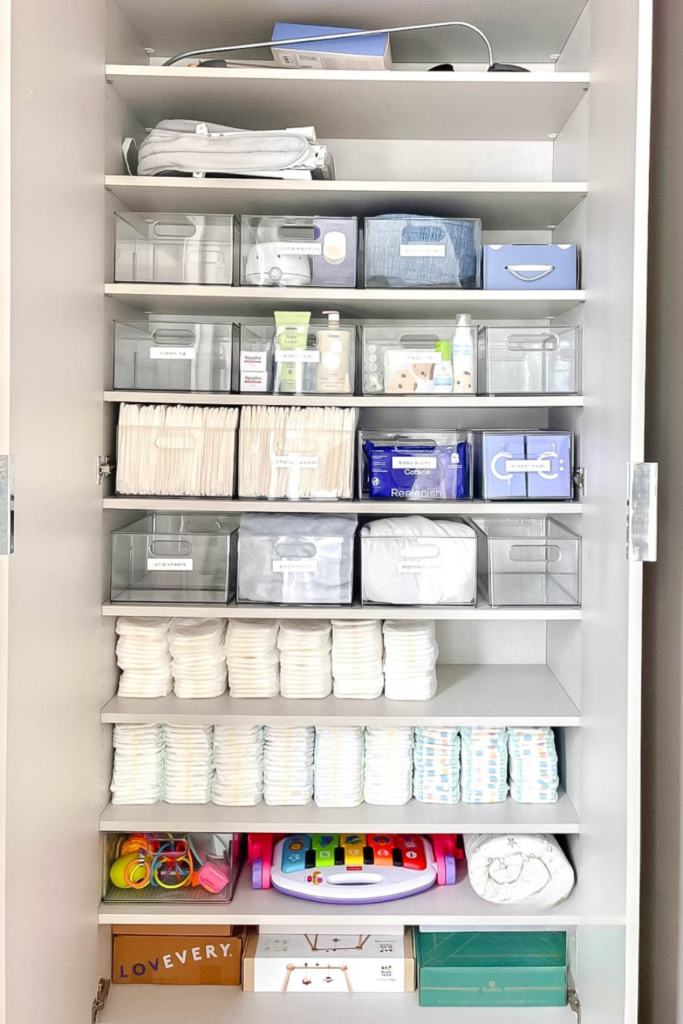
Vertical Supply Stack
Baby supplies and overflow items stay manageable when shelves follow usage order from top to bottom.
Store backups and rarely used items higher, then keep daily essentials at eye level so refills feel effortless.
Bright overhead lighting covers the cabinet, while the light interior keeps every layer easy to scan without pulling bins out.
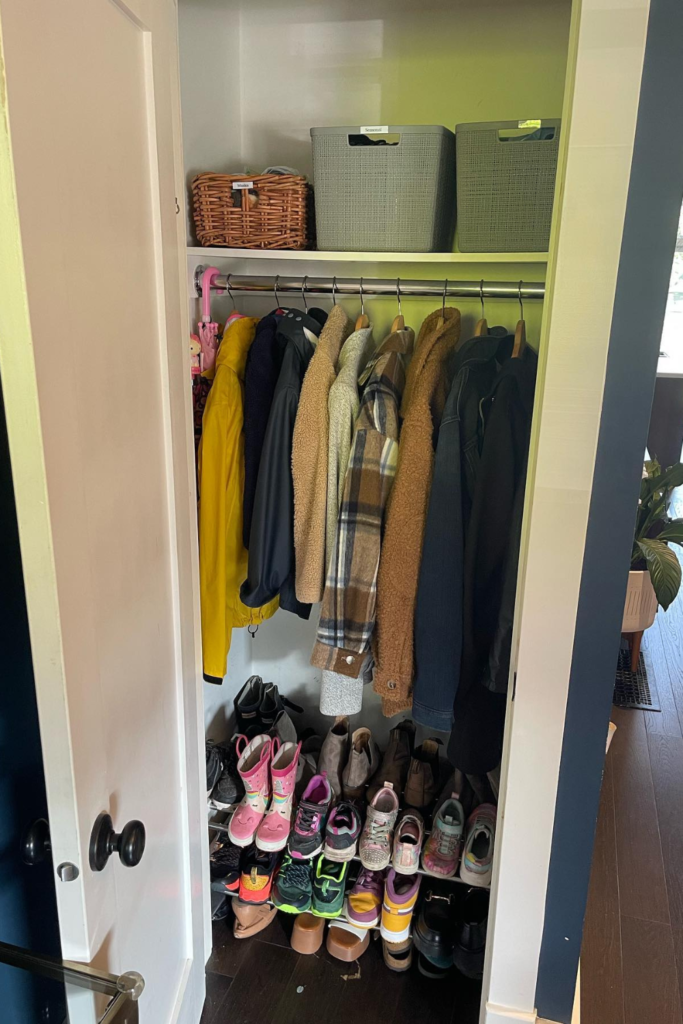
Closet Drop Zone
Entry-area junk rooms stay organized when coats and shoes share one clear landing spot. Use breathable baskets, hangers.
Set this up by using a single hanging rod for outerwear, a top shelf for overflow bins, and open floor space for shoes lined in rows.
Overhead ceiling light handles visibility, while the open door and nearby natural light keep the space from feeling boxed in.
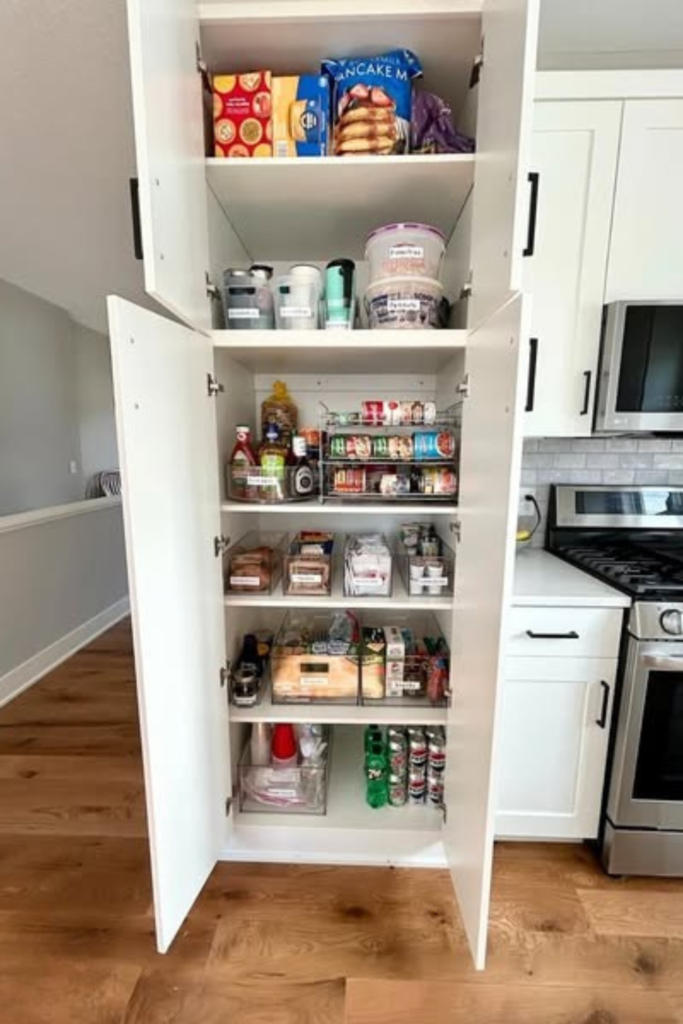
Pantry Logic Storage
Overflow junk rooms stay organized when food, supplies, or random extras follow pantry rules. Group items by use.
Snacks, backups, and rarely used items each get their own shelf. Keep everything visible front to back use clear bins.
Bright kitchen lighting handles visibility, white cabinet interior reflects light and keeps shelves from feeling crowded.
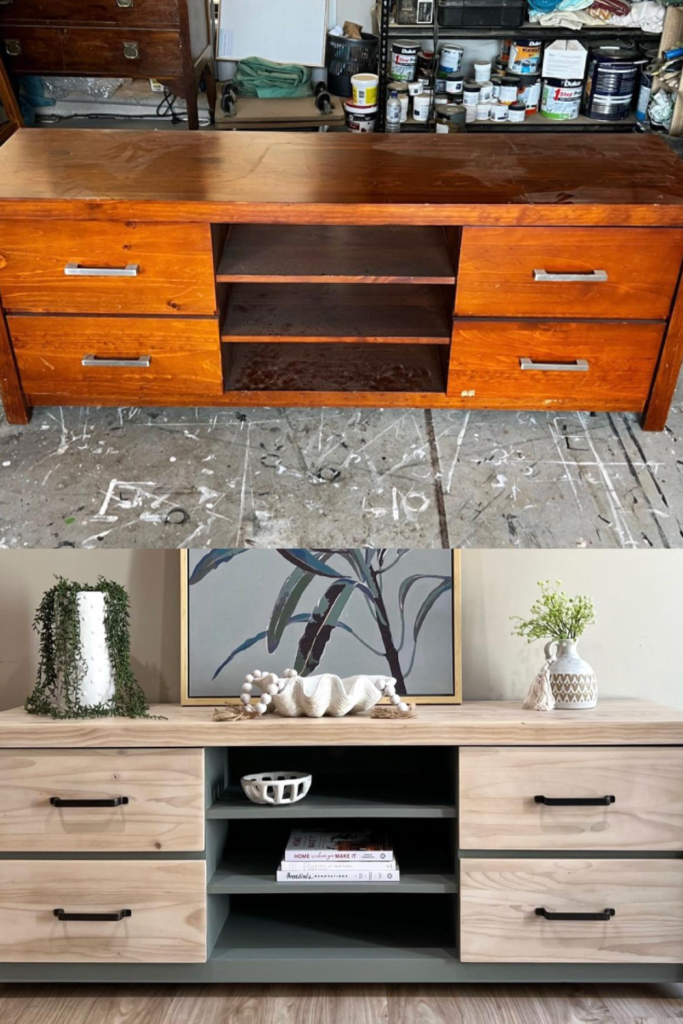
Repurposed Furniture Storage
Old furniture turns into powerful junk room storage when it’s given a new job. Assigning each drawer a clear purpose.
Use a dresser or TV console to hide supplies inside drawers, while open shelves hold frequently used items.
Overhead room lighting provides the base, open shelving allows light to hit displayed items, keeps the piece from feeling bulky.
Basement Aisle System
Long basement junk rooms stay organized when shelves form clear walking lanes. Leaving a center aisle wide enough to move freely.
Build sturdy wood shelving along both sides, then line bins by category so everything stays reachable without stacking chaos.
Bright ceiling-mounted lights provide full coverage, while open shelving lets light travel evenly down the aisle without shadows.
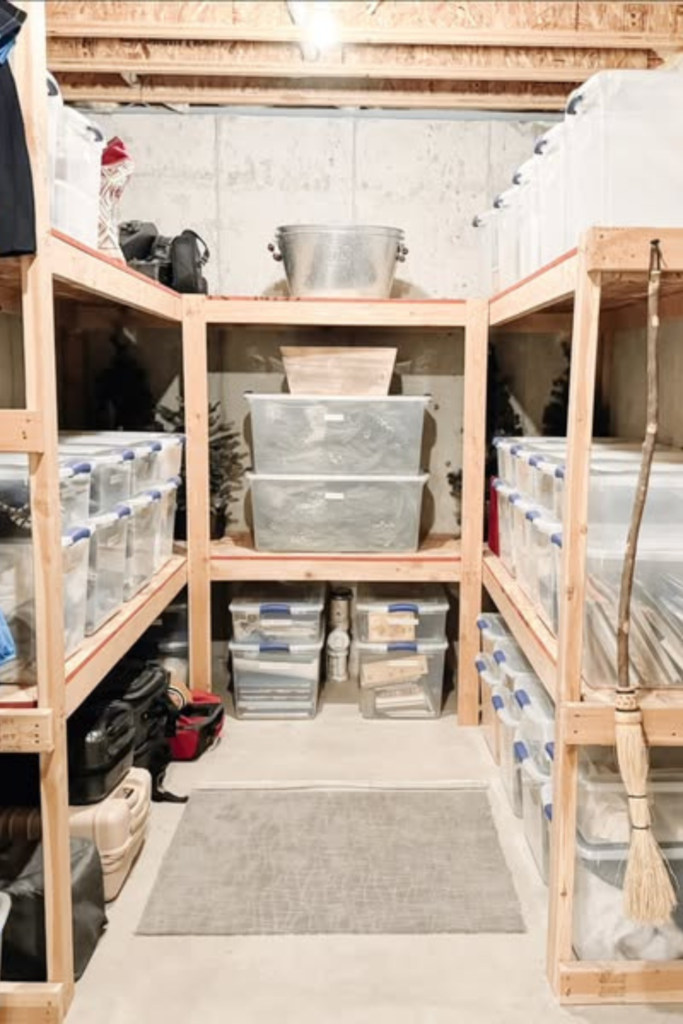
Walk-In Storage Lanes
Narrow junk rooms feel bigger once storage runs straight down both sides. Set this up with wall-mounted shelves.
Nothing sticks out into the walkway. Recreate it by keeping heavier items low and lighter, rarely used bins higher up.
Bright recessed ceiling lights illuminate the full length of the room, white shelving reflects light and keeps the space feeling clean.
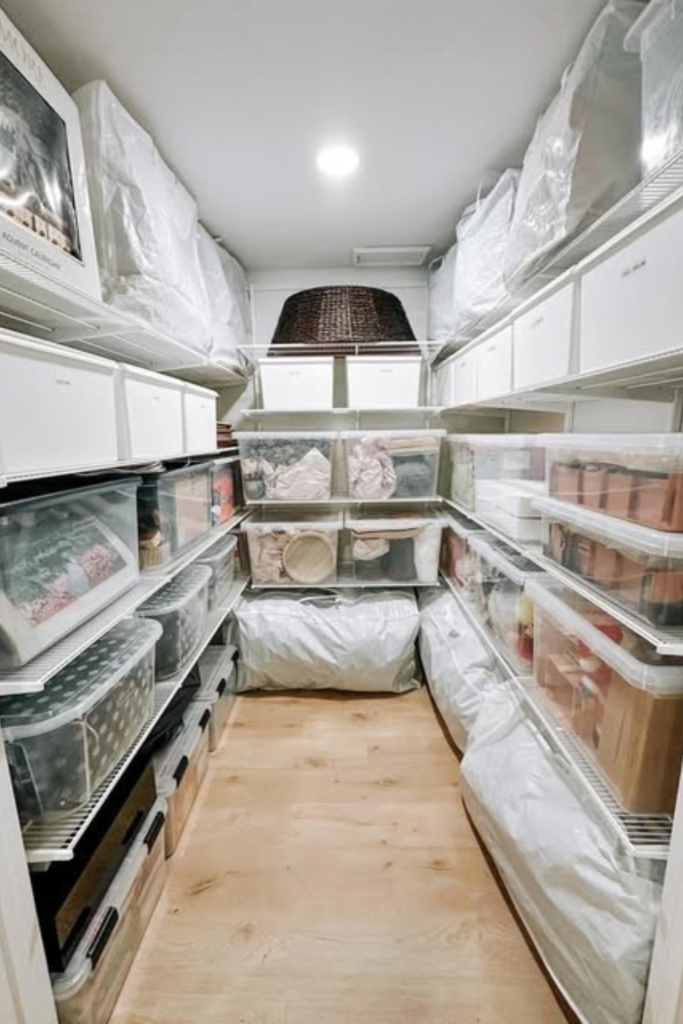
Pull-Out Shelf System
Deep junk cabinets become usable when shelves slide forward. Install pull-out drawers or wooden slide shelves.
Every item comes to you. Recreate this by grouping categories per shelf and keeping heavier items lower for stability.
Bright overhead lighting covers the cabinet, pull-outs bring items into the light, making labels and contents easy to spot instantly.
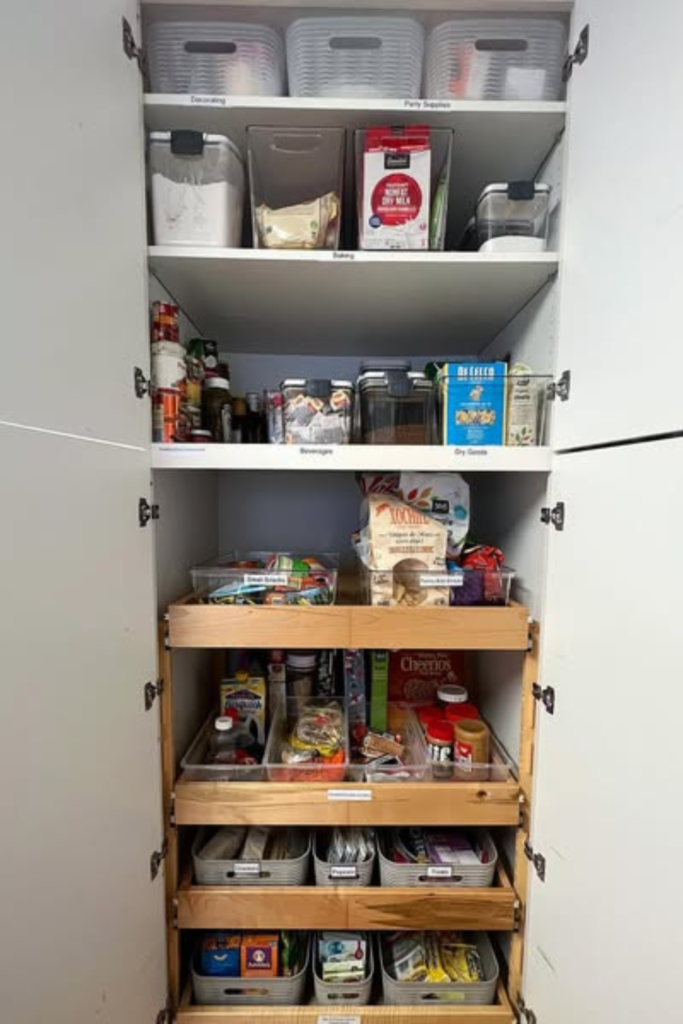
Mixed Material Balance
Junk rooms feel less chaotic when hard storage gets softened with texture. Combine clear containers for visibility.
Woven baskets to hide visual clutter and add warmth. Use clear bins for daily items and baskets for overflow or backups.
Natural daylight from nearby windows handles the main lighting, while soft overhead light fills gaps and keeps shelves readable.
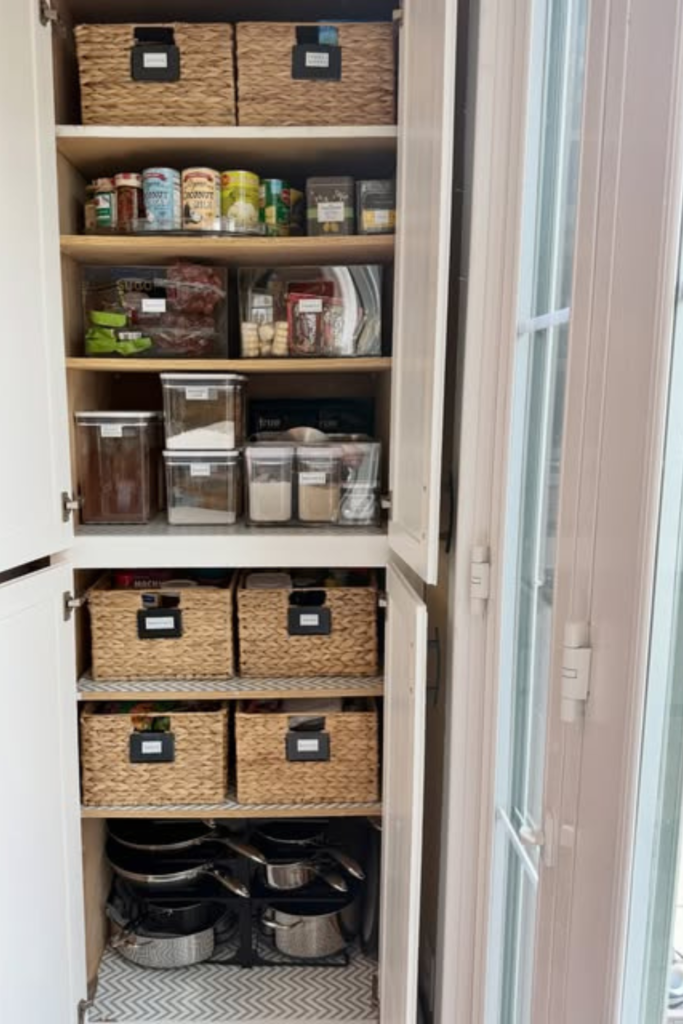
Countertop Clear Stack
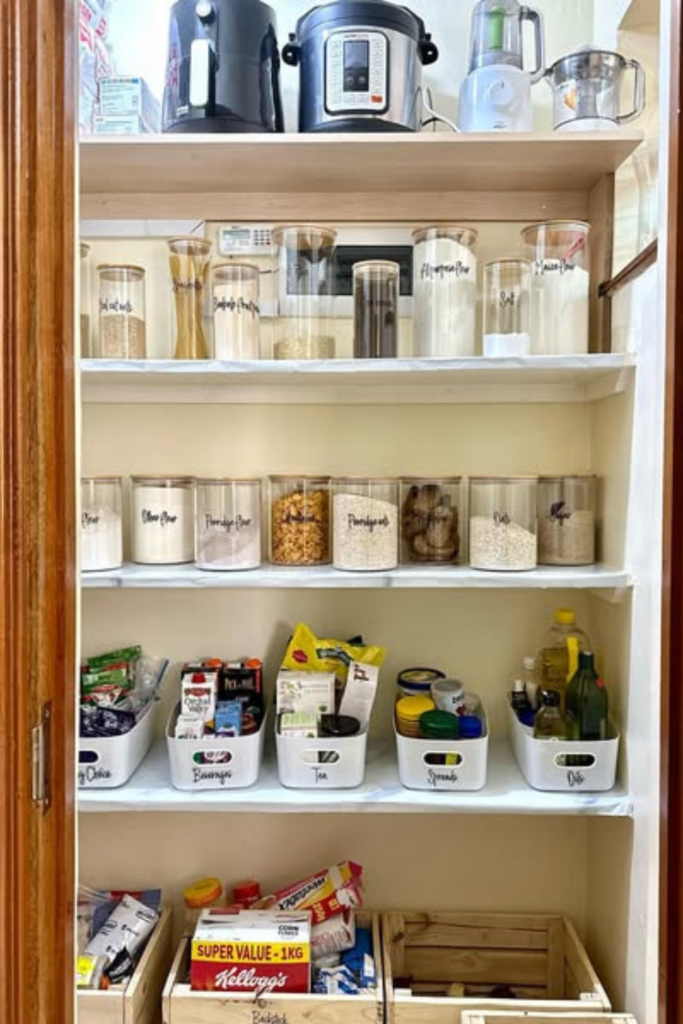
Junk rooms that store kitchen overflow stay organized when shelves act like a working pantry. Line up clear jars for dry goods.
You can see levels instantly and stop overbuying, decanting loose packages into uniform containers and grouping by use.
Warm overhead lighting illuminates the shelves, while glass containers let light through and keep the space feeling clean.
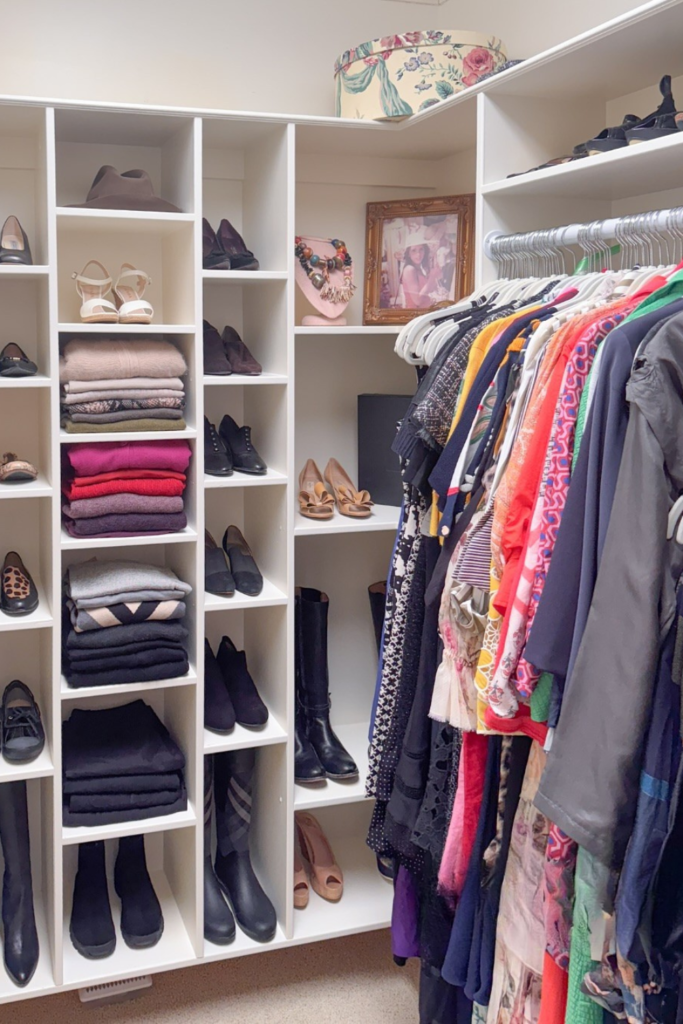
Closet Cubby System
Junk rooms with clothing overflow calm down once every item gets its own slot. Build vertical cubbies for accessories.
Recreate this by choosing adjustable closet units and spacing shelves to match what you own, not what looks pretty.
Even ceiling lighting covers the space, while white shelving reflects light and keeps the closet feeling open.
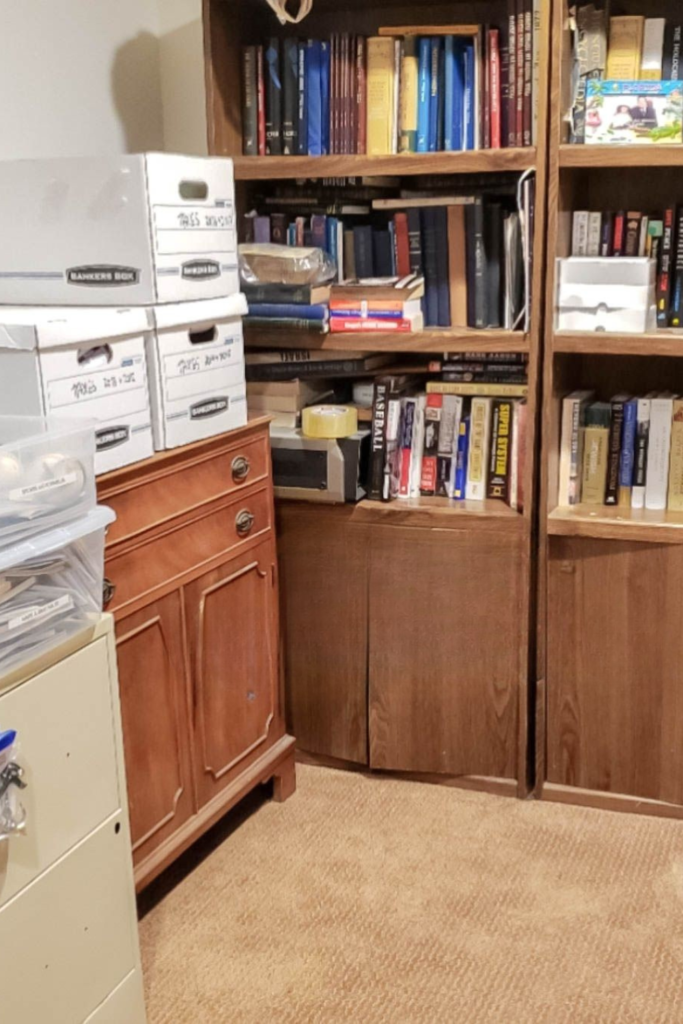
Bookcase Zone Reset
Paper-heavy junk rooms get under control once shelves stop doing double duty. Separate books, files, and boxes.
Each shelf holds only one type of item. Use labeled document boxes for loose papers and reserving open shelves for books only.
Overhead room lighting provides general illumination, while open book spines reflect light and make the space feel finished.
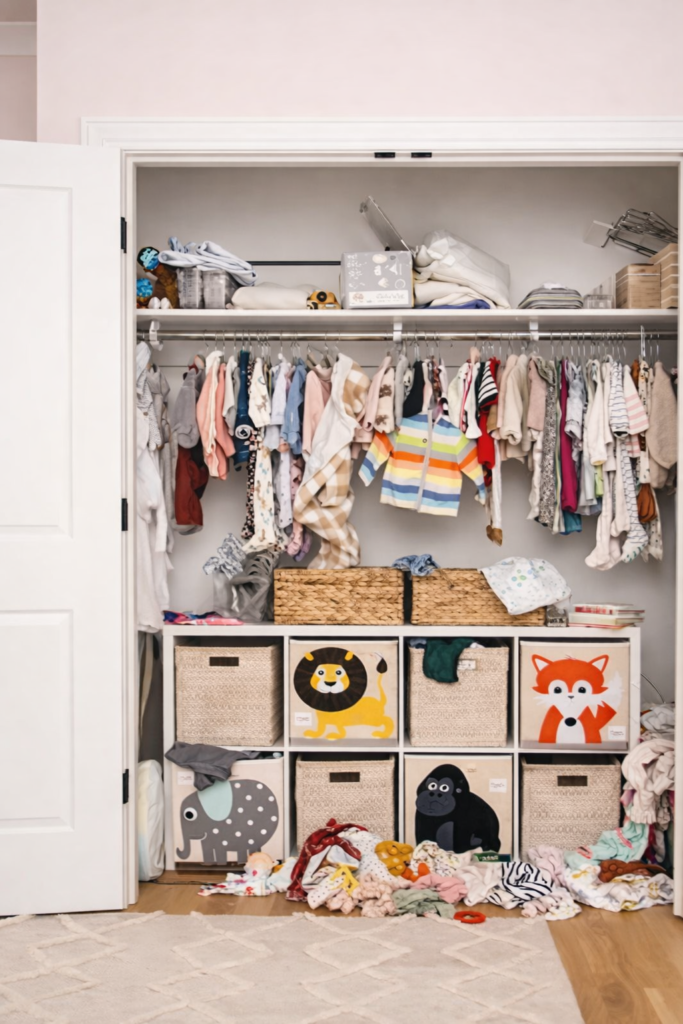
Kid-Friendly Cubbies
Junk rooms shared with kids stay calmer when storage matches how they actually use things. Give toys and clothes to low cubbies.
Cleanup doesn’t require help or guessing. Pairing a single hanging rod with cube storage underneath to catch overflow.
Bright ceiling lighting keeps everything visible, while open doors and light walls prevent the space from feeling cramped.
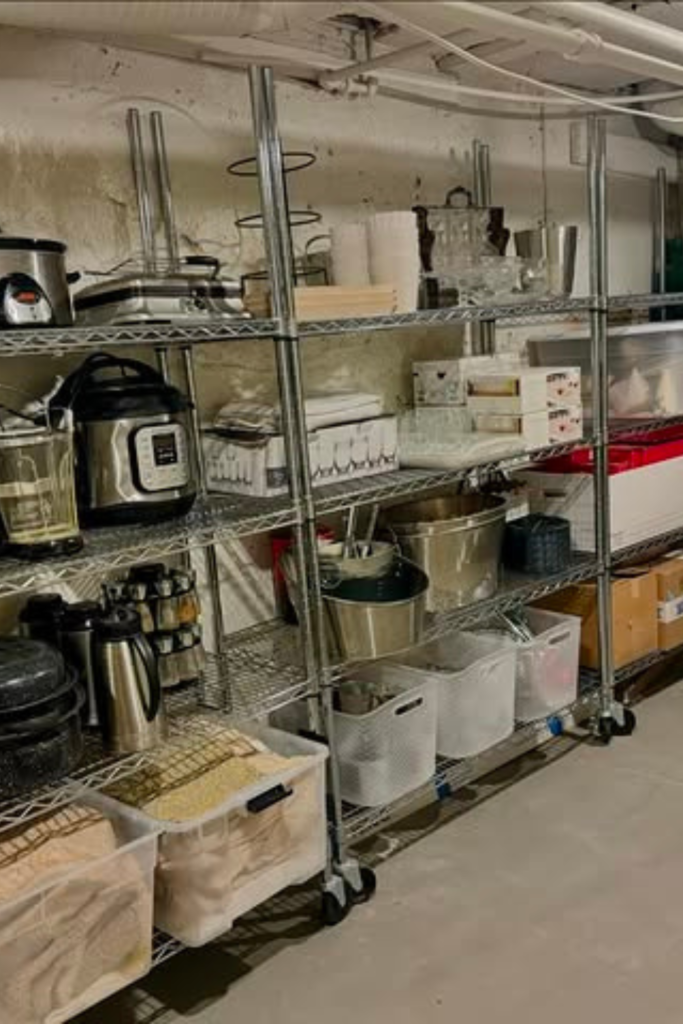
Rolling Rack Storage
Basement junk rooms handle heavy items better when shelves can move. Use rolling wire racks for appliances, bins, and bulky gear.
Access stays easy from any angle. Recreate this with commercial-grade racks and clear containers to avoid blind stacking.
Bright ceiling-mounted lights cover the space, while open wire shelves let light pass through, reducing dark, hard-to-see zones.
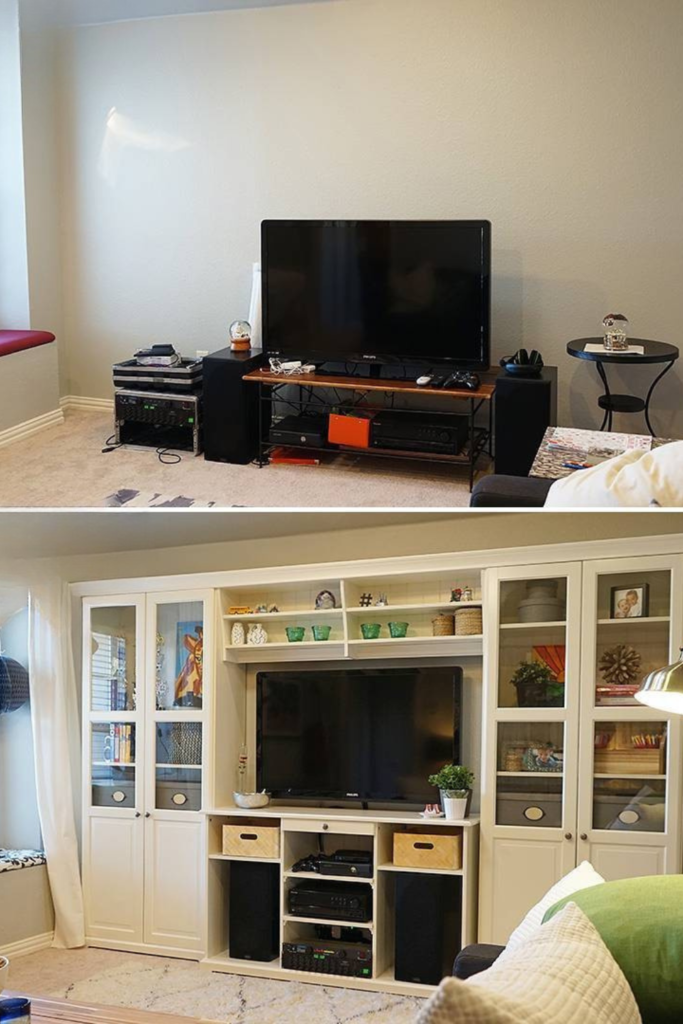
Built-In Storage Wall
Junk rooms disappear once storage looks intentional. Turn one wall into a built-in unit that hides clutter behind doors.
Leaving a few open shelves for everyday items. Use tall cabinets, baskets for loose gear, and closed compartments for electronics.
Bright overhead lighting sets the base, while glass-front doors and light finishes reflect light, making the whole room feel finished.
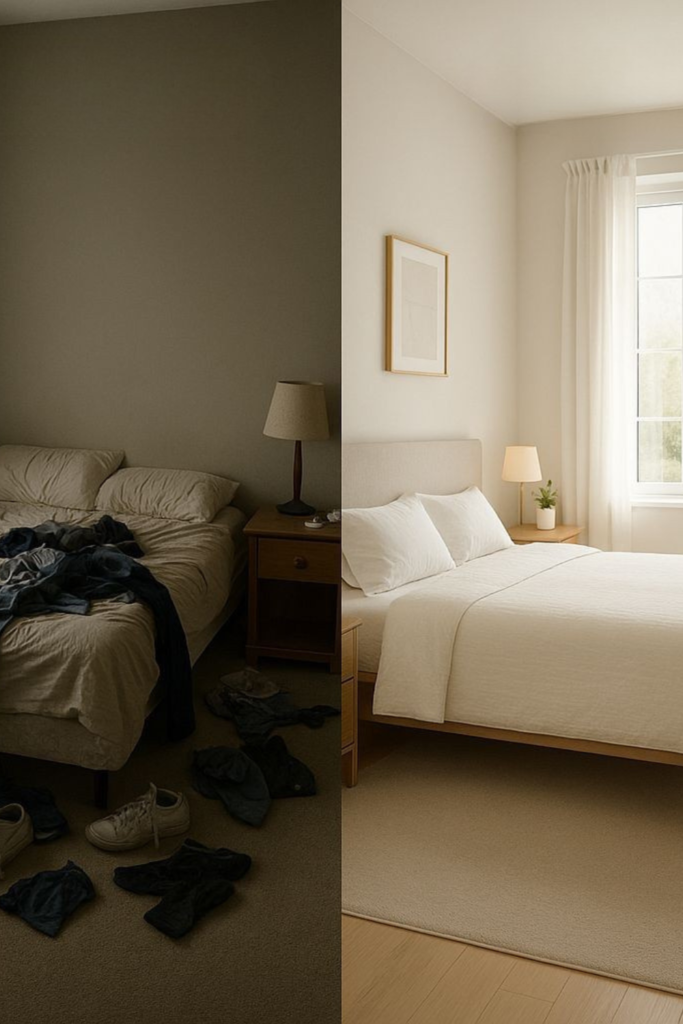
Room Purpose Flip
Junk rooms finally work once the space is claimed for a specific purpose. Strip the room back to essentials.
Bring in only what supports the new purpose, like a bed or seating. Storage moves out or hides behind doors.
Soft overhead lighting sets a calm base, while natural window light finishes the room and makes it feel lived-in, not forgotten.
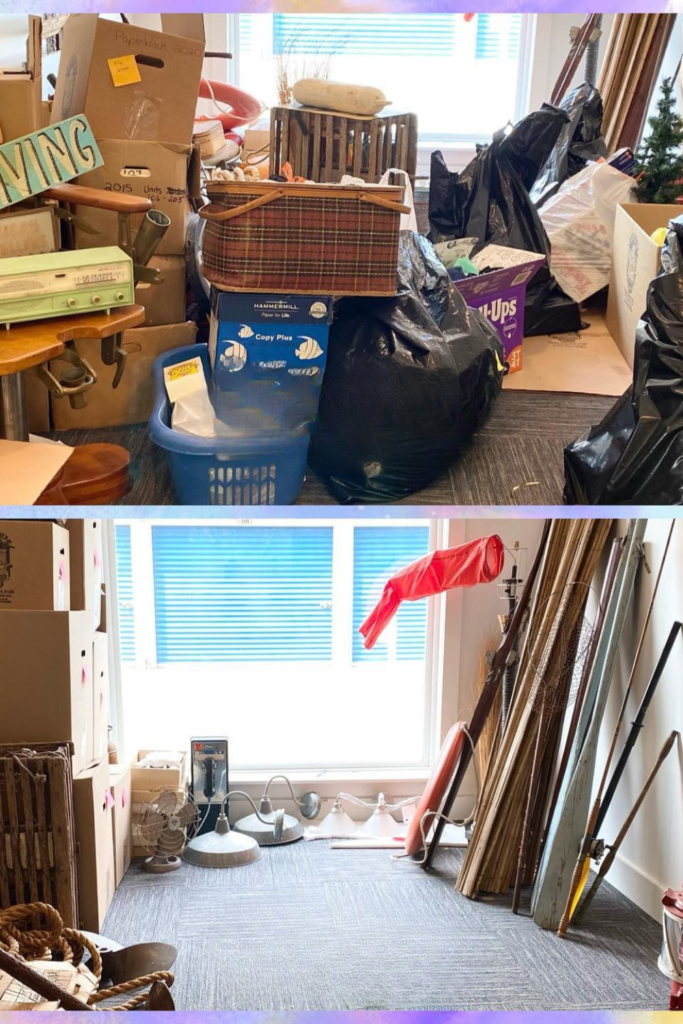
Clear Floor Win
Junk rooms change fastest once the floor stops holding everything. Set a rule that nothing lives on the floor long-term.
Pull items off the ground first and move them to walls, shelves, or vertical stacks so the room can breathe.
Strong overhead lighting makes open space obvious, natural window light highlights progress and keeps the room visible.
Zone-Based Reset
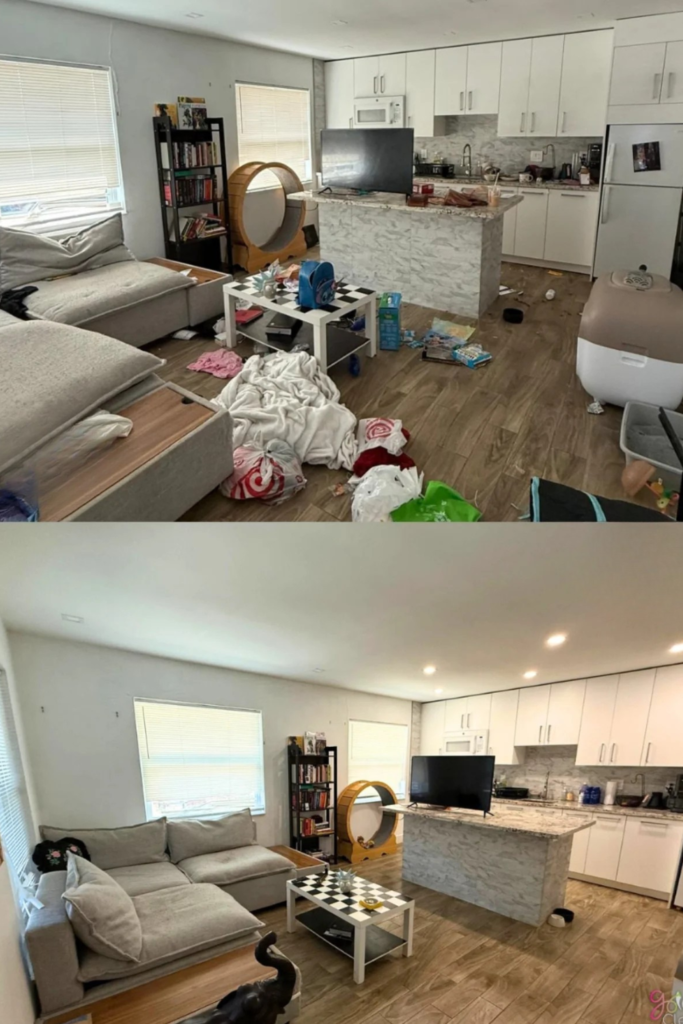
Open-plan junk rooms fall apart when everything blends together. Break the space into clear zones living, storage, and work.
Items always land where they belong. Clear the floor first, then anchor each zone with a main piece, such as a sofa or table.
Ceiling lights provide even coverage, task lighting keeps the space functional, prevents clutter from drifting back.
Cubby Grid System
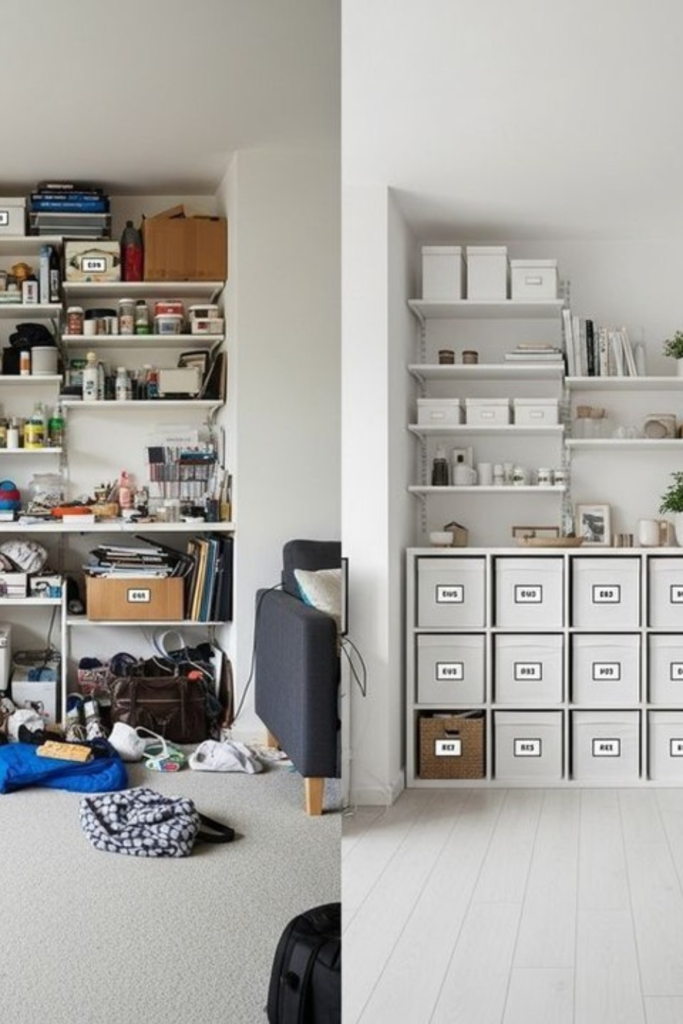
Built-in nooks turn into junk magnets when items stack to the limit. Measure the opening first, then fitting uniform bins.
Fix it by installing a cube grid that forces everything into equal-size containers, so overflow becomes obvious fast.
Soft overhead lighting sets the base, while light walls and white storage bounce light around, making the space feel finished.
FAQs
How long does it take to organize a junk room?
The time depends on how you approach it, not how bad the room looks. If you try to do everything in one day.
You’ll feel overwhelmed fast. Most people make real progress in 2 to 4 focused sessions by working on one zone at a time.
Clearing, sorting, and assigning homes in small chunks keeps your energy up and helps you actually finish the job.
How do I stop the junk room from getting messy again?
A junk room gets messy again when it has no rules. Every category needs a clear home and a size limit. Once a bin or shelf is full, nothing new goes in unless something leaves.
This forces decisions early instead of letting piles grow. A quick weekly reset keeps small messes from turning back into full chaos.
You may like to read!
- 26 Dresser Organization Ideas
- 24 Family Organization Wall
- 22 Junk Drawer Organization
- 26 Snack Organization Ideas
- 27 Fridge Organization Ideas

Fasial is the founder of the Fizzy Flare. He has been a passionate blogger since 2021. He ran three different websites in the past few years. Now he is focusing on Fizzy Flare to build an audience and help them organize their life.